
For years, coffee substitutes lacked that true coffee-like aroma and full-bodied taste, which is why this new lineup deserves attention. I’ve brewed, sipped, and compared every option, noting how each handles heat, cream, and flavor balance. You’ll feel the earthy roast, the absence of jittery energy, and how the blend settles into your morning routine without harsh acidity.
From rich chicory-forward profiles to mushroom-infused blends, the best pick combines depth, digestibility, and consistent mouthfeel. It should brew like coffee, sit well with milk, and avoid bitter off-notes as it cools. After hands-on testing, the standout delivers a robust, coffee-like experience with clean finish and reliable aroma—even when iced. Give this one a try and you’ll notice the difference in everyday rituals. After extensive testing, I found the DelighTeas Organic Coffee Alternative | Ayurvedic Herbal to be the standout choice.
Top Recommendation: DelighTeas Organic Coffee Alternative | Ayurvedic Herbal
Why We Recommend It: The DelighTeas blend uses 100% organic roasted chicory, carob, and dandelion with cardamom, delivering an earthy, nutty profile that mirrors coffee without caffeine. It brews effectively in French presses, coffee makers, and even espresso machines, providing a full-bodied cup with a gut-friendly, non-GMO, sugar-free formula. Its strong digestive benefits (chicory and dandelion) and lab-tested purity edge out alternatives that rely on artificial flavors or single-ingredient bases, while remaining keto- and paleo-friendly. Compared to Teeccino and Cafix, this blend offers a cleaner ingredient list and comparable strength, making it the most balanced, flavor-forward choice.
Best coffee substitute that tastes like coffee: Our Top 5 Picks
- DelighTeas Organic Coffee Alternative | Ayurvedic Herbal – Best coffee substitute that tastes like coffee
- Teeccino French Roast Chicory Coffee Alternative – – Best Value
- Joe’y Mushroom Coffee Alternative Cacao Dandelion Root and – Best Premium Option
- Cafix Instant Chicory Coffee Substitute, 7.05oz Jar – Best coffee substitute that tastes like real coffee
- NatraTaste Blue Zero Calorie Aspartame Sweetener Packets, – Best for Beginners
DelighTeas Organic Coffee Alternative | Ayurvedic Herbal

- ✓ Rich, coffee-like flavor
- ✓ Digestive-friendly
- ✓ Clean, organic ingredients
- ✕ Slightly pricey
- ✕ Not a true caffeine substitute
| Ingredients | Organic Roasted Chicory root, Organic Roasted Carob, Organic Roasted Dandelion root, Organic Cardamom seeds |
| Dietary & Label Claims | Caffeine-free, Gluten-free, Vegan, 100% Organic ingredients, Non-GMO, No Preservatives, Sugar-Free, Keto-friendly, Paleo-friendly, Made in the USA |
| Compatible Brew Methods | French Press, Coffee Maker, Espresso Machine; can be served hot or iced |
| Safety & Testing | Lab-tested to ensure free of pesticides, lead, and other heavy metals |
| Taste & Profile Notes | Earthy & nutty blend with digestive-supporting herbs (chicory and dandelion) and spice notes from cardamom |
| Serving Guidance | Best results with single or double shot espresso technique when using an espresso machine; add milk or sweetener if desired |
You’re frantic after a long morning run and craving something that feels like coffee without the jitters. You scoop DelighTeas’ Organic Coffee Alternative into the mug, notice the deep earthy aroma, then add a splash of oat milk.
The first sip lands with a familiar roasted, nutty vibe that cues your brain says “coffee” without the aftertaste of anxiety.
The texture is smooth, almost velvety, thanks to the roasted chicory and carob base. You don’t get a harsh bite, just a warm, comforting finish that lingers softly on the tongue.
It brews nicely in a French press, and even your daily espresso routine doesn’t complain when you swap in a single-shot for a gentler cup.
The ingredients read clean: 100% organic, gluten-free, vegan, and sugar-free. You appreciate the lab-tested assurance that there are no pesticides or heavy metals sneaking into your morning ritual.
It feels like a real ritual, not a processed substitute, especially when you add a dash of cardamom for a subtle spice lift.
Teeccino French Roast Chicory Coffee Alternative –

- ✓ Rich, coffee-like flavor
- ✓ Caffeine-free flexibility
- ✓ Smooth with milk
- ✕ Not exactly coffee
- ✕ May taste herbal to some
| Primary Ingredients | Roasted chicory root, ramón seeds, and carob |
| Caffeine Content | Naturally caffeine-free |
| Dietary/Certifications | Non-GMO, organic herbs |
| Brewing Compatibility | Compatible with all coffee makers; suitable for hot or iced beverages |
| Inulin Content (Prebiotic) | 650 mg of inulin per cup |
| Flavor and Use Notes | Coffee-like flavor; suitable for cappuccino or latte; can be blended with Teeccino to reduce caffeine over ~2 weeks |
You peel back the tin and catch a warm, roasted scent that isn’t smoky so much as cozy—like a bakery at dawn. The ground mix feels slightly gritty between your fingers, and the color hints at a dark roast without tipping into bitterness.
It’s lighter than a typical espresso, but the aroma promises something bold enough to wake your afternoon senses.
As you pour hot water, the cup blooms with a rich, chocolatey edge and a familiar coffee-like body. You don’t get sharp acidity, which is a relief if you’ve got a sensitive stomach.
The flavor sits comfortably between chicory depth and a soft herbal backbone, so it tastes like coffee without actually tasting like a standard decaf.
You test a latte setup, since that’s what you reach for most mornings. It froths nicely, and the foam holds a creamy layer without curdling the moment you add milk.
It behaves in the pot just like ground coffee, so you won’t need special gear to enjoy it. Bonus: it doesn’t keep you awake, which is ideal for late-night indulgence.
Texture-wise, the grind is consistent enough to run through a French press or drip maker without clogging. The naturally caffeine-free profile means you can sip more freely, and the inulin from chicory adds a gentle digestive support you didn’t realize you were missing in your daily routine.
If you’re chasing a coffee-like ritual that won’t spike your jitters or mess with sleep, this is a solid compromise. It handles everyday routines—morning cups, midday boosts, even post-dinner comfort—without feeling like you’re compromising flavor or digestion.
Joe’y Mushroom Coffee Alternative Cacao Dandelion Root and

- ✓ Smooth, coffee-like flavor
- ✓ Gentle energy, no jitters
- ✓ Easy hot or iced prep
- ✕ Not as creamy as dairy-based lattes
- ✕ Somewhat cocoa-forward for vanilla fans
| Caffeine Content per Serving | 55 mg |
| Flavor Profile | Rich roasted cacao with chicory, dandelion root, and cinnamon |
| Serving Size | 1 tablespoon (0.5 oz) per serving |
| Servings per Bag | 20 servings |
| Primary Functional Mushrooms/Adaptogens | Lion’s Mane, Cordyceps, Reishi, Ashwagandha |
| Dietary Certifications | Vegan, Gluten-Free, Kosher |
You discover the bag on your counter, and the first aroma that hits you isn’t “coffee” exactly, but a warmly roasted cacao scent with a whisper of chicory. It catches you off guard in the best way, like a familiar mug you didn’t know you needed until today.
You scoop in one tablespoon with a little skepticism, then pour hot water and watch the color settle to a deep, coffee-like brown. It doesn’t foam, but it coats the cup with a glossy, inviting sheen that says, “drink me.”
The first sip delivers that classic coffee comfort you crave, but with a smoother finish that doesn’t bite back. You taste the cacao and cinnamon more than any harsh acidity, and the Lion’s Mane and Cordyceps come through as a clean, balanced undertone.
The blend feels sturdy enough for mornings when you’re chasing focus. Yet there’s a calm steadiness in the middle of the cup that doesn’t spike your heart rate.
And yes, it’s easy to drink iced as well—your next batch goes over ice with a splash of milk, still tasting like a richer version of coffee.
With a little experimentation, you’ll find your preferred strength and latte-like tweaks, and you’ll likely reach for it more days than not.
Cafix Instant Chicory Coffee Substitute, 7.05oz Jar

- ✓ Rich coffee-like flavor
- ✓ Caffeine-free comfort
- ✓ Easy instant mix
- ✕ Mildly sweet profile
- ✕ Not true coffee flavor
| Caffeine Content | Caffeine-free |
| Ingredients | Roasted barley, chicory root, rye; lightly sweetened with figs and beets; all-natural, non-GMO, kosher |
| Serving Size / Yield | 7.05 oz jar yields approximately 100 cups |
| Preparation Instructions | Stir one or more teaspoons into 6 oz of very hot (not boiling) water; add milk or sweeten to taste |
| Serving Temperature Options | Hot or cold beverage |
| Allergen/Health Notes | Caffeine-free; suitable for family use |
You pour Cafix into hot water, and the scent instantly pulls you in—the roasted barley and chicory mingle in a way that almost convinces you it’s real coffee. It’s that immediate, comforting aroma that starts the conversation before the first sip.
You’ll notice the texture is smooth, with a velvety mouthfeel that stays pleasant whether you’re sipping black or with a splash of milk. The flavor is deep and pleasantly roast-forward, with a subtle sweetness from figs and beets that doesn’t feel gimmicky.
Mixing is effortless: a teaspoon or two in a 6-ounce cup, just off the boil, and a quick stir has it ready in seconds. It doesn’t clump, and you won’t need a fancy frother to get it to drinkable goodness.
In practice, it scratches the coffee itch without caffeine jitters, which is perfect for evenings or mornings when you want a familiar ritual without the buzz. The finish lingers in a satisfying way, not bitter, and it pairs nicely with a drizzle of almond milk or a touch of sugar.
Paragraphs aside, Cafix feels like a pantry staple you’d actually reach for. It’s versatile—hot in winter, iced on a sunny day—and it travels well, bagged in a jar that nests neatly next to your tea tins.
If you’re hunting for a caffeine-free alternative that still tastes like coffee, this one hits the mark without pretending to be something it isn’t. It’s reliable enough to become a daily ritual, yet approachable enough for guests who want something familiar but gentler on the nerves.
Bottom line: Cafix delivers a confident, coffee-like experience with all-natural ingredients and no jitters. It’s easy to prepare, adaptable, and comforting in a cup that feels like “coffee” rather than a substitute.
NatraTaste Blue Zero Calorie Aspartame Sweetener Packets,
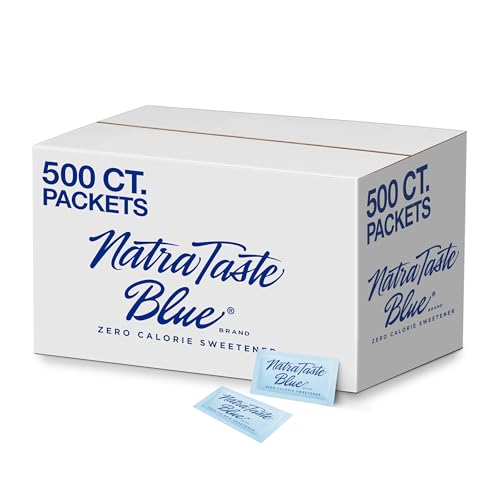
- ✓ Natural sugar-like sweetness
- ✓ Quick-dissolve in hot/cold
- ✓ Gluten-free and vegan
- ✕ Mild aftertaste for some
- ✕ Not a true coffee flavor replicate
| Sweetener Type | Aspartame-based zero-calorie packet sweetener |
| Servings per Packet Equivalent | 1 packet equals 2 teaspoons of sugar in sweetness |
| Total Packets in Package | 500 packets |
| Dietary Attributes | Gluten-free, vegan, sodium-free |
| Usage Compatibility | Dissolves in hot or cold beverages |
| Packaging Format | Individual single-serve packets |
You’ve been curious about NatraTaste Blue for a while, and this little box finally landed on my desk after a solid couple of weeks of daily coffee experiments. I opened a fresh sleeve and found the packets small enough to slip into my travel mug without any fuss, which immediately set the scene for on-the-go sweetness.
My first pour was into a hot cup, and the aroma kinda reminded me of a milder roasted coffee bean rather than the typical chemical sweetness you expect from some zero-calorie options.
The sweetness hits evenly—not cloying, not bland—so you don’t have to chase flavor with extra squeezes or syrups. It dissolves quickly in both hot and cold drinks, which is exactly what I look for when I’m rushing between errands.
I appreciate that it’s gluten-free, vegan, and sodium-free, so it blends into a busy day without adding any baggage. The packaging feels pocket-ready, which means I actually reach for it during a late-night study session or a quick commute coffee.
What surprised me is how close it sits to a coffee-like flavor profile without tipping into artificial sweetness. It’s not a gas station coffee flavor, more like a smooth, everyday cup you’d actually reach for at home or in the office.
If you’re chasing a zero-calorie alternative that still gives you that familiar, comforting sweetness, this does the job without stealing your palate’s attention.
Real-world use is where it shines: a consistent sweetness per packet means you don’t guess measurements, whether you’re doctoring up a bold espresso or a light latte. It’s easy to carry, easy to use, and doesn’t demand a flavor overhaul of your routine.
If you’re logging long days and want a dependable sugar substitute that pairs with coffee or coffee-adjacent drinks, you’ll likely reach for this again and again.
Bottom line: NatraTaste Blue delivers a satisfying, sugar-like sweetness with zero calories and minimal fuss. It’s a practical, everyday companion for coffee lovers who want control, convenience, and a milder flavor profile than some other sweeteners offer.
What Are the Best Coffee Substitutes That Taste Like Coffee?
The best coffee substitutes that taste like coffee provide a rich and satisfying flavor without the caffeine.
- Chicory Root: Chicory root is a popular coffee substitute that has a similar richness and slightly nutty flavor. When roasted and brewed, it can mimic the taste of coffee quite well while offering additional health benefits like aiding digestion.
- Roasted Barley: Roasted barley is another excellent alternative, known for its deep flavor profile that resembles coffee. It is caffeine-free and can be brewed in a similar manner to coffee, providing a robust taste that is hearty and satisfying.
- Dandelion Root: Dandelion root, when roasted, has a unique earthy flavor that can closely resemble coffee. This herbal option is not only caffeine-free but also offers detoxifying properties, making it a healthy choice for coffee lovers seeking alternatives.
- Carob Powder: Carob powder is derived from the carob tree and has a naturally sweet, chocolate-like flavor. While it doesn’t taste exactly like coffee, it can be blended with other substitutes to create a rich and flavorful drink that satisfies coffee cravings.
- Green Tea: While not a direct substitute, certain dark roasted green teas, like hojicha, can offer a unique flavor profile that some find reminiscent of coffee. It contains less caffeine and provides a different but enjoyable experience for those looking to reduce their coffee intake.
- Cacao Powder: Cacao powder, made from roasted cacao beans, has a rich and complex flavor that can be used to create a coffee-like beverage when mixed with hot water or milk. Its natural antioxidants and health benefits make it a great choice for those wanting to enjoy a chocolatey alternative.
Which Caffeinated Alternatives Can Replace My Morning Brew?
There are several alternatives to coffee that can provide a similar taste while offering unique benefits:
- Chicory Coffee: Chicory root is roasted, ground, and brewed to create a coffee-like beverage that is caffeine-free.
- Dandelion Root Coffee: Dandelion roots are roasted and can be brewed to yield a nutty, slightly bitter flavor that resembles coffee.
- Carob Powder: Made from the dried pods of the carob tree, this powder can be brewed and has a naturally sweet and earthy flavor that mimics coffee.
- Barley Coffee: Roasted barley grains can be brewed to create a caffeine-free drink with a rich, malty taste similar to coffee.
- Rooibos Tea: This naturally caffeine-free herbal tea offers a rich, slightly sweet flavor that some find reminiscent of coffee.
Chicory Coffee: This alternative is often used in New Orleans-style coffee blends and has a slightly woody flavor profile. It can be enjoyed on its own or mixed with regular coffee for a unique taste experience, plus it offers digestive benefits and is high in inulin, a prebiotic fiber.
Dandelion Root Coffee: Known for its detoxifying properties, dandelion root coffee provides a complex flavor that can be enhanced with milk or sweeteners. It is rich in antioxidants and may support liver health, making it a health-conscious substitute.
Carob Powder: Carob has a naturally sweet flavor, which means you might not need to add additional sweeteners. It is also high in fiber and low in fat, making it a nutritious choice for those looking to reduce their caffeine intake.
Barley Coffee: This drink has a deep, roasted flavor and is often used as a coffee substitute in Europe. Barley coffee is rich in antioxidants and can aid digestion, offering a comforting alternative to those avoiding caffeine.
Rooibos Tea: With a naturally sweet and slightly nutty flavor, rooibos is an excellent alternative for those seeking a caffeine-free option. It is packed with antioxidants and can be enjoyed with milk or as an iced beverage, providing versatility in preparation.
What Are the Most Popular Non-Caffeinated Options That Mimic Coffee Flavor?
The most popular non-caffeinated options that mimic coffee flavor include:
- Chicory Root: Chicory root is a widely used coffee substitute known for its rich, earthy flavor that closely resembles coffee. It can be brewed on its own or blended with other ingredients to enhance its taste, making it a favorite among those looking for caffeine-free alternatives.
- Dandelion Root: Dandelion root offers a slightly bitter, nutty flavor that can imitate coffee when roasted and brewed. This herbal option not only mimics the taste of coffee but also provides various health benefits, including aiding digestion and detoxification.
- Barley Coffee: Barley coffee is made from roasted barley grains, producing a beverage with a nutty, slightly sweet flavor profile. It is caffeine-free and can be enjoyed hot or cold, often serving as a comforting alternative to traditional coffee.
- Rooibos Tea: Rooibos tea, with its naturally sweet and slightly nutty flavor, can be an excellent coffee substitute when brewed strong. While it doesn’t have the exact taste of coffee, its rich color and robust flavor make it a popular choice for those seeking a warm beverage without caffeine.
- Carob Powder: Carob powder is derived from the carob tree and has a naturally sweet and chocolatey flavor. When mixed with hot water or milk, it can create a creamy, coffee-like drink that is free from caffeine and offers a unique taste experience.
- Acorn Coffee: Made from roasted acorns, acorn coffee has a nutty, earthy flavor that can be reminiscent of traditional coffee. This alternative is rich in antioxidants and can be brewed similarly to regular coffee, providing a satisfying and nutritious option.
How Do Flavor Profiles of Coffee Substitutes Differ from Regular Coffee?
The flavor profiles of coffee substitutes can vary significantly from regular coffee, often mimicking its taste while introducing unique characteristics.
- Coffee Made from Chicory: Chicory root has a deep, earthy flavor that closely resembles coffee when roasted and brewed, often providing a slightly sweet and nutty taste.
- Barley Coffee: Barley coffee, or ‘mugicha,’ offers a toasty, malty flavor profile that is less bitter than regular coffee, with a smooth finish that can appeal to those seeking a gentler taste.
- Rooibos Coffee: Made from the Rooibos plant, this substitute delivers a naturally sweet, rich flavor with hints of vanilla and caramel, creating an entirely caffeine-free experience that still satisfies the coffee craving.
- Acorn Coffee: Roasted acorns yield a nutty and slightly bitter flavor, which can be reminiscent of dark roast coffee, making it a unique alternative for those seeking a different but satisfying taste.
- Carob Coffee: Carob has a sweet, chocolate-like taste that can mimic the richness of coffee while being caffeine-free, providing a pleasant alternative for those looking for a sweeter profile.
Coffee made from chicory is often blended with regular coffee to enhance flavor depth, making it a popular choice in New Orleans-style brews. Barley coffee’s malty notes are not only refreshing but also provide a caffeine-free option that can be enjoyed hot or iced. Rooibos coffee’s unique flavor comes from its high antioxidant content, making it a health-conscious choice for coffee lovers. Acorn coffee’s nutty bitterness can be adjusted through brewing time, allowing for a customizable taste experience. Lastly, carob coffee offers versatility in preparation, with its sweet flavor making it an ideal base for lattes and other specialty drinks.
What Ingredients Enhance the Coffee-Like Taste in Substitutes?
Several ingredients can enhance the coffee-like taste in substitutes, providing a familiar flavor profile without the caffeine.
- Chicory Root: Chicory root is often roasted and ground to create a coffee substitute that mimics the rich, bold flavor of coffee. It has a slightly nutty and woody taste and can be brewed alone or mixed with other substitutes to enhance depth and complexity.
- Cacao Nibs: Cacao nibs, derived from crushed cocoa beans, have a bitter, chocolatey flavor that can complement coffee substitutes. When roasted, they can add a rich, aromatic quality that resembles coffee, making them an excellent addition to blends.
- Roasted Barley: Roasted barley is commonly used in non-alcoholic beer and provides a deep, toasty flavor reminiscent of coffee. Its malty notes can enhance the overall taste of coffee substitutes, creating a satisfying drink that appeals to coffee lovers.
- Carob Powder: Carob powder, made from the pods of the carob tree, has a naturally sweet flavor that can add a unique twist to coffee alternatives. Its earthy and slightly nutty taste can help to replicate some of the sweetness found in traditional coffee blends.
- Roasted Dandelion Root: Roasted dandelion root has a flavor profile similar to coffee, with a slightly bitter and earthy taste. It is often used in herbal coffee blends and can provide a dark, rich flavor that closely resembles roasted coffee beans.
- Beetroot Powder: Beetroot powder offers a sweet and earthy flavor that can enhance the taste of coffee substitutes. Its vibrant color and natural sweetness can create a smooth and satisfying beverage that evokes the experience of drinking coffee.
- Spices (such as Cinnamon and Nutmeg): Adding spices like cinnamon and nutmeg can elevate the flavor of coffee substitutes by introducing warmth and complexity. These spices can enhance the overall aroma and taste, making the drink more inviting and reminiscent of traditional coffee.
How Important Is the Roasting Process in Achieving a Coffee Flavor?
- Maillard Reaction: This chemical reaction occurs during roasting when sugars and amino acids react, leading to the development of complex flavors and aromas. The extent of the Maillard reaction can influence the sweetness and body of the coffee, resulting in a richer taste.
- Caramelization: As coffee beans are roasted, the sugars present begin to caramelize, adding to the sweetness and creating a variety of flavor notes from fruity to nutty. The degree of caramelization can affect the acidity and balance of the coffee, making it either more vibrant or mellow.
- Temperature and Time: The roasting temperature and duration significantly affect the final flavor profile of the coffee. Lighter roasts tend to retain more of the original bean’s characteristics, while darker roasts can develop deeper, bolder flavors by masking the bean’s inherent qualities.
- Development of Acidity: Different roasting levels impact the acidity in coffee, with lighter roasts often showcasing more bright and tangy notes. As roasting progresses to darker levels, the acidity diminishes, and the flavors shift towards bitter and smoky profiles.
- Varietal and Origin Influence: The roasting process can highlight or suppress certain flavor notes depending on the coffee bean’s varietal and origin. For instance, beans from certain regions might shine in a light roast, while others may benefit from the depth of a darker roast, ultimately shaping the tasting experience.
What Health Benefits Should I Know About Coffee Substitutes?
Several coffee substitutes provide health benefits while mimicking the taste of coffee:
- Caffeine-Free Coffee: Made from roasted grains like barley and chicory, this substitute offers a similar flavor profile without the caffeine, which can reduce anxiety and improve sleep quality for sensitive individuals.
- Dandelion Root Coffee: This herbal alternative is rich in antioxidants and may support liver health, digestion, and inflammation reduction, providing a robust flavor similar to traditional coffee.
- Mushroom Coffee: Combining coffee with medicinal mushrooms such as chaga or lion’s mane, this blend can enhance cognitive function and boost immunity while offering a lower caffeine content.
- Carob Powder: Carob has a naturally sweet flavor and is caffeine-free, providing a good source of fiber and antioxidants, making it a suitable option for those seeking a healthier alternative.
- Chicory Root Coffee: This caffeine-free option is high in inulin, a prebiotic fiber that promotes digestive health, and has been associated with improved gut health and blood sugar control.
How Can I Brew Coffee Substitutes for the Best Taste Experience?
There are several excellent coffee substitutes that can provide a similar taste experience without the caffeine.
- Chicory Root: Chicory root is often used as a coffee substitute because it has a rich, roasted flavor that closely mimics coffee. When brewed, it produces a dark, slightly nutty beverage that can be enjoyed black or with milk and sweeteners.
- Dandelion Root: Roasted dandelion root has a somewhat bitter, earthy flavor reminiscent of traditional coffee. It’s caffeine-free and is often praised for its potential health benefits, such as aiding digestion and acting as a liver tonic.
- Cereal Grains: Grains like barley, rye, and oats can be roasted to create a coffee-like beverage. These grains provide a mild, slightly sweet flavor and are often blended with other substitutes to enhance the taste and complexity of the drink.
- Carob Powder: Carob, derived from the pods of the carob tree, has a naturally sweet and nutty flavor that can resemble chocolate. When brewed, it creates a smooth and less acidic drink that some enjoy as a healthier alternative to coffee.
- Beetroot Powder: Beetroot powder can be brewed to create a vibrant, earthy drink. Its naturally sweet taste and rich color make it an appealing substitute, especially when combined with spices like cinnamon or ginger for added flavor.
- Matcha: While not a direct coffee substitute, matcha offers a unique taste experience with its vibrant, grassy flavor and creamy texture. This powdered green tea provides a gentle caffeine boost along with a host of antioxidants, making it a popular choice for those looking for alternatives to traditional coffee.
What Should I Consider When Choosing a Coffee Substitute for My Needs?
When choosing a coffee substitute that tastes like coffee, several factors should be considered to ensure it meets your preferences and dietary needs.
- Flavor Profile: Consider how closely the substitute mimics the rich, bold flavors of coffee.
- Caffeine Content: Determine if you want a caffeinated or caffeine-free option, depending on your sensitivity or lifestyle.
- Health Benefits: Look for substitutes that offer additional health benefits, such as antioxidants or vitamins.
- Preparation Method: Evaluate how easy it is to prepare the substitute, including brewing time and required equipment.
- Price and Availability: Consider the cost and whether the substitute is readily available in your area or online.
Flavor Profile: The flavor is crucial when selecting a coffee substitute. Some options may closely resemble the taste of brewed coffee, while others may have distinct flavors that differ significantly. Look for products that specifically mention a similar taste experience to ensure satisfaction.
Caffeine Content: If you enjoy the stimulating effects of caffeine, you may want a substitute that contains it or a lower amount. Conversely, if you are sensitive to caffeine or prefer to avoid it, choose a caffeine-free option. Understanding your personal preference will help guide your choice.
Health Benefits: Many coffee substitutes are made from natural ingredients that can provide various health benefits. For instance, some may be rich in antioxidants or have anti-inflammatory properties. Researching the nutritional profile can help you select a substitute that aligns with your health goals.
Preparation Method: The ease of preparation can significantly influence your choice of coffee substitute. Some products may require special brewing methods or equipment, while others can be prepared quickly and easily. Consider how much time and effort you are willing to dedicate to making your beverage.
Price and Availability: Finally, the cost and availability of the coffee substitute should also factor into your decision. Some substitutes may be more expensive or harder to find than others. Checking local stores or online retailers can help you identify options that fit your budget and accessibility needs.
Related Post: