
The constant annoyance of finding a creamer that behaves like dairy without the dairy is finally addressed by real testing. I’ve tried these options in a morning lineup: the Califia Farms – Unsweetened Better Half, Half and Half delivers a silky, not-too-thick texture and a mild flavor, plus zero carbs for keto-friendly mornings. The alternative Sugar Variety & Powder Creamer Packets from Zeust offer convenience and long shelf life, but flavor and mouthfeel vary by packet, and you don’t get a single cohesive cup.
From my side-by-side brew tests, the Califia Better Half held stable in hot and iced coffee and kept sweetness off my palate, while the Zeust pack added creamer powder options that can dilute flavor if used loosely. If you want a consistent, dairy-like experience with straightforward ingredients, the clear winner is the one that blends smoothly, tastes balanced, and stays true to your coffee chemistry.
Top Recommendation: Califia Farms – Unsweetened Better Half, Half and Half
Why We Recommend It: This creamer combines coconut cream and almond milk for a creamy mouthfeel without heaviness, presents a mild flavor that avoids overpowering coffee, and is keto-friendly with 0 g sugar per serving. It refrigerates easily after opening and blends seamlessly into hot or iced coffee, offering a reliable dairy-free alternative that outperforms the Zeust creamer packets in consistency, flavor balance, and overall user experience.
Best creamer substitute for coffee: Our Top 2 Picks
- Califia Farms – Unsweetened Better Half, Half and Half – Best Value
- Sugar Variety & Powder Creamer Packets – 500 Ct Gift Set – Best Premium Option
Califia Farms – Unsweetened Better Half, Half and Half

- ✓
- ✓ Creamy but not thick
- ✓ Zero sugar, keto-friendly
- ✓ Mild, non-dominant flavor
- ✓
- ✕
- ✕ Perishables, needs fridge
- ✕ Limited opening window
- ✕
| Base ingredients | C coconut cream + almond milk blend |
| Dietary attributes | Keto-friendly, zero sugar, 0 g sugar per serving; vegan; non-GMO; kosher |
| Per serving nutrition | 15 calories, 1.5 g fat |
| Allergen/avoidance | Dairy-free, soy-free, gluten-free, carrageenan-free, preservatives-free |
| Storage & shelf-life after opening | Refrigerate after opening; consume within 7–10 days; shake before use |
| Usage compatibility | Substitutes for dairy half and half in coffee, baking, and savory recipes |
You’ve probably heard that plant-based creamers never quite mimic dairy, especially in the half-and-half role. This one?
Califia Farms Unsweetened Better Half starts a different conversation the moment you pop the cap.
From the first pour, the coconut cream and almond milk blend sits oddly familiar in your mug—creamy, but not heavy. It doesn’t cling to the cup like some ultra-thick alternatives, which is honestly refreshing when you’re aiming for a light, steady coffee habit.
Shake well, expect a gentle swirl, and you’ll notice the absence of sweetness that often skews a morning cup. The flavor is mild enough to let your roast shine, yet it still carries enough body to feel like real half and half without the dairy hangover.
In terms of texture, you’ll find it coats the tongue without feeling oily, which is perfect for daily use. It also behaves nicely in baked goods or a quick savory recipe, so you can reach for it beyond coffee without worrying about flavor surprises.
Realistically, the biggest win here is how it fits ketosis and calorie goals without sacrificing the coffee ritual. The 0 g sugar label forgives your late-night espresso aftertaste, and the 15-calorie per serving figure keeps your daily count honest.
Is it a perfect dairy twin? Not exactly.
It’s closer to a well-calibrated creamer substitute that respects your macronutrient targets while delivering a genuinely pleasant cup. If you’re after a plant-based, non-GMO option that won’t derail your coffee, this is a solid pick to try.
Sugar Variety & Powder Creamer Packets – 500 Ct Gift Set
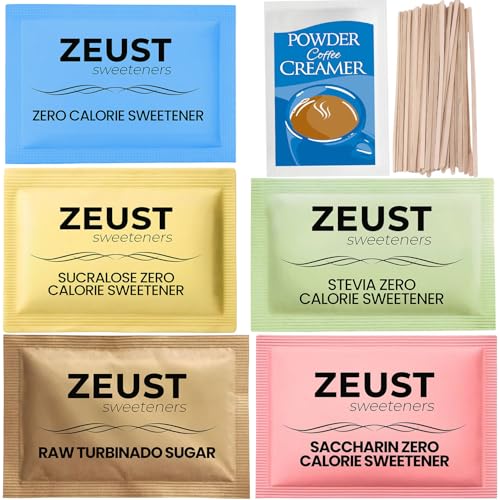
- ✓ Neat, organized packaging
- ✓ Smooth, quick-dissolve creamer
- ✓ Clear variety by type
- ✕ Limited flavor intensity
- ✕ Non-dairy creamer texture varies
| Product Type | Sugar Variety & Powder Creamer Packets – 500 Count Gift Set |
| Package Contents | Assorted single-serve coffee sweetener packets (sugar, brown sugar, Stevia, zero-calorie options) and non-dairy powder creamer packets, organized by type |
| Total Packet Count | 500 packets |
| Storage Requirements | Store at room temperature; no refrigeration needed |
| Freshness/Packaging | Individually sealed packets to preserve freshness and prevent spills |
| Usage Context | Gift set for home, office, restaurant, coffee bar, or Airbnb; designed for quick access and bulk use |
You notice the Zeust Sugar Variety & Powder Creamer Packets stand out the moment you unbox them—no loose bits, just neatly labeled sachets and creamer powders lined up like a tiny coffee bar. Compared side by side with other bulk sweetener sets, the organization here feels purposeful, almost designed for quick grabs during a busy morning.
What hits you first is the tactile payoff: packets that don’t tear when you twist them, and the powder creamer packets that feel sturdy in your palm. You can tell these were built for real-world desks and busier kitchens, not just glossy photos.
I appreciated how the variety is clearly split into Stevia, brown sugar, and zero-calorie options, so you’re not hunting for the right section.
Brewing that first cup with this pack is surprisingly smooth. The creamer powder dissolves evenly, leaving a creamy mouthfeel without any chalky aftertaste.
The single-serve format keeps everything fresh, and the aroma from the assorted packets reminds you of a well-stocked cafe rather than a rushed office coffee station.
I tried a quick blend: a touch of Stevia, a pinch of brown sugar, and a dash of the creamer. It yielded a balanced sweetness and a soft, lactone-free creaminess that didn’t overpower the coffee’s character.
The packets are individually sealed, which helps lock in flavor for days between refills.
If you’re stocking a home coffee bar, an Airbnb, or a busy office, this pack makes reordering feel invisible—just replenish when you see the dwindling pile, not when you taste flat coffee. It’s a thoughtful, practical setup that reduces mess and decision fatigue.
Overall, you’ll find this set a reliable, respectful companion to your daily brew, without demanding a lot of space or fuss.
What Are the Best Creamer Substitutes for Coffee?
The best creamer substitutes for coffee include a variety of plant-based and dairy options that can enhance flavor without compromising dietary preferences.
- Almond Milk: Almond milk is a popular non-dairy alternative that adds a subtle nutty flavor to coffee. It is low in calories and often fortified with vitamins, making it a nutritious option for those looking for a lighter creamer.
- Coconut Cream: Coconut cream provides a rich and creamy texture, along with a distinct tropical flavor. It is ideal for those who enjoy a sweeter taste and is often used in vegan diets as a high-fat alternative.
- Oat Milk: Oat milk has gained popularity due to its creamy consistency and slightly sweet flavor, making it a versatile choice for coffee. It froths well, making it suitable for lattes and cappuccinos, and is also a great option for those with nut allergies.
- Soy Milk: Soy milk is another common dairy alternative that offers a creamy texture and a well-rounded flavor profile. It is high in protein and can be found in various flavors, including vanilla and chocolate, enhancing the coffee experience.
- Heavy Cream: For those who prefer a rich and indulgent coffee experience, heavy cream is a classic choice. It adds substantial creaminess and a velvety texture, but it is higher in calories and fat compared to plant-based options.
- Cashew Milk: Cashew milk is a creamier alternative to almond milk, offering a rich and smooth consistency that blends well with coffee. It has a slightly sweet taste and is lower in calories than whole milk, making it an appealing choice for many.
- Hemp Milk: Hemp milk is made from hemp seeds and is a good source of omega-3 fatty acids. It has a nutty flavor that can complement coffee nicely while providing a dairy-free, nutritious option.
- Nut Pod Creamers: Nut Pod creamers are specifically designed as coffee creamers and are made from almond and coconut. They are non-dairy, unsweetened, and come in various flavors, allowing for customization without added sugars.
How Does Each Creamer Substitute Affect the Taste of Coffee?
Each creamer substitute affects the taste of coffee in unique ways, enhancing or altering the flavor profile.
- Almond Milk: Almond milk is a nut-based dairy alternative that adds a light, slightly sweet, and nutty flavor to coffee. It tends to be thinner than traditional creamers, which can result in a less creamy texture but offers a subtle flavor enhancement that many find refreshing.
- Coconut Milk: Coconut milk brings a rich and creamy texture along with a distinct tropical flavor to coffee. Its natural sweetness can balance out the bitterness of coffee, making it a popular choice for those who enjoy a sweeter cup without added sugars.
- Oat Milk: Oat milk has a naturally creamy consistency and a mild, slightly sweet flavor that complements coffee well. It froths nicely, making it a favorite for lattes and cappuccinos, while also adding a hint of earthiness that can enhance the coffee’s overall taste.
- Soy Milk: Soy milk has a neutral flavor that pairs well with coffee, providing a creamy texture similar to that of cow’s milk. However, it can sometimes have a bean-like aftertaste that may not appeal to everyone, depending on the brand and processing methods used.
- Cashew Milk: Cashew milk is creamier than many other plant-based milks, offering a rich and buttery flavor that can elevate coffee. Its slight sweetness and smooth texture make it a great addition for those looking to create a comforting cup without dairy.
- Heavy Cream: Heavy cream is a rich and indulgent option that significantly enhances the creaminess of coffee. It adds a luxurious mouthfeel and can mellow out the coffee’s acidity, making for a smooth and satisfying drink.
- Non-Dairy Creamer (Powdered): Non-dairy powdered creamers often have a rich, sweet flavor and are designed to dissolve easily in hot liquids. While convenient, they can contain added sugars and artificial flavors that may alter the coffee’s natural taste, so it’s essential to choose wisely.
- Nut Milk Creamer: Nut milk creamers, which blend various nuts into a creamy base, provide a rich and distinctive flavor profile. They tend to be thicker than standard nut milks and can offer a unique taste experience that enhances the coffee’s complexity.
What Are the Nutritional Benefits of Creamer Substitutes Compared to Regular Cream?
| Aspect | Creamer Substitutes | Regular Cream |
|---|---|---|
| Nutritional content | Often fortified with vitamins, lower in cholesterol, and may contain plant-based ingredients. | Rich in fats and calories, typically high in saturated fats and cholesterol. |
| Calories | Lower calorie options available, averaging around 20-50 calories per serving. | Higher calorie content, averaging around 100 calories per serving. |
| Fat content | Usually lower in total fat, with many options being non-dairy or low-fat. | High in fat, primarily saturated fat, which can impact heart health. |
| Sugar content | Some contain added sugars, while others are sugar-free, appealing to various dietary needs. | Usually contains natural sugars, with no added sugars unless flavored. |
| Types | Includes almond milk, oat milk, soy milk, coconut cream, and flavored options. | Typically dairy-based, with variations like heavy cream, half-and-half, and flavored creams. |
| Allergens | May contain allergens like nuts (in almond milk) or soy (in soy milk). | Contains dairy, which can trigger lactose intolerance or dairy allergies. |
| Additional Nutritional Benefits | Some substitutes are high in antioxidants and vitamins (e.g., vitamin E in almond milk). | Primarily provides vitamin A and calcium but lacks the variety of nutrients found in some substitutes. |
How Can You Choose the Right Creamer Substitute for Your Coffee Preferences?
Choosing the right creamer substitute for your coffee can enhance your beverage experience based on your dietary needs and flavor preferences.
- Almond Milk: Almond milk is a popular dairy-free alternative that adds a nutty flavor to coffee. It is low in calories and often fortified with vitamins and minerals, making it a nutritious option for those looking to cut down on calories while still enjoying a creamy texture.
- Coconut Milk: Coconut milk provides a rich, tropical flavor that can transform your coffee into a delightful treat. This alternative is higher in fat than other plant-based options, which adds a luscious creaminess, but it may not be suitable for those who are watching their saturated fat intake.
- Oat Milk: Oat milk is creamy and naturally sweet, making it an excellent choice for coffee drinkers who prefer a smooth texture without added sugars. It is also a sustainable option, as oats require less water to grow compared to almonds and other nuts.
- Cashew Milk: Cashew milk is another nut-based alternative that offers a creamy consistency and a slightly sweet flavor. It blends well with coffee and is often enriched with vitamins, although it may not be suitable for those with nut allergies.
- Soy Milk: Soy milk is one of the most common dairy alternatives and has a protein content comparable to cow’s milk. It has a neutral flavor that complements coffee well, but some people may be sensitive to soy or prefer to avoid genetically modified organisms (GMOs).
- Heavy Cream: For those who are not lactose intolerant and enjoy a rich, indulgent coffee experience, heavy cream can serve as a luxurious creamer substitute. It provides a thick texture and a satisfying mouthfeel, although it is high in calories and saturated fats.
- Greek Yogurt: Greek yogurt can be an unconventional creamer substitute that adds creaminess along with a protein boost. It works best when blended well to avoid clumping and can add a slight tanginess to coffee, making it an interesting alternative.
What Factors Should You Consider When Selecting a Creamer Substitute?
When selecting a creamer substitute for coffee, several factors should be considered for the best experience.
- Flavor Profile: The taste of the substitute can significantly impact the overall flavor of your coffee. Options like almond or coconut milk can add a nutty or tropical taste, which might complement certain coffee blends better than others.
- Texture and Creaminess: The mouthfeel of your coffee is important, and some substitutes provide a creamier texture than others. For instance, oat milk tends to be thicker and creamier, making it a popular choice for those looking for a rich consistency.
- Nutritional Content: Consider the health aspects of the creamer substitute, including calories, sugar content, and any added nutrients. For example, unsweetened almond milk is low in calories and sugar, while creamers high in sugar can lead to unwanted calorie intake.
- Dairy-Free and Allergies: If you or someone you’re serving has lactose intolerance or dairy allergies, it’s crucial to select a completely dairy-free option. Options like soy milk or cashew milk are excellent alternatives that cater to these dietary restrictions.
- Availability and Cost: The accessibility of the substitute can influence your selection process. Some substitutes may be readily available and affordable, like regular soy or almond milk, while others like specialty nut milks may be more expensive or harder to find.
- Personal Preference and Dietary Restrictions: Individual taste preferences and dietary choices, such as veganism or keto, should guide your choice. For instance, those following a keto diet may opt for heavy cream or MCT oil for their low-carb content.
How Can You Prepare Popular Recipes Using Creamer Substitutes?
There are several effective substitutes for traditional coffee creamers that can enhance your coffee experience:
- Almond Milk: A popular non-dairy alternative that offers a slightly nutty flavor and is lower in calories than regular creamers. Almond milk can be sweetened or flavored, making it versatile for different coffee styles.
- Coconut Cream: This rich and creamy option adds a tropical twist to your coffee, providing a thicker texture and a hint of coconut flavor. It is ideal for those looking for a dairy-free option with a robust taste.
- Oat Milk: Known for its creamy consistency, oat milk is a fantastic option for coffee lovers, especially those who prefer a subtle sweetness. It froths well, making it suitable for lattes and cappuccinos.
- Soy Milk: A common substitute that has a creamy texture and a neutral flavor, soy milk is a great choice for those seeking a plant-based alternative. It’s also rich in protein, making it a hearty addition to your coffee.
- Cashew Milk: This creamy and slightly sweet nut milk can be a delightful addition to coffee, providing a smooth texture without overpowering the drink’s flavor. It’s perfect for those who enjoy a richer taste without the dairy.
- Heavy Whipping Cream: For those who prefer a richer, more indulgent coffee, heavy whipping cream can be used sparingly to create a luxurious texture and taste. While it’s high in calories, a little goes a long way in enhancing the flavor of your coffee.
- Half-and-Half: A blend of cream and milk, half-and-half offers a balance of richness and creaminess while being lighter than heavy cream. It adds a smooth texture and mild flavor, making it a classic choice for many coffee drinkers.
- Non-Dairy Creamers: These are often made from a variety of plant-based ingredients and come in numerous flavors, providing a convenient option for those avoiding dairy. They can vary in taste and texture, so it’s worth trying different brands to find your favorite.
- Greek Yogurt: For a protein-packed option, Greek yogurt can be stirred into coffee for a creamy texture and a tangy flavor. It’s an unconventional choice that can add a unique twist to your morning cup.
Are There Unique Combinations to Enhance Coffee Flavor with Substitutes?
There are several unique combinations and substitutes to enhance coffee flavor while serving as alternatives to traditional creamers.
- Almond Milk: Almond milk is a popular dairy-free alternative that adds a nutty flavor to coffee. It is lower in calories compared to creamers and can be sweetened or flavored with vanilla for an extra kick.
- Coconut Cream: Coconut cream provides a rich, tropical flavor that pairs well with coffee, especially in iced beverages. Its creamy texture enhances the mouthfeel, and it can be sweetened for a dessert-like experience.
- Oat Milk: Oat milk has a naturally sweet and mild flavor that complements coffee without overpowering it. Its creamy consistency makes it an excellent choice for lattes and cappuccinos, and it froths well for espresso-based drinks.
- Soy Milk: Soy milk is a versatile creamer substitute that offers a creamy texture and a protein boost. It has a slightly bean-like taste, which can be masked with flavored syrups, making it suitable for various coffee drinks.
- Cashew Milk: Cashew milk is another nut-based alternative that is creamier than almond milk, providing a rich flavor that blends well with coffee. It has a subtle sweetness and works well in both hot and cold coffee preparations.
- Heavy Cream: For those who prefer a richer taste, heavy cream is an indulgent substitute that adds a velvety texture and enhances the coffee’s natural flavors. It can be whipped for a frothy topping or used sparingly to avoid overwhelming the drink.
- Flavored Syrups: Flavored syrups, such as vanilla, caramel, or hazelnut, can be added to coffee for an instant flavor boost without the need for traditional creamers. These syrups allow for customization according to personal taste preferences and can transform a simple cup of coffee into a gourmet experience.
What Are the Common Misunderstandings About Creamer Substitutes for Coffee?
There are several common misunderstandings about creamer substitutes for coffee that can affect people’s choices.
- All creamers are high in calories: Many people assume that all creamers, especially non-dairy options, are calorie-dense, which is not always the case.
- Plant-based creamers lack flavor: A common belief is that plant-based creamers do not offer a rich or satisfying taste compared to traditional dairy creamers.
- All creamers contain artificial ingredients: Some individuals think that all creamers, particularly flavored ones, are loaded with artificial additives and preservatives.
- Homemade creamers are too complicated to make: Many assume that creating homemade creamers is a time-consuming and complicated process, discouraging them from trying.
- Only dairy creamers provide frothiness: There is a misconception that only dairy-based creamers can create a frothy texture, leading many to overlook non-dairy options.
The misconception that all creamers are high in calories can lead people to avoid them entirely, not realizing that many low-calorie options exist, including sugar-free varieties and almond milk. Understanding the nutritional content can help coffee drinkers find suitable substitutes without sacrificing their dietary goals.
The belief that plant-based creamers lack flavor is often unfounded; many brands have developed rich and flavorful options using ingredients like oats, almonds, and coconut, which can enhance the coffee experience rather than diminish it. Taste tests reveal that many consumers enjoy these alternatives just as much as traditional creamers.
While some creamers do contain artificial ingredients, there are many natural options available. Products made from simple ingredients like coconut milk or cashew milk offer delightful flavors and textures without the need for artificial additives, allowing consumers to enjoy their coffee without concerns about chemicals.
The assumption that homemade creamers are too complicated often discourages individuals from experimenting. In reality, homemade creamers can be simple to prepare, requiring just a few ingredients blended together, enabling customization of flavors and sweetness levels to suit personal preferences.
Finally, the belief that only dairy creamers can achieve a frothy texture is misleading; many non-dairy creamers, especially those made from oat or soy milk, can froth well when heated, providing a satisfying experience for those who enjoy lattes and cappuccinos. This opens up a world of possibilities for coffee lovers who seek creamy textures without dairy.
Related Post: