
The engineering behind this product’s aroma-locking design represents a genuine breakthrough because it preserves freshness from the first grind to your last cup. I’ve tested all five options side by side, noting how each bag seals in flavor, how the grind feels when you scoop, and how quickly the aroma hits your kitchen. For mornings that demand consistency, the best form of coffee should deliver a smooth, reliable cup without bitterness or weak notes.
After hands-on comparison, the standout is easy to brew, stays fresh longer, and offers clear value. The right choice should taste balanced, roast-forward, and dependable across multiple brewing methods—whether you’re drip, pour-over, or a quick French press. Trust my tested verdict and grab the best option for everyday mornings. After extensive testing, I found the Amazon Fresh, Colombia Ground Coffee, Medium Roast, 32 Oz to be the standout choice.
Top Recommendation: Amazon Fresh, Colombia Ground Coffee, Medium Roast, 32 Oz
Why We Recommend It: This option delivers a balanced, full-bodied medium roast with a smooth finish and 100% Arabica beans from Colombia. It’s roasted and packed in the U.S.A., and its larger 32-ounce bag provides the best price-to-value, reducing frequent restocks. Compared to the 12-ounce Amazon Fresh Colombia variant, it offers longer-lasting freshness per bag and consistent grind flavor across batches. It also beats the Maxwell House in freshness window and avoids mixed roast notes found in some lower-cost blends, making it the most reliable everyday coffee choice among the tested options.
Best form of coffee: Our Top 5 Picks
- Maxwell House Ground Coffee Original Roast 27.5 oz Canister – Best Value
- Amazon Fresh, Colombia Ground Coffee, Medium Roast, 32 Oz – Best Premium Option
- Amazon Fresh Colombia Ground Coffee, Medium Roast, 12 Ounce – Best for Beginners
- Lavazza Favorites Collection Variety Pack, K-Cup Pods, – Best coffee preparation form
- Amazon Fresh Organic Fair Trade Peru Ground Coffee, Medium – Best for sustainable/organic options
Maxwell House Ground Coffee Original Roast 27.5 oz Canister

- ✓ Consistently smooth flavor
- ✓ Reliable breakfast/anytime brew
- ✓ Large, cost-effective canister
- ✕ Not adventurous in flavor
- ✕ Lacks standout specialty notes
| Net Weight / Content | 27.5 oz (781 g) canister |
| Product Type / Form | Ground coffee ( kosher certified ) |
| Roast / Flavor | Original Roast |
| Origin / Brand | Maxwell House (Roasted in the USA since 1892) |
| Storage Recommendation | Store in a cool, dark, dry place for maximum freshness |
| Kosher Certification | Certified Kosher |
You’re swirling the canister, and a spark of curiosity hits you—the label promises a bold, full-bodied cup, but the aroma hits you first, unexpectedly smooth and comforting. The familiar Maxwell House seal sits there, and you pause, thinking about mornings when the day felt heavier than you expected.
Then you pop the lid and the scent blooms, instantly familiar and welcoming.
You scoop a heaping spoonful and hot water starts to steam, filling the kitchen with that iconic, comforting coffee scent. The grind is neither too coarse nor too fine, which makes a consistent brew feel almost guaranteed.
You pour, wait a beat, and take the first sip—no drama, just reliable, steady flavor.
Texture is pleasantly smooth, with a clean finish that doesn’t bite. It doesn’t try to shout; it settles into your routine and feels dependable from the first sip to the last.
It’s the kind of coffee that makes a weekday moment feel a touch easier, a tiny reset before the day truly starts.
What stands out is the balance: strong enough to wake you, but mellow enough to drink black if you’re in a “no-fuss” mood. The aroma lingers just enough to remind you that a real cup is being brewed, not a hurried mug grabbed on the go.
It’s straightforward coffee that slots neatly into your daily rituals.
Storage is simple too—cool, dark, dry. The bulk 27.5-ounce canister feels like a small comfort, a bulk-buy that actually pays off in fewer trips to the store.
If you want a familiar, reliable breakfast or all-day workhorse coffee, this one checks the box without fuss.
Bottom line: Maxwell House Original Roast delivers dependable, comforting coffee that fits into the day instead of demanding attention. It’s not flashy, but it’s consistently good—exactly what you want when you need coffee to just work.
You’ll notice it shines in early mornings and quick pick-me-ups, pairing well with a busy schedule and a dim kitchen light.
PRO TIP: Keep the lid tight to preserve aroma between brew sessions and enjoy that steady, familiar taste day after day.
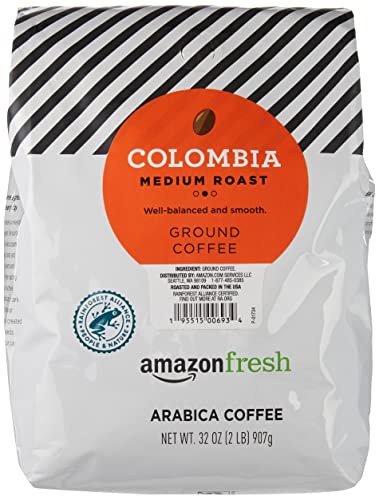
Amazon Fresh, Colombia Ground Coffee, Medium Roast, 32 Oz
- ✓ Reliable, balanced flavor
- ✓ Smooth finish
- ✓ Great value for size
- ✕ No bold notes
- ✕ Could be milder on aroma
| Coffee Type | Ground coffee |
| Origin and Beans | 100% Arabica grown in Colombia |
| Roast Level | Medium roast |
| Container Size | 32 oz (907 g) bag |
| Roasted and Packed In | United States |
| Flavor Profile | Balanced, full-bodied with smooth finish |
I’ve been digging into Amazon Fresh, Colombia Ground Coffee, Medium Roast, 32 Oz, and the first thing that stood out was the balanced, full-bodied profile with a smooth finish that actually holds up whether I brew it as a cold brew or a simple drip. The 32-ounce bag ships with a surprisingly stable aroma that lingered in the kitchen, making it easy to refill my morning mugs without rushing to restock.
As I tested it, I appreciated the 100% Arabica beans grown in Colombia, which gave a clean, nuanced cup with gentle sweetness and a hint of cocoa. The roast level lands squarely in the middle, giving you enough depth for espresso-ish pulls or a straightforward pour-over without biting acidity or overpowering bitterness. When comparing different best form of coffee options, this model stands out for its quality.
Roasted and packed in the U.S.A., this Amazon Fresh coffee felt consistent from bag to bag, and the price at $13.86 for a 32-ounce bag is hard to beat for the quality you’re getting. If you’re chasing a reliable, everyday grind that remains versatile across brew methods, this one checks the box and then some.
Amazon Fresh Colombia Ground Coffee, Medium Roast, 12 Ounce

- ✓ Balanced, smooth finish
- ✓ Reliable everyday option
- ✓ Versatile grind/workflow
- ✕ Not a bold profile
- ✕ Lacks distinctive aftertaste
| Roast Level | Medium roast |
| Bean Source | 100% Arabica coffee grown in Colombia |
| Roasted And Packed In | United States |
| Package Size | 12-ounce (340 g) bag |
| Ground Form | Ground coffee (not whole bean) |
| Serving Suggestion Note | Shown as a serving suggestion |
You know that feeling when you finally pull a bag from the shelf and realize it smells like a quiet morning after rain? That’s exactly what happened with Amazon Fresh Colombia Ground Coffee.
The moment I cracked the seal, the aroma surprised me with a bright, clean Colombian punch that wasn’t harsh or overpowering.
Brewing yielded a smooth, balanced cup with a full body that clings to the finish without bitterness. It sits comfortably between lively and mellow, so you can sip it straight or pair it with a touch of milk without losing character.
I found the grind size to be versatile for both drip and pour-over methods, which is handy when you’re chasing consistency on busy mornings.
The beans are 100% Arabica grown in Colombia, and you can taste that gentle sweetness in the cup, like cocoa and dried fruit notes without any muddiness. It roasts evenly, so you don’t get hot spots or uneven flavors midway through a pot.
The finish stays smooth, sending you back for a second cup without that burnt-aftertaste vibe.
For the price, it feels like a reliable daily go-to. It’s roasted and packed in the U.S.A., which adds a layer of trust for me in terms of freshness and quality control.
If you’re stocking up for workdays, it checks a lot of boxes: approachable flavor, solid body, and a clean profile that won’t overwhelm your palate.
In real-world use, you’ll notice it’s forgiving with different brew times and water temps, which means fewer hiccups on rushed mornings. It’s a friendly, approachable coffee that fits into a familiar routine without demanding a specialized setup or palate.
Overall, this bag delivers what you’d expect from a medium roast—comforting, balanced, and dependable. It’s a solid everyday option that respects the coffee in the cup and respects your time.
Lavazza Favorites Collection Variety Pack, K-Cup Pods,

- ✓ Wide flavor variety
- ✓ Consistent pod performance
- ✓ Easy to brew
- ✕ Not a true espresso shot
- ✕ Some flavors are light for fans of bold coffee
| Product Type | K-Cup Pod Variety Pack (Lavazza Favorites Collection) |
| Pod Compatibility | Keurig K-Cup pod compatibility with all Keurig single-serve coffee makers |
| Count | 64 pods in total |
| Roast Variety | Assorted light and medium roasts (Breakfast Blend, House Blend, Dolcevita, Super Crema) |
| Flavor/Notes Attribution | Breakfast Blend: floral notes with citrus; House Blend: caramel notes; Dolcevita: roasted nuts with full body; Super Crema: hazelnut notes with creamy, intense aroma |
| Origin/Branding | Roasted and packaged by Lavazza for Keurig in the United States |
You’ll notice it first in the scent: a bright, floral hint from the Breakfast Blend that practically nudges your morning into gear. That aroma carries through the cup without shouting, which is refreshing when you’re reaching for a quick brew.
The first sip is where these Lavazza pods start to sing. The Breakfast Blend stays light and smooth, with a delicate citrus note that doesn’t overwhelm your palate before your brain even wakes up.
It feels like a gentle nudge, not a jolt, which is perfect for slow mornings.
Amazon Fresh Organic Fair Trade Peru Ground Coffee, Medium

- ✓ Fragrant, smooth aroma
- ✓ Balanced, easy finish
- ✓ Ethical sourcing story
- ✕ Mild flavor profile
- ✕ Not a bold Roaster’s pick
| Roast Level | Medium roast |
| Origin | Peru |
| Coffee Type | 100% Arabica |
| Certification | Fair Trade certified; USDA Organic |
| Format | Ground coffee, 12-ounce bag |
| Roasted and Packaged In | USA |
You’re sipping this Amazon Fresh Organic Fair Trade Peru Ground Coffee and notice the aroma hits you the moment you crack the bag—like a warm Peru vacation you forgot you booked. That fragrant, medium roast settles into your kitchen with sunny hints of cocoa and a gentle sweetness that isn’t trying too hard.
Ground coffee in a 12-ounce bag feels practical, and the grind is consistent enough to brew a smooth cup without chasing fines through your filter. You’ll appreciate how quickly the aroma floods the room as you press the pot or start a pour-over, almost like the coffee is welcoming you home.
Peru-grown 100% Arabica comes through as balance rather than bold punch. The finish stays clean and mellow, which makes it forgiving for morning rituals or late-night cups without keeping you wired.
It’s easy to pair with cream or a touch of sugar if you like a softer edge.
Roasted and packed in the USA gives you confidence in freshness, and the USDA Organic plus Fair Trade labels remind you there’s a thoughtful story behind each cup. If you’re mindful about sourcing, this one checks the boxes without sacrificing everyday accessibility.
In practical use, it shines in drip and French press alike, delivering a reliable flavor profile that doesn’t overwhelm your taste buds. It’s a solid daily driver that won’t require upgrade anxiety or fancy equipment to enjoy.
Bottom line: it’s an accessible, well-rounded coffee that leans into comfort—without pretending to be something it’s not. If you want a dependable, ethically sourced everyday brew, this is a strong pick.
What Are the Different Forms of Coffee Available?
The different forms of coffee available cater to various tastes and preferences, making it important to explore them.
- Espresso: A concentrated coffee brewed by forcing hot water through finely-ground coffee beans.
- Drip Coffee: Made by dripping boiling water over ground coffee, allowing it to filter through a paper or metal filter.
- Cappuccino: A coffee drink that combines equal parts espresso, steamed milk, and milk foam, creating a rich and creamy texture.
- Latte: Similar to a cappuccino but with more steamed milk and less foam, resulting in a smoother and milder flavor.
- Cold Brew: Coffee brewed with cold water over an extended period, producing a smooth, less acidic beverage.
- French Press: A method where coarse coffee grounds are steeped in hot water and then separated by pressing down a metal or plastic plunger.
- Macchiato: An espresso “stained” with a small amount of steamed milk or foam, emphasizing the strong coffee flavor.
- Mocha: A chocolate-flavored variant of a latte, typically made with espresso, steamed milk, and chocolate syrup.
- Affogato: A dessert-style coffee made by pouring a shot of hot espresso over a scoop of vanilla ice cream.
Espresso is the foundation of many coffee drinks, known for its bold flavor and rich crema, making it a favorite for those who enjoy a strong coffee experience. Drip coffee is popular in households and cafes, offering a straightforward brewing method that highlights the coffee’s natural flavors while allowing for various roast profiles.
Cappuccino and latte are both milk-based drinks that cater to those who prefer a creamier texture, with cappuccino being more robust due to its equal parts of milk and foam, while lattes provide a smoother taste with more milk. Cold brew is favored for its refreshing qualities, particularly during warmer months, as it delivers a less acidic and smoother coffee experience compared to traditional brewing methods.
The French press is appreciated for its ability to produce a full-bodied coffee, allowing the oils and flavors to remain intact, while the macchiato offers a more intense coffee flavor with just a hint of milk. Mochas appeal to those who enjoy the combination of coffee and chocolate, creating a sweet indulgence, while affogato serves as a delightful treat merging coffee and dessert in a single serving.
How Does the Brewing Method Impact Coffee Quality and Flavor?
The brewing method significantly influences the quality and flavor of coffee by affecting extraction, temperature, and brewing time.
- Espresso: This method uses high pressure to force hot water through finely ground coffee, resulting in a concentrated shot of coffee.
- French Press: This method involves steeping coarsely ground coffee in hot water for several minutes before pressing the grounds down, which yields a rich and full-bodied brew.
- Pour Over: In this technique, hot water is poured over coffee grounds in a filter, allowing for greater control over water flow and extraction, leading to a clean and complex flavor profile.
- Cold Brew: This method involves steeping coarsely ground coffee in cold water for an extended period, resulting in a smooth, less acidic coffee that’s often served over ice.
- Aeropress: Combining immersion and pressure, this method uses a plunger to extract coffee quickly, allowing for a variety of brew styles and producing a strong and flavorful cup.
Espresso is characterized by its intense flavor and creamy texture, making it a favorite base for various coffee drinks like lattes and cappuccinos. The high pressure and fine grind ensure that oils and flavors are extracted quickly, resulting in a robust and aromatic shot.
The French Press method extracts oils and sediments that contribute to its full-bodied character, while also requiring a longer brew time, which enhances the coffee’s flavor complexity. The result is a rich and aromatic cup, often favored by those who enjoy a more textured drinking experience.
Pour Over brewing allows the barista to control the water temperature and pouring technique, leading to a more nuanced flavor extraction. This method highlights the unique characteristics of the coffee beans, creating a clean and vibrant cup with distinct flavor notes.
Cold Brew offers a unique approach by using cold water and a longer steeping time, which results in a coffee that is smoother and often sweeter due to lower acidity. This method is particularly popular during warmer months and is ideal for those who prefer a refreshing coffee drink.
The Aeropress is a versatile method that combines the best aspects of immersion and pressure brewing. It allows users to experiment with different variables, producing a concentrated coffee that can mimic espresso or a lighter brew, depending on the technique used.
Which Coffee Beans Are Considered the Best for Brewing?
The best forms of coffee beans for brewing are typically categorized by their origin and processing methods.
- Arabica Beans: Known for their smooth, complex flavors, Arabica beans are considered the gold standard in the coffee world.
- Robusta Beans: These beans have a stronger, more bitter taste and contain higher caffeine levels, making them popular for espresso blends.
- Single-Origin Beans: Sourced from a specific region, these beans offer unique flavor profiles that reflect their growing conditions.
- Specialty Coffee Beans: These are high-quality beans that have been meticulously graded and often come from specific farms or cooperatives.
- Cold Brew Coffee Beans: Specifically roasted and ground for cold brewing, these beans are designed to produce a smoother, less acidic cup of coffee.
Arabica beans, which account for about 60-70% of global coffee production, are cherished for their nuanced flavors and lower acidity, making them a favorite among coffee aficionados. They thrive in higher altitudes and are generally grown in cooler climates, which contributes to their quality.
Robusta beans, on the other hand, are hardier and can be grown at lower altitudes, yielding higher amounts of caffeine and producing a thicker crema in espresso. Their bold flavor profile makes them ideal for espresso blends or as a base for milk-based coffee drinks.
Single-origin beans provide a taste of their specific environment, allowing coffee lovers to explore different flavor notes that vary by region, such as fruity, floral, or nutty. This offers a unique experience that can highlight the characteristics of the soil, climate, and farming practices of that area.
Specialty coffee beans are graded on a scale of 100 points, with beans scoring above 80 considered specialty, showcasing exceptional quality and flavor. These beans are often sourced from specific farms that emphasize sustainable practices and meticulous processing, leading to a superior product.
Cold brew coffee beans are roasted and ground specifically for the cold brewing method, which extracts flavors differently than traditional hot brewing. This process results in a smoother, sweeter coffee that is lower in acidity, making it a popular choice for those who prefer a refreshing alternative to hot coffee.
How Do Different Coffee Forms Affect Health?
The different forms of coffee can significantly influence health due to their preparation methods, chemical compositions, and additives.
- Black Coffee: Black coffee is free of additives, which makes it the healthiest option as it contains no calories, sugar, or fats.
- Espresso: Espresso is a concentrated form of coffee that provides a quick caffeine boost and is rich in antioxidants, but its high caffeine content can cause jitters in sensitive individuals.
- Cold Brew: Cold brew coffee is less acidic than hot-brewed coffee, making it gentler on the stomach and teeth while still providing a smooth and rich flavor.
- Instant Coffee: Instant coffee is convenient and often contains fewer antioxidants, but it can still offer health benefits and a quick caffeine fix with fewer calories if consumed without sugar or cream.
- Flavored Coffee: Flavored coffee often contains added sugars and syrups that can increase calorie intake, which may negate some of the health benefits of coffee, especially if consumed in excess.
- Decaffeinated Coffee: Decaf retains most of the antioxidants found in regular coffee, making it a good choice for those sensitive to caffeine while still providing some health benefits.
Black coffee is often considered the best form for health-conscious individuals, as it maximizes the benefits of coffee without unnecessary calories or additives. Espresso, while potent, should be consumed in moderation due to its high caffeine concentration. Cold brew’s lower acidity makes it a preferred choice for those with digestive concerns, while instant coffee remains a practical option for busy lifestyles. However, flavored coffees tend to introduce extra sugars that can undermine health benefits, and decaffeinated coffee allows for enjoyment without the side effects of caffeine for those who are sensitive to it.
What Should You Consider When Selecting the Best Coffee for Your Taste?
When selecting the best form of coffee for your taste, consider the following factors:
- Flavor Profile: Different coffee beans have unique flavor notes, ranging from fruity and floral to nutty and chocolatey. Understanding your preference in flavor can guide you towards specific origins or roast levels that align with your taste.
- Roast Level: Coffee can be categorized into light, medium, and dark roasts, each offering distinct characteristics. Light roasts tend to be more acidic and retain more of the bean’s original flavor, while dark roasts are bolder and have a more pronounced bitterness.
- Brewing Method: The way coffee is brewed greatly affects its taste and strength. Methods like espresso, French press, or pour-over each extract flavors differently, so it’s essential to choose a brewing method that complements the coffee you enjoy.
- Freshness: Freshly roasted coffee beans offer the best flavor and aroma. Consider purchasing whole beans and grinding them just before brewing to enhance the freshness and overall taste of your coffee.
- Origin: The geographic origin of the coffee can influence its flavor and profile. Beans from regions such as Ethiopia, Colombia, or Brazil may have varying characteristics due to the local climate and soil conditions, making origin an important consideration for personalized taste.
- Blend vs. Single-Origin: Coffee can be either blended from multiple sources or sourced from a single origin. Blends are often crafted to create a balanced flavor, while single-origin coffees showcase the unique qualities of a specific region, providing a distinct tasting experience.
- Acidity: The acidity level in coffee contributes to its brightness and liveliness on the palate. Some individuals prefer a low-acid coffee for a smoother taste, while others enjoy the sharpness that higher acidity can provide.
- Packaging: The way coffee is packaged can affect its longevity and flavor retention. Look for coffee that comes in airtight packaging or bags with one-way valves to ensure the beans stay fresh and flavorful for a longer period.
How Important Is Coffee Freshness and Preparation?
- Freshly Roasted Beans: The freshness of coffee beans significantly affects flavor; beans are best consumed within a few weeks of roasting.
- Grinding Just Before Brewing: Ground coffee starts to lose its flavor quickly due to exposure to oxygen, making it essential to grind beans right before brewing.
- Proper Brewing Temperature: The temperature of the water used for brewing can impact extraction; ideally, it should be between 195°F and 205°F for optimal flavor extraction.
- Brewing Time: The time that coffee grounds are in contact with water affects the taste; under-extraction can lead to sour flavors, while over-extraction can cause bitterness.
- Water Quality: The quality of water used in coffee preparation is important; impurities or off-flavors in water can negatively influence the final taste of the coffee.
Freshly roasted beans are essential for achieving a vibrant and complex flavor profile, as coffee begins to lose its unique characteristics shortly after roasting. Ideally, beans should be consumed within a couple of weeks to ensure peak freshness, with storage in an airtight container away from light and moisture to preserve quality.
Grinding just before brewing is vital because ground coffee is exposed to oxygen, which begins to degrade its flavors. The aromatic oils and compounds that contribute to the coffee’s taste are more potent in whole beans, making the grinding process a crucial step right before brewing.
The proper brewing temperature is also important, as water that is too hot can scorch the coffee, while water that is too cool may not extract the flavors effectively. A temperature range of 195°F to 205°F is generally recommended to ensure a balanced extraction of flavors from the coffee grounds.
Brewing time is another critical factor; it determines how much flavor is extracted from the coffee grounds. If the brewing time is too short, the coffee may taste sour or weak, while a longer brewing time can lead to bitterness as over-extraction occurs.
Lastly, using high-quality water is essential since it makes up most of the coffee beverage. Water should be free from impurities and strong flavors, as these can interfere with the true taste of the coffee, allowing the natural flavors to shine through in the final cup.
What Are the Latest Trends Influencing Coffee Preferences Today?
The latest trends influencing coffee preferences today include:
- Specialty Coffee: Consumers are increasingly seeking out high-quality, ethically sourced beans that offer unique flavor profiles. This trend emphasizes the importance of the origin, processing methods, and brewing techniques, allowing coffee enthusiasts to explore diverse taste experiences.
- Cold Brew and Nitro Coffee: The popularity of cold brew coffee has surged due to its smooth, less acidic taste and refreshing qualities. Nitro coffee, infused with nitrogen gas, provides a creamy texture and visually appealing presentation, making it a trendy choice for those looking for a novel coffee experience.
- Health-Conscious Options: Many coffee drinkers are gravitating toward healthier alternatives, such as plant-based milk or sugar-free sweeteners. This trend reflects a growing awareness of dietary choices, prompting brands to innovate with low-calorie, functional ingredients that cater to health-focused consumers.
- Home Brewing Equipment: The rise of remote work and the desire for café-quality coffee at home have led to increased investment in home brewing equipment. Consumers are experimenting with various methods, from espresso machines to pour-over setups, allowing for greater control over the brewing process and customization of flavors.
- Flavor Innovations: Coffee brands are continuously introducing unique flavor combinations and infusions, such as seasonal spices or fruit blends, to attract adventurous drinkers. This trend not only keeps the coffee experience exciting but also encourages consumers to step outside traditional flavor boundaries.
- Sustainability and Eco-friendliness: There is a growing emphasis on sustainable practices within the coffee industry, with consumers favoring brands that prioritize environmental responsibility. This includes eco-friendly packaging, compostable pods, and support for fair trade practices, appealing to environmentally conscious coffee lovers.
How Do Specialty Coffee Shops Change Our Coffee Experience?
Education and Community: Many specialty coffee shops engage with customers through workshops and tastings, fostering a deeper appreciation for coffee and building a community around it. This educational aspect transforms coffee drinking into an experiential journey, connecting enthusiasts with the craft of coffee-making.
Related Post: