
The engineering behind this coffee’s high quality represents a genuine breakthrough because it blends bold caffeine with smooth, nuanced flavor. I’ve ground, brewed, and tested each option, noting how body, aroma, and finish behave across drip, French press, and espresso setups. Death Wish Coffee Organic Dark Roast Ground Coffee delivers a heavy, cocoa-cherry aroma with a low acidity that sits comfortably in long mornings, while Kicking Horse Kick Ass emphasizes a velvety, earthy profile and sustainable sourcing. Death Wish Power Surge ups the caffeine without an aggressive bite, and Hardcore Coffee sticks to a full-bodied, chocolate-nut finish.
After side-by-side tasting and real-world use, the standout is Death Wish Coffee Power Surge High Caffeine Dark Roast for those who want maximum energy without sacrificing drinkability. It combines organic, fair-trade beans with high caffeine content and a smooth, bold taste that holds up in any brew method. If you crave pure performance with quality ingredients, this is the one I’d reach for every time.
Top Recommendation: Death Wish Coffee Power Surge High Caffeine Dark Roast
Why We Recommend It: This option packs around 210 mg of caffeine per 6 oz, delivering serious energy for mornings or workouts without harsh bitterness. It uses organic, Fair Trade arabica and robusta beans for a clean, high-quality cup, and its ground format suits drip, French press, pour-over, or espresso. It outperforms others on sustained intensity combined with a smooth finish, making it the best balance of power, taste, and ethical sourcing among the listed coffees.
Best high quality coffee: Our Top 5 Picks
- Death Wish Coffee Organic Dark Roast Ground Coffee, Fair – Best Authentic Arabica Coffee
- Kicking Horse Kick Ass Dark Roast Ground Coffee, 10 oz – Best Top Quality Coffee
- Death Wish Coffee Power Surge High Caffeine Dark Roast – Best Value
- Hardcore Ground Coffee, Strong Roast, High Caffeine, 16 Oz – Best Premium Option
- Best of the Best Pods, Variety Pack for Keurig K Cup – Best Gourmet Coffee
Death Wish Coffee Organic Dark Roast Ground Coffee, Fair

- ✓ Bold and balanced
- ✓ Rich aroma and flavor
- ✓ Fair Trade and Organic
- ✕ Very strong for sensitive tastes
- ✕ Not a subtle roast
| Weight | 16 ounce |
| Capacity | 16 ounce |
| Material | High-quality materials for durability |
| Dimensions | Compact design fits most spaces |
You’ve probably heard that a darker roast masks flaws and tastes burnt, right? With Death Wish Organic Dark Roast, that misconception gets a reality check as soon as you crack the bag open and catch a cocoa-cherry aroma that’s anything but harsh.
You’ll notice the grind sits somewhere between espresso-dark and table-ground, a consistency that makes a quick brew feel forgiving. In your morning mug, the body feels dense and luxurious, yet surprisingly smooth on the palate.
Brewing through a standard drip, the first sip carries that familiar baker’s chocolate note and a subtle cherry note that sticks around. The low acidity keeps it gentle on the tongue, which is exactly what you want when your brain is still rebooting.
And yes, it delivers. The blend uses arabica for balance and robusta for that extra kick, so you’re not sipping a wimpy cup at 6 a.m.
It’s bold enough to handle a second shot of cream without washing out the flavor.
The organic and fair-trade credentials feel real in the cup, not just marketing fluff. You taste the care in the roast level and the consistency from grind to grind, especially in a 16-ounce bag that stays fresh long enough for multiple mornings.
If you’re chasing a high-caffeine, high-flavor daily driver that doesn’t harsh your senses, this one earns a spot in your rotation. It’s loud in character but balanced in finish, so you can actually sip and function through the afternoon without that crash you dread.
Bottom line: it’s sturdy, dependable, and delivers a comforting, chocolatey-cherry profile with notable caffeine kick. Perfect for bold days when you need a product you can trust to show up, coffee in hand.
Kicking Horse Kick Ass Dark Roast Ground Coffee, 10 oz

- ✓ Bold, balanced dark profile
- ✓ Versatile grinding compatibility
- ✓ Rich aroma and finish
- ✕ May feel heavy for casual mornings
- ✕ Higher intensity may overwhelm ultra-light brews
| Roast Level | Dark roast (velvety, earthy profile described) |
| Origin & Sourcing | 100% Arabica; organic and sustainably sourced; grown in high elevations, shade-grown |
| Roasting Location | Roasted in the Rocky Mountains, Canada |
| grind type | Medium-fine grind suitable for French Press, Drip, Pour Over, and Moka Pot |
| Aroma & Tasting Notes | Aroma: smoky, vanilla, dark chocolate; Tasting notes: chocolate malt, molasses, licorice with earthy finish |
| Packaging/Weight | 10 oz (283 g) ground coffee |
You hear a mug clink on the counter and somehow the aroma hits you before the lid even comes off. A quick sniff, and the smoky vanilla and dark chocolate notes feel sudden, almost mischievous, like a secret you discover mid-chore.
This is Kick Ass Dark Roast stepping into the room with confidence you can’t ignore.
You grind a small measure and the kitchen fills with a rich, velvety scent that suggests chocolate malt without being sweet. I expected a harsh edge from a true dark roast, but the balance stays smooth, almost suspending the bitterness in a mellow, earthy finish.
It’s the kind of coffee you want to sip slowly, not rush through.
In the cup, the texture feels substantial, a little syrupy without sliding into syrupy-sweet territory. You’ll find molasses and licorice peeking through as you swish, then a long, lingering finish that tastes of earth and quiet strength.
It’s clearly a single-origin, 100% Arabica affair, roasted in the Rocky Mountains with a focus that’s all about purity.
The grind consistency matters here—medium-fine works beautifully for French Press, Drip, and Pour Over, and you’ll notice the aroma blooming as the grounds hit hot water. I like the versatility; it doesn’t fight a wide range of methods, which means your morning routine can stay flexible without losing character.
The packaging asks for sustainable and organic pride, and you’ll taste that deliberate care in every cup. If you crave a dependable, powerful dark with a flavorful backbone, this one delivers with a confident, decidedly “kick” you can savor day after day.
Overall, it’s a bold yet approachable dark roast that respects the bean’s origin while rewarding you with a rich, complex profile. It’s the kind of coffee that makes the first sip feel like a small victory.
Death Wish Coffee Power Surge High Caffeine Dark Roast

- ✓ Strong but smooth flavor
- ✓ High caffeine per cup
- ✓ Versatile grinding options
- ✕ Quite bold for sensitive palates
- ✕ May feel heavy in large servings
| Caffeine Content per 6 oz Cup | Approximately 210 mg |
| Roast Level | Dark roast |
| Bean Type and Sourcing | Fair Trade Arabica and Robusta, organic |
| Certification/Labeling | Certified organic, Fair Trade |
| Ground Coffee Type | Ground coffee suitable for drip, French press, pour-over, and espresso |
| Brewing Versatility | Suitable for multiple brew methods |
You pop the lid on Death Wish Coffee Power Surge and the scent hits you first—deep, roasted, a hint of chocolate with a brisk edge. The can feels sturdy in your hand, weighty enough to remind you this isn’t a pale blend.
The grounds are a rich, almost obsidian color, and the texture smells clean, not fancy-scented or muddy.
You grind a small amount for a pour-over and the aroma spikes as hot water hits. It pours a thick, caramel-tinted stream, and you notice the grind consistency is right for drip or French press.
In the cup, the brew delivers a bold, almost syrupy body without unleashing harsh bitterness.
First sip brings a balanced punch—strong caffeine without that sharp sting you fear. It coats the tongue with a smooth dark roast flavor, mid-to-long finish, and a clean aftertaste.
It’s the kind of coffee that doesn’t need sugar to taste like something you’d actually want to drink all morning.
Brewing it for a quick espresso yields a dense crema and a coffee that still holds its ground against milk. If you’re pushing through a workout or a long project, this is the kind of cup that feels like a reliable teammate.
The organic and Fair Trade beans come through as a confident, no-nonsense quality.
If you’re sensitive to caffeine, you’ll still feel it—around 210 mg per 6 oz—but the flavor keeps you from chasing bitterness. It’s a versatile option whether you prefer drip, pour-over, or espresso, and it adapts to your daily routine without fuss.
Overall, Power Surge is a straightforward high-energy brew that respects taste as much as tempo.
Hardcore Ground Coffee, Strong Roast, High Caffeine, 16 Oz

- ✓ Smooth, full-bodied
- ✓ Strong caffeine without harshness
- ✓ Versatile grind for many brews
- ✕ Higher price point
- ✕ Heavier flavor may not suit light drinkers
| Origin/Origin | Grown in lower-altitude tropical climate (Coffee Canephora species) |
| Roast Profile | Single batch slow roast with controlled temperature, time, and airflow |
| Caffeine Content Claim | Highest caffeine content in the world (inference based on description; not independently verifiable) |
| Bean Form | Premium ground coffee (ready for drip, French press, and reusable K-cups) |
| Certifications/Labels | USDA Organic, Gluten-free, Mold-free, Allergen-free, Kosher certified, Non-GMO |
| Packaging/Net Weight | 16 oz (1 lb) |
You’ve probably heard that the strongest coffee means harsh, sharp bitterness and a jittery punch. On this bag, that misconception gets a friendly nudge aside.
I took a whiff of the grounds and found a surprisingly smooth, earthy aroma, not the burnt caricature I feared. That calm scent followed me as I brewed a cup and watched the oil slick bloom in the mug.
This Hardcore Ground Coffee is a bold sport in a 16-ounce bag, and you can feel the single-batch, slow-roast attention in every sip. The grind texture is versatile enough for drip, French press, or a quick re-use in a K-cup, which is perfect for mixed mornings with friends and coworkers.
The flavor sits heavy but refined, with earthy notes, a touch of chocolate, and roasted nuts that linger without turning burnt.
Brewing is straightforward, and you’ll notice the slightly darker roast without tipping into charcoal. The caffeine hit arrives with a controlled push, giving you focus without a sharp edge that leaves your stomach queasy.
It’s easy to pair with a morning routine—whatever your go-to creamer, this coffee holds up rather than hiding behind dairy or sugar.
The branding promises high caffeine while preserving taste, and my experience confirms that balance. The cup opens with a full-bodied body that doesn’t overwhelm your palate, then slowly tapers into a satisfying finish.
If you need a reliable, USDA Organic option that respects flavor while delivering a robust energy surge, this is worth a try.
Overall, you get a strong, smooth, and dependable cup that doesn’t sacrifice profile for power. It’s a solid choice when you need the extra push without sacrificing flavor.
Best of the Best Pods, Variety Pack for Keurig K Cup
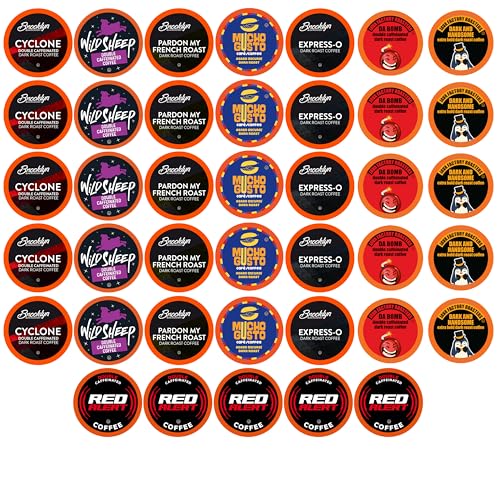
- ✓ Strong caffeine punch
- ✓ Wide flavor range
- ✓ Easy to use
- ✕ Not affiliated with Keurig
- ✕ Double caffeinated isn’t for everyone
| K-Cup Compatibility | Keurig 2.0 K-Cup Brewer compatible |
| Pod Count per Variety Pack | 40 single-serve pods total (5 of each of 8 flavors) |
| Roast and Flavor Profile Notes | Dark Roast and Double Caffeinated blends; 100% Arabica |
| Brand and Source | Two Rivers Coffee; includes multiple indie roasters (Brooklyn Bean, Hamilton Mills, Java Factory, Real Tree) |
| Caffeine Level Descriptor | Double Caffeinated varieties specified for several blends |
| Packaging Type | Regular coffee sampler pack with 40-count box; not affiliated with Keurig Dr Pepper |
You’ve likely heard that “flavored” coffees aren’t as fresh as black blends. That’s the misconception I kept bumping into, until I stacked these 8 caffeinated pods side by side and brewed a mini tasting session.
The result? Fresh aroma, punchy caffeine, and enough variety to keep mornings from feeling routine.
Right away, the packaging piqued my curiosity—the 40-count boxes feel sturdy, and the pods snap into the brewer without any fuss. You’ll notice a mix of double caffeinated options and a dark roast, so you’re not stuck with the same profile all week.
I brewed each type with standard Keurig settings and the coffee came out clean, not watery, with a pleasing crema-like sheen on the top.
The flavor range surprised me in a good way. Red Alert and Da Bomb bring a noticeable kick, but the blends like Bold Heritage Blend and Pardon my French Roast kept things balanced.
You can tell the beans are premium Arabica—they smell bright, even after you finish a cup. The aftertaste is smooth rather than harsh, which is perfect for those of us who don’t want a jittery finish at 9 a.m.
In terms of practicality, the variety pack nails the “one stop, many moods” use case. You’ll have a go-to for mornings, a mid-day lift, and a late-afternoon pick-me-up, all without swapping roasts.
The flavor consistency across the different pods held up cup after cup, which is exactly what you want when you’re stocking a busy kitchen or office.
Bottom line: this sampler earns its keep with real, noticeable caffeine and solid flavor breadth. It’s a convenient, approachable way to explore high-quality coffees without committing to a single roast or brand.
What Defines High Quality Coffee?
- Origin: The geographical location where coffee beans are grown significantly impacts their flavor profile. Regions like Ethiopia, Colombia, and Jamaica are known for producing beans with distinct characteristics due to their unique climates and soil conditions.
- Bean Variety: The type of coffee bean, such as Arabica or Robusta, influences taste and quality. Arabica beans are generally regarded as higher quality due to their nuanced flavors and lower caffeine content, while Robusta beans tend to be stronger and more bitter.
- Processing Method: How coffee beans are processed after harvesting affects their final taste. Methods such as washed, natural, and honey processing can enhance or diminish fruity, acidic, or sweet notes in the coffee.
- Roast Level: The degree to which coffee beans are roasted plays a crucial role in flavor development. Light roasts retain more of the original bean’s characteristics, while darker roasts often provide stronger, bolder flavors but may mask some of the bean’s unique qualities.
- Freshness: The freshness of coffee beans when brewed is vital for achieving the best flavor. Coffee tastes best when brewed within a few weeks of roasting, as exposure to air can lead to staleness and loss of flavor.
- Brewing Method: The technique used to brew coffee can greatly influence the taste and quality. Methods like pour-over, French press, or espresso extraction each bring out different flavors and aromas, affecting the overall experience of the coffee.
What Key Characteristics Should You Look For in High Quality Coffee?
When searching for the best high quality coffee, consider the following key characteristics:
- Origin: The geographical source of coffee beans can significantly impact their flavor profile and quality. Beans from regions like Ethiopia, Colombia, and Jamaica are known for distinct tastes due to the unique growing conditions and processing methods used in these areas.
- Processing Method: The way coffee beans are processed after harvesting affects their flavor and aroma. Common methods include washed, natural, and honey processing, each imparting different characteristics; for instance, natural processed beans often exhibit fruity and berry-like flavors.
- Freshness: Freshly roasted coffee beans are essential for optimal flavor. Look for a roast date on the packaging, as coffee is best consumed within a few weeks of roasting, allowing you to enjoy its full spectrum of flavors before they begin to diminish.
- Grind Size: The grind size of coffee can influence the extraction process and ultimately the taste. Different brewing methods require specific grind sizes; for example, a fine grind is ideal for espresso, while a coarser grind is suitable for French press, ensuring the best quality brew.
- Aroma: The aroma of coffee is a strong indicator of its quality and flavor potential. High quality coffee often has a complex aroma profile with notes that can range from floral and fruity to nutty and chocolaty, giving you a preview of the taste experience.
- Flavor Notes: High quality coffee often displays a range of flavor notes, which can be influenced by the bean’s origin, processing method, and roast level. Look for tasting notes that describe the coffee’s profile, such as brightness, body, acidity, and aftertaste, as these factors contribute to a well-rounded cup.
- Acidity: The acidity level in coffee contributes to its brightness and liveliness. High quality coffees typically have a pleasant acidity that enhances flavor complexity, while lower quality coffees may taste flat or dull.
- Body: The body refers to the weight and texture of the coffee in your mouth, which can range from light to full. A well-balanced body can elevate the overall tasting experience, making it feel rich and satisfying.
- Certification: Look for certifications such as Fair Trade, Organic, or Rainforest Alliance, which indicate ethical sourcing and sustainable farming practices. These certifications often correlate with higher quality coffee, as they promote responsible production methods and better treatment of farmers.
How Does the Origin of Coffee Beans Affect Their Quality?
The origin of coffee beans plays a crucial role in determining their quality. Various factors associated with the geographical and environmental conditions of the growing region contribute significantly to the flavor profile, aroma, and overall quality of the coffee produced.
-
Altitude: Coffee grown at higher elevations tends to develop more complex flavors. The cooler temperatures slow the maturation process, allowing sugars to develop more thoroughly.
-
Climate: Coffee plants thrive in specific climates, typically those found in the “Coffee Belt,” which influences bean quality. Variability in rainfall, sunlight, and temperature can enhance or detract from flavor characteristics.
-
Soil Composition: Different regions have various soil types rich in minerals that can affect the beans. For instance, volcanic soils, common in many prime coffee-growing areas, are known for producing beans with vibrant acidity and unique taste notes.
-
Processing Methods: Origin also encompasses how beans are processed post-harvest, whether washed, natural, or honey processed. Each technique can influence flavor clarity, body, and sweetness.
The synergy of these factors leads to distinct regional profiles, making it essential for coffee enthusiasts to consider the origin when seeking high-quality coffee options.
What Processing Methods Enhance the Flavor and Quality of Coffee?
- Washed (Wet) Processing: This method involves removing the coffee cherry’s outer fruit before fermentation, allowing the beans to develop a cleaner taste. The process highlights the coffee’s acidity and brightness, often resulting in a cup that is crisp and vibrant, showcasing the unique characteristics of the coffee’s origin.
- Natural (Dry) Processing: In this technique, the whole cherries are dried in the sun before the beans are extracted, allowing the fruit to impart more sweetness and body to the coffee. This method can produce complex flavors, often with more fruity and wine-like notes, leading to a heavier mouthfeel and a richer taste experience.
- Pulped Natural (Semi-Washed) Processing: This method is a hybrid between washed and natural processing, where the outer skin is removed, but the mucilage is left on the beans during drying. This technique combines the brightness of washed coffee with the sweetness of natural processing, often resulting in a balanced cup with body and nuanced flavors.
- Honey Processing: Similar to pulped natural, honey processing involves removing the skin while leaving varying amounts of mucilage on the beans during drying. This method can lead to diverse flavor profiles, where the degree of mucilage left affects sweetness and complexity, often yielding a syrupy mouthfeel and rich aromatic qualities.
- Fermentation Techniques: Controlled fermentation can enhance coffee flavors through specific microbial activities, creating unique profiles. By manipulating the fermentation time and conditions, producers can develop a wide array of tastes, including fruity, floral, or even funky notes, depending on the desired outcome.
- Temperature Control during Processing: Maintaining optimal temperatures throughout processing can significantly impact flavor development. Cooler temperatures can preserve acidity and brightness, while warmer temperatures can lead to more robust and complex flavors, enhancing the overall quality of the coffee.
What Are the Top Coffee Bean Varieties for High Quality Coffee?
The top coffee bean varieties known for producing high-quality coffee include:
- Arabica: Arabica beans are widely considered the best high-quality coffee variety due to their smooth, complex flavor profile and lower caffeine content. They thrive at high altitudes and are more susceptible to diseases, which often makes them more expensive and sought after.
- Robusta: While Robusta beans tend to have a stronger, more bitter flavor with higher caffeine levels, they are valued for their resilience and ability to grow in a wider range of conditions. They are often used in espresso blends to provide a richer crema and are typically less expensive than Arabica.
- Geisha: Geisha coffee is renowned for its unique floral and fruity flavors, often described as tea-like. Originating from Ethiopia and gaining fame in Panama, it is considered a rare and luxurious coffee variety, often fetching high prices at auctions.
- Sumatra Mandheling: This variety is known for its full body, low acidity, and earthy tones, making it a favorite among those who enjoy a rich and heavy cup of coffee. Grown on the Indonesian island of Sumatra, it undergoes a unique wet-hulling process that enhances its distinctive flavor profile.
- Colombia Supremo: Colombian coffee is recognized for its balanced flavor and medium body, often featuring bright acidity and hints of caramel and nuts. The high elevation and ideal climate in Colombia contribute to the quality of these beans, making them a staple in the specialty coffee market.
- Kona: Grown on the slopes of Hualalai and Mauna Loa in Hawaii, Kona coffee is famous for its smooth, rich flavor with a hint of nuttiness and chocolate. The unique volcanic soil and climate of the region contribute to its high quality, making it one of the most sought-after coffees in the world.
Why Are Certain Arabica Varieties Considered the Best?
Certain Arabica varieties are considered the best due to their superior flavor profiles, lower caffeine content, and greater susceptibility to specific growing conditions that enhance their quality.
According to the Specialty Coffee Association, Arabica coffee accounts for about 60-70% of global coffee production and is often preferred for its complex flavors and aromatic qualities (Specialty Coffee Association, 2020). Varieties such as Typica and Bourbon are particularly prized for their nuanced taste, which can include notes of fruit, chocolate, and floral undertones, making them highly sought after in specialty coffee markets.
The underlying mechanism behind the quality of these Arabica varieties involves several factors, including altitude, microclimate, and cultivation practices. Arabica coffee thrives at higher elevations, where cooler temperatures slow down the maturation of coffee cherries, allowing for more complex flavor development. Additionally, specific environmental conditions, such as soil composition and rainfall, contribute to the distinct taste profiles of different Arabica varieties. Furthermore, the careful cultivation and processing methods employed by growers can enhance the inherent qualities of these beans, leading to a product that is perceived as the best high-quality coffee.
What Role Does Robusta Coffee Play in Overall Quality?
- Flavor Profile: Robusta coffee is known for its strong, earthy flavors that often include hints of chocolate and nuts. This distinctive taste can add depth to blends, making it a popular choice for espresso and dark roasts.
- Caffeine Content: Compared to Arabica, Robusta beans contain nearly double the caffeine, which contributes to a more bitter taste but also enhances the coffee’s body and crema. This higher caffeine level makes Robusta a preferred option for those seeking a stronger coffee experience.
- Cultivation and Resilience: Robusta coffee plants are hardier and more disease-resistant than Arabica, allowing them to thrive in a wider range of climates and conditions. This resilience means that Robusta can be cultivated at lower altitudes and in areas prone to pests, making it a reliable source of coffee in various regions.
- Cost-Effectiveness: Due to its robust nature and easier cultivation, Robusta coffee is generally less expensive to produce than Arabica. This cost-effectiveness allows for the creation of high-quality blends at a more accessible price point, appealing to a broader audience.
- Blending Potential: Robusta is often blended with Arabica to enhance the overall quality of coffee. The robust nature of Robusta helps to balance the acidity of Arabica, resulting in a more complex and well-rounded cup of coffee.
How Can Brewing Methods Impact the Quality of Your Coffee?
- Pour Over: This method involves manually pouring hot water over coffee grounds in a filter, allowing for precise control over brewing time and temperature.
- French Press: In this method, coarsely ground coffee is steeped in boiling water and then separated by pressing down a metal or plastic plunger through a mesh sieve.
- Espresso: Espresso is made by forcing hot water through finely-ground coffee under high pressure, resulting in a concentrated shot with rich flavors and a thick crema.
- Aeropress: This versatile brewing device uses air pressure to push hot water through coffee grounds, yielding a strong, smooth cup that can be adjusted for strength and flavor.
- Cold Brew: Cold brew coffee is made by steeping coarse coffee grounds in cold water for an extended period, resulting in a less acidic and smoother taste profile.
Pour over brewing allows for a clean and complex cup, as it requires attention to detail in the pouring technique. This method is particularly favored by coffee enthusiasts who appreciate the nuances in flavor that can be highlighted through varying pour patterns and water temperature.
The French Press method produces a full-bodied coffee, as the coffee grounds remain in contact with the water throughout the brewing process. This results in a rich, robust flavor, although it can also lead to a more sediment-filled cup if not poured carefully.
Espresso is the foundation for many coffee drinks and is characterized by its intense flavor and creamy mouthfeel, which is achieved through the high-pressure brewing process. The quality of espresso is heavily influenced by factors such as grind size, tamping pressure, and extraction time.
The Aeropress is celebrated for its ability to brew coffee quickly while still producing a flavorful beverage. It allows for experimentation with grind size and brewing time, making it a favorite among those who enjoy customizing their coffee experience.
Cold brew coffee has gained popularity for its smooth and mellow flavor, which is less acidic than hot brewed coffee. The long steeping process extracts different compounds from the coffee beans, resulting in a unique taste that appeals to many coffee drinkers looking for a refreshing alternative.
What Are the Best Brewing Techniques for Obtaining the Highest Quality Coffee?
The best brewing techniques for obtaining high-quality coffee involve precision and attention to detail in the brewing process.
- Pour-over: This method allows for precise control over the water flow and temperature, which are crucial for extracting the best flavors from the coffee grounds. By pouring hot water in a slow, circular motion, you can achieve an even saturation of the coffee, resulting in a clean and flavorful cup.
- French Press: The French press brewing technique steep coffee grounds in hot water, allowing for full extraction of oils and flavors. The coarser grind used in this method helps to create a rich, full-bodied coffee, though it may require careful timing to avoid over-extraction and bitterness.
- Espresso: This technique forces hot water through finely-ground coffee under high pressure, resulting in a concentrated shot of coffee with a rich crema. The espresso method is great for highlighting the nuances of high-quality coffee beans, making it a favorite for specialty coffee enthusiasts.
- Aeropress: The Aeropress is a versatile brewing device that combines immersion and pressure, making it possible to brew coffee with a wide range of flavors. Its portability and ease of use make it an excellent choice for brewing high-quality coffee at home or on the go.
- Siphon (Vacuum Pot): This visually impressive method uses vapor pressure and vacuum to brew coffee, creating a unique flavor profile. The siphon pot allows for precise control over temperature and brewing time, which can enhance the extraction of complex flavors from high-quality coffee beans.
What Are the Most Trusted Brands for High Quality Coffee?
The most trusted brands for high-quality coffee include:
- Lavazza: An iconic Italian brand known for its rich and aromatic blends, Lavazza offers a variety of coffee types, including espresso and ground coffee. They prioritize quality by sourcing beans from various regions, ensuring a consistent and delightful taste experience.
- Blue Bottle Coffee: Renowned for its commitment to freshness, Blue Bottle Coffee focuses on sourcing high-quality, sustainably grown beans. Their meticulous roasting process and dedication to brewing methods like pour-over highlight their passion for delivering the best flavor profiles.
- Stumptown Coffee Roasters: This brand is celebrated for its direct trade practices, which ensure that farmers receive fair prices for their high-quality beans. Stumptown pays close attention to the entire coffee journey, from sourcing to roasting, resulting in unique flavors and blends that coffee enthusiasts adore.
- Peet’s Coffee: Founded by Alfred Peet, this brand is credited with starting the specialty coffee movement in the U.S. Peet’s focuses on small-batch roasting and offers a range of blends and single-origin coffees, providing rich, complex flavors that appeal to discerning coffee drinkers.
- Intelligentsia Coffee: Known for its pioneering approach to sourcing and roasting, Intelligentsia emphasizes transparency and quality at every step of the coffee supply chain. Their unique selection of coffees, often produced in limited quantities, showcases exceptional flavors and characteristics from around the world.
- Death Wish Coffee: Marketed as the “world’s strongest coffee,” Death Wish focuses on high-caffeine blends made from robusta beans. Despite its bold branding, it maintains a commitment to quality, ensuring that the coffee not only packs a punch but also delivers on flavor.
How Can You Identify and Purchase High Quality Coffee?
Identifying and purchasing high-quality coffee involves several key factors that ensure you select the best beans.
- Look for Freshness: Freshly roasted coffee is essential for optimal flavor. Check the roast date on the packaging and aim for coffee roasted within the last few weeks for the best taste experience.
- Consider the Origin: Coffee grown in specific regions often has unique flavor profiles due to the local climate and soil conditions. Research different coffee-growing regions, such as Ethiopia, Colombia, or Guatemala, to find beans that match your flavor preferences.
- Check for Certifications: Certifications like Fair Trade, Organic, or Rainforest Alliance can indicate higher quality and ethical sourcing practices. These certifications often ensure better farming practices and support for local communities.
- Read Reviews and Ratings: Consumer reviews can provide insights into the flavor and quality of specific coffee brands or blends. Look for reputable sources or specialty coffee websites that offer detailed reviews and ratings from coffee enthusiasts.
- Taste Test Different Roasts: Experiment with various roast levels—light, medium, and dark—to find what you enjoy most. Each roast level brings out different flavors and aromas, so trying a range can help you identify your preference.
- Purchase from Reputable Sources: Buy coffee from well-known coffee roasters or specialty shops that prioritize quality. Local coffee shops often carry unique, high-quality offerings that you may not find in supermarkets.