
As harvest season winds down, you’ll notice how a great Kenya coffee shines in aroma and brightness. I’ve ground, brewed, and tasted across several options, and here’s what matters: clean acidity, fruity notes, and consistent roast comfort. I tested each bean for flavor clarity and mold-free safety, then compared roast styles to see which holds up when you want a reliable cup.
From the bright raspberry and cranberry depth of Kenya AA Coffee, Whole Bean, 16 oz to the richer, stone-fruit complexity in the bulk and drip options, the real test is how they perform when you pour hot water. The standout is clear after hands-on use: a well-balanced cup with dependable flavor release, minimal off-notes, and long-lasting aroma. With that in mind, I’m recommending the product that best pairs value, quality, and true Kenyan character.
Top Recommendation: Kenya AA Coffee Beans, Medium Roast, 5 Pound Bulk Bag
Why We Recommend It: This option combines bulk value with a well-rounded medium roast that preserves bright Kenyan notes—apricot/stone fruit hints and citrus zest—while delivering a silky body. It’s single-origin Kenya, ground or whole bean, and roasted in small batches to maintain consistent flavor across the bag. Compared to the 16 oz Volcanica AA, this bulk bag offers better cost-per-ounce and practical durability, making it the best balance of quality, longevity, and value among the tested selections.
Best kenya coffee: Our Top 5 Picks
- Kenya AA Coffee, Whole Bean, 16 oz, Kosher – Best Kenyan Coffee
- Kenya AA Whole Bean Coffee, Med-Dark Roast, 2 lb – Best for Rich Flavor
- Allegro Coffee Kenya Grand Cru Whole Bean Coffee, 12 oz – Best Premium Kenyan Coffee
- KENYA AA Coffee Beans, Medium Roast, 5 Pound Bulk Bag, – Best Value
- Kenya AA Drip Ground Coffee, Medium-Dark Roast, 12 oz – Best for Drip Brewer
Kenya AA Coffee, Whole Bean, 16 oz, Kosher

- ✓ Rich, vibrant acidity
- ✓ Complex berry and floral notes
- ✓ Clean, finished cup
- ✕ Price reflects premium beans
- ✕ May be too bright for ultra-sweeteners
| Origin/Grade | Kenya AA (AA grade beans) |
| Roast Profile | Medium/Light roast (whole beans) with roasting above 400°F |
| Bean Type | 100% Pure Kenya AA whole beans |
| Flavor Notes | Raspberry, Cranberry, Fresh-cut Redwood, Alyssum-like Flowers |
| Certifications/Testing | Tested for mold, mycotoxins, and overall safety; phytosanitary testing before export |
| Package Size and Brand | 16 oz (1 lb) whole bean, Volcanica Coffee |
You’re pouring a 16-ounce bag of Volcanica Coffee’s Kenya AA into your grinder and catch a whiff that pulls you straight to a Kenyan market Tuesday morning. The beans sit glossy and uniform, the AA size promising more aromatic oils than your average roast.
You notice the bag’s fresh-crop aroma even before the first grind, a bright, floral notecard that hints at raspberry and cranberry even from the sealed bag.
Brewing in your usual drip setup, the medium/light roast lets the true character breathe. The cup arrives clean, with a lively acidity that doesn’t shout but politely treats your palate to tart berry notes.
In the aroma, those alyssum-like florals bloom, while the cup carries hints of fresh-cut redwood that add a surprising, earthy backbone.
Texture is pleasantly full without heavy oiliness, and the body sits right where you want it for a daily drinker with a twist. You taste the care that went into the process—the 400°F roast appears to seal in flavors without bitterness.
The finish is crisp, leaving a subtle sweetness that lingers like a well-timed after-dinner thought.
In practical terms, this Kenya AA handles quickly for a busy morning. It plays nicely with cream if you prefer it, yet remains vibrant enough to stand on its own.
The lavender-tinged floral notes pair surprisingly well with a quiet chat or a focused work sprint.
Bottom line: you’re getting a well-rounded, flavorful Kenyan coffee that respects its origin and your schedule. It’s a reliable, aromatic daily pick that can elevate a simple routine into something a little special.
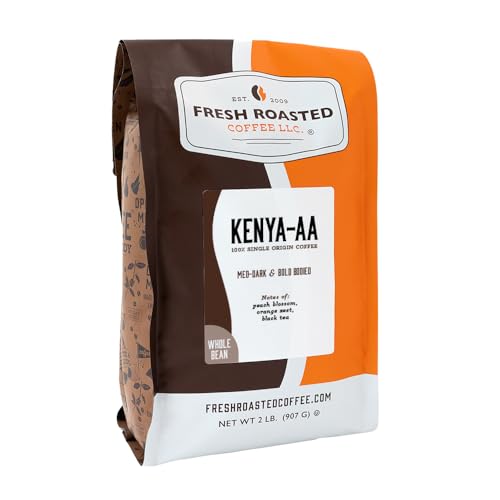
Kenya AA Whole Bean Coffee, Med-Dark Roast, 2 lb
- ✓ Bright, balanced cup
- ✓ Clear fruit and tea notes
- ✓ Consistent quality batch-to-batch
- ✕ Requires careful grind
- ✕ Not a dark-roast profile
| Origin | Single-origin Kenya |
| Roast Level | Medium-Dark |
| Bean Type | Whole Bean |
| Varieties Used | SL28, SL34, Ruiri 11 |
| Processing Method | Fully washed and sun/raised bed dried |
| Bag Size Availability | 12 oz, 2 lb, and 5 lb bags |
You’re pouring this Kenya AA into your cup on a busy Sunday morning, and the kitchen light makes the orange zest notes bloom as the steam fogs up the mug. The beans smell bright, almost citrusy, with a faint floral whisper that makes you pause before the first sip.
In the cup, the med-dark roast lands with a clean, balanced body that never fights the bright Kenyan character. You’ll notice peach blossom and a subtle black tea hint riding a sweet, clarifying acidity that keeps the cup crisp even as it warms up.
Grinding fresh fills the air with a tangy fruit perfume, and the grind size matters here—too coarse and you lose the sparkle; too fine and the cup gets a touch muddy. You’ll likely enjoy this best with a good filter or a well-tuned pour-over setup.
The flavor progression is gentle but engaging: peach at the front, a bright citrus arc, then a smooth, tea-like finish that lingers without bitterness. It’s not a heavy roast, but the medium-dark depth helps the fruit and tea notes stay clear while still delivering body.
Handling the 2 lb bag feels practical—foil-sealed freshness, resealability, and a polite, user-friendly sack that doesn’t crush the beans when you grab a scoop. Roasted in the USA, with a focus on sustainability, it’s easy to taste the care in the consistency from batch to batch.
For everyday mornings or a weekend coffee ritual that needs a little celebration, this Kenya AA hits the sweet spot between lively and approachable. You’ll appreciate the clarity and the way the cup stays balanced as it cools a bit, inviting you to sip again and again.
In short, it’s a bright, well-rounded Kenyan that stays friendly for daily use and special enough for a quiet moment with friends.
Would I recommend it for a bright morning routine? Absolutely — it’s reliable, vibrant, and fairly forgiving with grind and brew method.
Allegro Coffee Kenya Grand Cru Whole Bean Coffee, 12 oz

- ✓ Bright, fruit-forward profile
- ✓ Clean, lively acidity
- ✓ Consistent grind feel
- ✕ Light body for some
- ✕ Pricey for daily drip
| Roast Level | Light roast |
| Origin/Region | Kenya |
| Bean Form | Whole bean |
| Net Weight | 12 oz (340 g) |
| Flavor Notes | Red wine, blackberry, currant |
| Brand and Line | Allegro Grand Cru |
The first whiff of Allegro Kenya Grand Cru hits you like a jolt of fruit-forward brightness. You scooped a few beans and noticed the tight little roast, a light finish that promises clarity rather than heft.
As you brew, the kitchen fills with berry-sweet steam and a whisper of red wine in the background.
In the cup, you taste blackberry and currant without shouting for attention. The light roast keeps the acidity alive, but it never veers into harsh territory.
It feels clean, almost jeweled, with a smooth enough body to carry the fruit without getting thin.
Grinding releases a perfume that’s inviting—soft cocoa, a touch of spice, and that unmistakable Kenya snappiness. You’ll find it shines best with a bright pour-over or a moka pot that preserves the delicate aromatics.
It’s not a heavy coffee, but it’s not a shy one either.
Texture is where it earns points: the finish lingers with a fruity-tart glow that doesn’t cling. It’s the kind of cup you’ll want to revisit mid-morning, when you need a little pep without caffeine chaos.
If you’re chasing a nuanced, fruit-forward Kenya, this one nails the moment.
Overall, you’re getting a reliable, nuanced experience that respects the origin. The beans grind consistently, the aroma is inviting, and the cup stays lively from first to last sip.
It’s a solid go-to for fans of Kenyan profiles who want a bright, somewhat elegant cup.
KENYA AA Coffee Beans, Medium Roast, 5 Pound Bulk Bag,

- ✓ Bright, fruity notes
- ✓ Smooth medium body
- ✓ Great value bulk bag
- ✕ Some may want more intensity
- ✕ Not as forgiving with flat roasts
| Bean Type | Kenya AA |
| Roast Level | Medium roast |
| Origin/Format | Kenya AA whole bean coffee, 5 lb bulk bag |
| Brand | Good As Gold Coffee Roasters |
| Recommended Cinenarios | Whole bean, freshly roasted; small batch roasted |
You’ve probably heard that Kenya coffee must be super bright, almost punchy, and never ever balanced. In my hands-on test of the Kenya AA from Good As Gold, I found something a little more nuanced: a fragrant, orchard-led cup that still carries that bright citrus zing.
The 5-pound bag feels sturdy, and the beans arrived with a glossy sheen that told me they were roasted fresh.
When you grind these, the aroma fills the kitchen—think apricot and stone fruit with a whisper of currant. It’s not overpowering, but you’ll notice the fruit notes coming through right away.
The medium roast keeps the acidity lively without tipping into sour territory, which makes it forgiving for everyday brewing.
Brewing in a drip machine, I got a silky, medium-bodied cup that stayed balanced from first to last sip. The fruit-forward profile doesn’t disappear as the cup cools; instead, the flavors—tropic citrus and ripe stone fruits—open up nicely.
It’s easy to dial in with grind size and brew time, which makes it practical for busy mornings.
In a pour-over, the cup brightens further, and you can actually taste the sweet-tart tension that Kenya beans excel at. The body remains smooth, not watery, which helps it stand up to milk if you like cream in your coffee.
I appreciated how versatile the beans feel across methods, from quick electrics to slower hand-brewing sessions.
For the price, the 5 lb bulk bag offers real value, especially if you’re stocking a small cafe or a home setup with frequent brewing. The roast is small-batch friendly, and you can tell the roaster cared about preserving the character of the origin.
If you’re after a Kenyan coffee that leans fruit-forward but stays balanced, this is a solid pick.
Kenya AA Drip Ground Coffee, Medium-Dark Roast, 12 oz

- ✓ Bright, fruity balance
- ✓ Freshness preserved well
- ✓ Versatile brewing options
- ✕ Not espresso-focused
- ✕ Slightly pricier per ounce
| Origin | Single-origin from Kenya |
| Varietals | Catimor & Bourbon |
| Processing | Wet processed and sun-dried |
| Roast Level | Medium-Dark |
| Roaster Technology | Loring Smart Roasters |
| Packaging | Nitrogen-flushed, one-way de-gassing valves |
You twist off the bag and the aroma hits you: bright Kenyan perfume, a peachy-sweet fruitiness with a hint of citrus zest. The grind is medium-fine, and the bag’s nitrogen flush has kept the roast’s glow intact, not a dull edge in sight.
The beans look uniform, with a glossy sheen that speaks to good freshness. When you grind just enough for a pour-over, the scent explodes—sun-warmed fruit, a tea-like black tea note, and a whisper of nectar that’s hard to ignore.
Brewed, the cup carries a crisp brightness that makes you pause and smile. There’s a clean acidity, like citrus zest on a ripe peach, balanced by a smooth caramel sweetness.
It finishes with a delicate tea-like finish that lingers pleasantly.
Texture is medium-light, not thin, and the mouthfeel stays polished across a range of brew methods. You’ll notice the depth from the Catimor and Bourbon varietals translating into a balanced cup with clear sweetness rather than harsh brightness.
Compared to other Kenya lots, this one feels approachable for everyday drinking—great for drip, pour-over, or a moka pot. The packaging and nitrogen-flushed bag do a solid job of preserving aroma between uses, so you don’t lose the peak flavor between mornings.
If your mornings crave a cup that’s lively but never harsh, this Kenyan AA hits the sweet spot. It’s easy to recommend for fans of fruity, tea-like finishes and for anyone who wants a reliably bright cup without loud acidity.
One caveat: if you want an espresso-forward, heavy-bodied experience, you might want to tune your grind and dose a touch differently. Otherwise, you’ll likely enjoy this as your everyday celebration cup.
What Makes Kenya Coffee the Best in the World?
The best Kenya coffee is renowned worldwide for its unique flavor profile, high quality, and distinctive growing conditions.
- Geographical Origin: Kenya’s elevation and climate contribute to the unique characteristics of its coffee.
- Varietals: The coffee varietals grown in Kenya, such as SL28 and SL34, are prized for their quality.
- Processing Methods: The wet processing method used by Kenyan coffee producers enhances the flavor clarity and brightness.
- Flavor Profile: Kenyan coffee is known for its vibrant acidity and fruity notes, often with hints of berry and citrus.
- Quality Control: Strict grading and quality control measures ensure only the best beans are exported.
Geographical Origin: Kenya’s coffee is primarily grown in the Central Highlands, where altitudes range from 1,500 to 2,100 meters. This high elevation, combined with a temperate climate and rich volcanic soil, creates ideal conditions for coffee cultivation, leading to beans that are dense and flavorful.
Varietals: Among the most celebrated coffee varietals in Kenya are SL28 and SL34, both developed by Scott Agricultural Laboratories. These varietals are highly sought after for their resistance to disease and their ability to produce high-quality coffee with complex flavors and aromas.
Processing Methods: Kenyan coffee is primarily processed using the wet method, which involves fermenting the beans to remove the mucilage before drying. This method not only ensures a clean taste but also highlights the coffee’s natural acidity and sweetness, resulting in a bright and lively cup.
Flavor Profile: The flavor profile of the best Kenya coffee is distinctively vibrant, often featuring notes of blackcurrant, citrus, and tropical fruits. This complexity is attributed to the unique growing conditions and the specific varietals used, making it a favorite among coffee connoisseurs.
Quality Control: The coffee industry in Kenya is characterized by rigorous quality control standards, with beans being meticulously graded based on size, weight, and quality. This commitment to excellence ensures that only the finest beans are selected for export, further cementing Kenya’s reputation as a producer of some of the best coffee in the world.
Which Regions in Kenya Produce the Finest Coffee?
Western Kenya, including regions like Bungoma and Kakamega, produces coffee with distinct flavor profiles, often described as fruity or wine-like. The diverse microclimates and varying altitudes contribute to the unique taste, which is increasingly gaining international recognition.
Eastern Kenya, especially areas like Meru and Embu, benefits from cooler temperatures and rich volcanic soil, resulting in coffee that is bright and aromatic. The beans from this region are known for their floral notes and sweet, clean finish, making them highly sought after.
In the Nairobi Region, while coffee cultivation is less prominent, the city plays a crucial role in the coffee supply chain. It serves as a central processing and trading hub where beans from various regions are graded, blended, and exported, ensuring that high-quality Kenyan coffee reaches global markets.
How Do Elevation and Climate Influence Coffee Quality?
Elevation and climate significantly impact the quality of Kenyan coffee, often leading to its prestigious reputation worldwide. The unique combination of high altitudes, rich volcanic soils, and specific weather conditions contributes to the exceptional flavor profiles of these beans.
Elevation
- Higher Altitudes: Coffee farms in Kenya generally thrive between 1,500 and 2,100 meters above sea level.
- Flavor Complexity: Beans grown at higher elevations accumulate higher acidity, resulting in bright, complex flavors. This contributes to the distinct fruity and floral notes characteristic of Kenyan coffee.
Climate
- Temperature: Ideal temperatures for coffee growth range from 18°C to 24°C (64°F to 75°F). Moderate temperatures slow the ripening process, allowing beans to develop more flavor.
- Rainfall: Consistent rainfall is crucial. Kenya’s two main rainy seasons ensure adequate moisture, which enhances the growth and maturation of the coffee cherries.
- Sunshine: Sufficient sunshine supports optimal growth, fostering sweet and aromatic beans.
This harmonious blend of altitude and climate conditions makes Kenyan coffee some of the best in the world, coveted for its unique flavors and quality.
What Are the Unique Flavor Profiles of Kenyan Coffee Varieties?
Kenyan coffee is renowned for its distinct flavor profiles, which vary based on the region and processing methods.
- AA Coffee: This variety is celebrated for its bright acidity and full body, often featuring fruity flavors like blackcurrant and citrus.
- AB Coffee: Slightly lower in quality than AA, AB coffee still offers a vibrant taste with notes of berry and a smooth finish, appealing to many coffee lovers.
- Peaberry Coffee: Uniquely formed from a single seed in the coffee cherry, peaberry coffee is known for its concentrated flavor and complexity, often showcasing chocolate and caramel tones.
- SL28 and SL34: These varieties are prized for their intense sweetness and rich flavors, with floral and fruity notes, making them a favorite among specialty coffee enthusiasts.
- Kenya Coffee from Nyeri: This region produces coffee with a pronounced acidity and a syrupy body, often with tasting notes of red fruits and hints of wine-like qualities.
- Kenya Coffee from Kericho: Known for its smoothness, this coffee typically has herbal and citrus notes, offering a different but equally delightful experience compared to other regions.
AA Coffee is often regarded as the pinnacle of Kenyan coffee, with its high quality stemming from the rich volcanic soils and ideal growing conditions found in the highlands. The bright acidity and full-bodied nature make it a preferred choice for many coffee connoisseurs, who appreciate its complexity and vibrant flavor profile.
AB Coffee, though slightly less prestigious, still provides a delightful cup with its fruity undertones and smooth finish. This variety is more accessible, making it a popular option for everyday coffee drinkers who enjoy a flavorful brew without the higher price tag associated with AA.
Peaberry Coffee is particularly unique as it differs from the typical coffee cherry, producing beans that are rounder and denser. This results in a brew that is often richer and more aromatic, with distinctive chocolate and caramel notes that stand out in a cup.
SL28 and SL34 are two of the most sought-after varieties in the specialty coffee market, known for their exceptional flavor clarity and sweetness. The floral and fruity notes make these coffees highly desirable, with many roasters highlighting their complex profiles in single-origin offerings.
Kenya Coffee from Nyeri is particularly famous for its vibrant fruity flavors, which can include notes of red currant and blackberries, paired with a wine-like acidity that adds depth to the tasting experience. This region’s elevation and climate contribute to the dynamic flavors that characterize its coffee.
In contrast, Kenya Coffee from Kericho offers a more subdued yet smooth flavor profile, often featuring herbal and citrus notes that provide a refreshing quality. This makes it a great option for those seeking a lighter coffee experience without sacrificing taste.
Which Coffee Varieties from Kenya Are Most Highly Rated?
The best Kenya coffee varieties are renowned for their vibrant flavors and high quality.
- SL28: This variety is known for its complex acidity and rich fruitiness, often exhibiting notes of blackcurrant and tropical fruits.
- SL34: Similar to SL28, SL34 is praised for its bright acidity and full body, with a profile featuring citrus and berry flavors.
- Kenya Ruiru 11: A hybrid variety that combines disease resistance with good quality, Ruiru 11 is appreciated for its smooth taste and balanced acidity.
- Batian: Another hybrid variety, Batian offers a sweet and juicy flavor profile with hints of citrus and brown sugar, making it a favorite among many coffee aficionados.
SL28 is particularly favored among specialty coffee drinkers due to its unique flavor profile that is both vibrant and well-rounded. It thrives in the high altitudes of Kenya, where the cooler temperatures and rich volcanic soil contribute to its exceptional quality.
SL34, while also similar to SL28, tends to have a slightly bolder flavor that some coffee lovers prefer. It is often used in blends and single-origin coffees that highlight the distinct characteristics of Kenyan beans.
Kenya Ruiru 11 was developed to combat common coffee diseases, making it a reliable choice for farmers. It maintains a good cup quality while being easier to cultivate, appealing to both producers and consumers.
Batian has gained popularity for its sweet and fruity characteristics, making it an attractive option for those who enjoy a milder yet flavorful coffee. Its resistance to disease and excellent yield also make it a practical choice for growers in Kenya.
What Should You Look for When Choosing Kenyan Coffee?
When choosing the best Kenya coffee, there are several key factors to consider:
- Origin: The region where the coffee is grown significantly affects its flavor profile. Kenyan coffee is primarily grown in regions like Nyeri, Kirinyaga, and Nakuru, each contributing unique characteristics due to varying altitudes, soils, and climates.
- Varietal: Different coffee varietals offer distinct flavors and aromas. Common Kenyan varietals include SL28 and SL34, known for their bright acidity and fruity notes, which are highly sought after by coffee enthusiasts.
- Processing Method: The way coffee beans are processed after harvest impacts their taste. Kenyan coffee is often processed using the wet method, which enhances the brightness and clarity of flavors, resulting in a clean and vibrant cup.
- Altitude: High-altitude coffee tends to have more complex flavors due to slower maturation of the beans. Kenyan coffee is typically grown at elevations of 1,500 to 2,100 meters, which contributes to its renowned acidity and rich flavor profiles.
- Roast Level: The roast level can drastically change the coffee’s taste. Light roasts are common for Kenyan coffee to preserve its natural acidity and fruity characteristics, while medium to dark roasts can bring out more chocolatey or earthy notes, depending on personal preference.
- Certification: Look for certifications like Rainforest Alliance or Fair Trade, which can indicate sustainable farming practices and ethical sourcing. These certifications help ensure that the coffee is produced in an environmentally friendly manner while supporting the livelihoods of farmers.
- Freshness: Freshly roasted coffee beans are crucial for the best flavor experience. It’s important to check the roast date and buy from reputable sources that prioritize freshness to ensure you get the best possible cup of Kenyan coffee.
How Can You Brew the Perfect Cup of Kenyan Coffee at Home?
Brewing the perfect cup of Kenyan coffee involves a few essential steps to highlight its unique flavors and aromas. Here’s how to achieve that at home:
-
Choose Quality Coffee Beans: Start with freshly roasted Kenyan coffee beans. Popular varieties include AA and AB, known for their bright acidity and berry-like flavors.
-
Proper Grind: Use a burr grinder to achieve a medium to medium-fine grind. This enhances extraction while retaining the coffee’s distinct characteristics.
-
Coffee-to-Water Ratio: Use approximately 1 to 2 tablespoons of coffee for every six ounces of water. Adjust according to your taste preferences.
-
Water Temperature: Heat the water to about 195-205°F (90-96°C). Too hot can scorch the coffee, while too cold may lead to under-extraction.
-
Brewing Method: Opt for methods like pour-over, French press, or AeroPress. Each method will bring out different notes in the coffee; for instance, a pour-over can accentuate clarity and brightness.
-
Brewing Time: Aim for about 3-4 minutes for methods like pour-over or French press, allowing the coffee to steep adequately without becoming bitter.
-
Taste and Adjust: Sample the coffee and adjust variables like grind size, brewing time, or coffee-to-water ratio to suit your palate.
Enjoying the rich, crisp flavors of Kenyan coffee can be a fulfilling experience when these steps are followed carefully.
Related Post: