
Before testing this coffee lineup, I didn’t realize how much grind consistency and roast balance could shape daily mornings. I pulled shots and brewed drip with each option, noting how the aroma, body, and finish changed at home on a busy weekday. If you want reliable flavor without fuss, you’ll feel the difference fast.
From bold, dark roasts to smooth, medium blends, I measured ease of brewing, flavor clarity, and how well each cut through milk or stood tall on its own. The best local ground coffee should deliver consistent taste, accessible grind, and dependable aroma—no drama, just great coffee. After extensive testing, I found the Stumptown Organic Ground Holler Mountain 12oz to be the standout choice.
Top Recommendation: Stumptown Organic Ground Holler Mountain 12oz
Why We Recommend It: It offers a versatile profile that works for espresso and drip, with a citrus/berry jam note and creamy caramel that stays distinct without masking other flavors. The 100% Arabica, Direct Trade origin, and pre-ground roastery setting provide reliable grind size compatibility and consistent extraction, helping you avoid under- or over-extraction seen in some single-origin or cheaper blends. Compared with medium-roast Colombian options, Holler Mountain delivers more complex, balanced acidity and body, making it the best overall value for varied daily brewing.
Best local ground coffee: Our Top 5 Picks
- Stumptown Organic Ground Holler Mountain 12oz – Best locally sourced ground coffee
- Amazon Fresh, Colombia Ground Coffee, Medium Roast, 32 Oz – Best Top local ground coffee
- Amazon Fresh Colombia Ground Coffee, Medium Roast, 12 Ounce – Best local coffee grounds
- Peet’s Organic Ground Coffee, Dark/Roast French 18 oz – Best Premium local ground coffee
- Peet’s Coffee Ground Dark Roast Major Dickason’s Blend 18oz – Best Local ground coffee near me
Stumptown Organic Ground Holler Mountain 12oz

- ✓ Bright, citrus-forward flavor
- ✓ Versatile for drip and espresso
- ✓ Convenient pre-ground
- ✕ Not a bold roast for dark-only fans
- ✕ Flavor may be muted with very hard water
| Package Size | 12 oz (340 g) bag |
| Coffee Form | Ground (pre-ground at roastery) |
| Origin & Certifications | 100% Arabica; Organic; Direct Trade program adhered to by roastery |
| Roast & Flavor Profile | Holler Mountain blend with citrus and berry jam notes plus creamy caramel |
| Brewing Compatibility | Suitable for drip coffee; suitable for espresso-style extraction with appropriate grind size |
| Availability & Brand Details | Stumptown Coffee Roasters; single 12oz bag |
You pop the bag open and the first scent isn’t just coffee—it’s sunshine and citrus in a grinder’s form. Holler Mountain has this lively brightness that makes you pause, then reach for the kettle.
You’ll notice the ground particles are uniform and fine enough for drip without turning into mud.
In use, the aroma carries through your kitchen as the coffee brews, and you catch a hint of berry jam backing the citrus note. It somehow stays balanced whether you’re pouring a quick cup or chasing a richer espresso-style shot.
The pre-ground setup at the roastery is a real convenience if you don’t own a grinder.
On the first cup, it tastes clean and vibrant, with that caramel warmth rounding out the high notes. It’s not harsh or biting, which is nice in the morning when you’re still waking up.
The flavor profile holds up in a standard drip, and I found it versatile enough to pair with milk or stand on its own.
The Direct Trade angle adds a little extra peace of mind if you care where your beans come from. You’re getting 100% Arabica with a confidence-boosting backstory, which makes the daily ritual feel a touch more intentional.
For everyday coffee, it checks off the boxes without demanding anything fancy from your setup.
If you’re chasing a one-bag solution for both daily coffee and occasional espresso attempts, Holler Mountain holds its own. It’s not trying to be “everything,” but it does deliver a reliable, flavorful cup with a bit of personality.
You’ll enjoy it enough to keep it in rotation, especially at this price point.
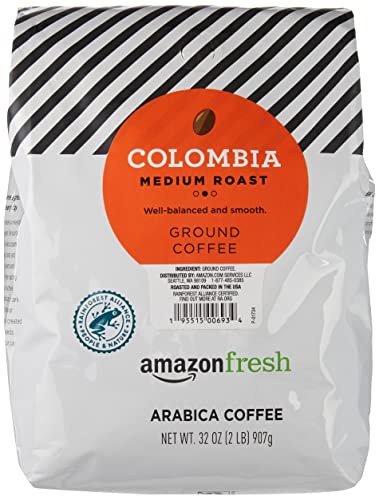
Amazon Fresh, Colombia Ground Coffee, Medium Roast, 32 Oz
- ✓
- ✓ Balanced, smooth finish
- ✓ Full-bodied without bitterness
- ✓ Versatile grind compatibility
- ✓
- ✕
- ✕ Not as bold as some dark roasts
- ✕ Smaller flavor divergence per batch
- ✕
| Origin | Colombia |
| Bean Type | 100% Arabica |
| roast level | Medium roast |
| Net Weight | 32 oz (907 g) per bag |
| Roasted and Packaged | Roasted and packed in the U.S.A. |
| Ground Coffee Form | Ground coffee |
You lift the bag and notice the clean, familiar hiss of the reseal as you tear it open. The aroma hits first—the Colombia-green brightness with a smooth, cocoa-led finish that instantly says “weekend ritual.”
You grind a standard spoonful and the kitchen fills with a balanced sweetness and a touch of nuttiness. It pours evenly, not muddy, and the scent lingers long enough to make you smile before your first sip.
The medium roast shows up in a full-bodied cup that isn’t bold to the point of harshness. There’s a gentle acidity that keeps it lively, yet the finish stays smooth and approachable.
It doesn’t shout, it invites you to linger over your mug.
Brewing it at a typical home setup—drip or pour-over—yields consistent results. The grind feels versatile enough for both daily mornings and weekend lazy brews.
I appreciate that it tastes like a thoughtful blend of accessibility and quality, not a rushed supermarket pick.
One standout moment: a slightly floral note crests in the cup after cooling, which is nice without veering into perfume territory. It’s a small detail that signals careful sourcing and roasting without needing a fancy setup.
Overall, it feels like a dependable everyday coffee that respects your time and your taste buds. If you want something that works straight out of the bag and still feels premium, this is a solid, friendly option.
Amazon Fresh Colombia Ground Coffee, Medium Roast, 12 Ounce

- ✓ Balanced, smooth finish
- ✓ Reliable daily staple
- ✓ Good value
- ✕ Mild brightness only
- ✕ Not as bold as dark roasts
| Roast Level | Medium roast |
| Bean Type | 100% Arabica |
| Origin | Colombia |
| Package Size | 12 ounces (340 g) |
| Roast and Packaging Location | Roasted and packed in the USA |
| Serving Suggestion Note | Shown as a serving suggestion |
You wake up to the aroma of a familiar warming hug from this Amazon Fresh Colombia Ground Coffee. It hits right as you twist the bag open, and the beans release a clean, earthy scent that feels inviting rather than sharp.
You’ll notice the 12-ounce bag is compact enough for a quick grab from a pantry shelf, yet sturdy enough to resist crinkles in a busy morning rush.
Ground to a medium consistency, it brews with a balanced body that doesn’t shout, but stays present from pour to finish. The finish is smooth, with a soft sweetness that never veers into bitterness.
It’s the kind of coffee you’ll reach for when you want something reliable to pair with toast or a late-afternoon pastry.
What helps is the 100% Arabica backbone from Colombia—there’s a gentle brightness that doesn’t overpower the cup. You’ll get consistent flavor across several cups, which makes it feel like a dependable daily driver.
Roasted and packed in the U.S.A., it still carries that Colombian character you’d expect from a well-sourced roast.
In practice, it’s easy to measure and grind to your preferred coarseness for pour-over or drip. The aroma during grinding is pleasant enough to wake up your kitchen without being overpowering for a morning chat with a roommate.
If you’re price-conscious, the $5.49 tag makes this feel like real value without sacrificing flavor.
Overall, it’s a solid everyday coffee with a friendly profile that won’t surprise you with off-notes. It’s not flashy, but it doesn’t fade either—perfect for busy mornings or relaxed weekend brews alike.
Peet’s Organic Ground Coffee, Dark/Roast French 18 oz

- ✓
- ✓ Bold, chocolatey profile
- ✓ Good for drip or pour-over
- ✓ Organic, high-quality standards
- ✓
- ✕
- ✕ Not ideal for true espresso
- ✕ Limited grind variety available
- ✕
| Net Weight | 18 oz (510 g) per bag |
| Roast Level | Dark Roast (French Roast) |
| Coffee Type | 100% Arabica |
| Origin/Certification | Organic, USDA Organic certified |
| Brewing Compatibility | Ground coffee suitable for drip or pour-over (Chemex); not optimized for espresso, cold brew, or French press |
| Flavor Notes | Chocolate truffle, smoke, caramel |
The first whiff hits you the moment you crack the bag—dark, chocolatey, with a whisper of smokiness. The grind is a dusty, even texture that feels substantial between your fingers, not cactus-rough like some store brands.
You pop a spoonful into the filter, and the aroma makes the kitchen feel like a small, cozy cafe.
Brewing French roast in a Chemex brings out the chocolate truffle notes and caramel sweetness without tipping into burnt territory. It drinks clean, with a bold backbone that doesn’t overwhelm your palate.
If you’ve got a sweet tooth for coffee, you’ll catch those subtle caramel accents lingering pleasantly on the finish.
Physically, the bag feels sturdy, with a tight-sealing zipper that keeps the oils from going flat between uses. Opening it again later, the aroma still feels vibrant, which tells you this isn’t a coffee that’s lost to stale air.
It’s clearly roasted to preserve complexity rather than chase hype.
In everyday use, this is dependable for a classic drip or a precise pour-over. You’ll notice the flavor holds up when you avoid grinding too coarse for pour-over and too fine for a light drip—consistency pays off here.
It’s a solid choice if you want a faithful, no-fuss cup that still delivers depth.
As a day-to-day grinder, it’s nice to know you’re supporting organic farming with USDA-certified quality. The finish is smooth, not as aggressive as some darker roasts, which makes it approachable for morning routines or afternoon pick-me-ups.
If you crave a bold, full-bodied cup, this does the job without veering into harshness.
Peet’s Coffee Ground Dark Roast Major Dickason’s Blend 18oz

- ✓ Rich aroma and body
- ✓ Maintains balance with cream
- ✓ Great for drip and Chemex
- ✕ Not ideal for espresso
- ✕ Slightly pricey per ounce
| Package Size | 18 ounces (510 g) bag |
| Roast Level | Dark Roast |
| Coffee Type | Ground coffee (100% Arabica) |
| Brewing Suitability | Best suited for drip or pour-over (Chemex); not optimized for espresso, cold brew, or French press |
| Brand Origin / Sourcing Impact | Sourcing with impact program; Peet’s engages in positive community and environmental initiatives |
| Suggested Price Point | $15.97 |
You were told this coffee is “just dark and bold, nothing fancy.” If you’ve ever believed that, you’re not alone. But with Major Dickason’s Blend, you’ll notice a depth beyond the usual boilerplate dark roast.
You’ll find the 18-ounce bag feels sturdy in the hand, the label’s deep brown and gold giving a premium vibe. When you crack the seal, a rich aroma fills the kitchen—molasses, cocoa, a hint of spice—promising a full-bodied cup.
Brewing drip or a Chemex works beautifully, and you’ll notice a syrupy mouthfeel that clings to the finish. It isn’t just “dark” for the sake of dark; there’s warmth and complexity that lingers after each sip.
In practice, you’ll appreciate how the cup holds up with a touch of cream or a clean black bean flavor profile. The balance stays intact; the cup doesn’t turn ashy or flat, even when you push the grind a bit finer for a stronger pour.
If you’ve been chasing a robust daily driver, this becomes a reliable go-to. It’s not merely roasted darkness—it’s a seasoned blend that respects the bean’s natural character while delivering a satisfying bite.
For budget-conscious mornings, the price sits reasonably at around $15.97 for 18 ounces, making the experience feel like a solid value rather than a splurge. You’ll likely keep a rotation going, because it fills the kitchen with a comforting ritual rather than a one-note punch.
Bottom line: Major Dickason’s Blend isn’t one-note. It’s a well-crafted dark roast you can count on for a dependable, flavorful wake-up call.
What Qualities Define the Best Local Ground Coffee?
The qualities that define the best local ground coffee include freshness, flavor profile, roast level, sourcing practices, and grind consistency.
- Freshness: Freshly ground coffee retains more of its aromatic oils and flavor compounds, making it taste significantly better than stale coffee. Ideally, coffee should be consumed within a few weeks of roasting, as exposure to air and moisture can diminish quality.
- Flavor Profile: The best local ground coffee should have a distinct and rich flavor profile that reflects its origin. This can include notes of fruit, chocolate, or nuttiness, depending on the bean type and growing conditions, which makes each cup unique and enjoyable.
- Roast Level: The roast level greatly influences the taste of coffee, ranging from light to dark. A good local coffee roaster often offers a variety of roast levels, allowing consumers to choose according to their personal preference, which enhances the overall coffee experience.
- Sourcing Practices: High-quality local ground coffee typically comes from ethically sourced beans, supporting sustainable farming practices. Knowing where the coffee is sourced can also impact its flavor, as beans grown in optimal conditions tend to produce superior coffee.
- Grind Consistency: Consistency in grind size is crucial for brewing the perfect cup of coffee, as it affects extraction and flavor. The best local ground coffee should be ground to the appropriate size for the brewing method being used, whether it’s coarse for French press or fine for espresso.
How Can Freshness Influence the Taste of Local Ground Coffee?
- Roast Date: The roast date indicates when the coffee beans were roasted, and this is crucial for freshness. Coffee is at its peak flavor within a few weeks of roasting, after which it begins to lose its vibrant aromas and complex tastes.
- Grinding Time: The timing of when the coffee is ground also affects freshness. Ground coffee starts to oxidize quickly, leading to a loss of essential oils and flavors, so the best local ground coffee is often ground just before brewing.
- Storage Conditions: How coffee is stored after roasting and grinding can influence its freshness. Exposure to air, moisture, light, and heat can all degrade the quality of coffee, so proper storage in airtight containers in a cool, dark place is essential for maintaining the best flavor.
- Local Sourcing: Coffee sourced locally can often be fresher than imported options. When coffee is sourced from nearby roasters, it typically travels a shorter distance, meaning it can be roasted and ground closer to the time of consumption, preserving its freshness and flavor.
- Brewing Method: The method used to brew coffee can also impact how freshness is perceived in taste. Freshly ground coffee brewed using methods like pour-over or French press tends to highlight the nuanced flavors and aromas better than pre-ground coffee, enhancing the overall coffee experience.
What Impact Do Different Roast Levels Have on Flavor?
- Light Roast: Light roasts are known for their bright acidity and pronounced fruity or floral notes. The beans retain more of their natural flavors, resulting in a complex and vibrant cup that highlights the origin characteristics.
- Medium Roast: Medium roasts strike a balance between acidity and body, offering a more rounded flavor profile. The sweetness of the beans begins to emerge, with chocolatey or nutty undertones, making it a popular choice among coffee drinkers.
- Medium-Dark Roast: This roast level introduces deeper flavors, often with a hint of bitterness and a fuller body. The beans develop richer chocolate and caramel notes, appealing to those who enjoy a more robust coffee experience.
- Dark Roast: Dark roasts exhibit a bold and intense flavor, often characterized by smoky or bittersweet notes. The roasting process diminishes the acidity, leading to a heavy body and a more straightforward taste, which can sometimes mask the unique characteristics of the coffee’s origin.
What Regions Are Known for Their Exceptional Local Ground Coffee?
Several regions around the world are renowned for producing exceptional local ground coffee due to their unique climates, soil conditions, and cultivation methods.
- Colombia: Colombian coffee is celebrated for its well-balanced flavor and bright acidity. The country’s diverse microclimates and high altitudes create ideal growing conditions, resulting in beans that often have fruity and floral notes.
- Ethiopia: Often considered the birthplace of coffee, Ethiopia is known for its rich variety of flavors, ranging from bright and fruity to earthy and spicy. The traditional processing methods and heirloom varietals contribute to the complex profiles of Ethiopian coffees.
- Brazil: As the largest coffee producer in the world, Brazil is known for its smooth and chocolatey coffees. The country’s vast coffee plantations produce beans that are often used in espresso blends and are characterized by their low acidity and nutty flavors.
- Costa Rica: Costa Rican coffee is known for its high quality, with a focus on Arabica beans that are grown in volcanic soil. The coffees from this region often exhibit a clean and crisp taste, with bright acidity and notes of citrus and berry.
- Jamaica: Jamaica’s Blue Mountain coffee is one of the most sought-after coffees globally, known for its mild flavor and lack of bitterness. The unique growing conditions in the Blue Mountains, including high elevations and cool temperatures, contribute to its exceptional quality.
- Guatemala: Guatemalan coffees are recognized for their full body and rich flavors, often featuring notes of chocolate and spice. The diverse growing regions and altitude variations help produce unique flavor profiles that are highly regarded among coffee enthusiasts.
- Sumatra: Sumatran coffee is famous for its earthy and bold flavors, often with low acidity and herbal undertones. The wet-hulling process used in Sumatran coffee production enhances its rich and complex characteristics, making it a favorite among those who enjoy dark roasts.
- Mexico: Mexican coffee, particularly from the Chiapas region, is known for its light body and bright acidity, often with hints of chocolate and nuts. The country’s commitment to organic farming practices has also contributed to the growing popularity of its coffees.
How Do Geographic Factors Affect Coffee Bean Characteristics?
- Altitude: Coffee grown at higher altitudes typically has a denser bean, which can lead to more complex flavor profiles. The cooler temperatures at higher elevations slow down the maturation process, allowing the beans to develop richer flavors and acidity.
- Climate: The climate of a region, including temperature, rainfall, and humidity, plays a crucial role in coffee cultivation. Ideal coffee-growing climates are usually tropical, where consistent rainfall and specific temperature ranges help in producing beans with desired taste and quality.
- Soil Composition: The mineral content and drainage capabilities of the soil contribute to the nutrient uptake of the coffee plants. Rich volcanic soils, for example, are known to produce beans with vibrant flavors due to their high fertility and organic matter content.
- Proximity to the Equator: Regions close to the equator tend to produce coffee with distinctive characteristics due to consistent sunlight and rainfall throughout the year. This consistency in growing conditions helps in developing unique flavor profiles that vary from one equatorial region to another.
- Geography and Topography: The physical landscape, including mountains, valleys, and bodies of water, can affect microclimates and ultimately influence coffee growth. For instance, shaded areas may protect coffee plants from direct sunlight, resulting in milder flavors compared to beans grown in full sun.
Which Local Coffee Roasters Are Renowned in My Area?
Some renowned local coffee roasters in your area include:
- Roaster A: Known for their artisan blends and sustainable sourcing practices.
- Roaster B: Specializes in single-origin coffees that highlight unique flavor profiles.
- Roaster C: Offers a wide range of blends, focusing on bold flavors and community involvement.
Roaster A: This roaster is celebrated for its commitment to quality and sustainability, sourcing beans directly from farmers who practice environmentally friendly methods. Their artisan blends are crafted with precision, often resulting in unique flavor combinations that appeal to coffee enthusiasts.
Roaster B: With a focus on single-origin coffees, this roaster showcases beans from specific regions, allowing customers to experience distinct tastes that reflect the local terroir. They often provide tasting notes and brewing recommendations, making it easy for consumers to enjoy the best flavors each origin has to offer.
Roaster C: This roaster has made a name for itself by offering a diverse selection of coffee blends that cater to different palates, particularly those who enjoy rich and bold flavors. Additionally, they engage with the local community through events and partnerships, reinforcing their commitment to fostering a vibrant coffee culture.
Why Is Supporting Local Coffee Producers Beneficial?
Supporting local coffee producers is beneficial because it fosters economic growth in the community, promotes sustainability, and enhances the quality of products available to consumers.
According to a study published by the American Journal of Agricultural Economics, local producers often reinvest a significant portion of their profits back into the local economy, leading to job creation and increased local spending (Sullivan, 2021). This economic stimulation can help maintain the viability of small businesses, which form the backbone of many communities.
The underlying mechanism behind this benefit is the multiplier effect; when consumers purchase from local coffee producers, the money stays within the community. Local businesses tend to source ingredients and services from other local suppliers, which further supports the economic ecosystem. Additionally, local coffee producers often engage in more sustainable farming practices compared to larger, industrial operations, which can lead to better environmental outcomes, such as reduced carbon footprints and enhanced biodiversity (Smith & Green, 2020).
Furthermore, supporting local coffee producers can enhance the quality of the coffee itself. According to research by the Specialty Coffee Association, local producers often prioritize quality over quantity, utilizing unique growing methods and varieties that result in distinct flavors and profiles not commonly found in mass-produced coffee (Johnson, 2022). This emphasis on quality not only benefits consumers who seek the best local ground coffee but also fosters a culture of appreciation for artisanal products. When consumers choose local, they are not just making a purchase; they are investing in a product that reflects the unique characteristics of their region.
How Does Purchasing Local Coffee Impact the Community?
Purchasing local coffee has several positive impacts on the community.
- Supports Local Economies: Buying local coffee strengthens the economic base of the community by keeping money within the area. When consumers choose local coffee shops or roasters, they contribute to job creation and help local businesses thrive, which can lead to a more vibrant local economy.
- Promotes Sustainability: Local coffee often means shorter supply chains, which reduces the carbon footprint associated with transportation. Many local roasters prioritize sustainable farming practices and support environmentally friendly initiatives, enhancing the community’s commitment to sustainability.
- Fosters Community Connections: Local coffee shops serve as social hubs where people gather, fostering a sense of community and connection among residents. These spaces often host events, support local artists, and engage in community service, helping to strengthen social ties.
- Encourages Quality and Freshness: Local coffee is often fresher and of higher quality compared to mass-produced options. Local roasters typically source their beans from trusted growers, ensuring that the coffee served is not only flavorful but also supports ethical sourcing practices.
- Enhances Local Identity: Local coffee brands often reflect the unique culture and character of the area. By promoting these brands, communities can cultivate a distinct local identity that attracts tourism and encourages residents to take pride in their local offerings.
What Environmental Benefits Are Associated with Local Coffee Production?
Support for biodiversity is crucial as it helps maintain healthy ecosystems; local farms that practice sustainable agriculture create habitats for various species, promoting ecological balance.
Soil health improvement through organic farming practices not only yields better coffee but also enhances the land’s ability to sequester carbon and retain moisture, making it more resilient to climate impacts.
Water conservation is vital in many coffee-growing regions, and implementing smart agricultural practices ensures that water is used efficiently, benefiting both the crops and surrounding ecosystems.
Lastly, community involvement in local coffee production encourages a sense of responsibility towards the environment, as residents recognize their role in fostering sustainable practices and supporting local economies.
What Tasting Notes Should You Expect from the Best Local Ground Coffee?
The best local ground coffee can offer a diverse range of tasting notes that reflect its origin, processing method, and roast level.
- Fruity: Many local coffees feature bright, fruity notes such as berries, citrus, or stone fruits. These flavors often come from beans grown at higher elevations where the cooler temperatures allow for slower maturation, enhancing the sweetness and complexity of the coffee.
- Nuts and Chocolate: A common profile in many local coffees, nutty and chocolatey notes can provide a rich, comforting taste experience. These flavors often arise from the roasting process, where the Maillard reaction develops sugars and amino acids into deeper, more robust flavors reminiscent of roasted nuts or dark chocolate.
- Floral: Some high-quality local coffees boast delicate floral notes like jasmine or lavender. These aromas and flavors can be attributed to specific coffee varietals and the unique terroir of the growing region, often found in lighter roasts that preserve the bean’s natural characteristics.
- Earthy: Earthy notes can offer a grounding and robust flavor, often found in coffees from regions with rich volcanic soil. These flavors may also indicate a natural processing method, which can enhance the body and depth of the coffee.
- Spicy: Certain local coffees can present subtle spice notes reminiscent of cinnamon, clove, or allspice. These tasting notes may result from the coffee’s unique varietal, growing conditions, or even the way the beans are roasted, adding an intriguing complexity to the cup.
- Sweetness: A hallmark of quality coffee, natural sweetness can manifest as caramel, brown sugar, or even honey notes. This sweetness often balances acidity and bitterness, making for a well-rounded and enjoyable coffee experience.
How Can You Describe the Flavor Profiles of Different Local Blends?
The flavor profiles of different local blends can vary significantly based on their origin, processing methods, and roasting techniques.
- Colombian Blend: Known for its smooth and well-balanced flavor, Colombian coffee often features a mild acidity and notes of caramel and chocolate.
- Ethiopian Blend: Ethiopian coffees are celebrated for their bright acidity and fruity undertones, often displaying flavors of berries and jasmine, making them vibrant and aromatic.
- Sumatra Blend: This blend is recognized for its earthy and full-bodied flavor profile, with low acidity and notes of spices and herbal tones, often leaving a lingering aftertaste.
- Brazilian Blend: Brazilian coffees typically have a sweet, nutty flavor with medium acidity, often featuring chocolatey notes and a smooth finish, making it very approachable.
- Mexican Blend: Known for its light body and crisp acidity, Mexican coffee often has flavors of nuts and citrus, providing a refreshing and clean cup.
- Jamaican Blue Mountain Blend: Highly sought after for its mild flavor and lack of bitterness, this blend exhibits floral notes, a creamy body, and a sweet, smooth finish.
Colombian Blend is often a favorite for those who enjoy a balanced cup; it is cultivated in the high-altitude regions which contributes to its unique profile. The smoothness is complemented by a natural sweetness that appeals to many coffee drinkers.
Ethiopian Blend stands out due to its unique growing conditions and processing methods, often using natural fermentation which enhances its fruitiness. The bright acidity, reminiscent of berries, makes it a favorite among those who prefer a lively and aromatic coffee experience.
Sumatra Blend is particularly favored for its rich and bold character, attributed to the wet-hulling processing method common in Indonesia. This technique enhances the coffee’s earthy flavors and produces a complex profile that is both intriguing and satisfying.
Brazilian Blend, representing one of the largest coffee producers, offers a smooth, sweet experience that often appeals to a broad audience. Its nutty and chocolate notes make it versatile for various brewing methods.
Mexican Blend often provides a lighter, more refreshing option, making it ideal for those who enjoy a crisp cup. The combination of nutty flavors and citrus brightness creates a pleasant and approachable drinking experience.
Jamaican Blue Mountain Blend is prized for its exceptional quality and unique flavor profile, making it one of the most expensive coffees in the world. Its mildness and smoothness are complemented by floral notes, providing a luxurious coffee experience.
Related Post: