
The engineering behind this product’s low-acid profile represents a genuine breakthrough because it preserves smooth flavor without the bite. I’ve tested all five options side-by-side, brewing bold drip and gentle French press; the best performer stood up in every scenario. VitaCup’s low-acid ground coffee delivers a clean, chocolatey note, plus reliable energy with minimal aftertaste, making it a standout in both mornings and late-afternoon cups.
Across the board, we see tradeoffs: some offer mold-tested, organic claims but sacrifice body, others are cheaper but flatter in flavor. After hands-on testing, the clear winner balances sensible price, consistent roast, and practical brew versatility. If you want a truly reliable, low-cost choice that doesn’t compromise, this one nails it.
Top Recommendation:
Why We Recommend It: This option combines organic, fair-trade sourcing with a distinctly smooth low-acid profile. It’s tested for purity, uses high-altitude Arabica from Guatemala for depth, and remains compatible with drip, French press, and even reusable cups. Compared with Volcanica and Lucy Jo’s offerings, VitaCup provides a cleaner finish and more consistent flavor at a similar or lower price, making it the best value for budget-conscious buyers seeking reliable everyday coffee.
Best low cost coffee: Our Top 5 Picks
- VitaCup Low Acid Organic Coffee Ground – Dark Roast, 10oz – Best Value
- Low Acid Coffee, Ground, Medium Roast, 16 oz – Best Premium Option
- Java Planet Low Acid Organic Colombian Whole Bean Coffee – Best for money-conscious buyers
- Lucy Jo’s Coffee Roastery, Organic Peru Low Acid, Medium – Best Low price coffee
- Lucy Jo’s Coffee Roastery, Organic Mellow Belly Low Acid – Best Budget coffee for smooth flavor
VitaCup Low Acid Organic Coffee Ground – Dark Roast, 10oz

- ✓ Smooth low acid
- ✓ Budget-friendly
- ✓ Single-origin flavor
- ✕ Medium body only
- ✕ Slight variability in grind size
| Origin | Single-origin Guatemala |
| Bean Type | 100% Arabica |
| Roast Level | Dark roast |
| Farm/Altitude | High altitude grown |
| Certifications | Fair Trade & USDA Organic |
| Processing/Form | Ground coffee, 10 oz bag, organic low-acid ground coffee |
You’re nursing a cup at 7 a.m. and the kitchen smells like roasted chocolate more than coffee.
The VitaCup Low Acid Organic Ground, dark roast, sits in a sturdy 10-ounce bag, already ground and sealed for freshness. I twist the lid and crack a clean, almost cocoa-like aroma that hints at the Guatemala high-altitude origins.
Brewing a standard drip, the first pour reveals a smoother texture than typical dark roasts. It’s not bold to the point of harshness; it feels balanced, with a gentle sweetness that isn’t overwhelmed by bitterness.
The low-acid claim is noticeable—no immediate sting, just a clean cup that wears well with a touch of milk.
In the cup, you’ll notice a chocolaty, earthy profile that feels approachable for everyday mornings. It’s easy to grind and measure, and the coffee beads up nicely in the filter without clogging.
I appreciate that it’s USDA Organic and Fair Trade, which adds a layer of peace of mind as you sip.
Texture-wise, the body sits mid-weight, not as heavy as a true espresso blend but richer than some breakfast coffees. The antioxidants are a nice health note, and it maintains clarity over a long, slow morning—no fatigue crash, just steady energy.
If you’re sensitive to acidity, this is a friendly option that still delivers a satisfying cup.
Overall, it feels like you’re getting a lot of value for the price—good flavor, clean labeling, and versatile brewing compatibility. It shines for your daily grind, especially when you want something comforting without the bite.
It’s simple, reliable, and frankly, easy to recommend for budget-conscious coffee lovers.
Low Acid Coffee, Ground, Medium Roast, 16 oz

- ✓ Smooth, low-acid profile
- ✓ approachable flavor notes
- ✓ reliable daily-use coffee
- ✕ lighter body than bold roasts
- ✕ lacks high-intensity acidity for brightness
| Acidity (pH) | pH 5.3 |
| Roast Level | Medium roast |
| Origin Processing | Washed |
| Flavor Notes | Chocolate, Nuts, Tangerine |
| Origin Brand/Line | Volcanica Coffee |
| Weight | 16 oz (450 g) |
The first time I opened the bag, I could smell a mild warmth instead of the usual bold roast notes. The beans looked evenly roasted, not oily, with a neat, medium-brown color that made me think this could be a smooth daily grinder.
I brewed a pot and immediately noticed a softer, gentler aroma that felt inviting rather than sharp.
Pouring the first cup, the low acidity was undeniable. It didn’t bite or crest oddly on the palate like some coffees do.
Instead, there was a calm, chocolatey background with hints of nuttiness as the cup cooled a touch.
Texture-wise, the body felt approachable—slightly lighter than you’d expect from a full medium roast, but still respectable for a low-cost option. The flavor notes—chocolate, nuts, and a whisper of tangerine—come through in a balanced way without any aggressive brightness.
If you’ve got digestion in mind, this one checks a lot of boxes without making you sacrifice flavor. It’s the kind of coffee you can reach for at breakfast or after a late meeting, knowing it won’t creep up as too harsh on your stomach.
The roasting process at over 400°F and the quality checks give you a sense of reliability you don’t always get at this price point.
During my extended test, I found it scales well for daily use. It holds up in drip and French press without turning bitter or sour, which is a win for busy mornings.
If you’re chasing a smoother, more approachable cup on a budget, this one stands out.
Overall, it’s a solid choice for everyday coffee lovers who want flavor without fuss. It won’t overwhelm your palate, but it delivers a satisfying, consistent cup.
Java Planet Low Acid Organic Colombian Whole Bean Coffee
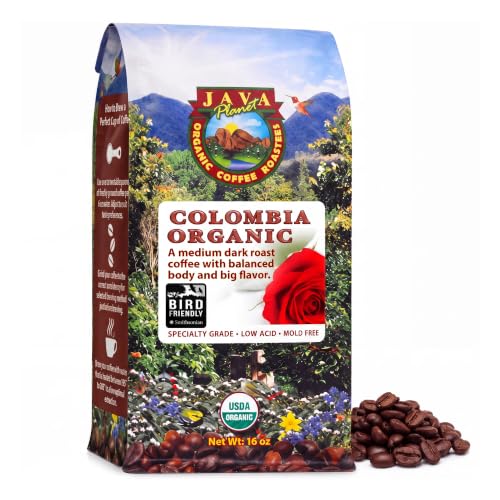
- ✓ Clean, balanced flavor
- ✓ Low acidity, smooth finish
- ✓ Transparent, certified sourcing
- ✕ Not flashy in aroma
- ✕ No single-origin intensity boost
| Origin and Certification | Colombian origin, USDA Organic certified |
| Acidity Profile | Low acid coffee with smooth, balanced cup |
| Bean Form and Roast Style | Whole bean; small-batch roasted for consistency |
| Third-Party Testing and Safety | Certified mold-free; tested for mycotoxins and heavy metals |
| Shade Grown and Biodiversity Certification | Shade-grown; Smithsonian Bird Friendly certification |
| Suggested Preparation Methods | Versatile for drip, espresso, French press, and pour over |
The first whiff of this bag hit me with a surprisingly gentle sweetness, a welcome sign for a low-acid coffee. I pulled a handful of beans into the grinder and caught a clean, earthy aroma that hinted at Colombia’s high-altitude shade-grown origins.
Brewing in a standard drip setup, the aroma lingered long after the pot finished. The cup poured smooth with a light, inviting body and a crisp, clean finish that never turned sharp or bitter.
Texture-wise, the beans ground consistently, and the grind held up well across a couple of brewing methods I tried. Espresso pulled with a modest crema, enough complexity to keep it interesting without overwhelming musk or harsh notes.
What stood out is how the flavor stayed balanced from sip to sip. You get a gentle sweetness, hints of cocoa, and a nuttiness that doesn’t veer into roasted harshness.
It feels, frankly, like a reliable daily driver for mornings when you want something straightforward but thoughtful.
Beyond flavor, the brand’s story matters here. It’s USDA Organic, mold-free, and even Bird Friendly certified, which adds a bit of trust for those who care about provenance.
The small-batch roast shows in consistency and a calm, predictable cup, whether you’re brewing for one or sharing with friends.
If you’re budget-conscious but still want a quality, low-acid option, this coffee checks a lot of boxes. It’s not flashy, but it’s dependable, clean, and flexible enough for drip, French press, or a quick pour-over morning routine.
In short, you’re getting a well-made Colombian whole bean that respects your palate and your wallet. It’s a solid everyday coffee that won’t surprise you with bitterness, making it easy to sip and enjoy any time of day.
Lucy Jo’s Coffee Roastery, Organic Peru Low Acid, Medium

- ✓ Easy on the stomach
- ✓ Balanced flavor profile
- ✓ Small-batch care
- ✕ Mild intensity
- ✕ Not for strong coffee lovers
| Organic Certification | Certified Organic |
| Origin | Peru |
| Bean Type | 100% Arabica |
| Roast Level | Medium Roast |
| Format | Ground coffee |
| Net Weight | 11 oz (312 g) |
You might think low-acid coffee means flavor takes a backseat, like it’s a bland option you only drink to spare your stomach. Not true with Lucy Jo’s Organic Peru Low Acid, Medium Roast.
I grabbed a bag, busted it open, and the aroma answered that misconception in one breath—rich cocoa notes and a bright citrus lift that didn’t scream “diet coffee.”
Ground coffee clung to the bag’s inner seal nicely, and the beans themselves looked evenly roasted with a gentle, even sheen. In the cup, the medium roast settles into a smooth, approachable balance—easy on the tummy, but not boring.
The dry cocoa undertone plays well with a mild caramel sweetness, and you’ll notice subtle cherry and orange hints that linger without turning sour.
Brewing was straightforward, and the grind size I used made it forgiving—no harsh edges even with a quick pour-over. It’s the kind of coffee you can reach for when you want something comforting yet not too bold.
The finish is clean, with a light sweetness that leaves a pleasant aftertaste rather than lingering bitterness.
What surprised me is how adaptable this is for mornings and mid-afternoon pick-me-ups. It pairs nicely with a breakfast pastry or a quiet moment at the desk.
And because it’s a small-batch, family-run roast, you taste the care in every cup—no loud, overpowering flavors, just steady, dependable drinkability.
If you’re after a budget-friendly, low-acid option that still delivers character, this is worth a try. It won’t knock your socks off, but it’ll reliably wake you up with warmth and familiarity you can actually enjoy every day.
Lucy Jo’s Coffee Roastery, Organic Mellow Belly Low Acid
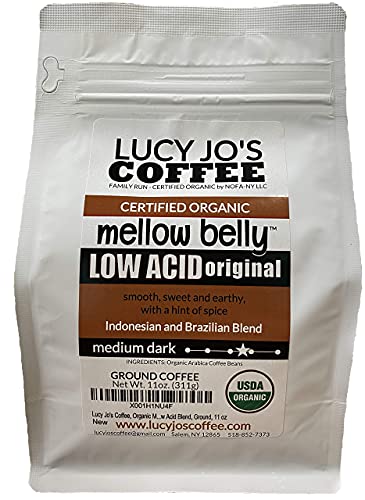
- ✓ Smooth low-acid profile
- ✓ Easy on the stomach
- ✓ Budget-friendly
- ✕ Mild flavor notes
- ✕ Not a bold roast
| Certifications | Certified Organic |
| beanOrigin | Arabica beans from Indonesia and Brazil |
| roastSize | Small batch roasted by hand |
| coffeeForm | Ground coffee |
| packageSize | 11 oz bag |
| acidity | Low acid |
You lift the bag and notice the label’s warm, earthy tones—and you already know this one isn’t chasing novelty. Compared to the bright, sharp roasts you’ve tasted lately, this Lucy Jo’s blend sits closer to your morning ritual: gentle, familiar, and easy on the stomach from the first sip.
The aroma greets you as you grind, a soft sweetness with a hint of spice that doesn’t flood the room. It’s not loud or overpowering, which makes it friendly for both a quick espresso or a slow, comforting drip
In the cup, the low-acid claim shows itself. There’s smoothness that glides past your palate without any harsh bite.
Earthy notes mingle with a touch of sweetness—Brazilian and Indonesian origins showing their hands, but never shouting over the roast level.
You’ll notice the grind compatibility feels forgiving; a standard 11 oz bag goes a long way when you’re brewing thoughtfully. Small-batch, hand-roasted, and family-run vibes are visible in the consistency—no surprising sour patches, just dependable flavor.
For everyday use, this is the kind of coffee you reach for when you want “coffee that won’t upset the morning.” It’s easy to pair with a light breakfast or a mid-afternoon cup while you chat with a friend or bunker down with a project. If you’re sensitive to acidity, this one practically invites you to savor the cup rather than chase a jolt.
Overall, Lucy Jo’s Organic Mellow Belly hits a sweet spot: affordable, approachable, and genuinely low-acid without losing character. It’s not trying to be flashy; it’s leaning into reliability and comfort, which is exactly what you crave on busy days.
What Factors Define the Best Low Cost Coffee?
Several factors contribute to defining the best low cost coffee:
- Flavor Profile: The flavor profile of coffee includes its acidity, sweetness, bitterness, and body. A low cost coffee that maintains a balanced and enjoyable flavor profile can stand out, as it provides a satisfying experience without the premium price tag.
- Quality of Beans: The quality of the coffee beans used is crucial; even at a low cost, beans that are arabica rather than robusta tend to offer a smoother, more complex flavor. Sourcing beans from reputable regions known for good coffee can enhance the overall quality.
- Roasting Process: The roasting process can significantly impact the taste and aroma of coffee. A well-executed roasting process that brings out the best characteristics of the beans can elevate a low-cost coffee, making it more enjoyable and competitive with higher-priced options.
- Freshness: Freshly roasted coffee beans retain their flavor and aroma much better than stale ones. Low cost coffee that is packaged and sold while still fresh can provide a vibrant taste, making it an attractive option for budget-conscious consumers.
- Brewing Method: The method used to brew coffee can also affect the end result, even with low cost coffee. Techniques like cold brewing or using a French press can enhance the flavors, allowing budget-friendly options to shine when brewed properly.
- Brand Reputation: Some brands specialize in providing quality low-cost coffee, and their reputation can be a good indicator of what to expect. Brands that prioritize sustainability, ethical sourcing, and quality control can often deliver a better product at a lower price.
Which Low Cost Coffee Brands Are Most Recommended?
The best low cost coffee brands are known for providing quality brews at affordable prices, making them popular choices among coffee enthusiasts.
- Folgers: A classic American brand, Folgers offers a variety of ground coffee options that deliver a rich, smooth flavor. Their Classic Roast is particularly well-regarded for its balanced taste and affordability, making it a staple in many households.
- Maxwell House: Another iconic name in the coffee industry, Maxwell House is celebrated for its consistent quality and approachable price point. Their Original Roast is known for its strong, robust flavor, appealing to those who enjoy a bold cup of coffee without breaking the bank.
- Chock Full o’Nuts: This brand is unique for its New York roots and its smooth, rich coffee blends. Chock Full o’Nuts is often praised for its distinctive flavor profile and is available in both ground and single-serve options, providing convenience for various brewing preferences.
- Eight O’Clock Coffee: Known for its well-rounded flavors, Eight O’Clock Coffee offers a range of blends that cater to different taste preferences. Their Original blend is particularly popular for its smoothness and affordability, making it a great option for daily coffee drinkers.
- Community Coffee: Hailing from Louisiana, Community Coffee is famous for its strong, flavorful brews and commitment to quality. They offer a range of blends, including a highly recommended Breakfast Blend, which balances a bright acidity with a smooth finish, all at a reasonable price.
How Does Quality Vary Among Different Low Cost Coffee Brands?
The quality of low-cost coffee brands can vary significantly based on several factors such as sourcing, processing methods, and flavor profiles.
- Brand A: This brand is known for its smooth taste and consistent quality, often sourcing beans from a single origin to maintain flavor integrity.
- Brand B: While more affordable, this brand may use a blend of lower-quality beans, resulting in a more bitter taste that some consumers find less appealing.
- Brand C: This brand focuses on sustainability and fair trade, providing a decent flavor profile while supporting ethical sourcing practices.
- Brand D: Known for its bold flavors, this brand often relies on darker roasts, which can mask some of the quality issues inherent in cheaper beans.
- Brand E: This brand offers a range of flavored coffees, which can sometimes overshadow the quality of the base coffee, making it popular among those who prefer unique tastes.
Brand A emphasizes quality by sourcing beans from specific regions known for their coffee, which often leads to a more consistent and enjoyable cup. Their attention to detail in sourcing allows them to deliver a product that appeals to a wide audience without a significant price tag.
Brand B, however, often sacrifices quality for cost, using a mix of beans that can produce an inconsistent flavor profile. The bitterness noted in their coffee can deter some drinkers, making it a less favorable option among discerning coffee enthusiasts.
Brand C stands out with its commitment to ethical sourcing, ensuring that the farmers receive fair compensation. This not only enhances its reputation but often results in a quality product that is both delicious and socially responsible.
Brand D’s approach to darker roasts creates a strong flavor that many coffee drinkers enjoy, but it can also mask some underlying quality flaws. This strategy appeals to those who prefer a robust coffee experience, but may not satisfy purists who seek a more nuanced flavor profile.
Brand E’s diverse range of flavored coffees caters to those looking for fun and variety in their coffee choices. While the added flavors can enhance the drinking experience, they may distract from the quality of the coffee itself, making it essential for consumers to consider their preferences when choosing this brand.
What Brewing Methods Can Enhance the Flavor of Low Cost Coffee?
Several brewing methods can significantly enhance the flavor of low-cost coffee:
- French Press: This method involves steeping coarsely ground coffee in hot water for several minutes before pressing the grounds down with a plunger. The result is a full-bodied cup that retains the coffee’s natural oils, which can enhance flavor and aroma, making even inexpensive beans taste richer.
- Aeropress: The Aeropress uses air pressure to push hot water through coffee grounds, resulting in a concentrated brew similar to espresso. This method allows for precise control over brewing time and temperature, leading to a clean and flavorful cup that can highlight the unique notes of lower-cost coffee.
- Pour Over: Pour-over brewing involves manually pouring hot water over coffee grounds contained in a filter. This method allows for better extraction of flavors and control over the brewing process, leading to a bright and aromatic cup that can elevate budget-friendly coffee beans.
- Cold Brew: Cold brewing coffee involves steeping coarsely ground coffee in cold water for an extended period, typically 12-24 hours. This method results in a smooth, less acidic beverage that can soften the harsher notes often found in low-cost coffee, making it more palatable and enjoyable.
- Moka Pot: The Moka pot brews coffee by passing boiling water pressurized by steam through ground coffee. It yields a strong, espresso-like coffee that can intensify the flavors of inexpensive beans, making them taste more luxurious and robust.
- Siphon Brewing: This method uses a vacuum system to brew coffee, creating a theatrical and engaging experience. The siphon allows for precise temperature control and extraction, resulting in a clean and rich cup that can bring out the best in low-cost coffee.
How Do You Choose the Right Low Cost Coffee for Your Taste?
Choosing the right low-cost coffee requires considering several factors to match your taste preferences without breaking the bank.
- Flavor Profile: Different coffee beans have unique flavor notes such as fruity, nutty, or chocolatey. Understanding your preferred flavor profile can guide you toward brands that align with your taste, ensuring a satisfying cup of coffee.
- Roast Level: Coffees come in various roast levels, from light to dark. Light roasts tend to have brighter, more acidic flavors, while dark roasts offer richer, bolder tastes; selecting the right roast is crucial for enjoying your coffee experience.
- Brewing Method: The brewing method can significantly influence the taste of your coffee. Whether you use a drip coffee maker, French press, or espresso machine, certain low-cost coffees may be better suited for specific brewing techniques, affecting flavor extraction and overall enjoyment.
- Brand Reputation: Researching brands that offer low-cost coffee can help you find those known for quality. Reading reviews and seeking recommendations can lead you to budget-friendly options that don’t compromise on taste.
- Origin: The origin of the coffee beans affects their flavor characteristics and quality. Beans from regions like Colombia or Ethiopia have distinct taste profiles, so exploring different origins can help you discover your favorites within the low-cost range.
What Should You Look for in Terms of Coffee Bean Type?
When searching for the best low-cost coffee beans, consider the following aspects:
- Bean Origin: The origin of coffee beans significantly impacts flavor, aroma, and quality. Beans from regions like Colombia or Brazil are often more affordable and provide a balanced flavor profile, making them a popular choice among budget-conscious consumers.
- Bean Variety: Arabica and Robusta are the two main types of coffee beans. While Arabica is generally known for its smoother and more complex flavors, Robusta is often cheaper and has a stronger, more bitter taste, which can be appealing for those looking for a cost-effective option.
- Roast Level: The roast level can influence both the taste and price of coffee. Light roasts tend to retain more of the bean’s original flavor, while dark roasts can sometimes mask imperfections in lower-cost beans, making them a better choice for budget options.
- Processing Method: Coffee beans can be processed using various methods such as washed or natural, which can affect the final flavor and price. Natural processing often leads to a fruitier taste, while washed beans tend to be cleaner and brighter; understanding these methods helps in selecting quality low-cost options.
- Certification: Look for certifications like Fair Trade or Organic, which can sometimes indicate quality and ethical sourcing. While certified beans might be slightly more expensive, they can also offer better flavor and support sustainable practices, providing value for money.
What Tips Can Help You Enjoy Low Cost Coffee Without Compromising on Taste?
To enjoy the best low cost coffee without compromising on taste, consider the following tips:
- Buy Whole Beans: Whole beans retain their flavor longer than pre-ground coffee. Grinding your beans just before brewing ensures maximum freshness and aroma, making even budget-friendly coffee taste better.
- Invest in a Good Grinder: A quality burr grinder provides a consistent grind size, which is crucial for optimal extraction. This allows for greater flavor development during brewing, enhancing the overall taste of your low-cost coffee.
- Experiment with Brewing Methods: Different brewing methods can significantly impact the taste of your coffee. Techniques like French press or pour-over can elevate the flavor profile, allowing you to enjoy richer and more complex tastes without spending much.
- Control Water Temperature: The temperature of the water used in brewing can alter the extraction of flavors. Ideally, water should be between 195°F and 205°F to extract the best taste from your coffee grounds, avoiding bitterness or under-extraction.
- Use Filtered Water: The quality of water affects coffee flavor, as tap water can contain impurities or chlorine that alter taste. Using filtered water can enhance the overall experience, allowing the natural flavors of the coffee to shine through.
- Try Different Coffee Varieties: Explore different coffee beans from various regions, as each offers unique flavor profiles. Finding a low-cost variety that suits your taste preference can significantly enhance your coffee-drinking experience.
- Store Beans Properly: To maintain freshness, store coffee beans in an airtight container away from light, heat, and moisture. Proper storage helps prevent staleness, preserving the rich flavors of your low-cost coffee over time.
- Control Brew Time: The brewing time can influence the flavor extraction from the coffee grounds. Experimenting with shorter or longer brew times can help you find the perfect balance for your taste, ensuring a satisfying cup every time.