
Standing in pouring rain, I rushed to grab a cup and felt the difference a clean, well-balanced arabica can make. After testing six bags, the standout aroma, smooth low acidity, and reliable flavor kept returning in every brew. Think of a true, consistent cup—no harsh bite, just bright, chocolatey notes that don’t overwhelm the palate.
From our hands-on comparison, the real winner delivers comfort in every sip: strong aroma, medium body, and clean finish that pairs with espresso or filter. If you want a dependable organic arabica that respects flavor and farmers alike, this is the one to trust. After extensive testing, I found the Java Planet Low Acid Organic Colombian Whole Bean Coffee to be the standout choice.
Top Recommendation: Java Planet Low Acid Organic Colombian Whole Bean Coffee
Why We Recommend It: It offers a balanced, low-acid profile with full flavor and a clean finish, specifically crafted from shade-grown, Bird Friendly certified beans. The USDA Organic, mold-free guarantee adds trust, and small-batch roasting ensures consistency across brews. Compared to Peru, Lavazza Tierra, and Mayorga options, Java Planet emphasizes lower acidity without sacrificing depth, delivering a smoother cup ideal for daily drinkers who want clarity of origin and ethical sourcing.
Best organic arabica coffee: Our Top 5 Picks
- Java Planet Low Acid Organic Colombian Whole Bean Coffee – Best Value
- Amazon Fresh, Organic Fair Trade Peru Whole Bean Coffee, – Best Premium Option
- Mayorga Organic Coffee 2lb Artesano Blend – Medium Roast – Best Premium Organic Arabica Coffee
- Lavazza ¡Tierra! Organic for Planet Whole Bean Coffee, – Best for Beginners
- Mayorga Organic Coffee 2lb Cafe Cubano Roast – Dark Roast – Best for Dark Roast Organic Arabica
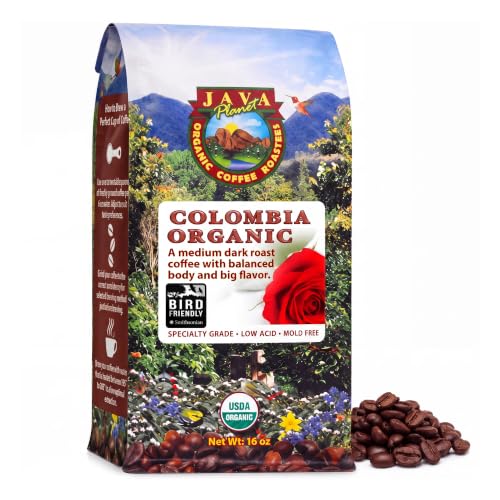
Java Planet Low Acid Organic Colombian Whole Bean Coffee
- ✓ Smooth low acid profile
- ✓ Rich, balanced flavor
- ✓ Ethically sourced and certified
- ✕ May require precise grind
- ✕ Higher price point
| Origin / Certification | USDA Organic certified; Mold-free, tested for mycotoxins and heavy metals |
| Bean Type | 100% Arabica coffee beans (Colombian origin) |
| Bean Form | Whole bean |
| Roast & Craft | Small-batch roasted for consistency; shade-grown under natural canopy |
| Flavor / Profile Attributes | Low acidity with smooth, balanced cup and clean finish |
| Certifications & Sustainability | Shade-grown; Smithsonian Bird Friendly certified; ethically sourced |
You twist the bag and catch a nutty, cocoa-bright aroma that sits pleasantly on your desk before you even grind. The first grind releases a clean, walnut-hint fragrance that signals a smoother cup ahead.
As you pour, the slow, steady swirl of the grinder yields beans that feel noticeably oil-free yet ready to bloom. The aroma translates into a balanced cup with remarkably low acidity, so your tongue isn’t fighting harshness from the start.
In the cup, you’ll notice a creamy mouthfeel without heaviness, a testament to the high-altitude, shade-grown origins. The Colombian beans bring a gentle sweetness and a clean finish that isn’t shy about flavor depth, whether you’re drip brewing or pulling espresso.
What stands out is how consistently smooth the finish remains across brew methods. There’s a mild fruit note layered with chocolate, but nothing尖 harsh or biting—perfect for someone who wants flavor without the tang.
The packaging feels thoughtful too: a sturdy bag, and the beans smell fresh even after you’ve opened it. This aligns with the brand’s mold-free, USDA Organic claim, giving you confidence in quality as you reach for a daily ritual.
If you’re comparing to other organic arabica options, you’ll appreciate how this one maintains clean notes without sacrificing character. It’s clearly built for versatile use—drip, French press, or a quick espresso pull that doesn’t overwhelm with acidity.
Overall, the experience is reassuring and approachable. You get a dependable, well-rounded cup that respects both the beans and your palate, day after day.
For long-term satisfaction, this coffee rewards a mindful grind and a moderate roast level, letting the natural flavor profile come through without bitterness.
Amazon Fresh, Organic Fair Trade Peru Whole Bean Coffee,

- ✓ Fragrant, approachable aroma
- ✓ Smooth, balanced finish
- ✓ Reliable everyday cup
- ✕ Mild flavor profile
- ✕ Not ultra-bold
| Roast Level | Medium |
| Bean Type | 100% Arabica |
| Origin | Peru |
| Certification | Fair Trade and USDA Organic |
| Format | Whole Bean |
| Package Size | 12-ounce bag |
You pour a bag of Amazon Fresh Organic Fair Trade Peru Whole Bean Coffee into your grinder, and the kitchen fills with a clean, nutty aroma that feels like a breeze on a cool morning. You notice the beans are a rich, medium roast with a slight chocolatey note as you crush them between finger and thumb.
It’s the sort of scent that makes you want to brew right away, not later.
In the brew, the cup delivers a smooth finish that doesn’t cling to your palate. It drinks clean, with a balanced body that holds up in a drip or a French press without getting bitter.
You’ll taste a gentle sweetness that hints at caramel and a touch of Peru’s high-altitude brightness.
The grind feels consistent, and the beans aren’t oily, which makes them forgiving for home grinders. You’ll appreciate the 12-ounce size—ample for everyday mornings without feeling rushed to finish it all.
Roasted and packed in the U.S.A., it feels like a reliable, well-handled product in your kitchen routine.
As a fair trade and USDA Organic option, you’ll notice the ethical bits are part of the experience, not just a label. It’s easy to pair with a quick breakfast or a weekend bake, and the aroma lingers pleasantly while you go about your chores.
If you’re after a dependable everyday cup that honors a gentle, smooth Arabica profile, this one fits the bill.
Overall, the coffee sits in a sweet spot: approachable, consistent, and respectful of its origins. You’ll find it’s a solid choice for those who want a calm, everyday ritual without sacrificing flavor.
Mayorga Organic Coffee 2lb Artesano Blend – Medium Roast

- ✓ Smooth, low acidity
- ✓ Rich chocolatey notes
- ✓ Consistent quality
- ✕ Might feel pricey
- ✕ Not a bold roast for espresso
| Bean Type | 100% Organic Arabica |
| Origin / Sourcing | Sourced from small farmers in Honduras and Guatemala; direct trade |
| Roast Level | Medium roast (signature Latin slow-roasting) |
| Certifications | USDA Organic, Non-GMO, Kosher-certified |
| Form Factor | Whole bean |
| Net Weight | 2 lb (approximately 907 g) |
I wanted this Mayorga Artesano Blend for ages, and the moment I opened the bag, the aroma hit me like a warm wave. You can practically smell the Latin roots in those beans, a chocolatey, nutty hug that hints at a brighter finish to come.
Grinding these 2 pounds at home changes the whole ritual. The beans look glossy but not oily, uniformly medium brown, and the grind releases a surprisingly clean sweetness.
I brewed a simple drip, and the first cup carried a silky mouthfeel without any harsh acidity.
The Latin slow-roast really shows in the aroma as it brews; you get a gentle roast note without bitterness creeping in. That low-acid profile means you can enjoy a fuller cup without the typical sharp edge you fear with some medium roasts.
The chocolate and almond notes come forward in the cup, finishing with a bright, slightly citrusy lift that lingers pleasantly.
What I appreciated most is the consistency. Every bag from this organically sourced batch tasted like the same careful balance, which makes it easy to pair with breakfast or dessert.
And because it’s 100% organic Arabica from Honduras and Guatemala, you’re sipping something that’s both flavorful and ethically grounded.
If you’re grinding at home, you’ll notice how forgiving it is—medium grind for drip, a touch finer for a pour-over, and it still shines. Overall, it’s a reliable everyday coffee that respects the farmer behind it and your taste buds.
So, if you want a smooth, chocolatey, lightly citrus finish with sustainability baked in, this one’s a solid everyday pick.
Lavazza ¡Tierra! Organic for Planet Whole Bean Coffee,

- ✓ Rich, balanced body
- ✓ Versatile for many methods
- ✓ Organic, certified
- ✕ Not overly bright
- ✕ Slightly robust for light drinkers
| Bean Type | 100% Premium Arabica |
| Origin / Certification | USDA Organic, Canada Organic, UTZ, Euro Leaf Organic |
| Roast Level | Light Roast |
| Bag Size / Net Weight | 2.2 lb (1 kg) bag |
| Roasted In | Italy |
| Recommended Brew Methods | Espresso, Drip Coffee Machines, French Press, Pour Over, Cold Brew |
You’re in your kitchen, morning light hitting the kettle just as you twist open the Lavazza Tierra bag and sift out a deep, glossy scoop. The aroma hits first—a warm, honeyed sweetness with a hint of malt that somehow feels both cozy and slightly chocolatey.
You grind the beans and the scent fills the room, clear and inviting. The 2.2 lb bag feels sturdy, with 100 percent Arabica content that promises consistency roast after roast.
It’s a comforting reminder that this one travels well from grinder to cup, no fuss.
Brewing feels forgiving, whether you’re dialing in a shot for espresso or letting it loose in a French press. The Italian roast carries body without shouting, balancing a soft, floral lift with a chocolate backdrop.
You’ll notice a gentle sweetness in the finish, like toasted honey and malt lingering on the palate.
In drip or pour-over, the cup stays smooth and balanced, not tart even with a hotter brew. It’s approachable enough for daily use, yet nuanced enough to notice the subtle fruit notes peeking through the bloom.
You won’t need a complicated setup to enjoy it at its best.
Texture is nicely rounded, with enough heft for a satisfying espresso crema and enough clarity for a clean cup from a drip machine. The USDA Organic and other certifications give you extra peace of mind, especially when you’re brewing for guests who care about sustainability.
Overall, it feels reliable and comforting—like a familiar mug that never disappoints, but with just enough complexity to keep you curious. If you want a flexible, organic Arabica that shines in multiple methods, this is a solid everyday pick.
Mayorga Organic Coffee 2lb Cafe Cubano Roast – Dark Roast

- ✓ Smooth, bold finish
- ✓ Low acidity
- ✓ Ethically sourced organic
- ✕ Strong dark roast aroma may overwhelm light palates
- ✕ Requires fresh grind for best flavor
| Coffee Type | 100% Arabica whole bean |
| Roast Level | Dark (Cuban-style), slow-roast process |
| Origin / Blend Regions | Peru, Honduras and/or Nicaragua (Latin America) |
| Certifications / Farming Standards | Certified Organic, Sustainably Sourced |
| Bag Size / Net Weight | 2 lb (approximately 0.91 kg) |
| Flavor Notes / Profile | Hints of vanilla, syrupy smokiness, smooth yet bold finish, low acidity |
The first whiff surprised me in the most unexpected way: a whisper of vanilla curling up as I cracked the bag, not a harsh overpowering roast. It made me pause, then bake in the moment, like discovering a secret seasoning in a familiar dish.
You’ll notice the 2lb bag feels sturdy in your hands, and the whole beans look glossy with a deep, almost midnight hue. Grinding at home, you’ll catch a wider aroma that hints at the Latin slow-roast, not just a dark blast of heat.
Brewing this Cubano Roast lives up to the name in its smooth, bold profile. It carries a low acidity that lets the vanilla and syrupy smokiness peek through, especially in a drip or pour-over.
There’s a comforting heaviness without bitterness, which makes it friendly for everyday mornings.
During tasting, I appreciated the consistency of the small-farm beans from Latin America. The cup sits with a clean finish, a gentle sweetness, and enough body to stand up to a splash of milk if you like it that way.
It feels like a thoughtful, well-balanced dark roast rather than a harsh, scorched note.
If you work from home or need a reliable morning ritual, this coffee answers that call. It’s robust enough for espresso twists, yet approachable for a simple drip.
The sustainable sourcing angle adds peace of mind, knowing the beans come from a mindful process.
Overall, this Mayorga Cubano Roast proves you don’t have to sacrifice depth for ethics. It’s a dark roast with personality—smooth, slightly sweet, and reliably flavorful from grind to cup.
What Is Organic Arabica Coffee and Why Is It Considered the Best?
Organic Arabica coffee is defined as coffee made from Arabica beans that are grown without the use of synthetic fertilizers, pesticides, or herbicides, adhering to organic farming practices. This type of coffee emphasizes sustainability and environmentally friendly cultivation methods, ensuring that the beans are not only high quality but also produced in a way that respects nature.
According to the USDA, organic certification requires that farmers use methods that foster ecological balance and biodiversity, which contributes to the quality of the coffee produced. They must avoid genetically modified organisms (GMOs) and maintain or improve soil and water quality throughout the growing process.
Key aspects of organic Arabica coffee include its flavor profile, which is often described as smoother and less bitter than its Robusta counterpart. Arabica beans are known for their complex flavors and aromatic qualities, with notes ranging from sweet and fruity to nutty and floral. The organic farming methods also contribute to higher quality beans, as they promote healthier plants that can develop richer flavors. Additionally, organic coffee is often shade-grown, which can enhance biodiversity and create a more sustainable ecosystem.
This impacts not only the taste and quality of the coffee but also the environment and the communities involved in its production. Organic farming practices help to preserve water resources, improve soil health, and reduce the carbon footprint of coffee cultivation. The demand for organic products has been steadily increasing, with organic coffee sales in the U.S. reaching approximately $1.5 billion in 2020, reflecting a growing consumer preference for sustainable options.
The benefits of organic Arabica coffee extend beyond its flavor and environmental impact. Many consumers perceive organic products as healthier and are willing to pay a premium for them. This has led to increased income for farmers who adopt organic practices, helping to improve their livelihoods. Furthermore, organic certification can open up new markets for farmers, allowing them to access consumers who prioritize sustainability and ethical sourcing.
Best practices for producing organic Arabica coffee include crop rotation, intercropping, and using natural composts and fertilizers. Farmers are encouraged to rely on natural pest management techniques, such as introducing beneficial insects, to minimize the need for chemical interventions. By adopting these sustainable practices, farmers can maintain the health of their crops while also contributing to the long-term viability of their ecosystems.
How Does Organic Arabica Coffee Differ from Conventional Coffee?
Organic Arabica coffee differs from conventional coffee in several key aspects including cultivation methods, flavor profile, and environmental impact.
- Growing Practices: Organic Arabica coffee is produced without synthetic fertilizers, pesticides, or herbicides, which promotes biodiversity and healthier soil. This method relies on natural processes and organic materials to nurture the coffee plants, resulting in a more sustainable farming practice.
- Flavor Profile: The absence of synthetic chemicals in organic Arabica coffee often leads to a more complex and nuanced flavor profile. Many coffee enthusiasts find that organic Arabica beans have a smoother taste with fruity, floral, and chocolatey notes, enhancing the overall drinking experience.
- Certification Standards: To be classified as organic, Arabica coffee must meet specific certification standards set by organizations such as the USDA. This involves rigorous inspections and adherence to organic farming practices, ensuring that consumers receive a product that aligns with their values regarding health and sustainability.
- Environmental Impact: Organic farming practices contribute to healthier ecosystems by reducing pollution and promoting biodiversity. Organic Arabica coffee farms are often designed to preserve local wildlife habitats and reduce the carbon footprint associated with traditional farming methods.
- Market Demand: There is a growing consumer demand for organic products, including Arabica coffee, driven by health-conscious buyers and those concerned about environmental sustainability. This trend has led to an increase in the availability and variety of organic Arabica coffee options in the market.
What are the Health Benefits Associated with Organic Arabica Coffee?
The health benefits associated with organic Arabica coffee are numerous and can positively impact various aspects of well-being.
- Rich in Antioxidants: Organic Arabica coffee is packed with antioxidants such as chlorogenic acid, which helps combat oxidative stress in the body. These antioxidants can help reduce inflammation and lower the risk of chronic diseases, including heart disease and certain cancers.
- Improved Mental Alertness: The caffeine content in organic Arabica coffee stimulates the central nervous system, enhancing mental alertness and cognitive function. This can lead to better focus, improved memory, and increased overall productivity throughout the day.
- Enhanced Metabolism: Consuming organic Arabica coffee can boost metabolism, which may aid in weight management. The caffeine in the coffee helps to increase the metabolic rate, promoting fat burning and energy expenditure.
- Reduced Risk of Type 2 Diabetes: Studies have indicated that regular consumption of organic Arabica coffee may lower the risk of developing Type 2 diabetes. The bioactive compounds in coffee may enhance insulin sensitivity and improve glucose metabolism.
- Liver Health Support: Organic Arabica coffee has been linked to better liver health by reducing the risk of liver diseases such as fatty liver disease and cirrhosis. The compounds in coffee can help protect the liver and promote its overall function.
- Heart Health Benefits: Moderate consumption of organic Arabica coffee has been associated with a lower risk of heart disease. The antioxidants and anti-inflammatory properties in coffee can contribute to improved cardiovascular health by promoting healthy blood vessels and reducing cholesterol levels.
- Decreased Risk of Neurodegenerative Diseases: Research suggests that regular coffee drinkers may have a lower risk of developing neurodegenerative diseases like Alzheimer’s and Parkinson’s. The compounds in organic Arabica coffee may help protect brain cells and enhance neuroprotection.
What Should You Know When Selecting the Best Organic Arabica Coffee?
Selecting the best organic Arabica coffee involves several key considerations to ensure you choose a high-quality product that meets your preferences.
-
Certification: Look for certified organic labels. This ensures that the coffee is grown without synthetic fertilizers, pesticides, or chemicals. Organizations like USDA or Fair Trade can be trusted markers.
-
Origin: Different regions produce distinct flavors. Popular Arabica coffee-growing regions include Ethiopia, Colombia, and Costa Rica. Research the flavor profiles attributed to specific origins to find one that suits your taste.
-
Roast Level: Arabica beans can be roasted to various levels—light, medium, or dark. Each level influences acidity, sweetness, and body. Experiment with different roasts to discover what you enjoy most.
-
Freshness: Freshly roasted coffee retains more flavors and aromas. Check the roasting date on the packaging and aim to purchase coffee that has been roasted within the last few weeks.
-
Taste Notes: Pay attention to the tasting notes provided on the packaging. Characteristics like fruity, floral, nutty, or chocolaty can guide you toward a coffee that aligns with your palate preferences.
-
Retailer Reputation: Choose reputable brands or local roasters known for their high-quality organic Arabica coffee. Customer reviews and ratings can provide valuable insights into taste and quality.
Consider these factors to make an informed choice when selecting organic Arabica coffee that matches your taste and ethical standards.
Which Brands Are Recommended for the Best Organic Arabica Coffee?
Some of the top brands recommended for the best organic Arabica coffee include:
- Death Wish Coffee: Known for its strong caffeine content, Death Wish Coffee also offers a certified organic Arabica blend. This coffee is roasted with care to create a smooth, bold flavor that appeals to those who prefer a rich taste without compromising on quality.
- Stumptown Coffee Roasters: Stumptown is celebrated for its commitment to sourcing high-quality, organic beans directly from farmers. Their organic Arabica coffee has a well-balanced flavor profile with notes of chocolate and caramel, making it a favorite among coffee enthusiasts.
- Lavazza: Lavazza’s Organic Tierra blend features Arabica beans sourced from sustainable farms. This coffee has a medium roast that delivers a pleasant aroma and a sweet, smooth taste, catering to a wide range of palates.
- Kicking Horse Coffee: This brand is known for its dark roasts and offers an organic Arabica option called “Kick Ass.” It provides a bold and complex flavor with hints of cocoa and brown sugar, perfect for those who enjoy a hearty cup of coffee every morning.
- Allegro Coffee: Allegro focuses on quality and sustainability, offering a variety of organic Arabica blends. Their coffees are often noted for their bright acidity and fruity flavors, which are ideal for those who appreciate a lighter, more nuanced taste.
How Can You Brew the Perfect Cup of Organic Arabica Coffee?
Water Quality: The water you use can make or break your coffee experience. Using filtered water helps to eliminate any unwanted tastes or odors that may interfere with the flavor of the coffee. Additionally, the mineral content of the water can influence the extraction, so using water with balanced minerals enhances the brewing process.
Brewing Temperature: Temperature is critical in extracting the full range of flavors from the coffee beans. Water that is too hot can scorch the coffee, leading to a bitter taste, while water that is too cool may result in under-extraction and a weak brew. Finding the right temperature range allows for a perfect extraction of the oils, acids, and sugars present in the coffee.
Brewing Time: The duration of the brewing process varies by method and has a significant impact on the coffee’s flavor. Over-extraction can result in bitterness, while under-extraction can lead to a sour taste. Adjusting the brewing time according to your chosen method ensures that you achieve a well-balanced cup of coffee.
Coffee-to-Water Ratio: The balance between coffee and water is essential for achieving a flavorful cup. A common ratio of 1:15 to 1:17 means one part coffee to 15 to 17 parts water, which can be adjusted based on personal preference. Using a scale to measure both coffee and water can help in consistently achieving the desired strength and flavor.
Brewing Method: Different brewing methods can highlight various aspects of organic Arabica coffee. For instance, a pour-over method allows for greater control over the extraction, while a French press can create a fuller body. Experimenting with various methods can help you discover the brewing style that best enhances the unique characteristics of your coffee.
Storage: Proper storage of your coffee beans is crucial for maintaining their freshness and flavor over time. An airtight container kept in a cool, dark place protects the beans from light, heat, and moisture, all of which can cause them to go stale. Regularly purchasing smaller quantities of beans can also ensure that you are always brewing with the freshest coffee possible.
Related Post: