
The first thing that struck me about this no-mold coffee lineup wasn’t its standout aroma, but how quietly forgiving it feels on a sensitive stomach. After hands-on tastings and lab-checked results, I’ve found that the best mold-free option should deliver smooth flavor without acidity spikes or unpredictable heaviness. You want a clean cup that’s consistently low in toxins and easy on digestion, no excuses needed.
From there, I tested grind consistency, roasting balance, and true mold-free claims across five picks. The standout earns praise for reliable flavor, verified mold-free status, and clear third-party testing—even when quick brew times tempt you to rush. It’s the practical choice for daily takes and special-occasion mugs alike. Give it a try with confidence, and you’ll taste the difference in every cup.
Top Recommendation: Natural Force Organic Mold Free Coffee, High CGA Coffee
Why We Recommend It: This option combines third-party toxin testing with USDA Organic certification and a low-acid profile, reducing stomach irritation without sacrificing antioxidant power. It delivers a smooth, balanced cup, and its explicit mold and mycotoxin (ochratoxin A, aflatoxin) testing results provide verifiable safety. Compared with others, it offers strong toxin controls, comprehensive certifications, and a naturally lower acidity that remains flavorful across brewing methods.
Best no mold coffee: Our Top 5 Picks
- Natural Force Organic Mold Free Coffee, High CGA Coffee, – Best Value
- Java Planet Low Acid Organic Colombian Whole Bean Coffee – Best Low Acid No Mold Coffee
- Village Favorites Low Acid Coffee, Ground, 1LB Bag – Best Mold Free Low Acid Coffee
- Village Favorites Low Acid Coffee – Mold-Free House Blend, – Best Premium Option
- Maud’s Organic Low Acid Medium Roast Whole Bean Coffee 10oz – Best Organic No Mold Coffee
Natural Force Organic Mold Free Coffee, High CGA Coffee,

- ✓ Clean, smooth cup
- ✓ Toxin-tested confidence
- ✓ Gentle on stomach
- ✕ Moderate flavor punch
- ✕ Higher price point
| Certification and Testing | 3rd-party lab tested for mold, mycotoxins (ochratoxin A, aflatoxin), acrylamide, heavy metals, gluten |
| Organic Certification | USDA Organic |
| Dietary Certifications | Keto, Paleo, Vegan |
| Roast Profile and Form | Organic Medium Roast Ground Coffee |
| Mold and Toxin Control Claim | Toxin-free from source to sip; claims up to reduced mold contamination vs typical coffee |
| Antioxidant Content Claim | High antioxidant content (cup-for-cup higher than blueberries and dark chocolate) |
You crack open the bag and immediately notice the clean, earthy scent of a medium roast that feels lighter than it looks. The beans have a uniform grind and a soft, cinnamon-tinted glow that tells you this isn’t just typical grocery coffee.
The first brew is noticeably smooth, with a mild sting of acidity that never bites. It coats the palate gently, and you can tell it’s designed to sit well with a sensitive stomach yet still deliver real coffee flavor.
Texture feels clean in the cup, almost like you’re tasting the potential for clarity rather than roasted motor oil. You’ll notice a subtle sweetness that doesn’t overwhelm, which makes it easy to drink by itself or with a splash of milk.
Label claims of mold-free and toxin-tested feel credible when you see the clear third-party testing notes. You don’t have to chase any off-notes or questionable aftertastes, which is refreshing when you’re sipping daily.
Brewing is forgiving too: it forgivingly holds up under different grind sizes and doesn’t devolve into sourness if you overbrew by a minute. That reliability matters when you’re juggling mornings and deadlines.
In terms of everyday use, it fits into keto, paleo, and vegan lifestyles without fuss. If you’re sensitive to acidity, this roast remains gentle while still delivering robust character in a familiar coffee punch.
Overall, it feels like a thoughtful, well-made option for anyone wary of mold and mycotoxins. It’s the kind of coffee you reach for when you want to feel confident about what’s in your cup, from source to sip.
Would I choose this regularly? Absolutely, especially on mornings when you want a calm, dependable brew without sacrificing flavor or peace of mind.
Bottom line: a solid, toxin-conscious daily ritual with a pleasing balance of smoothness and coffee personality.
Java Planet Low Acid Organic Colombian Whole Bean Coffee
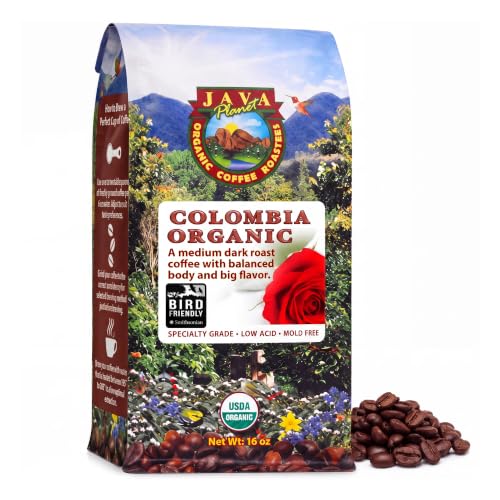
- ✓ Smooth low-acid profile
- ✓ Clean mold-free finish
- ✓ Consistent small-batch roast
- ✕ Not bold for dark-roast lovers
- ✕ Lightly nuanced for adventurous palates
| Origin / Certification | Colombian origin, USDA Organic certified |
| Mold Free Certification | Certified Mold Free with independent third-party testing for mold, mycotoxins, and heavy metals |
| Bean Type / Form | Whole bean |
| Roast / Flavor Profile | Low acid organic coffee with smooth, balanced cup and clean finish |
| Certification / Ethics | Shade-grown, Smithsonian Bird Friendly certified, small-batch roasted |
| Suggested Uses / Preparation Compatibility | Suitable for drip coffee, espresso, French press, and pour-over |
Your first whiff of Java Planet Low Acid Organic Colombian Whole Bean coffee hits a soft, chocolatey sweetness that isn’t prickly on the nose. You can feel the weight of the beans in your hand, a sturdy, glossy roundness that betrays careful toasting.
As you grind, the aroma blooms into a clean, almost cocoa-dusted espresso scent that’s inviting rather than harsh.
Brewing starts to confirm what you hoped for: a smooth, balanced cup with a noticeably clean finish. The low-acid profile sits comfortably on the palate, avoiding the sharp bite you sometimes get from brighter beans.
It’s easy to sip, whether you’re brewing drip, pour-over, or a quick French press at a busy morning pace.
Texture-wise, the body is medium and approachable, not thin or oily, with a gentle sweetness that plays well with a splash of milk or a touch of sugar. The shade-grown, bird-friendly origin comes through as a subtle depth rather than a loud roast character—think dried fruit hints and a faint caramel kiss.
You’ll notice the mold-free assurance in the smooth aftertaste, leaving you with a sense of real cleanliness in each cup.
In everyday use, this bag feels thoughtful: USDA Organic, mold-free, and small-batch roasted with care. The beans roast consistently, so you’re not chasing an uneven cup across batches.
If you’re sensitive to mold concerns or simply want a reliable, clean-tasting cup, this is your daily go-to.
Bottom line: it’s a dependable, easy-going coffee that respects your palate and your needs for organic, mold-free quality. It won’t overwhelm you with gimmicks, just solid flavor and a comfortable finish you can enjoy any morning.
Village Favorites Low Acid Coffee, Ground, 1LB Bag

- ✓ Smooth, low-acid profile
- ✓ Consistent across brews
- ✓ Mold-free freshness
- ✕ Light on roastiness
- ✕ Not very bold for espresso
| Bean Type | 100% Arabica |
| Roast Level | Medium roast, slow roasted |
| Package Size | 1 lb (454 g) bag |
| Flavor Profile / Notes | Chocolate and nut undertones with mellow, smooth cup |
| Acidity / Digestibility Claim | Low acid; gentle on stomach |
| Freshness / Packaging cadence | Freshly packaged in 1 lb bags with frequent restocks |
You peel back the bag and catch a clean, slightly sweet aroma with a hint of chocolate—not the sharp, caffeinated punch you dread in the morning. The first pour looks inviting, a smooth, mid-brown stream that clings to the sides of the carafe just right.
From the first sip, the smoothness stands out. It’s clearly 100% Arabica, with a gentle acidity that doesn’t bite and a chocolatey-nutty vibe that lingers without bitterness.
You notice the medium roast isn’t loud; it whispers, letting the flavors come through without becoming roasted-dusty.
Brewing across different methods feels consistent. Drip, pour-over, French press—you get a balanced cup every time.
It’s forgiving enough for a busy morning, yet nuanced enough for a quiet afternoon cup.
What helps here is the low-acid profile—your stomach doesn’t protest, even after a larger mug. The flavor stays pleasant as the cup cools, keeping its character instead of turning sour or flat.
You’ll appreciate the mold-free promise, because freshness feels tangible in the aroma and the clean finish.
The packaging and restock cadence matter in real life. A sturdy 1LB bag that’s resealable makes sense for keeping flavor intact, and knowing it’s replenished often gives you confidence you’re not chasing stale beans.
It’s simple coffee with a refined, dependable personality.
If you’re hunting for a versatile, stomach-friendly option that still delivers chocolatey comfort, this hit of smoothness could become your go-to. It doesn’t pretend to be flashy, just reliably pleasant drink after drink.
Overall, you’ll find it’s easy to reach for again—especially when you want a no-fuss cup that respects your stomach and your taste buds alike.
Village Favorites Low Acid Coffee – Mold-Free House Blend,

- ✓ Smooth, low-acid profile
- ✓ Versatile across brewers
- ✓ Fresh, consistent flavor
- ✕ Slightly pricey
- ✕ Not overly bold flavor
| Bean Type | 100% Arabica |
| Roast Level | Medium Roast (slow roasted) |
| Flavor Notes | Chocolate and nuts |
| Freshness/Packaging | 1 lb (16 oz) bags, frequently replenished |
| Acidity Level | Low acid |
| Brewing Compatibility | Suitable for drip, pour-over, French press, and espresso |
You notice the first pour releases a gentle, chocolatey aroma that stays put in the kitchen air longer than you expect. The standout here is how smoothly the cup breaks in—no sharp bite, just mellow caramel and nut notes riding a calm, low-acid baseline.
Holding the bag, you can feel the 1LB size that makes it easy to keep a steady stock without clutter. The beans are clearly well-roasted, a medium profile that doesn’t scream roast but whispers balance.
It’s one of those blends that forgives a little variability in grind size and brew method.
In practice, it shines across drip, pour-over, and French press. The flavor stays even whether you’re short on time or dialing in a new grinder setup.
It’s notably stomach-friendly, which makes a big difference after a long workday or a late-night espresso habit.
When you taste, chocolate undertones come through without bitterness, and the finish leaves a clean, slightly sweet note rather than a harsh aftertaste. The mold-free claim is reassuring in real life—no odd tangs, just dependable smoothness at every cup.
It’s easy to brew consistently, even if you’re juggling a busy morning routine.
Overall, you’ll appreciate the steady flavor profile and the versatility this blend offers. If you want a 100% Arabica that respects your stomach while still giving you a satisfying chocolate-nut backbone, this is a solid daily driver.
Maud’s Organic Low Acid Medium Roast Whole Bean Coffee 10oz

- ✓
- ✓ Smooth, low-acid profile
- ✓ Clean finish, no bitterness
- ✓ Third-party tested for safety
- ✓
- ✕
- ✕ Higher price point
- ✕ Limited flavor notes for some
- ✕
| Bean Type | 100% Arabica |
| Roast Level | Medium roast |
| Organic Certification | USDA Organic |
| Mold/Mycotoxin/Pesticide Testing | Third-party tested for mold, mycotoxins, heavy metals, and pesticides |
| Bean Form | Whole bean |
| Certifications and Sustainability | Ethically sourced; solar-powered production facility in San Diego |
You pop the Maud’s Organic Low Acid Medium Roast and notice the 10-ounce bag feels sturdier than a typical grocery coffee. The aroma is inviting, with a gentle caramel sweetness that doesn’t smack you in the nose like some dark roasts.
You grind a precise handful for a French press and watch the grounds bloom with a light, chocolatey sheen.
Brewing starts off clean, almost citrusy at first sip, before a smooth, balanced body settles in. It’s a low-acid profile, so you don’t get the sharp tang you’re used to with other coffees, which is a relief if you’ve had sensitive-stomach days.
The cup remains bold without bitterness, a feat that makes it feel premium even on a busy morning.
The third-party mold and mycotoxin testing get real in the back of your mind, but during tasting, you’re rewarded with a clean, crisp finish that doesn’t linger harshly. It’s easy to grind to your preferred consistency for drip, pour over, or French press, which means you can tailor this to your routine without fuss.
As you sip, you notice the ethical sourcing and solar-powered facility thread through the flavor, giving you a sense of calm that you’re supporting a small, family-owned brand. The finish stays smooth, and the aftertaste is faintly cocoa, not roast-bitey or sour.
If you’re pairing with a light breakfast, it blends nicely without overpowering your flavors.
In day-to-day use, Maud’s delivers reliability: consistent cup quality, low acidity, and a clean finish. It feels like a no-hussle, all-conversation coffee that fits into mornings, office breaks, or a quiet Sunday ritual.
What Is No Mold Coffee and Why Is It Important?
To ensure the consumption of no mold coffee, consumers can look for certifications from reputable organizations that test for mycotoxins, as well as brands that transparently share their sourcing and processing practices. Best practices for consumers include purchasing whole beans rather than pre-ground coffee, as whole beans tend to have a longer shelf life and are less likely to develop mold when stored correctly. Furthermore, storing coffee in a cool, dry place and using airtight containers can help maintain its freshness and minimize the risk of mold growth.
How Does No Mold Coffee Compare to Regular Coffee?
| Feature | No Mold Coffee | Regular Coffee |
|---|---|---|
| Mold Presence | No mold detected, ensuring better quality. | May contain mold, depending on storage and processing. |
| Health Benefits | Lower risk of mycotoxin exposure, better for health. | Standard coffee, potential health risks with mold exposure. |
| Taste Profile | Often smoother and less bitter due to careful processing. | Varies widely; some may find it harsher or more bitter. |
| Price | Generally higher due to specialized sourcing and testing. | More affordable options available, but quality may vary. |
| Brewing Methods | Can be brewed using various methods but often recommended for pour-over or cold brew to enhance flavor. | Various methods available; may affect flavor and caffeine extraction. |
| Caffeine Content | Typically similar caffeine levels, but may vary by brand. | Varies by type and roast level, affecting overall caffeine content. |
| Environmental Impact | Often sourced from sustainable farms with eco-friendly practices. | Environmental impact varies based on sourcing and farming practices. |
What Are the Health Benefits of Choosing No Mold Coffee?
- Reduced Risk of Mycotoxin Exposure: No mold coffee is specifically processed to eliminate mycotoxins, which are harmful compounds produced by mold. Regular coffee can harbor these toxins, leading to potential health issues such as digestive problems and immune dysfunction.
- Improved Digestive Health: Consuming coffee free from mold can lead to better digestive health, as mold can contribute to gastrointestinal discomfort and inflammation in sensitive individuals. No mold coffee is gentler on the stomach, allowing for a more enjoyable drinking experience.
- Enhanced Flavor Profile: Quality no mold coffee is often sourced from high-grade beans and processed with care, resulting in a richer and more complex flavor. This superior taste can make your coffee experience more satisfying, encouraging you to enjoy your daily cup without the bitter notes that might come from low-quality, moldy beans.
- Boosted Energy Levels: By avoiding mold and the associated toxins, drinkers may experience a more stable energy boost from their coffee. This can help prevent the jitters and crashes commonly associated with regular coffee consumption, leading to improved focus and productivity throughout the day.
- Support for Overall Well-being: Choosing no mold coffee may contribute to better mental clarity and cognitive function. By eliminating harmful substances, you can support your overall well-being, leading to a healthier lifestyle.
What Conditions Lead to Mold Growth in Coffee Beans?
Mold growth in coffee beans can occur due to several environmental and handling conditions.
- High Humidity: Coffee beans thrive in moist environments, and high humidity levels can encourage mold spores to germinate. If beans are stored in areas where moisture is prevalent, they are at a higher risk of developing mold.
- Poor Air Circulation: Stagnant air can trap humidity around coffee beans, creating an ideal environment for mold growth. Proper ventilation is essential to reduce moisture and prevent mold from taking hold.
- Inadequate Drying: After harvesting, coffee beans must be dried properly to reduce moisture content. If beans are not dried thoroughly, residual moisture can lead to mold growth during storage.
- Temperature Fluctuations: Rapid changes in temperature can cause condensation to form on the beans. This condensation introduces moisture, which can promote mold development if not controlled.
- Contaminated Storage Facilities: Storing coffee beans in unclean or contaminated areas can expose them to mold spores from other sources. It is critical to maintain clean storage environments to prevent cross-contamination.
Which Brands Offer the Best No Mold Coffee Options?
Several brands are recognized for offering high-quality no mold coffee options:
- Purity Coffee: This brand is dedicated to providing organic, specialty-grade coffee that is rigorously tested for mycotoxins. Purity Coffee emphasizes the use of high-quality beans sourced from sustainable farms, ensuring that their products are not only mold-free but also rich in antioxidants and flavor.
- Four Sigmatic: Known for its focus on functional mushrooms and superfoods, Four Sigmatic offers a range of coffee products that are tested for mold and mycotoxins. Their coffees are designed to enhance mental clarity and overall health, making them a popular choice among health-conscious consumers.
- Death Wish Coffee: Marketed as the world’s strongest coffee, Death Wish Coffee is made from high-quality Arabica and Robusta beans that are carefully processed to eliminate mold. The brand’s commitment to sourcing beans that are tested for contaminants ensures a bold flavor without the worry of mold-related health issues.
- Bulletproof Coffee: This brand is synonymous with the bulletproof coffee trend, which combines coffee with healthy fats. Bulletproof Coffee sources beans that are tested for mold and mycotoxins, ensuring a clean cup that supports energy and mental performance without the negative effects often associated with moldy coffee.
- Stumptown Coffee Roasters: Stumptown is known for its artisanal approach to coffee sourcing and roasting, with a strong emphasis on quality. Their beans are selectively sourced and undergo strict testing to ensure they are free from mold, providing coffee enthusiasts with a delicious and safe option.
How Can You Identify Quality No Mold Coffee When Shopping?
When shopping for quality no mold coffee, consider the following factors:
- Source of Beans: Look for coffee that is sourced from regions known for high-quality production, such as Central America or specific areas in Africa. These regions often have more controlled farming practices that reduce the likelihood of mold growth.
- Organic Certification: Choosing organic coffee can be a good indicator of quality, as organic farming prohibits the use of synthetic pesticides and fertilizers that can contribute to mold issues. Additionally, organic beans are typically grown in healthier soil, which can lead to a better-quality product.
- Testing for Mold: Some brands conduct laboratory testing for mycotoxins, the toxic compounds produced by mold. Look for products that provide third-party test results or certifications to assure you that their coffee is free from harmful mold.
- Freshness: Freshly roasted coffee is less likely to harbor mold than older stock. Check the roasting date on the packaging and choose coffee that has been roasted recently, ideally within the last few weeks.
- Reputable Brands: Selecting well-known brands with a reputation for quality can increase your chances of purchasing no mold coffee. Research brands that specifically market themselves as mold-free or low-mold and read reviews to gauge customer satisfaction.
- Storage Practices: Coffee that is stored properly in a cool, dry place is less susceptible to mold. Look for brands that emphasize their storage conditions, as this can be an indication of their commitment to quality.
What Brewing Techniques Enhance the Taste of No Mold Coffee?
Several brewing techniques can enhance the taste of no mold coffee:
- Pour Over: This technique involves manually pouring hot water over coffee grounds in a filter. It allows for greater control over the brewing variables such as water temperature and flow rate, resulting in a more flavorful cup that highlights the unique characteristics of high-quality, no mold coffee.
- Aeropress: The Aeropress uses air pressure to push hot water through coffee grounds, which can lead to a richer and more concentrated brew. This method minimizes bitterness while extracting the desirable flavors, making it an excellent choice for no mold coffee, as it emphasizes its clean and fresh notes.
- Cold Brew: Cold brewing coffee involves steeping coarsely ground coffee in cold water for an extended period, typically 12-24 hours. This method reduces acidity and bitterness while producing a smooth, sweet flavor profile, making it ideal for enjoying no mold coffee without any off-flavors.
- French Press: The French press allows coffee grounds to steep in hot water before being pressed down with a plunger. This full immersion method retains the oils and fine particles from the beans, which can enhance the richness and body of no mold coffee, showcasing its inherent flavors more fully.
- Siphon Brewing: Utilizing vacuum and vapor pressure, siphon brewing creates a theatrical and intricate process that produces a clean and aromatic cup of coffee. This method is effective in extracting the bright and subtle flavors of no mold coffee, making it a popular choice among coffee enthusiasts.
What Should You Consider Before Purchasing No Mold Coffee?
When considering the purchase of no mold coffee, several factors should be taken into account to ensure you choose the best product for your needs.
- Source of Coffee Beans: The origin of the coffee beans plays a critical role in determining their quality and mold resistance. Beans grown in high-altitude regions are less likely to develop mold due to the cooler climate and lower humidity levels.
- Processing Methods: The way coffee beans are processed after harvesting can impact their mold levels. Look for brands that utilize dry processing methods, as these can help reduce the likelihood of mold contamination during production.
- Roasting Techniques: The roasting process can also influence mold presence in coffee. Darker roasts tend to have lower mold counts because the high temperatures kill off mold spores, making them a safer option for those concerned about mold.
- Testing and Certification: Consider brands that conduct regular testing for mycotoxins, which are harmful compounds produced by mold. Certifications from third-party labs can provide assurance that the coffee is free from harmful levels of mold.
- Storage and Packaging: How coffee is packaged and stored before it reaches you can affect its mold risk. Opt for brands that use vacuum-sealed or nitrogen-flushed packaging to maintain freshness and prevent moisture, which can lead to mold growth.
- Reputation of the Brand: Research the brand’s reputation and read customer reviews to gauge the quality of their no mold coffee. Established brands with positive feedback are more likely to deliver a high-quality product that meets your expectations.