
For years, healthy coffee replacements lacked true staying power, until these plant-powered options arrived. I’ve knocked back all the Yerbaé flavors and tested their energy punch, taste, and sugar-free promise side by side with a few mushroom-forward reads. The Yerbaé Energy Seltzer lineup delivers crisp, zero-sugar boosts from yerba mate, with 100 mg of natural caffeine and seven plant-based ingredients that keep jitters at bay.
From the Tropical and Pomegranate Berry to Orange Cherry Pineapple, we’ve compared mouthfeel, flavor integrity, and energy duration. The best pick balances clean energy, taste, and value, so you don’t trade one craving for another. If you crave steady focus without sugar crashes, this is where your search ends.
Top Recommendation: Yerbaé Energy Seltzer – No Sugar, 12 cans (Variety Pack)
Why We Recommend It: It combines the most versatile flavor assortment with consistent zero-sugar, zero-calorie results and 100 mg caffeine from yerba mate. The No Sugar pack maintains plant-based ingredients and a simple label, offering reliable energy without artificial sweeteners. Compared to other packs, the Variety Pack provides broader flavor coverage (Acai Blueberry, Orange Cherry Pineapple, Pomegranate Berry), giving you more ways to fit the drink into daily routines while preserving taste and caffeine clarity. This mix minimizes flavor fatigue and maximizes sustained focus with minimal mid-day crashes.
Best healthy alternative to coffee: Our Top 5 Picks
- Yerbaé Energy Seltzer Variety Pack – No Sugar, 12 cans – Best Value
- Yerbaé Energy Seltzer — Tropical Pack, 12x12oz, No Sugar – Best Alternative to Coffee for Health
- Yerbaé Energy Seltzer – Orange Cherry Pineapple No – Best Healthy Substitute for Coffee
- Joe’y Mushroom Coffee Alternative Cacao Dandelion Root and – Best Premium Option
- Yerbaé Energy Seltzer – Pomegranate Berry, No – Best for Flavorful Morning Pick-Me-Up
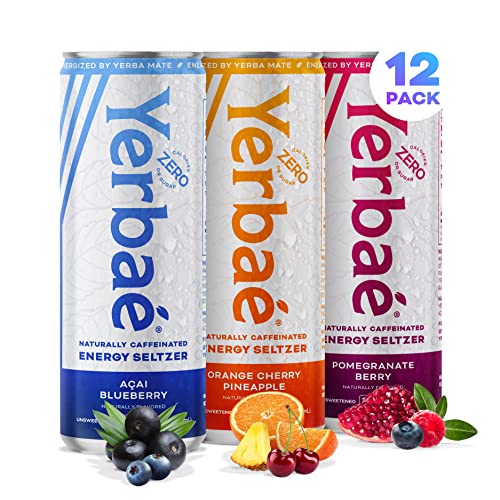
Yerbaé Energy Seltzer Variety Pack – No Sugar, 12 cans
- ✓ Clean caffeine boost
- ✓ Refreshing, not sweet
- ✓ Plant-based ingredients
- ✕ Flavors can be light
- ✕ Limited sweetness perception
| Caffeine Source | Yerba Mate |
| Caffeine Content per Can | 100 mg |
| Dietary/Claimed Attributes | Zero sugar, zero calories, zero carbs; non-GMO; unsweetened with natural flavors; no artificial sweeteners |
| Flavor Variety Included | Acai Blueberry, Orange Cherry Pineapple, Pomegranate Berry (assortment in 12-pack) |
| Ingredients Emphasis | Plant-based ingredients; 7 total ingredients listed in the formula |
| Packaging/Quantity | 12 cans per 12-pack Performance Pack |
I was dodging that mid-afternoon slump when I snagged a can from the fridge and heard that familiar hiss as I cracked it. The Yerbaé can feels sturdy in your hand, and the label promises a clean, plant-powered boost.
You’ll notice there’s no sugar glare here—just a crisp pour and a clean scent that hints at berry and citrus without being overpowering.
You’ll sip and instantly get that gentle lift from yerba mate, not the jittery spike youfd expect from some energy drinks. The 100 mg of caffeine is noticeable but balanced, great for staying on task without the crash.
The flavors are bright but restrained, like Acai Blueberry or Orange Cherry Pineapple, so it never tastes fake or overly sweet.
The real win is the texture and finish. It’s refreshing like sparkling water, with enough body to feel satisfying after a workout or a long meeting.
The can’s light, carbonated bite makes it easy to reach for when you’d otherwise reach for coffee, but without the sugar or calories. You’ll appreciate the list of seven plant-based ingredients that you can actually pronounce, which gives you that reassuring, “these are the right kinds of energizers” vibe.
In real-world use, you notice the zero calories and zero carbs matter when you’re watching intake. It’s a solid choice for busy days, travel, or late-night study sessions.
And because it’s unsweetened with just the right flavor nuance, you’re less likely to feel like you’re compromising taste for health.
If you liked coffee’s caffeine without the sugar crash, you’ll keep reaching for Yerbaé. It hits that sweet spot between refreshing and energizing, with a clean finish that doesn’t linger oddly.
Yerbaé Energy Seltzer — Tropical Pack, 12x12oz, No Sugar

- ✓ Crisp, refreshing flavors
- ✓ Smooth caffeine lift
- ✓ Zero sugar, zero calories
- ✕ Limited caffeine source
- ✕ Some may want stronger flavor punch
| Primary caffeination_source | Yerba Mate (plant-based caffeine) |
| Caffeine_content_per_can | 100 mg |
| Sugar_content | 0 g per can (zero sugar) |
| Calories_per_can | 0 calories |
| Carbohydrates_per_can | 0 g (zero carbs) per can |
| Flavors_in_pack | Acai Blueberry, Strawberry Kiwi, Pineapple Coconut (Tropical Pack assortment) |
I’d been eyeing Yerbaé Energy Seltzer for a while, curious how a sugar-free, plant-powered buzz would stack up against my coffee habit. The Tropical Pack finally landed on my desk, and the first sip reminded me of sparkling water with a punch—like a refreshing workout boost that didn’t taste like it tried too hard.
The can feels sturdy in the hand, with a clean label and seven simple ingredients that actually feel honest. I appreciated the no-nonsense sweetness and the absence of artificial sweeteners.
The flavors—Acai Blueberry, Strawberry Kiwi, and Pineapple Coconut—deliver a bright, tropical punch without any cloying aftertaste.
In use, the 100mg of caffeine from yerba mate hits smoothly, not jumpy, which makes it great for early-afternoon slumps. You’ll notice the caffeine lift without the jittery edge you sometimes get from coffee.
It’s enough to sharpen focus for a work sprint or a long study session without knocking you out of bed later.
Physically, the can is perfectly portable for a gym bag or briefcase. I kept reaching for one between meetings, in part because it’s refreshing to drink something that feels indulgent but is actually zero sugar and zero calories.
The flavor profile remains consistent across the pack, so you know what you’re getting with each chill sip.
Real-world use cases click into place: a pre-work option that won’t derail your diet, a daytime pick-me-up that’s not a sugar crash, and a social alternative to sugary seltzers. If you’re trying to cut coffee but miss the ritual, this feels like a friendly, better-for-you substitute that still satisfies your palate.
Bottom line: it’s easy to reach for Yerbaé when you want clean energy with real flavor and no guilt. It won’t replace the morning ritual entirely, but it nails the vibe for days you want productivity without compromise.
Yerbaé Energy Seltzer – Orange Cherry Pineapple No

- ✓ Clean energy lift
- ✓ Flavorful, refreshing
- ✓ Zero sugar/cals
- ✕ Slightly pricey
- ✕ Limited flavor variety
| Caffeine Source | Yerba Mate |
| Caffeine Content | 100 mg per can |
| Flavor Profile | Orange Cherry Pineapple |
| Sweetener/Calorie Info | Zero sugar, zero calories, zero carbs; sugar-free |
| Dietary/Label Claims | Non-GMO, vegan, gluten-free, no artificial sweeteners |
| Ingredients/Composition | All plant-based ingredients; seven total ingredients |
You know that moment when you expect a bright burst of flavor from an energy drink, and instead you get… a sparkling, citrusy breeze? I had that surprise with Yerbaé Orange Cherry Pineapple.
A tiny bubbly shake in the fridge and a clean pour that looked like sunny soda without the guilt.
First sip hits with a crisp, refreshing bite that doesn’t sting or leave a chemical aftertaste. The orange, cherry, and pineapple notes mingle nicely—bright, not syrupy—while the zero sugar keeps it light on the palate.
It’s surprising how smooth the 100mg of plant-based caffeine feels, more like a lift than a jolt.
The can feels sturdy in hand, and the label promises a clean ingredient list—7 plant-based ingredients, no artificial sweeteners, non-GMO, vegan, gluten-free. I appreciated that it quenched thirst as effectively as sparkling water, yet still delivered a focused energy kick.
It’s easy to reach for mid-morning or during a mid-afternoon slump without steering into sugary territory.
Real-world use is where it shines: a quick chill, a few sips, and you’re ready to power through a long meeting or a study session. There’s no crash, just a steady, approachable lift that doesn’t overdo the caffeine jitters.
And because it’s calorie and carb-free, it slots into low-calorie days without feeling like a compromise.
If you’re chasing a healthier coffee alternative, this hits the sweet spot: flavor you enjoy, energizing effect you can feel, and ingredients you can pronounce. It’s a straightforward swap that won’t derail your routine.
Joe’y Mushroom Coffee Alternative Cacao Dandelion Root and

- ✓ Smooth, steady energy
- ✓ Rich cacao flavor
- ✓ Easy hot or iced
- ✕ Slightly pricey per serving
- ✕ Not a true coffee substitute aroma
| Caffeine Content per Serving | 55 mg |
| Primary Functional Ingredients | Lion’s Mane, Cordyceps, Reishi, Ashwagandha |
| Flavor Profile and Base | Roasted cacao with chicory and dandelion root |
| Serving Size and Servings per Bag | 1 tablespoon per serving; 20 servings per bag |
| Dietary Certifications | Vegan, Gluten-Free, Kosher |
| Preparation Method | Stir into hot water or dissolve in ice with milk or sweetener |
You’re scraping the last of your morning coffee off your spoon, then you remember you’ve got a new ritual to try. The jar of Joe’y Mushroom Coffee Alternative sits on the counter, its label promising calm focus and a bold cacao vibe.
You twist the lid, inhale a warm, roasted scent that somehow blends chocolate and earth at the same time.
You scoop in a tablespoon, watching the powder dissolve in hot water with a quick, glossy swirl. It doesn’t foam like dairy coffee, but the color blooms into a deep, inviting brown.
You take a sip and immediately notice the cacao richness with a hint of cinnamon, plus a subtle mushroom depth underneath.
In the first few minutes, your brain feels clearer, almost like someone turned on a dimmer for worry. No jitters, no crash—just steady focus that lasts longer than you expect from a caffeine substitute.
You test it iced later, pouring over almond milk, and the taste holds—smooth, not bitter, with that roasted chicory finish you crave.
The blend promises 12 superfoods and mushrooms, including Lion’s Mane and Reishi, and you can feel a different kind of energy rather than a buzz. It’s comforting, especially if your mornings swing between busy calls and grocery lists, because the calm seems to settle the edge without slowing you down.
Size and versatility matter here. It’s 20 servings per bag, easy to make hot or iced, and vegan, gluten-free, kosher.
The package feels sturdy, with a practical scoop that balances the powder well. You’ll appreciate how quickly it dissolves and how forgiving it is with water temperature.
As you sip through the afternoon, you notice how the flavor stands up to a splash of oat milk, never getting harsh or sour. It’s a reliable daily switch that respects your routine and your wallet at $18.75.
If you’re chasing steady energy with a robust cacao note, this could become your new go-to.
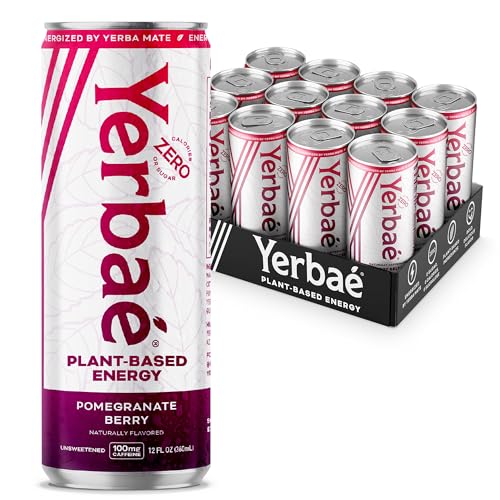
Yerbaé Energy Seltzer – Pomegranate Berry, No
- ✓ Smooth energy boost
- ✓ Bold, balanced flavor
- ✓ Clean, plant-based ingredients
- ✕ Higher price point
- ✕ Limited flavor variety
| PrimaryCaffeineSource | Yerba Mate |
| CaffeineContent | 100 mg per can |
| DietaryAttributes | Sugar-free, calorie-free, zero carbs, vegan, gluten-free, non-GMO |
| IngredientsProfile | Plant-based ingredients, limited to 7 ingredients |
| FlavorProfile | Pomegranate Berry flavor; bold, earthy notes with fruity finish |
| IntendedUseCategory | Energy boost alternative to coffee; sparkling water-like beverage |
The first sip happened at my desk, and the bubbles fizzed up with a tart, berry kiss that made me smile in spite of a crowded morning. I grabbed a can from the fridge and felt that crisp hiss as I twisted the top, the aroma hinting at pomegranate before the sweetness hit.
In that moment, I noticed how clean it tasted—no syrupy aftertaste, just a bright, fruity punch that didn’t overwhelm.
You’ll feel the energy come on without the jittery edge you get from some coffees. It’s powered by yerba mate, so the focus comes a little smoother, like a steady sunrise rather than a sprint to noon.
I appreciated that it kept me grounded during a long meeting and helped me push through a couple of lingering tasks afterward.
Physically, the can is sleek and easy to grip, and the flavor sits somewhere between earthy and fruity—bold but balanced. The Pomegranate Berry notes stay present, without turning sweet or artificial, which is rare in an energy sip.
The zero sugar, zero calories, and zero carbs are obvious, but the real win is how refreshing the sip remains, even after you’re done talking.
Real-world use cases feel obvious: it’s a coffee alternative for mornings, a productivity perk mid-afternoon, and a hydration-friendly pick-me-up during workouts. The plant-based ingredients and clean label are reassuring when you want energy without guilt.
If you’re avoiding intense caffeine crashes, this is a tasty, approachable option that fits into a busy day.
Overall, Yerbaé Energy Seltzer hits that sweet spot of being energizing, flavorful, and guilt-free. It’s a reliable, tasty way to replace a cup of coffee without sacrificing focus or hydration.
What Health Issues Can Arise from Coffee Consumption?
Several health issues can arise from coffee consumption, particularly when consumed in excess.
- Insomnia: The caffeine in coffee can disrupt sleep patterns, leading to difficulty falling asleep or staying asleep. This can result in a cycle of fatigue and reliance on coffee to stay awake, exacerbating the problem.
- Increased Heart Rate: Caffeine is a stimulant that can temporarily increase heart rate and blood pressure. For some individuals, especially those with underlying heart conditions, this can pose serious health risks.
- Digestive Issues: Coffee is acidic and can irritate the stomach lining, leading to conditions like acid reflux or gastritis. Additionally, it can stimulate bowel movements, which might be uncomfortable for some people.
- Anxiety and Jitters: High caffeine intake can lead to heightened anxiety levels, nervousness, and jitteriness. This is particularly concerning for those who are prone to anxiety disorders as it may worsen their symptoms.
- Dependence and Withdrawal: Regular consumption of caffeine can lead to physical dependence, with withdrawal symptoms such as headaches, fatigue, and irritability appearing when intake is reduced. This can make it difficult for individuals to cut back or quit coffee altogether.
How Does Caffeine in Coffee Affect Your Body?
Caffeine in coffee has several effects on the body, influencing both physical and mental states.
- Increased Alertness: Caffeine acts as a central nervous system stimulant, which can enhance alertness and concentration. This effect occurs because caffeine blocks adenosine, a neurotransmitter that promotes sleep, leading to increased dopamine and norepinephrine levels.
- Boosted Metabolism: Caffeine can temporarily boost metabolic rate, encouraging the body to burn more calories. This thermogenic effect can enhance fat oxidation and is often leveraged in weight loss strategies.
- Improved Physical Performance: Consuming caffeine before exercise can improve endurance and performance by increasing adrenaline levels. This hormone prepares your body for intense physical exertion, allowing for better stamina and strength during workouts.
- Enhanced Mood: Caffeine has been shown to have mood-lifting effects, potentially reducing the risk of depression. This is attributed to its ability to increase the production of neurotransmitters such as serotonin and dopamine, which are linked to feelings of well-being.
- Potential Side Effects: While caffeine has benefits, excessive consumption can lead to negative side effects such as anxiety, restlessness, and sleep disturbances. Individuals may also experience withdrawal symptoms if they suddenly reduce their intake after regular consumption.
Which Symptoms Indicate You Should Reduce Coffee Intake?
Several symptoms may indicate that you should consider reducing your coffee intake:
- Insomnia: If you find it difficult to fall asleep or stay asleep, it might be a sign that your coffee consumption is interfering with your sleep cycle.
- Anxiety: Increased feelings of nervousness, restlessness, or anxiety can result from excessive caffeine, as it stimulates the central nervous system.
- Increased Heart Rate: A noticeable increase in heart rate, also known as tachycardia, can occur with high caffeine intake, leading to discomfort and health concerns.
- Digestive Issues: Symptoms like acid reflux, stomach upset, or increased bowel movements may arise from coffee’s acidity and its stimulant effects on the digestive system.
- Headaches: Frequent headaches, especially if they occur after a reduction in coffee, can indicate caffeine withdrawal, suggesting you may need to cut back.
- Jitters or Tremors: Experiencing physical jitters or muscle tremors can be a direct result of consuming too much caffeine, signaling the need for a reduction.
Insomnia can be exacerbated by caffeine, which can linger in your system for hours, affecting your ability to achieve restful sleep. If you notice that you’re struggling to get a good night’s sleep, assessing your coffee intake is a critical step.
Anxiety can be heightened by caffeine consumption, as it can trigger the release of stress hormones. If you find yourself feeling more anxious or on edge, reducing coffee may help stabilize your mood and promote relaxation.
An increased heart rate can lead to feelings of palpitations or anxiety, which can be quite uncomfortable. If you experience this symptom frequently, it’s advisable to monitor and reduce your coffee consumption to maintain a healthy heart rate.
Digestive issues such as acid reflux and stomach upset can be aggravated by coffee, which is acidic and can lead to discomfort. If you notice these symptoms after consuming coffee, it may be beneficial to limit your intake and explore alternatives.
Headaches can arise from both excessive caffeine consumption and withdrawal symptoms when reducing intake. If you frequently suffer from headaches, it may be a sign that you should lower your coffee consumption to avoid triggering this discomfort.
Physical jitters or tremors are a common sign of excessive caffeine intake, which stimulates the nervous system. If you experience these symptoms, it’s a clear indication that you should consider cutting back on coffee to achieve a more balanced state.
What Are the Best Healthy Alternatives to Coffee?
There are several healthy alternatives to coffee that can provide energy and focus without the jitters associated with caffeine.
- Matcha: Matcha is a finely ground powder made from specially grown green tea leaves. It contains a moderate amount of caffeine, but it also has L-theanine, which promotes calmness and focus, making it an excellent alternative for those looking for sustained energy without the crash.
- Chicory Root Coffee: Chicory root is often used as a caffeine-free coffee substitute and has a slightly nutty flavor. It is high in inulin, a type of prebiotic fiber that supports gut health and can aid in digestion.
- Herbal Teas: Herbal teas, such as rooibos or peppermint, offer a wide range of flavors and benefits without caffeine. They can be soothing, hydrating, and are often rich in antioxidants, providing a healthy boost without the stimulating effects of coffee.
- Yerba Mate: Yerba mate is a traditional South American drink made from the leaves of the Ilex paraguariensis plant. It contains caffeine but also provides vitamins, minerals, and antioxidants, offering a balanced energy boost that can enhance mental clarity and physical performance.
- Golden Milk: Golden milk is a warm beverage made from turmeric, milk (or a dairy-free alternative), and spices such as cinnamon and ginger. It is anti-inflammatory and can promote relaxation, making it a comforting and healthful choice for those looking to reduce their caffeine intake.
- Cacao: Cacao powder can be used to create a rich, chocolatey drink that is naturally low in caffeine. It contains flavonoids that have been linked to improved heart health and mood enhancement, providing a delicious alternative for chocolate lovers.
How Does Matcha Compare to Coffee in Terms of Health Benefits?
| Aspect | Matcha | Coffee |
|---|---|---|
| Caffeine Content | Contains about 70 mg of caffeine per cup. Provides a more gradual energy boost. | Contains about 95 mg of caffeine per cup. Offers a quick energy spike. |
| Antioxidants | Rich in catechins, especially EGCG, which are powerful antioxidants. | Contains antioxidants like chlorogenic acid but in lower amounts than matcha. |
| Health Benefits | May enhance metabolism, improve mental clarity, and support heart health. | Can improve mental alertness and may lower the risk of certain diseases. |
| Taste and Preparation | Has a grassy, umami flavor; prepared by whisking powder with hot water. | Has a rich, bold flavor; typically brewed using various methods. |
| Potential Side Effects | May cause headaches or digestive issues if consumed in excess. | Can lead to jitteriness, insomnia, and increased heart rate if consumed in high amounts. |
| Nutritional Content | Approximately 3 calories per cup, no fats or sugars. | Approximately 2 calories per cup, no fats, but may have added sugars if sweetened. |
| Impact on Hydration | Can be hydrating, but should be consumed in moderation. | Has a mild diuretic effect, but moderate consumption is generally hydrating. |
What Nutritional Advantages Do Herbal Teas Have Over Coffee?
Additionally, herbal teas contribute to hydration, helping to maintain fluid balance in the body, which is crucial for many bodily functions.
Different types of herbal teas offer a range of health advantages; for instance, chamomile can promote relaxation, while ginger may aid digestion, allowing consumers to tailor their choices to their health needs.
Lastly, the lower acidity of herbal teas compared to coffee makes them easier on the digestive system, which is particularly advantageous for individuals prone to gastrointestinal discomfort.
Why Is Golden Milk Considered a Nutritious Coffee Substitute?
Golden milk, a warm, comforting beverage made primarily from turmeric, is gaining traction as a nutritious alternative to coffee. Its blend of spices not only provides a delightful taste but also offers a myriad of health benefits.
Key benefits include:
-
Anti-Inflammatory Properties: Turmeric contains curcumin, which has powerful anti-inflammatory effects, potentially reducing bodily inflammation and promoting overall health.
-
Rich in Antioxidants: The spices used in golden milk, such as ginger and cinnamon, are rich in antioxidants, which help combat oxidative stress and support a healthy immune system.
-
Natural Energy Boost: Unlike caffeine, which can lead to jitters and crashes, golden milk provides a slow, steady energy release, helping maintain stamina throughout the day.
-
Digestive Aid: Ingredients like ginger promote digestive health, while the healthy fats in coconut milk enhance the absorption of curcumin, maximizing its benefits.
-
Better Sleep: Golden milk is often enjoyed before bedtime due to its calming properties, which can aid in sleep quality compared to coffee, known for its stimulating effects.
Incorporating golden milk into your routine can offer a delicious, healthful alternative to coffee without the negative side effects of caffeine.
How Do Different Alternatives Affect Your Energy and Well-being?
- Green Tea: Green tea is rich in antioxidants and contains less caffeine than coffee, providing a gentler energy boost without the jitters. It also contains L-theanine, an amino acid that promotes relaxation and mental clarity, making it a great choice for a focused yet calm state of mind.
- Matcha: Matcha is a powdered form of green tea that offers a concentrated dose of antioxidants and caffeine. It provides a sustained energy boost and enhances metabolism while also promoting a sense of calm due to its high levels of L-theanine.
- Herbal Teas: Herbal teas, such as peppermint or ginger, can provide energy and alertness without caffeine. They are also hydrating and can aid digestion, contributing positively to overall well-being and vitality.
- Chicory Root Coffee: Chicory root is a caffeine-free alternative that brews similarly to coffee, offering a rich, nutty flavor. It’s high in inulin, a prebiotic fiber that supports gut health, which is essential for overall wellness and energy management.
- Yerba Mate: Yerba mate is a traditional South American drink that contains caffeine and other beneficial compounds, providing a balanced energy boost. It is also known to support mental focus and enhance physical performance due to its unique combination of stimulants and nutrients.
- Golden Milk: Golden milk is made from turmeric, milk (or plant-based alternatives), and spices, providing anti-inflammatory benefits. It can help reduce fatigue and promote recovery while offering a comforting and warm drink option that supports overall health.
What Psychological Benefits Can You Gain from Switching to Herbal Alternatives?
- Reduced Anxiety: Herbal alternatives like chamomile and lemon balm are known for their calming effects. These herbs can help lower cortisol levels, which are associated with stress and anxiety, promoting a more relaxed state of mind.
- Improved Mood: Many herbal teas, such as peppermint and ginger, can stimulate the release of endorphins. This can lead to improved mood and a feeling of happiness, making them an effective natural remedy for feelings of sadness or depression.
- Enhanced Focus: Herbal options like ginseng and ginkgo biloba can improve cognitive function and concentration. These herbs enhance blood flow to the brain, which can help you stay alert and focused throughout the day without the jitteriness associated with caffeine.
- Better Sleep Quality: Herbal alternatives such as valerian root and passionflower can promote better sleep by relaxing the mind and reducing insomnia symptoms. A good night’s sleep is crucial for mental health, as it rejuvenates the brain and improves overall cognitive function.
- Balanced Energy Levels: Unlike coffee, which can lead to energy spikes and crashes, herbal alternatives like rooibos and matcha provide a more stable and sustained energy boost. This balance can prevent irritability and fatigue, helping you maintain a positive attitude throughout the day.
How Can Yerba Mate or Chai Tea Enhance Your Day Compared to Coffee?
| Aspect | Yerba Mate | Chai Tea | Coffee |
|---|---|---|---|
| Caffeine content | Contains about 30-50 mg per serving; provides a mild boost without jitters. | Typically has 30-70 mg per cup; offers a gentle stimulant effect. | Contains about 95 mg per cup; strong stimulant but can lead to crashes. |
| Health benefits | Rich in antioxidants; may enhance mental focus and improve metabolism. | Contains spices that aid digestion and reduce inflammation; boosts immunity. | May improve cognitive function but excessive consumption can lead to anxiety. |
| Flavor profile | Earthy and herbal taste; often described as unique and acquired. | Spicy and aromatic; varies with different spices used, generally warming. | Bold and robust; versatile with various brewing methods and flavors. |
| Calorie content | Low in calories; typically around 0-5 calories per serving. | Can vary, generally about 30-60 calories per cup depending on added ingredients. | Low in calories; generally around 2 calories per cup without added ingredients. |
| Effects on hydration | Can contribute to hydration; mild diuretic effect. | Hydrating due to water content; spices may enhance digestive hydration. | Diuretic properties; excessive intake may lead to dehydration. |
| Potential side effects | May cause insomnia or digestive issues in sensitive individuals. | Generally safe; excessive spice intake may cause stomach upset. | Can lead to increased heart rate, anxiety, or digestive issues if overconsumed. |
How Can You Make the Transition from Coffee to Healthier Alternatives?
There are several effective strategies to transition from coffee to healthier alternatives:
- Herbal Tea: Herbal teas, such as chamomile or peppermint, provide a caffeine-free option that can be soothing and hydrating. They come in various flavors and can be enjoyed hot or cold, making them versatile for any time of day.
- Green Tea: Green tea contains less caffeine than coffee but is packed with antioxidants and nutrients. It can enhance metabolism and provide a gentle energy boost without the jitters associated with coffee consumption.
- Matcha: Matcha is a finely ground powder made from specially grown green tea leaves, offering a higher concentration of antioxidants and caffeine. It provides a calm alertness due to the presence of L-theanine, which promotes relaxation while keeping you focused.
- Chicory Root Coffee: Chicory root is a caffeine-free alternative that can be brewed like coffee, offering a similar rich flavor. It also has prebiotic properties that can support digestive health, making it a beneficial choice for those looking to cut down on caffeine.
- Golden Milk: Golden milk is a blend of turmeric, coconut milk, and spices, known for its anti-inflammatory properties. This warm drink can be a comforting alternative that provides health benefits without caffeine, promoting overall wellness.
- Fruit Smoothies: Fruit smoothies can be a refreshing and energizing alternative to coffee, providing natural sugars and nutrients. Incorporating ingredients like spinach, banana, and almond milk can create a delicious and satisfying drink that fuels your day.
- Bone Broth: Bone broth is gaining popularity as a nutritious beverage packed with collagen and minerals. It can be sipped warm and has a savory flavor, offering a unique alternative to coffee that also supports joint and gut health.
What Strategies Can Help Ease the Switch to Alternatives Like Rooibos and Kombucha?
Finally, joining a community of like-minded individuals who are also transitioning can provide encouragement and shared experiences. Whether online or in-person, having a support system can help you navigate the challenges of switching to these healthier alternatives more effectively.
Related Post: