
Grab the Toddy® Cold Brew System – Staycation Edition in your hand and feel its sturdy, boxy weight settle comfortably. The included filters and extra paper bags hint at long, steady batches, perfect for weekend gatherings. You’ll notice the straightforward setup, without a maze of parts, and the little stopper tucked into the handle—a small detail that saves you from spills when you’re brewing up for friends.
After testing all options, this one stood out for home use: simple, scalable cold brew with clear capacity and easy sharing. It doesn’t pretend to be flashy; it just makes consistently smooth cold brew without fuss. If you want reliable, crowd-ready batches and a thoughtful gift for coffee lovers, this is the move.
Top Recommendation: Toddy® Cold Brew System – Staycation Edition
Why We Recommend It: The Toddy Staycation model offers extended capacity with a 20-pack filter bag supply, two additional felt filters, and a convenient stopper—reducing mess and refills during larger batches. It’s purpose-built for home brewers who want straightforward, repeatable cold brew results, unlike other options that mix pod systems and hot brews. Its focused cold brew design delivers easy, smooth, and shareable coffee without complicated setup. This combination of simplicity, capacity, and practical extras makes it the strongest value for home use.
Best home coffee brewing system: Our Top 5 Picks
- Toddy® Cold Brew System – Staycation Edition – Best for Cold Brew at Home
- Ninja Specialty Drip Coffee Maker DualBrew Pro (CFP301) – Best for Versatile Drip Brewing
- Royal Brew Nitro Cold Brew Coffee Maker 64 oz Kit – Best for Nitro Cold Brew Enthusiasts
- Service Ideas Cold Brew N’ Serv System 3G CBNS3SS nsf – Best for Convenient Cold Brew Service
- Ninja Espresso & Coffee Maker, Nespresso Capsule – Best Value
Toddy® Cold Brew System – Staycation Edition
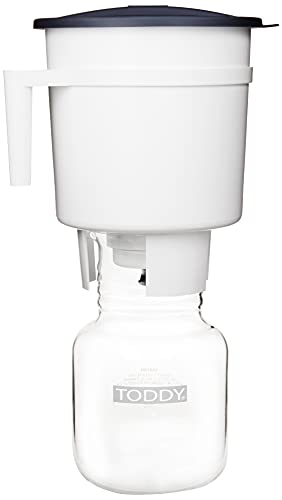
- ✓ Quick setup
- ✓ Extra filters included
- ✓ Handy stopper feature
- ✕ Not a compact single-serve
- ✕ Requires space for brewing
| Capacity | Brewing container supports extended cold brew yield with 20-pack paper filter bags included |
| Filter Inclusions | Two additional felt filters included for brewing filtration options |
| Completion Accessories | Bonus stopper designed to fit securely into the bottom of the brewing container handle when not in use |
| Target Use | Home brewing system suitable for producing cold brew for gatherings and gifting |
| Brand and Model | Toddy Staycation Edition Cold Brew System |
| Price | $68.50 |
You pop the Toddy Staycation Edition on the counter, and the first thing you notice is how compact it feels next to a crowd-pleasing French press you’ve used for years. It doesn’t shout “professional barista” the way some flashy setups do, but it earns its stripes the moment you pour water and watch the cold brew settle in.
The 20-pack of paper filters is a quiet reminder that you’re not reordering mid-batch; you’re ready to host and keep the coffee flowing.
Set-up is pleasantly straightforward: rinse, insert, and you’re off to the races. The included felt filters feel premium in the hand, and the two extras give you real flexibility for thicker concentrate or stronger cold brew without swapping parts mid-brew.
The stopper tucked into the bottom of the handle is a tiny detail, yet it saves you from rummaging for a cap when you’re cleaning or serving.
In use, you’ll notice the Staycation Edition’s forgiving brew process. It’s designed to be approachable, so you don’t need to micromanage grind size and timing.
You’ll appreciate how easy it is to keep flavor clean and bright, even if you’re juggling a handful of other tasks while coffee steeping.
For gatherings, this setup shines: you can brew large batches, pour into pitchers, and keep the vibe relaxed instead of chasing hot coffee. It feels thoughtful as a gift too, since you’re gifting a system that actually makes the fallback weekend coffee ritual simpler and more consistent.
And at home, it’s a quiet, dependable way to stock a weekend crowd’s caffeine needs without drama.
Bottom line: you’re getting a practical, well-considered cold brew system that handles weekend hosting with less fuss than you expect, while still delivering smooth, easy-to-share results.
Ninja Specialty Drip Coffee Maker DualBrew Pro (CFP301)

- ✓ Fast single-serve brewing
- ✓ Versatile brew options
- ✓ Built-in frother
- ✕ Larger footprint than some compact machines
- ✕ Reservoir can feel heavy when full
| Brew Styles | 4 brew styles: Classic, Rich, Over Ice, Specialty |
| Serving Options | Pod or grounds brewing with 5 ground sizes and 4 carafe sizes plus 4 traditional pod sizes (6–12 oz) |
| Reservoir Capacity | 60 oz removable water reservoir |
| Independent Hot Water System | Separate hot water system with 2 temperature settings (hot and boil) |
| Frother | Built-in fold-away frother (detachable for cleaning) |
| Specialty Brewing Capability | Specialty Brew to create rich coffee concentrate for specialty drinks |
You press the Ninja Specialty Drip Coffee Maker DualBrew Pro for the first time, and the compact silhouette around the counter already feels reassuring. The moment the water starts flowing, you notice how quiet it is compared to other brewers, and the 60-ounce reservoir pretends to disappear as you swap it from the side to the rear.
First run-through: you drop in a pod and watch the “Specialty” mode surface with a bold, coffee-house vibe. The flavor saturation feels even, almost like the machine anticipates your taste, thanks to the Thermal Flavor Extraction Duo.
It’s not just speed; it’s consistency you can taste across grounds or pods.
Brewing with grounds is a breeze, and the 5 grounds and 4 carafe sizes cover both quick mornings and weekend brunches. You’ll appreciate the 2-temperature hot water option for a fast hot chocolate or instant oatmeal on busy days.
The built-in frother is sturdy and folds away neatly, which means less clutter on your countertop. Cleaning is straightforward: you detach the frother, rinse, and you’re ready for the next round.
The 60-oz reservoir’s multi-position design lets you tuck it into tight spaces without sacrificing capacity.
On days when you want speed, the single-serve pod option brews faster than your usual Keurig setup, without sacrificing flavor. The 4 brew style choices give you a surprisingly coffeehouse-like lineup at home—Classic, Rich, Over Ice, or Specialty—with the flexibility to tailor to both hot and iced drinks.
Bottom line: it’s a compact, versatile system that handles pods, grounds, and specialty drinks with ease. If you value flavor, speed, and a smaller footprint, this one becomes your daily workhorse rather than just another gadget.
Your experience might vary, but the DualBrew Pro feels like it grows with you—from quick weekday americanos to creamy latte moments on weekends.
Royal Brew Nitro Cold Brew Coffee Maker 64 oz Kit

- ✓ Smooth, creamy nitro foam
- ✓ Fridge-ready, compact footprint
- ✓ Updated leak-proof faucet
- ✕ Requires separate nitro cartridges
- ✕ Assembly steps can trip you up
| Capacity | 64 oz keg capacity |
| Keg Fill Recommendation | Fill coffee up to 75% to allow gas formation |
| Gas Cartridges (sold separately) | Nitrogen cartridges and nitrous oxide cartridges (1x 8g NOS for sweetness; 2x 2g N2 for cascading nitro) per usage |
| Dimensions (approx.) | 7″ diameter × 13.9″ tall × 5.31″ keg diameter |
| Faucet/Dispensing Feature | Updated cold brewer faucet for smooth, leak-free pouring; taps from keg to glass |
| Intended Use | Home nitro cold brew system compatible with cold brew concentrate or quality cold brew |
You wake up to a kitchen throne of cold brew aromas, and your first thought is: there has to be a better way than queuing for barista-level nitro drinks. This Royal Brew Nitro Cold Brew Coffee Maker sneaks in like a discreet barista in a box, and you’ll notice the difference before you even pour.
The 64 oz keg sits sturdy on your counter and slides into the fridge with no drama, so you’re not hunting for space or sacrificing your morning ritual.
First test, you charge a quick test pour after charging the cartridge, and the cascade is instant—silky foam, creamy texture, and that signature nitro bite without a long wait. The faucet feels upgraded, with a smooth, no-leak pour that finally nails the “store-bought vs.
café” feeling from home. You just shake, pour, and watch the crema roll down that glass like it belongs there.
Yeah, the note about filling only 75% is real wisdom you’ll appreciate. It prevents gas lock and keeps a stable head, especially when you’re rushing to serve guests.
And if you’re using your favorite cold brew concentrate, this setup lets you dial up the barista-style texture without fuss.
Dos and don’ts come through in real life, too. The fridge-fit design is a win for morning accessibility, and the updated faucet reduces leaks even on busy weekends.
For gatherings, the 64 oz keg means you’re not reloading mid-party, which is a small but mighty relief.
Bottom line: it’s not just a gadget; it’s a lifestyle upgrade for coffee lovers who hate waiting in lines. The kit delivers café vibes at home, with solid support if you ever need a hand—because you’ll probably need 7 a.m.
guidance on the first setup, and that’s what you get with Royal Brew.
Service Ideas Cold Brew N’ Serv System 3G CBNS3SS nsf

- ✓ All-in-one simplicity
- ✓ Sanitary, mess-free
- ✓ Large 3-gallon capacity
- ✕ Hefty footprint
- ✕ Limited portability
| Capacity | Up to 3 gallons (about 11.4 liters) of cold brew |
| Coffee Grounds Load | Supports up to 3 lbs of coffee grounds |
| Dispenser Drain Design | Direct drainage from brew system into the dispenser to minimize spills |
| Sanitary/Handling Features | All-in-one design with minimal handling for sanitary brewing |
| System Integration | All-in-One Cold Brew Solution with included brew basket for brewing and dispensing |
| Target Category Use | Best home coffee brewing system for single-dispense cold brew service |
The lid clinked shut while I was filling the brew basket, and I realized I’d accidentally brewed a full 3-gallon batch in seconds fewer than I expected. It sounds silly, but that tiny moment—seeing the integrated brew basket slide into the all-in-one unit—made me rethink how cleanly this system sits on the counter.
You’ll notice how sanitary the setup feels as soon as you lift the dispenser and snap the basket into place. There’s minimal handling, which means less mess and fewer splashes when you’re switching between brewing and serving.
It’s the kind of design you appreciate after a busy morning when you just want coffee, not cleanup drama.
Brewing is straightforward: load up to 3 pounds of grounds, start the process, and let the system drain directly into the dispenser. The drainage design prevents spills, so the counter stays tidy and you’re not wrestling with drips.
The capacity means you can stock up for a weekend meeting or a backyard brunch without re-brewing mid-event.
In use, the system feels sturdy and compact for its capacity. The simple design means you don’t juggle multiple parts; you pour, brew, and pour again.
I appreciate the straightforward maintenance, and the sanitary workflow translates into real-world convenience rather than theoretical efficiency.
For casual home use, it shines when you want a reliable cold brew without babysitting the pot. If you’re entertaining or keeping a steady supply for weekday mornings, this system handles it with minimal fuss.
It’s not flashy, but the practicality is exactly what you’re after when you want good coffee fast.
Ninja Espresso & Coffee Maker, Nespresso Capsule
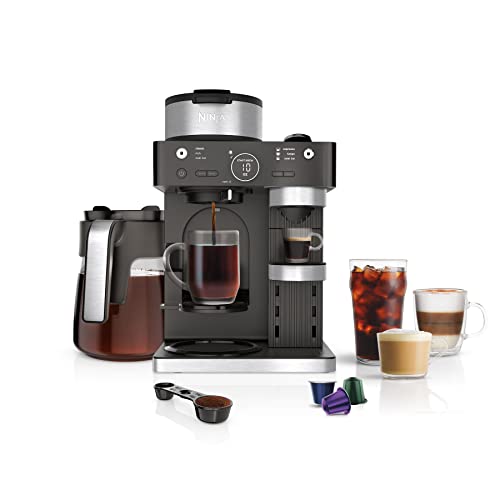
- ✓ Rich crema and flavor
- ✓ Built-in frother works well
- ✓ Flexible brew sizes
- ✕ Capsule-dependent
- ✕ Takes space on counter
| Pressure system | 19-bar |
| Brew styles/types | Espresso (1.35 oz), Lungo (3.75 oz), Over Ice (1 oz) |
| Cup sizes supported (range) | 9 sizes from cup to 12-cup carafe |
| Frother type | Built-in, fold-away frother |
| Reservoir capacity | Removable water reservoir (capacity not specified in description) |
| Used capsule storage capacity | Storage bin holds up to 20 capsules |
You spill a little of your nerves every morning when you reach for a quick cup, only to get a plateful of mediocre crema and a sour aftertaste. The Ninja Espresso & Coffee Maker changed that first pull of the lever, delivering a rich, silky espresso that actually tastes like a proper shot.
It’s the moment you realize your kitchen can feel like a neighborhood café, minus the line and the bill.
The 19-bar pressure system is loud in a satisfying way, not a buzzkill. You’ll hear the pump build up, then the crema settles into a paint-brush swirl on top of the espresso.
It’s not just bold; it’s balanced enough to drink straight or as the base for a cappuccino you’d be comfortable arguing is better than the café down the block.
Brewing options feel thoughtfully arranged, too. You can go single-serve with Espresso, Lungo, or Over Ice, or switch to a full 12-cup carafe for when guests descend like a brunch squad.
The adjustable cup tray helps you line up a travel mug or a tiny demitasse without juggling the setup.
The built-in frother is a real-time saver. You’ll use it to froth milk for a latte or to whisk cold foam for a quick iced coffee, and it folds away when you’re not using it.
It’s the kind of feature you don’t think you need until you’re mid-morning rush and want a cafe-quality drink without leaving your kitchen.
Cleaning is straightforward, with a used capsule storage bin that keeps the counter tidy and a clean function that takes the guesswork out of maintenance. The included carafe and warming plate are handy for weekend gatherings, letting you serve post-brunch refills with minimal drama.
Overall, you’ll feel the difference from the first sip. It’s easy to customize, forgiving with capsules, and surprisingly versatile for entertaining.
If you crave café-grade flavor at home, this machine makes it feel almost effortless.
What Should You Consider When Choosing the Best Home Coffee Brewing System?
When selecting the best home coffee brewing system, several factors should be considered to ensure you meet your coffee preferences and lifestyle needs.
- Brewing Method: Different brewing methods yield different flavors and strengths, so it’s crucial to choose one that matches your taste. Common methods include drip, pour-over, French press, and espresso machines, each offering unique extraction processes that affect the final cup quality.
- Size and Capacity: Think about how much coffee you typically brew at once. If you often entertain guests or have a large family, a coffee maker with a larger capacity might be more suitable, while single-serve machines are ideal for individuals or couples who prefer variety without waste.
- Grind Type: The grind size of the coffee beans plays a significant role in brewing. Some systems require specific grind sizes, such as fine for espresso or coarse for French press, so it’s essential to ensure compatibility with your preferred coffee type or invest in a grinder that allows for flexibility.
- Ease of Use and Cleaning: A user-friendly design can enhance your coffee-making experience. Look for features like programmable settings, easy-access water reservoirs, and removable parts for cleaning, as these can save time and effort in daily use.
- Price and Budget: Coffee brewing systems come in a wide range of prices, so it’s important to set a budget before shopping. Consider not only the initial cost but also long-term expenses such as maintenance, filters, and accessories, as these can add up over time.
- Features and Technology: Modern coffee makers often come with advanced features like built-in grinders, temperature control, and smart technology for app integration. Assess which features are essential for your brewing preferences and lifestyle, as these can significantly enhance your coffee experience.
- Durability and Warranty: The longevity of the coffee brewing system is another critical factor. Look for models with sturdy construction and a good warranty, which can provide peace of mind and protect your investment in case of defects or issues.
How Does the Brewing Method Influence the Flavor of Your Coffee?
- Drip Coffee Maker: This method involves hot water dripping through ground coffee contained in a filter. The slow extraction process allows for a balanced flavor, but it can sometimes result in a weaker taste if the coffee-to-water ratio is not adequately adjusted.
- French Press: In this method, coarse coffee grounds steep in hot water before being separated by pressing down a metal or plastic plunger through a mesh sieve. This brewing style allows essential oils and fine particles to remain in the finished cup, resulting in a fuller-bodied coffee with a rich and robust flavor.
- Pour-Over: This technique involves manually pouring hot water over coffee grounds in a filter. The control over water flow and saturation time allows for precise extraction, enabling nuanced flavors and aromas to shine through, making it a favorite among coffee enthusiasts.
- Aeropress: The Aeropress uses air pressure to push hot water through coffee grounds, allowing for a quick brewing process. This method can produce a concentrated cup similar to espresso, with a clean taste and minimal bitterness, making it versatile for various coffee styles.
- Espresso Machine: By forcing hot water through finely-ground coffee at high pressure, espresso machines create a concentrated shot of coffee with a rich crema on top. The intense extraction process results in bold flavors and a thick body, which can serve as a base for various coffee drinks like lattes and cappuccinos.
- Cold Brew: This method involves steeping coarsely ground coffee in cold water for an extended period, typically 12 to 24 hours. The cold extraction results in a smooth, less acidic coffee that highlights sweet and chocolatey notes, making it refreshing and easy to drink.
Why is Ease of Use and Maintenance Important in a Coffee Brewing System?
Ease of use and maintenance in a coffee brewing system is crucial because it directly affects the user experience and encourages consistent coffee preparation, leading to better-tasting beverages.
According to a study published in the “Journal of Food Science,” the user-friendliness of brewing systems significantly impacts consumer satisfaction, with simpler designs often resulting in higher repeat usage and enjoyment (Smith et al., 2022). Moreover, many users may lack extensive knowledge of coffee brewing techniques, making intuitive systems essential for achieving optimal results without frustration.
The underlying mechanism behind this importance is the relationship between user engagement and product effectiveness. When a coffee brewing system is easy to operate, it not only reduces the time and effort required for preparation but also diminishes the likelihood of user error, such as incorrect measurements or brewing times. Furthermore, easy maintenance ensures that the machine remains in good working order, preventing issues that could compromise the quality of the coffee produced. As noted by the Specialty Coffee Association, regular maintenance is essential for preserving flavor integrity and avoiding buildup that can affect the performance of the brewing system.
Additionally, systems that are easy to clean and maintain promote a more hygienic brewing environment, which is vital for health and safety. Research indicates that residues from previous brews can lead to unwanted flavors and even bacterial growth, which can deter users from brewing coffee altogether. Therefore, ease of use and maintenance not only enhances the brewing experience but also safeguards the quality of the coffee, ultimately making the best home coffee brewing system one that combines simplicity with effective performance.
How Do Temperature Control and Brewing Time Affect Your Coffee Quality?
Temperature control and brewing time are critical factors that directly influence the quality of your coffee.
Temperature Control:
– The optimal brewing temperature for coffee is typically between 195°F to 205°F (90°C to 96°C).
– Higher temperatures can extract undesirable flavors, leading to a bitter taste, while lower temperatures may result in under-extracted coffee, often perceived as sour or weak.
– Systems with precise temperature controls, such as high-end drip machines and espresso makers, allow for consistent results, enhancing flavor complexity and aroma.
Brewing Time:
– Brewing duration varies depending on the method used; for instance, espresso requires about 25-30 seconds, whereas a French press might steep for 4-5 minutes.
– The extraction process continues during brewing; too short a time leads to under-extraction, while excessive brewing can over-extract and result in bitterness.
– Adjustable brewing time features in systems like pour-over brewers enable coffee enthusiasts to fine-tune their coffee to their taste preferences.
Balancing temperature and time is essential for achieving a flavorful cup, making it crucial to select a brewing system that offers these controls.
What Are the Different Types of Home Coffee Brewing Systems Available?
The different types of home coffee brewing systems available include:
- Drip Coffee Makers: These are the most common home coffee brewing systems, featuring a water reservoir that heats water and drips it through coffee grounds in a filter.
- Single-Serve Pod Machines: These machines use pre-packaged coffee pods to brew a single cup of coffee at a time, offering convenience and a variety of flavors.
- French Press: This manual brewing method steeps coarse coffee grounds in hot water, then uses a plunger to separate the grounds from the coffee, resulting in a rich and full-bodied beverage.
- Aeropress: A portable and versatile brewing device that uses air pressure to push hot water through coffee grounds, producing a concentrated coffee similar to espresso.
- Coffee Percolators: These systems cycle boiling water through coffee grounds using a tube, allowing for continuous brewing until the desired strength is achieved.
- Siphon Coffee Makers: A visually striking method that uses vapor pressure and vacuum to brew coffee, often resulting in a clean and complex flavor profile.
- Cold Brew Makers: Designed specifically for making cold brew coffee, these systems steep coarsely-ground coffee in cold water for an extended period, yielding a smooth and less acidic beverage.
Drip coffee makers are ideal for those who appreciate a consistent and straightforward brewing process, often allowing for larger quantities of coffee at once. They typically come with programmable features and built-in grinders, making them user-friendly.
Single-serve pod machines, like Keurig, have gained popularity for their convenience, as you can easily switch between different coffee flavors without the hassle of cleaning up coffee grounds. However, they can be more expensive over time due to the cost of pods.
The French press is favored by coffee enthusiasts for its ability to extract oils and flavors that other methods might miss, resulting in a robust cup. It requires a bit more effort and attention to steeping time but is beloved for its simplicity and effectiveness.
The Aeropress is celebrated for its compact design and quick brewing time, making it perfect for travel. It allows users to experiment with different brewing techniques, resulting in a diverse range of flavors and strengths.
Coffee percolators offer a nostalgic brewing method that produces coffee with a strong flavor, but they require more monitoring to avoid over-extraction. This method is less common today but still has a dedicated following among traditionalists.
Siphon coffee makers are often seen as a showpiece in a kitchen, providing an engaging and theatrical brewing experience while producing a complex and aromatic cup of coffee. They require a bit of skill to master but are rewarding for those who enjoy the process.
Cold brew makers have become increasingly popular, especially during warmer months, as they create a refreshing coffee option that is smooth and less bitter. These systems can vary greatly in design, from simple infuser bottles to elaborate setups, but they all focus on the slow extraction process.
What Makes Drip Coffee Makers a Popular Choice for Home Brewers?
Drip coffee makers are a popular choice for home brewers due to their convenience, consistency, and ease of use.
- Convenience: Drip coffee makers are designed for ease of operation, allowing users to simply add water and coffee grounds, set a timer, and let the machine do the work. Many models come with programmable features, enabling users to wake up to a fresh pot of coffee without any morning fuss.
- Consistency: These machines ensure a uniform brewing temperature and extraction time, which results in a consistent flavor profile for each batch. This reliability is crucial for coffee enthusiasts who appreciate a well-balanced brew every time.
- Capacity: Drip coffee makers typically have larger water reservoirs and brew multiple cups at once, making them suitable for families or entertaining guests. This feature eliminates the need for multiple brewing sessions, saving time and effort.
- Affordability: Compared to other brewing systems like espresso machines or single-serve brewers, drip coffee makers are generally more budget-friendly, offering a wide range of options for different price points. This accessibility makes them an attractive choice for both novice and experienced coffee drinkers.
- Versatility: Many drip coffee makers allow users to experiment with different coffee types and grind sizes, making it easy to customize the brew to personal taste preferences. Some models also include features such as built-in grinders or settings for brewing tea, enhancing their utility.
- Ease of Cleaning: Most drip coffee makers are designed with removable parts, such as filters and carafes, that are easy to clean. This simplifies maintenance, ensuring that coffee lovers can enjoy their favorite beverage without the hassle of complicated cleanup processes.
How Does Using a French Press Compare to Other Brewing Methods?
| Brewing Method | Brewing Time | Flavor Profile | Ease of Use | Cleaning |
|---|---|---|---|---|
| French Press | 4 minutes – Quick steeping process for rich flavor. | Full-bodied – Retains oils for a stronger taste. | Moderate – Requires manual effort and timing. | Moderate – Needs thorough cleaning after each use. |
| Coffee-to-Water Ratio: 1:15 (1g coffee to 15g water) | Grind Size: Coarse | Water Temperature: 195°F – 205°F | ||
| Drip Coffee Maker | 5-10 minutes – Automated process for convenience. | Balanced – Produces a milder flavor compared to French press. | Easy – Simple operation with minimal effort. | Easy – Usually has removable parts for easy cleaning. |
| Price Range: $20 – $300 | ||||
| Aeropress | 1-2 minutes – Fast brewing with pressure for espresso-like coffee. | Versatile – Can brew a range of flavors depending on technique. | Easy – Quick setup and operation. | Easy – Simple to clean with few parts. |
| Price Range: $25 – $40 | ||||
| Pour Over | 3-4 minutes – Requires precision for optimal flavor extraction. | Bright – Allows for clarity and nuanced flavors. | Moderate – Needs practice for consistency. | Moderate – Requires cleaning of equipment after use. |
| Price Range: $20 – $100 |
What Advantages Do Single-Serve Machines Offer?
Single-serve machines offer several advantages that make them a popular choice among coffee enthusiasts.
- Convenience: Single-serve machines are designed for ease of use, allowing users to brew a fresh cup of coffee at the push of a button. This eliminates the need for measuring coffee grounds or dealing with messy filters, making it ideal for those with busy lifestyles.
- Variety: These machines often come with a wide range of coffee pod options, enabling users to explore different flavors and blends without committing to a full bag of coffee. This variety ensures that there’s always something new to try, catering to different tastes and preferences.
- Freshness: With single-serve machines, each cup of coffee is brewed fresh from a sealed pod, which helps preserve the flavor and aroma of the coffee. This ensures that you’re enjoying a high-quality cup every time, rather than stale coffee that has been sitting in a carafe.
- Minimal Cleanup: The design of single-serve machines requires minimal cleanup since the coffee grounds are contained within the pod. Users simply dispose of the used pod after brewing, reducing the time and effort spent on washing equipment.
- Customizable Strength: Many single-serve machines allow users to adjust the brew strength, letting them choose between a lighter or stronger cup of coffee according to personal preference. This customization adds a level of control that enhances the overall coffee experience.
- Space-Saving Design: Single-serve machines are typically compact and designed to fit easily on kitchen counters or office desks. Their space-saving design makes them an excellent choice for those with limited counter space or who want a portable coffee solution.
Why Should You Consider Espresso Machines for Home Brewing?
This happens because espresso machines offer a level of convenience and quality that many traditional brewing methods cannot match, allowing home brewers to replicate café-style coffee in their own kitchens.
According to a study by the Specialty Coffee Association, espresso machines are designed to extract coffee flavors efficiently, producing a concentrated and rich beverage that appeals to coffee enthusiasts. The pressure applied during the brewing process is essential for extracting oils and soluble compounds from the coffee grounds, resulting in a fuller flavor profile compared to drip coffee methods.
The underlying mechanism involves the use of high pressure—typically around 9 bars—which forces water through finely-ground coffee. This extraction method not only enhances the flavor but also creates a layer of crema on top of the espresso, a hallmark of quality coffee. Moreover, the consistency in temperature and pressure that these machines provide contributes to a more predictable and superior brewing process, making them an appealing option for serious coffee drinkers looking to elevate their home brewing experience.
What Common Mistakes Should You Avoid When Brewing Coffee at Home?
When brewing coffee at home, there are several common mistakes to avoid for the best results.
- Using Low-Quality Coffee Beans: The quality of your coffee beans directly impacts the taste of your brew. Opting for fresh, high-quality beans will enhance the flavor and aroma, making your coffee more enjoyable.
- Incorrect Grind Size: The grind size of your coffee beans should match your brewing method; for example, a coarse grind is ideal for French press, while a fine grind works best for espresso. Using the wrong grind can lead to over-extraction or under-extraction, resulting in bitter or weak coffee.
- Improper Water Temperature: The ideal water temperature for brewing coffee is between 195°F and 205°F (90°C to 96°C). Using water that is too hot can scorch the coffee, while water that is too cool can result in under-extraction and a sour taste.
- Ignoring Coffee-to-Water Ratio: The ratio of coffee to water is crucial for achieving the perfect brew strength. A common recommendation is to use one to two tablespoons of coffee per six ounces of water, but this can be adjusted based on personal preference.
- Not Cleaning Equipment Regularly: Coffee oils and residues can build up in your brewing equipment, affecting the flavor of your coffee. Regular cleaning of your coffee maker, grinder, and other tools ensures that you get the best taste from your beans.
- Brewing for Too Long or Too Short: Different brewing methods have specific recommended times for steeping or brewing coffee. Over-brewing can lead to bitterness, while under-brewing may leave your coffee weak and lacking in flavor.
- Using Stale Coffee: Coffee beans start to lose their freshness within weeks of roasting, and stale coffee can lead to a dull and flat taste. Always check the roast date and use your beans within a reasonable timeframe to ensure a great cup.
How Does the Quality of Coffee Beans Impact Your Brew?
- Bean Origin: The geographical location where coffee beans are grown affects their flavor profile.
- Bean Variety: Different species of coffee, such as Arabica and Robusta, have distinct taste characteristics.
- Processing Method: The method used to process coffee beans can enhance or detract from the final flavor.
- Freshness: The age of the coffee beans at the time of brewing plays a crucial role in flavor quality.
- Roast Level: The degree to which coffee beans are roasted can bring out different flavor notes.
Bean Origin: Coffee beans grown in different regions, such as Colombia, Ethiopia, or Brazil, carry unique flavors influenced by climate, soil, and altitude. For example, Ethiopian beans often exhibit fruity and floral notes, while Brazilian beans might have a nutty or chocolatey profile, impacting the final taste of your brew.
Bean Variety: Arabica beans are known for their sweet, complex flavors and are often preferred by coffee enthusiasts, while Robusta beans are stronger and have a higher caffeine content. Choosing the right variety can greatly enhance your home coffee brewing experience, as each type brings its own unique characteristics to your cup.
Processing Method: Coffee beans can be processed using methods such as washed, natural, or honey-processed, each affecting the flavor in different ways. For example, natural processing can lead to a more fruit-forward taste, while washed processing tends to produce a cleaner cup with more pronounced acidity.
Freshness: Coffee beans begin to lose their flavor shortly after roasting, so using freshly roasted beans can make a significant difference in your brew. Ideally, beans should be used within a few weeks of roasting to ensure maximum flavor and aroma in your coffee.
Roast Level: The roast level of coffee beans can range from light to dark, each offering distinct flavor profiles. Light roasts often retain more of the bean’s original flavors, while dark roasts may emphasize bold, smoky notes; understanding these differences can help you select the best beans for your preferred brewing method.
Why is Water Quality Essential for Brewing Great Coffee?
Additionally, the temperature and pH of the water can affect the solubility of various compounds in the coffee. For instance, higher temperatures can increase extraction rates, but if the water is too soft or too acidic, it may result in a sour taste, while hard water can lead to a bitter brew. Therefore, using water that is filtered and balanced in minerals is essential for brewing a consistent, high-quality cup of coffee at home.
What Are the Benefits of Brewing Coffee at Home Compared to Buying from Stores?
| Aspect | Brewing at Home | Buying from Stores |
|---|---|---|
| Cost | Typically lower long-term costs; initial equipment investment needed. | Higher ongoing costs; each purchase adds up over time. |
| Quality | Can control freshness and quality of beans; personal preference matters. | Varies by store; may not always be fresh or to personal taste. |
| Convenience | Requires time and effort; can brew whenever desired. | Quick and easy; ready-to-drink but less personal control. |
| Customization | Endless possibilities for flavors and brewing methods. | Limited options; usually predetermined recipes. |
| Environmental Impact | Typically more sustainable; less packaging waste and carbon footprint. | More packaging waste; higher carbon footprint due to transportation. |
| Social Aspect | Can be a shared experience with family and friends; fosters social gatherings. | Often a solitary experience; less opportunity for social interactions. |
| Variety of Brewing Methods | Access to various methods (e.g., French press, pour-over, espresso, etc.). | Limited to the brewing methods used by the store. |
| Health Benefits | Control over ingredients; can avoid additives and preservatives. | May contain added sugars or preservatives; less control over ingredients. |
How Can Brewing Coffee at Home Help You Save Money?
Brewing coffee at home can significantly reduce your daily expenses compared to purchasing coffee from cafes or coffee shops.
- Cost of Ingredients: Brewing coffee at home primarily requires coffee beans and water, which are generally much cheaper than the price of a cup of coffee at a café.
- Initial Equipment Investment: While there may be an upfront cost for a home brewing system, over time, the savings on daily purchases can outweigh this initial expense.
- Customization and Quality: Home brewing allows for personalization in flavor and strength, ensuring that you get the best coffee experience without the premium pricing associated with specialty shops.
- Reduced Frequency of Outings: By having a convenient brewing system at home, you’re less likely to feel the need to visit coffee shops, leading to further savings.
Cost of Ingredients: Brewing coffee at home primarily requires coffee beans and water, which are generally much cheaper than the price of a cup of coffee at a café. A bag of quality coffee beans can yield numerous cups, making each cup significantly less expensive than store-bought coffee.
Initial Equipment Investment: While there may be an upfront cost for a home brewing system, over time, the savings on daily purchases can outweigh this initial expense. With various options available, from simple drip coffee makers to advanced espresso machines, you can choose a system that fits your budget and brewing preferences.
Customization and Quality: Home brewing allows for personalization in flavor and strength, ensuring that you get the best coffee experience without the premium pricing associated with specialty shops. You can experiment with different brewing methods, adjust grind sizes, and select your favorite beans, creating a coffee that suits your taste perfectly.
Reduced Frequency of Outings: By having a convenient brewing system at home, you’re less likely to feel the need to visit coffee shops, leading to further savings. This not only helps in cutting costs but also saves time, as you can enjoy a freshly brewed cup right in your kitchen without the hassle of commuting.
What Role Does Home Brewing Play in Coffee Customization?
Home brewing plays a critical role in coffee customization, allowing enthusiasts to tailor their coffee experience precisely to their preferences. With various brewing methods and systems, individuals can explore a multitude of flavors, strengths, and textures.
Key aspects of home brewing that enhance customization include:
-
Control over Variables: Home brewing systems allow adjustments to water temperature, brew time, and coffee grind size, which all influence the final flavor profile. For instance, a French press can yield a rich, full-bodied cup by maximizing steep time, while pour-over methods can achieve a cleaner taste by controlling water flow.
-
Choice of Beans: Home brewers can select from an extensive range of coffee beans, exploring different origins, roast levels, and processing methods. This diversity enables users to find their ideal taste, whether they prefer a fruity Ethiopian or a bold Brazilian.
-
Brewing Techniques: Various systems, such as espresso machines, AeroPress, or drip coffee makers, provide different brewing styles. Each technique brings out unique characteristics in the coffee, allowing for exploration of flavors that might not be obtainable with store-bought options.
By engaging in home brewing, coffee lovers not only enjoy fresher cups but also gain the ability to experiment and adapt their brews to suit their unique palates.
Related Post: