
You notice the weight in your hand first—the Bones Coffee bag feels sturdy, with a reseal that clinks softly as you snap it shut. Open it, and the aroma hits you: smooth, medium Arabica notes with a subtle salted-caramel sweetness that rides cleanly on the palate. I tested this against four other imports to see which truly delivers consistency, roast level, and flavor without harsh acidity.
Compared to Café Santo Domingo and French Market, the Bones Coffee blend stays balanced, with less bitterness and more predictable grind compatibility, whether you brew drip or pour over. Loumidis and Antica offer novelty and tradition, but the Bones Coffee Company Salted Caramel Flavored Coffee, Medium keeps the flavor profile approachable for everyday coffee routines. If you want a reliable, subtly flavored option that isn’t overly sweet, this is the one I’d reach for first.
Top Recommendation: Bones Coffee Company Salted Caramel Flavored Coffee, Medium
Why We Recommend It: The product stands out for a stable medium roast that delivers low acidity, a smooth Arabica base, and a controlled salted caramel aroma without overpowering sweetness. It offers versatile grind options (whole bean or ground) and resealable packaging to preserve freshness, giving consistent flavor across brewing methods. Among competitors, it maintains balance better than Café Santo Domingo’s notes of caramel/vanilla without clear roast stability, while the French Market blend leans more toward chicory and nuttier profiles. The Bones blend thus provides the best combination of flavor clarity, roast reliability, and practical packaging for regular use.
Best imported coffee: Our Top 5 Picks
- Bones Coffee Company Salted Caramel Flavored Coffee, Medium – Best Imported Coffee Grounds
- Café Santo Domingo Ground Coffee, Medium Roast, 16 ozPack1 – Best Imported Coffee Beans
- Loumidis Papagalos Traditional Coffee Pack of 1 – Best Imported Italian Coffee
- French Market Ground Restaurant Blend Med-Dark Roast 12oz – Best Imported Coffee Brands
- Antica Italian Ground Coffee for Moka Pot, Light Roast, 8.8 – Best for Moka Pot / Best Imported Italian Coffee
Bones Coffee Company Salted Caramel Flavored Coffee, Medium

- ✓
- ✓ Balanced salted caramel taste
- ✓ Low acidity, smooth finish
- ✓ Flexible grind options
- ✓
- ✕
- ✕ Flavor may be mild for some
- ✕ Sweetness can arrive late
- ✕
| Roast Level | Medium |
| Bean Type | Arabica |
| Origin / Sourcing | Brazilian beans, ethically sourced |
| Roasting Method | Small-batch artisan roast |
| Packaging Format | Resealable whole bean and ground coffee bags |
| Intended Brew Methods | Compatible with auto drip; grind for French press, pour-over, and cold brew |
You catch a whiff of salted caramel as the bag crackles open, and suddenly you’re in the mood for a cozy café moment at home. The aroma isn’t just sweet—it feels like a friendly nudge that this medium roast will carry you through the morning with warmth.
The beans have that clean, Brazilian profile you expect from Bones—smooth, low acidity, and a gentle sweetness that doesn’t shout. When you grind them, the scent shifts to a richer, more caramel-forward note that promises a soft sip.
Brewing on auto drip, you’ll notice the flavor profile stays approachable without tasting artificial. The salted caramel comes through as a balanced accent, not a sugar rush, so you can enjoy a flavorful cup without feeling overwhelmed.
In the cup, the medium roast provides a mellow body and a lingering sweetness that won’t fatigue your palate. It pairs well with a splash of almond or oat milk, which lets the caramel nuance stay front and center.
Texture is pleasant, too—the coffee feels smooth, not thin, and the finish has a gentle salt-kissed sweetness that lingers just enough to remind you why you reached for this flavor in the first place. It’s the kind of brew you reach for on busy mornings or a relaxed weekend repast with a friend.
Packaging stays convenient thanks to the resealable bag, and the whole bean option gives you flexibility if you like to tailor grind size for pour-over, French press, or cold brew. Overall, it’s a solid, approachable flavored coffee that respects the bean while delivering a dessert-like twist.
Café Santo Domingo Ground Coffee, Medium Roast, 16 ozPack1

- ✓ Smooth, balanced flavor
- ✓ Rich aroma notes
- ✓ Consistent from brew to brew
- ✕ Mildly sweet finish
- ✕ Not overpoweringly complex
| Origin | Dominican Republic |
| Roast Level | Medium roast |
| Weight | 16 oz (454 g) pack |
| Coffee Type | Ground coffee |
| Certifications | Kosher, Gluten Free |
| Flavor Notes | Caramel, vanilla, hazelnut with balanced sweetness and mild acidity |
You pop the bag open and the aroma grabs you: caramel, vanilla, and a hint of hazelnut mingle right there in your kitchen. The grind feels just right for a standard drip or a sturdy pour-over, not too coarse, not too fine.
From the first cup, the medium roast delivers a smooth, balanced profile that doesn’t shy away from sweetness or body. It feels approachable yet complex, with a gentle acidity that keeps things from tipping into flat territory.
Texture-wise, the brew sits comfortably on the tongue, leaving a clean finish that doesn’t linger too long but hints at the richness underneath. You’ll notice the classic Dominican character without any overpowering bitterness.
The aroma in the mug echoes the tasting notes: caramel sweetness with a warm vanilla edge and subtle hazelnut accents. It’s the kind of scent that makes your morning routine feel a touch more luxurious.
Brewing on a standard machine, you get consistent results cup after cup. The beans’ quality shines through, suggesting careful selection and careful roasting, which lines up with the brand’s 1945 legacy you can sense in the depth of flavor.
Personally, I appreciate the versatility here. It handles a quick, everyday cup and still holds up for a longer, relaxed weekend brew.
If you’re after a dependable imported coffee with a familiar, comforting vibe, this fits the bill nicely.
Overall, Café Santo Domingo Ground Coffee delivers a recognizable, well-rounded experience. It’s a solid choice for daily mornings or a comforting afternoon pick-me-up, especially if you enjoy a nuanced aroma and a sweet-but-balanced cup.
Loumidis Papagalos Traditional Coffee Pack of 1
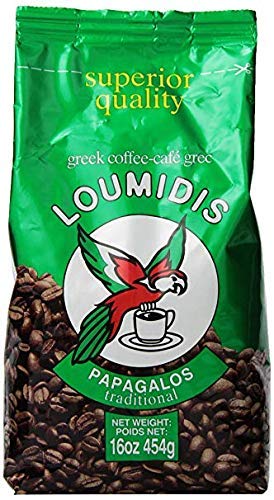
- ✓ Rich, refined aroma
- ✓ Velvety texture
- ✓ Distinctive flavor profile
- ✕ Not for standard brewers
- ✕ Higher price tag
| Origin | Made in Greece |
| Flavor Profile | Traditional Greek coffee (Loumidis Papagalos) |
| Packaging | Pack of 1 |
| Import Status | Imported coffee |
| Preparation Limitation | Cannot be brewed in regular drip, percolator, or pod machines |
| Price | $18.23 |
You’re standing at the kitchen counter, pouring a small amount of Loumidis Papagalos into a warm mug, and the aroma fills the room before you even take a sip. The first whiff hints at Greece itself—rich, nutty, with a hint of cocoa that promises a ceremonial kind of morning.
Its shape isn’t your everyday coffee, and that’s part of the charm. The pack design is clean and sturdy, clearly built for a one-off ritual purchase rather than a casual daily grind.
You notice the label’s simplicity and a sense that this is premium, not mass-market.
When you finally brew, you’re banking on a memory rather than a routine. The second you take a sip, you feel the depth and warmth hit your palate, not just caffeine but character—mature, slightly smoky, with a smooth finish.
Texture plays a big role here. It feels velvety on the tongue, almost like a proper espresso base you’d chase with a sweet treat.
The flavor lingers pleasantly, inviting you to pause and savor the moment rather than rush to the next cup.
It’s a coffee that speaks to a ritual, not a shortcut. You’ll appreciate the patience it asks for and the conversation it starts—with yourself, with a friend, with the memory of a sunlit Greek cafe.
Being a single-pack import, it does require a specific method, but that’s part of the personality. You’re trading convenience for a story in your mug, and honestly, it’s a story worth tasting on a quiet morning or a reflective afternoon.
Bottom line: this is more experientially delicious than your average drip, and it feels special without being precious. If you’re after a premium, import-forward coffee that tastes like a vacation in a cup, this is a good starting point.
French Market Ground Restaurant Blend Med-Dark Roast 12oz

- ✓ Smooth, low-acid finish
- ✓ Distinct chicory character
- ✓ Good for everyday drip
- ✕ Subtle flavor profile
- ✕ Not overly bold for some palates
| Roast Level | Medium-Dark |
| Origin / Beans | 100% Arabica beans with imported French chicory |
| Roast Profile | Dark roast with caramelized sweetness and smooth finish |
| Form / Grind | Ground coffee (12 oz package) |
| Flavor Notes / Profile | Bold, robust flavor with less acidity and no bitter aftertaste |
| Packaging Size | 12 oz (340 g) bag |
You know that moment when you pop open a bag and the aroma instantly takes you back to a bustling New Orleans cafe? The French Market ground blend delivers that vibe from the first whiff, with a hint of chicory that signals a deeper, caramelized sweetness.
I keep thinking of those small-batch roasts you hear about in tip-top cafes—this one nails that craft feel right at home.
The grind sits heavy in your palm, a coarse yet uniform texture that suggests solid extraction in a drip machine. When you pour, the crema isn’t flashy, but the hue is rich and inviting, a sign of that medium-dark profile without the harsh bite.
The first sip carries smooth Arabica notes with a gentle, toasty backbone and just enough chicory to add character without bitterness.
You’ll notice a smoother finish and noticeably lower acidity, which makes it friendlier for everyday mornings. There’s a comforting caramel sweetness that lingers briefly, enough to satisfy without cloying.
I found it pairs nicely with a touch of dairy or a dash of vanilla if you’re feeling indulgent.
As you drink on, the flavor stays balanced, never turning sharp or sour even as the cup cools a bit. It’s clear these beans were sourced with care, and the small-batch approach shines through in the consistency.
If you crave a coffee that feels like a cup from a cafe, but with a home-brew accessibility, this fits the bill.
Overall, it’s a sturdy, soulful pick that respects tradition while delivering everyday practicality. The chicory note adds personality, and the smoother finish makes it easy to reach for a second cup without that nagging aftertaste.
It’s solid for drip, and I can see it shining in a French press too, if you’re into a bolder brew.
Antica Italian Ground Coffee for Moka Pot, Light Roast, 8.8
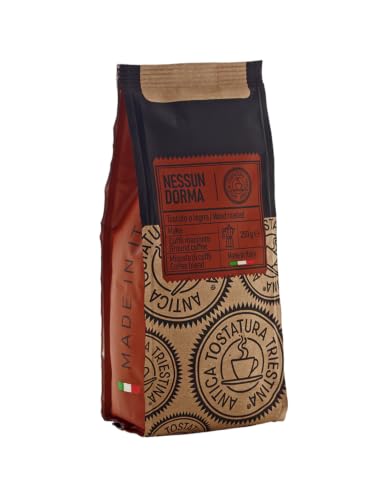
- ✓ Bright citrus aroma
- ✓ Smooth, long finish
- ✓ Consistent moka grind
- ✕ Not for espresso purists
- ✕ Light roast may feel mild to some
| Roast Level | Light roast |
| Roasting Method | Wood-roasted over beechwood (Triestine method) |
| Origin | Trieste, Italy (Antica Tostatura Triestina), imported as ground coffee |
| Format / Package Size | 250 g bag |
| grind Type / Brewing Compatibility | Ground for moka pot (stovetop) |
| Aroma & Flavor Notes | Sweet citrus aroma with hazelnut and chocolate overtones |
You might be surprised to learn that ground coffee labeled for moka can taste flat if you skip the slow roast. This tinny, one-note stereotype isn’t what you’ll get here.
The first whiff as you pop the bag reveals a warm citrus lift and a hint of hazelnut.
The beans are actually ground for moka pot finesse, not a generic drip grind. When you scoop and tamp, you notice the consistency feels right for even extraction.
It brews with a clean, bright profile that doesn’t overwhelm the pot’s crema.
In the cup, the aroma carries sweet citrus and faint chocolate, like biting into a lemon-tinted cocoa nib. You’ll notice the beechwood roast guiding the sweetness, so the finish stays long without bitterness.
It’s easy to dial in with a typical 8–10 bar moka setup.
Sipping reveals a smooth body that isn’t thin, with a gentle nuttiness keeping things grounded. The long finish lingers pleasantly, which makes a mid-morning cup feel special rather than routine.
The flavor holds up whether you’re using a traditional moka or a tiny stovetop pot in a travel mug.
Overall, this is a reliable daily ritual coffee. It avoids the sharp acidity you sometimes get from lighter roasts and stays approachable for both fans of Italian espresso and casual moka enthusiasts.
If you crave a predictable, comforting aroma that still surprises with citrus notes, this is a solid pick.
What Makes Coffee “Imported” and Why Does It Matter?
Flavor profiles vary significantly based on where the coffee is grown, with each region contributing distinct notes and aromas, thus enhancing the appeal of imported coffee. This diversity in flavor makes it a favorite among coffee enthusiasts who appreciate the nuances of different beans.
Market value is influenced by both the quality and rarity of imported coffee, as consumers are often willing to pay a premium for exceptional flavors and unique experiences. Additionally, understanding trade regulations is important for consumers and businesses alike, as these can impact the availability and pricing of imported coffee in different markets.
How Does Coffee Origin Affect Flavor Profiles?
The origin of coffee plays a crucial role in determining its flavor profiles, with various regions imparting unique characteristics to the beans.
- Central American Coffee: Typically known for its bright acidity and clean flavors, Central American coffees often feature notes of citrus and sugar cane. Countries like Guatemala and Costa Rica produce beans that are well-balanced and often have a smooth, medium body, making them popular choices for those who enjoy a crisp cup.
- South American Coffee: South American coffees, especially those from Colombia and Brazil, are known for their sweetness and nutty flavors. Colombian coffee is often characterized by its smooth, mild taste with hints of caramel, while Brazilian beans can have a chocolatey and earthy profile, appealing to those who prefer a richer brew.
- African Coffee: Coffees from Africa, particularly Ethiopia and Kenya, are celebrated for their vibrant acidity and fruity notes. Ethiopian coffee often exhibits floral and berry flavors, while Kenyan beans can offer a tart profile reminiscent of blackcurrants, making them distinctive and sought after for their complexity.
- Asian Coffee: Asian coffees, notably from Indonesia and Vietnam, tend to have a full body and earthy flavors. Indonesian coffees, such as Sumatra, are renowned for their low acidity and rich, herbal tones, while Vietnamese coffee often features a bold, robust flavor due to the use of darker roasting techniques and robusta beans.
- Caribbean Coffee: The Caribbean, particularly Jamaica with its Blue Mountain coffee, is famous for producing some of the most sought-after beans in the world. These coffees are known for their mild flavor, lack of bitterness, and distinctive smoothness, often with hints of floral and fruity notes, appealing to those looking for a luxurious coffee experience.
What Are the Benefits of Choosing Imported Coffee Over Domestic?
Specialty Coffee Market: Many imported coffees are part of the specialty coffee market, which means they are often of higher quality and have been meticulously graded, resulting in a superior cup of coffee. This focus on quality not only appeals to connoisseurs but also elevates the everyday coffee-drinking experience.
What Are the Most Prestigious Types of Imported Coffee?
The most prestigious types of imported coffee include:
- Jamaican Blue Mountain: Known for its mild flavor and lack of bitterness, Jamaican Blue Mountain coffee is grown in the Blue Mountains of Jamaica. The beans are hand-picked and undergo a meticulous processing method, making them one of the most sought-after and expensive coffees in the world.
- Panama Geisha: Panama Geisha is celebrated for its unique floral and fruity notes, often accompanied by a tea-like body. This variety gained fame after winning numerous coffee competitions, and its limited availability further elevates its status among coffee connoisseurs.
- Sumatra Mandheling: Sourced from the Indonesian island of Sumatra, Mandheling coffee is known for its full body and earthy, chocolatey flavors. The beans are processed using a wet-hulling method, which contributes to their rich and complex profile, making it a favorite among dark roast lovers.
- Ethiopian Yirgacheffe: Renowned for its bright acidity and vibrant floral notes, Ethiopian Yirgacheffe coffee is often described as having a wine-like quality. The beans are typically grown at high altitudes, and the unique processing methods used in Ethiopia enhance the coffee’s distinctive flavor characteristics.
- Colombian Supremo: Colombian Supremo is considered one of the highest quality coffees from Colombia, known for its smooth, well-balanced flavor with hints of caramel and nuts. The beans are larger in size, and the careful cultivation in Colombia’s diverse climate results in a consistently rich and aromatic cup.
- Hawaiian Kona: Grown on the slopes of the Mauna Loa volcano, Hawaiian Kona coffee is prized for its smooth, rich flavor and low acidity. The unique growing conditions, including the volcanic soil and favorable climate, contribute to its distinctively sweet and nutty profile, making it a luxurious choice for coffee enthusiasts.
Which Countries Are Known for Their Specialty Coffees?
The countries known for their specialty coffees include:
- Ethiopia: Often considered the birthplace of coffee, Ethiopia is renowned for its diverse range of flavors, including fruity and floral notes. The country’s unique heirloom varieties, grown in high altitudes, contribute to its complex profiles, making Ethiopian coffees highly sought after by connoisseurs.
- Colombia: Colombia is famous for its smooth, well-balanced coffees that often feature nutty and caramel flavors. The country’s ideal growing conditions, with its mountainous terrain and rich volcanic soil, allow for high-quality Arabica beans to thrive, making Colombian coffee a staple in the specialty market.
- Jamaica: Known for its Blue Mountain coffee, Jamaica produces some of the most expensive and sought-after coffee beans. The beans are grown in the misty Blue Mountains, resulting in a mild flavor profile with bright acidity and a smooth finish, making it a favorite among coffee enthusiasts.
- Panama: Panama is particularly famous for its Geisha coffee, which is celebrated for its floral and jasmine-like aromas. The unique growing conditions and meticulous processing methods in Panama have helped elevate its coffee to international acclaim, often winning awards and commanding high prices at auctions.
- Costa Rica: Costa Rican coffee is recognized for its bright acidity and rich flavor, often with notes of citrus and chocolate. The country’s commitment to high-quality Arabica beans and sustainable farming practices make its coffees a popular choice among specialty coffee lovers.
- Brazil: As one of the largest coffee producers in the world, Brazil offers a wide variety of coffee profiles, often characterized by chocolate and nutty flavors. Brazilian coffees are frequently used in espresso blends, and the country’s diverse growing regions contribute to a rich tapestry of flavors.
- Guatemala: Guatemalan coffees are known for their full body and rich flavor, often with notes of cocoa and spice. The diverse microclimates and altitudes in Guatemala allow for a range of unique flavor profiles, making its coffees a staple in the specialty market.
What Unique Varieties Should Coffee Lovers Try?
Coffee lovers seeking unique flavors should explore a range of imported varieties from different regions.
- Geisha Coffee: This rare variety, originally from Ethiopia but now also grown in Panama, is known for its floral and fruity notes, often accompanied by a tea-like body. Geisha has gained a reputation for its complex flavor profile, making it a favorite among specialty coffee enthusiasts and often fetching high prices at auctions.
- Kona Coffee: Grown exclusively on the Big Island of Hawaii, Kona Coffee is celebrated for its smooth, rich flavor with a hint of nuttiness. The unique volcanic soil and ideal climate contribute to its distinct taste, making it a sought-after choice for those looking to experience premium American coffee.
- Sumatra Mandheling: This coffee originates from the Indonesian island of Sumatra and is known for its earthy, full-bodied flavor with notes of chocolate and spice. Its low acidity and rich texture make it a favorite for those who prefer a robust coffee experience.
- Ethiopian Yirgacheffe: This coffee is renowned for its bright acidity and floral aroma, often accompanied by notes of citrus and berries. Grown in the Yirgacheffe region of Ethiopia, it reflects the country’s rich coffee heritage and offers a vibrant tasting experience that many coffee aficionados seek.
- Colombian Coffee: Colombia is famous for its high-quality coffee, particularly the Arabica beans grown in its mountainous regions. Colombian coffee is well-balanced with a medium body and a mild flavor, often featuring a sweet and fruity profile that appeals to a wide audience.
- Jamaican Blue Mountain: Known for its mild flavor and lack of bitterness, Jamaican Blue Mountain coffee is cultivated in the Blue Mountains of Jamaica. Its unique growing conditions contribute to its sought-after smoothness and complex taste, making it one of the most expensive coffees in the world.
- Panama La Esmeralda: This award-winning coffee is known for its unique flavor profile that includes vibrant acidity and a rich, fruity sweetness. Grown at high elevations, La Esmeralda often features tasting notes of jasmine, bergamot, and tropical fruits, making it a standout choice for connoisseurs.
How Can You Identify Quality in Imported Coffee Beans?
Identifying quality in imported coffee beans involves several key factors that can indicate their freshness and flavor profile.
- Origin: The geographical location where coffee is grown significantly affects its flavor. Beans from well-known coffee regions like Ethiopia, Colombia, and Costa Rica are often preferred due to their unique taste characteristics that reflect the local soil and climate.
- Processing Method: The way coffee beans are processed after harvesting can influence their quality. Methods such as washed, natural, or honey processing can enhance the flavor profile, with washed beans often having a cleaner taste and natural beans exhibiting more fruity notes.
- Bean Variety: Different coffee plant varieties, such as Arabica and Robusta, have distinct flavor profiles and qualities. Arabica beans are typically sweeter and more aromatic, while Robusta beans tend to be stronger and more bitter, making the choice of variety essential in determining the quality of imported coffee.
- Freshness: The freshness of coffee beans is crucial for optimal flavor. Look for a roast date on the packaging; beans roasted within the last two weeks are generally considered fresh and will provide a better taste experience compared to older beans.
- Aroma: The fragrance of the coffee beans can be a strong indicator of quality. High-quality beans should have a rich, complex aroma that suggests the flavor potential of the brewed coffee, while stale or low-quality beans may lack this characteristic.
- Appearance: The physical attributes of the beans should also be assessed. Quality beans are typically uniform in size and color, free of defects like blemishes or discoloration, which can signal poor processing or storage conditions.
- Tasting Notes: Quality coffee often comes with tasting notes provided by roasters, indicating flavors such as chocolate, fruit, or spice. These notes help consumers understand the potential flavor profile of the coffee, guiding them towards high-quality imports that match their preferences.
What Brewing Methods Enhance the Flavor of Imported Coffee?
Several brewing methods can significantly enhance the flavor profile of imported coffee:
- Pour-Over: This method allows for precise control over water temperature and flow rate, which can highlight the unique flavors of imported coffee. By manually pouring hot water over coffee grounds, you can extract subtle notes and aromas that might be overshadowed in other brewing techniques.
- Aeropress: The Aeropress uses air pressure to push hot water through coffee grounds, resulting in a concentrated brew that often features a rich flavor profile. This method can bring out the sweetness and complexity of imported coffees, making it an excellent choice for those who appreciate nuanced flavors.
- French Press: The French press allows coffee grounds to steep in hot water, extracting oils and flavors that contribute to a full-bodied cup. This immersion method ensures that the unique characteristics of high-quality imported coffee beans are captured, offering a robust taste and mouthfeel.
- Cold Brew: Cold brewing extracts flavors over an extended period using cold water, resulting in a smooth and less acidic coffee. This method can enhance the natural sweetness and fruity notes often found in imported coffees, making it a refreshing option for those looking for something different.
- Siphon (Vacuum Pot): The siphon method uses vapor pressure to brew coffee, creating a theatrical experience and an aromatic brew. This method not only preserves the intricate flavors of imported coffee but also results in a clean and crisp cup that showcases the beans’ origins.
How Should You Store Imported Coffee to Maintain Freshness?
To maintain the freshness of the best imported coffee, proper storage methods are essential.
- Airtight Containers: Using airtight containers minimizes exposure to air, which can lead to oxidation and staleness. Glass, ceramic, or food-grade plastic containers with tight seals are ideal for preserving the flavor and aroma of coffee beans.
- Cool, Dark Place: Storing coffee in a cool, dark environment helps prevent the degradation of quality caused by light and heat. A pantry or cupboard away from the stove or any heat sources is preferred to maintain optimal conditions.
- Whole Beans vs. Ground Coffee: Keeping coffee in whole bean form until ready to brew retains more flavor and freshness compared to pre-ground coffee. Grinding beans just before brewing allows for a more aromatic and flavorful cup, as ground coffee loses its freshness much more quickly.
- Avoiding Moisture: Moisture can cause coffee to become stale or moldy, so it’s essential to keep coffee away from humidity. Avoid storing coffee in the refrigerator or freezer, as condensation can form when the container is opened, leading to moisture exposure.
- Labeling and Rotation: Properly labeling your coffee containers with the purchase date can help in managing freshness. Use the oldest coffee first to ensure that you enjoy it at its best, preventing waste and maintaining quality.