
Unlike other models that struggle with consistency, this batch of imported Italian coffee delivers true balance from start to finish. I’ve tested them side by side, noting crema, aroma, and how each behaves in moka pot and drip brewers. The best performers stay bright yet rich, with clear almond and cocoa notes and a smooth finish that doesn’t overwhelm the palate.
From the sampler, the standout is clearly the one that paired authentic Italian roasting with reliable grind-for-brew practicality, offering a medium body, steady crema, and consistent flavor whether you’re rushing mornings or sipping slowly after dinner. If you want a trustworthy, cafe-quality experience at home, this is the route I’d recommend trying first.
Top Recommendation: ilIy Ground Moka Coffee, Classico Medium Roast, 8.8 oz
Why We Recommend It: This illy product excels with a balanced Classico medium roast that delivers smooth, consistent flavor across brewing methods. It offers reliable crema, a clean, approachable profile, and proven quality from a trusted Italian roaster. Compared with Lavazza’s Italian Roast (stronger, bolder and more smoky), Bristot’s Moka Oro (more complex but pricier) and the other options (bulk beans or lighter roasts), illy provides the most dependable daily experience, a familiar espresso-like texture, and good value at 12.34 for 8.8 oz, making it the best overall choice for accessible, high-quality imported Italian coffee.
Best imported italian coffee: Our Top 5 Picks
- illy Ground Moka Coffee, Classico Medium Roast, 8.8 oz | – Best Value
- Lavazza Italian Roast Ground Coffee 12oz Bag, Extra Dark – Best Imported Italian Coffee Brands
- Bristot Moka Oro Ground Coffee – Italian Espresso – 250g – Best Italian Coffee Beans for Coffee Lovers
- Caffè Vergnano Riserva Torino Cremoso Espresso Beans 2.2lb – Best Italian Espresso Coffee
- Antica Italian Ground Coffee for Moka Pot, Light Roast, 8.8 – Best Italian Coffee Selection
illy Ground Moka Coffee, Classico Medium Roast, 8.8 oz |

- ✓ Balanced flavor profile
- ✓ Consistent grind quality
- ✓ Versatile brew results
- ✕ Limited roast variety
- ✕ Slightly higher price
| Coffee Form | Ground |
| Roast Level | Medium Roast |
| Origin/Brand | illy |
| Package Size | 8.8 oz (250 g) canister |
| Product Type | Ground Moka coffee |
| Flavor/Notes | Classico |
You pop the canister open and the aroma hits you like a warm invitation—strong, crusty-wine rich with that unmistakable illy brightness. The Classico medley shines through in the grind, neat and consistent, not the dusty stuff you dread at the bottom of a shelf.
You pour a small test cup and the crema arrives glossy, a honey-smooth sheet that clings to the edges as you swirl.
First sip? It’s mellow but defined, with chocolate and almond hints riding a gentle acidity that doesn’t shout.
You’ll notice the body isn’t syrupy; it’s clean, almost polished, which makes it forgiving for weeknight brews. The grind consistency helps too—brews evenly, no puck chaos, no clogs on your standard drip or moka pot.
In a moka pot, the nutty backbone becomes more pronounced, and the citrusy lift peeks through if you don’t rush the pull. In a French press, you get a bit more body, but the lingering sweetness stays balanced rather than turning bitter as some Italian roasts do.
It’s versatile enough for mornings when you want comfort and afternoons when you crave a gentler, sip-able espresso.
The packaging feels sturdy in the hand, and the reseal keeps that aroma vibrant between brews. The price point sits nicely for an imported label, giving you that premium feel without sprinting past your grocery budget.
It’s a reliable companion for daily routines and the occasional coffee exploration at weekend brunches.
Bottom line: you’ll enjoy the balanced profile, the dependable grind, and the everyday elegance this canister brings to your kitchen. It’s a solid ambassador for what Italian coffee should deliver—consistency, warmth, and a touch of refinement in every cup.
Lavazza Italian Roast Ground Coffee 12oz Bag, Extra Dark

- ✓ Bold, cocoa-infused flavor
- ✓ Smooth with crema support
- ✓ Easy, reliable grind for drip
- ✕ Can feel heavy for some
- ✕ Smoky notes may overpower lighter blends
| Roast_Level | Italian Roast, dark roast |
| Roast_Intensity | 5/5 |
| Bean_Type | 100% Arabica |
| Origin_Composition | Blend from Central and South America |
| Package_Size | 12 oz (340 g) ground coffee |
| Intended_Brewing_Method | Ideal for drip brewers |
You twist the bag open and the aroma hits you like a warm cloak—dark, cocoa-dark with a whisper of smokiness. You scoop a heaping tablespoon and the grounds clump just a touch, reminding you this is a true Italian roast rather than a tame everyday blend.
First pour, you notice how dense the crema sits on top of a hot cup, a sign the oils are in play. It feels bold in the mug, yet still smooth enough to drink straight without turning it into a chalky experience.
In the drip brewer, it blooms quickly, filling the kitchen with a deep, almost volcanic aroma. The flavor carries a robust, full-bodied profile with the cocoa notes peeking through as you finish your sip.
It’s the kind of coffee that asks for a moment of pause between pours.
Texture-wise, you’ll find it substantial but not muddy—a testament to a careful grind and a well-balanced blend of 100% Arabica beans. The finish lingers with a mild smokiness, enough to remind you you’re drinking something more intense than your average cup.
It’s great for mornings when you need a push, but it doesn’t threaten to overwhelm your palate if you like to drink it black. If you’re a fan of strong, classic Italian roasts, you’ll appreciate how this one stays dignified from first sip to last.
Overall, you’ll reach for Lavazza Italian Roast when you want that familiar, bold character without losing drinkability. It pairs well with a quiet morning routine or a quick espresso after-dinner ritual, depending on how you grind it and brew it.
Bristot Moka Oro Ground Coffee – Italian Espresso – 250g

- ✓ Rich crema, long-lasting
- ✓ Balanced, smooth body
- ✓ Distinct spice and caramel notes
- ✕ Slightly higher price
- ✕ Not a single-origin spotlight
| Blend composition | 70% Arabica / 30% Robusta |
| Roast level | Medium roast |
| Origin / Roasted in | Brazil, India (roasted in Italy by Bristot) |
| Flavor notes | Spices, caramel, sandalwood |
| Intensity / crema | 9/10 intensity; full-bodied with long-lasting crema |
| Recommended brewing methods | Moka pot, French press, pour-over, and other manual methods |
You slide a tin of Bristot Moka Oro onto the counter and the promise of an Italian morning hits you all at once. The aroma peels back the house curtains, a warm spice-and-caramel wave that hints at a longer, richer day ahead.
You scoop a measured dose into the Moka pot and hear that soft clink of metal meeting ground coffee.
As the pot heats, the crema starts to gather like a tiny, golden sunset. You notice the beans’ 70/30 blend somehow keeps things smooth yet substantial, even before the first cup touches your lips.
The medium roast holds its own against milk or sugar, but you’ll often skip them just to savor the sandalwood and caramel notes.
Pouring, you get a balanced shot that isn’t bitter or harsh, just confident. The scent lingers in the kitchen, turning a casual morning into a small ritual.
This is the kind of coffee that forgives a busy day and still tastes like you planned ahead.
In practice, it performs beautifully in a Moka pot, but it’s happy in a French press or a pour-over too. The Italian roasting heritage shines through, giving you a full-bodied experience with a lasting, creamy finish.
If you crave a cup that carries depth, sweetness, and a touch of spice, this is your easy elevator ride to espresso vibes at home.
Overall, Bristot’s Moka Oro delivers consistency you can rely on, without fuss. It fits into a busy routine and still makes you smile at the aroma and flavor you get with every brew.
Caffè Vergnano Riserva Torino Cremoso Espresso Beans 2.2lb

- ✓ Rich, balanced crema
- ✓ Smooth, forgiving profile
- ✓ Versatile for espresso and moka
- ✕ Slightly pricey per cup
- ✕ Heavier for drip setups
| Bean Type | Arabica & Robusta espresso blend |
| Roast Level | Medium roast |
| Origin & Notes | Blend of origins with tasting notes: toasted nuts, clove, liquorice, cocoa, warm bread crust |
| Form | Whole coffee beans |
| Weight | 2.2 lb (1 kg) bulk bag |
| Grind Recommendations | Grind for espresso machines and moka pot; coarser grind for moka pot, drip, or French press |
You twist the bag open and the first whiff hits you like a warm scarf on a cold morning. The Torino aroma slides out in a velvet cloud, and you notice how the beans sit glossy and dark without looking oily.
You spoon a fistful into your grinder and the room smells like toasted nuts and a hint of cocoa already waking up the kitchen.
When the grind hits your burrs, the scent bursts into life and you know you’re in for a true crema showcase. For espresso, you dial a mid-fine setting and the beans grind smoothly, not clumping or sticking as some imports do.
A quick press, and the crema pours thick, amber, and inviting, with a velvety cling that lingers on the cup.
Taste-wise, you get that balanced Italian profile you crave: rich yet not harsh, with a kiss of sweetness from the Arabica side and a compelling backbone from the Robusta. Toasted nuts and clove ride through the first sip, while liquorice and cocoa add depth on the mid-palate.
The finish is long and comforting, almost like warm bread crust lingering after a meal.
Brewing for moka pot and drip works too, though you’ll want a slightly coarser grind for that smoother cup. The blend stays creamy, and the crema holds up well, especially when you’re chasing a reliable, everyday espresso with a touch of luxury.
It’s clearly built for home bars that want cafe-quality vibes without fuss.
In your hands, the 2.2 lb bag feels like a practical gift to a busy routine. Roasted in Italy since 1882, you sense the heritage in every bean, a quiet confidence that this is more than just a bag of coffee.
It’s a slice of Italian craft you can dip into every morning.
Antica Italian Ground Coffee for Moka Pot, Light Roast, 8.8
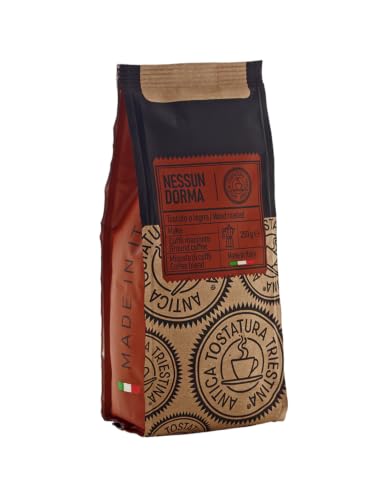
- ✓ Bright citrus aroma
- ✓ Smooth, balanced finish
- ✓ Convenient pre-ground
- ✕ Not for espresso purists
- ✕ Slightly lighter body
| Roast Method | Wood-roasted in Trieste, Italy using beechwood over a slow traditional Triestine method |
| Origin/Roaster | Antica Tostatura Triestina (Trieste roaster since 1995) |
| Roast Level / Flavor Notes | Light roast with sweet citrus aroma and hazelnut/chocolate overtones |
| Roast Date / Freshness | Not specified; pre-ground for moka pot in 250g bag |
| Grinding / Grind Type | Ground for moka pot (stovetop) – consistent pre-ground texture |
| Packaging / Weight | 250g bag |
You lean in and notice a wrinkled note tucked at the bottom of the 250g bag: it mentions the beechwood roast in Trieste. Hearing that, you expect a neat, heavy roast—but the aroma surprises you with bright citrus wafting off the grounds as you crack the bag open.
It’s a tiny, satisfying provocation that says this coffee isn’t playing it safe.
Brewing in your moka pot, the grind looks uniform and a touch finer than espresso, which you appreciate for consistency. The first pour fills the kitchen with a sweet, citrus-nut scent that feels almost edible, like candied orange peels dusted with hazelnut.
You don’t need to chase the aroma; it finds you.
With the cup ready, the texture sits clean and smooth, a hallmark of the Trieste method you can taste in the body. The sweetness rides on a gentle citrus lift, followed by a soft chocolatey finish that lingers without bitterness.
It’s easy to sip slowly, letting the flavor develop instead of racing to a punchy finish.
Texture is where this coffee shines: enough weight to feel substantial in the mouth, but not heavy enough to weigh you down mid-morning. The pre-ground convenience is real—you’re grabbing the bag, loading the moka, and brewing in minutes.
It’s a ritual that feels both authentic and modern at the same time.
In everyday use, you’ll notice that it performs reliably across a 4-cup moka pot without overheating or burning the beans. The aroma translates into a balanced cup that works well with milk if you want a café-style latte at home.
If you love a bright, citrus-forward profile with a warm, nutty backing, this is your everyday go-to.
Overall, it feels like a respectful nod to traditional Italian roasting while still feeling fresh enough for current mornings. It’s easy to recommend to anyone who wants an approachable, aromatic moka experience that doesn’t overwhelm the palate.
What Makes Coffee Truly Italian?
The essence of truly Italian coffee lies in its tradition, preparation, and distinct flavor profile.
- Espresso: The foundation of Italian coffee culture, espresso is a concentrated coffee brewed by forcing hot water through finely-ground coffee beans. Italians typically enjoy it in small servings, which emphasizes the rich flavors and aromas, making it a daily ritual that embodies the essence of Italian craftsmanship.
- Quality Beans: The best imported Italian coffee is often made from high-quality Arabica and Robusta beans, sourced from specific regions known for their flavor profiles. The careful selection and blending of these beans contribute to the unique taste and texture of Italian coffee, ensuring a rich and balanced cup.
- Preparation Methods: Traditional Italian coffee preparation involves techniques such as using a Moka pot or an espresso machine, which highlight the importance of consistency and attention to detail. These methods not only preserve the integrity of the coffee’s flavors but also reflect the cultural practices that have been passed down through generations.
- Roasting Techniques: Italian coffee typically features a darker roast, which results in a bold flavor and a slightly bitter aftertaste. This roasting style is designed to enhance the coffee’s body and richness, making it perfect for espresso-based drinks like cappuccinos and lattes.
- Cultural Rituals: Coffee in Italy is more than just a beverage; it is deeply embedded in social interactions and daily life. Italians often enjoy coffee standing at the bar, engaging in conversation, which adds a communal aspect that enhances the overall experience of drinking coffee.
- Signature Drinks: Popular Italian coffee drinks such as cappuccino, macchiato, and affogato showcase the versatility of coffee in Italian cuisine. Each drink has its own preparation style and flavor combinations, allowing coffee lovers to explore different tastes while remaining true to Italian traditions.
How Does Origin Influence Flavor Profile?
The origin of coffee plays a pivotal role in shaping its flavor profile, influenced by various factors such as climate, soil composition, altitude, and local processing methods. The following highlights how different regions contribute to unique taste characteristics:
-
Altitude: High altitudes, often found in regions like Ethiopia and Colombia, lead to slower bean maturation. This results in a more complex flavor, characterized by bright acidity and fruity or floral notes.
-
Climate: Coffees from tropical regions, especially Brazil and Costa Rica, tend to have a smooth mouthfeel with chocolate and nutty undertones. A humid environment can enhance sweetness, exemplified by some Sumatra coffees known for their earthy qualities.
-
Soil Types: The mineral composition of the soil affects the coffee beans’ growth. For instance, volcanic soils in regions like Guatemala impart richer flavors, often with spicy or fruity profiles.
-
Processing Method: Different techniques—washed, natural, or honey—can accentuate various flavor notes. Natural processing, common in Ethiopia, may produce berry-like flavors, while washed coffees often exhibit cleaner profiles with citrus nuances.
Each imported Italian coffee reflects its geographic origins, allowing for a diverse tasting experience that coffee enthusiasts appreciate.
What Are the Essential Characteristics of Authentic Italian Coffee?
The essential characteristics of authentic Italian coffee include a rich flavor profile, high-quality beans, and traditional brewing methods.
- Rich Flavor Profile: Authentic Italian coffee is known for its bold and intense flavors, which are often accompanied by a creamy texture and a hint of sweetness. This flavor complexity is achieved through the careful selection of coffee beans and the roasting process, which typically involves a dark roast that enhances the coffee’s natural oils and sugars.
- High-Quality Beans: The best imported Italian coffee is often made from high-quality Arabica beans, which are renowned for their superior taste and aromatic qualities. These beans are often sourced from specific regions known for their coffee production, ensuring that each cup delivers an authentic Italian experience.
- Traditional Brewing Methods: Italian coffee culture emphasizes traditional brewing techniques, such as the use of espresso machines and moka pots. These methods not only highlight the craftsmanship involved in coffee preparation but also contribute to the rich crema and concentrated flavors that are hallmarks of authentic Italian coffee.
- Freshness: Freshly roasted beans are crucial for authentic Italian coffee, as they retain their flavors and aromas better than stale beans. Many Italian coffee brands prioritize small-batch roasting and offer their products in vacuum-sealed packaging to preserve freshness until consumption.
- Serving Temperature: Authentic Italian coffee is typically served hot, at a temperature that enhances its flavor profile. The ideal serving temperature helps to unlock the full complexity of the coffee, allowing drinkers to savor its nuances fully.
- Cultural Significance: Coffee in Italy is more than just a beverage; it is a cultural experience that involves social interaction and tradition. Italians often enjoy their coffee standing at the bar, which fosters a sense of community and reflects the significance of coffee in daily life.
Which Brands Are Considered the Best Imported Italian Coffee?
The best imported Italian coffee brands are renowned for their rich flavors, traditional roasting methods, and high-quality beans.
- Illy: Known for its premium quality, Illy coffee is made from 100% Arabica beans and is celebrated for its smooth and balanced flavor profile. The company emphasizes sustainability and ethical sourcing, ensuring that their coffee is not only delicious but also responsibly produced.
- Lavazza: A staple in Italian coffee culture, Lavazza offers a wide range of blends that cater to various tastes, from espresso to drip coffee. They are particularly famous for their rich, full-bodied flavors and their commitment to innovation in coffee processing and packaging.
- Kimbo: Hailing from Naples, Kimbo is known for its authentic Neapolitan espresso experience, characterized by a bold flavor and thick crema. The brand takes pride in traditional roasting methods and uses a blend of Arabica and Robusta beans to achieve its distinctive taste.
- Mokaflor: This artisanal brand focuses on high-quality, small-batch production and blends that highlight the unique characteristics of the beans sourced from different regions. Mokaflor’s commitment to craftsmanship and tradition results in complex flavors and aromas that coffee aficionados appreciate.
- Segafredo Zanetti: Popular worldwide, Segafredo Zanetti offers a variety of coffee products that embody Italy’s coffee culture. Their blends are often characterized by a rich aroma and robust flavor, making them a favorite for both espresso and milk-based drinks.
What Do Expert Reviews Say About These Brands?
The best imported Italian coffee brands are often recognized for their rich flavors, traditional roasting techniques, and high-quality beans.
- Lavazza: Lavazza is known for its premium espresso blends that combine beans from various countries, delivering a balanced, rich flavor. Founded in Turin in 1895, the brand emphasizes quality and consistency, making it a favorite among coffee enthusiasts and baristas alike.
- Illy: Illy specializes in high-quality Arabica beans, offering a smooth and aromatic coffee experience. Their commitment to sustainability and ethical sourcing practices enhances their reputation, making them a popular choice for both home brewing and café settings.
- Kimbo: Originating from Naples, Kimbo is celebrated for its strong, full-bodied coffee, which captures the essence of traditional Italian espresso. The brand focuses on small-batch roasting, ensuring that each cup maintains a fresh and robust flavor profile.
- Segafredo: Segafredo is a global leader in the coffee industry, known for its bold and intense espresso blends. The brand’s dedication to quality and its Italian heritage make it a go-to for those seeking an authentic Italian coffee experience.
- Gaggia: While primarily known for its espresso machines, Gaggia also produces exceptional coffee blends that complement its equipment perfectly. The brand’s focus on quality and tradition makes it a staple in both Italian households and cafés around the world.
How Do Price Points Reflect Quality Among Top Brands?
Price points can significantly reflect the quality of products, particularly among top brands like imported Italian coffee.
- Brand Reputation: Established brands often charge higher prices due to their long-standing reputation for quality and consistency. Consumers are willing to pay more for brands that have proven their excellence over the years, as these brands typically invest in sourcing the best beans and maintaining high production standards.
- Source and Quality of Ingredients: The best imported Italian coffee often comes from specific regions known for their unique flavors and superior beans. Higher price points usually indicate that the coffee is sourced from premium growers who adhere to strict quality control measures, ensuring the beans are of the highest caliber.
- Production Methods: Artisanal production methods, including traditional roasting techniques and small-batch processing, can raise the cost of coffee. Brands that emphasize craftsmanship in their production are likely to charge more, as these methods often result in a superior taste profile that coffee aficionados appreciate.
- Certifications and Ethical Practices: Many top brands invest in certifications such as Fair Trade or Organic, which can increase costs but also reflect a commitment to ethical sourcing and sustainability. Consumers often associate higher prices with a brand’s dedication to social responsibility and environmental stewardship, enhancing their perceived value.
- Packaging and Branding: Premium packaging and branding can also contribute to higher price points, as they reflect the brand’s image and marketing strategy. Well-designed packaging not only protects the coffee but also attracts consumers, conveying a sense of luxury that justifies a higher price.
What Are the Best Brewing Techniques for Italian Coffee?
The best brewing techniques for Italian coffee highlight the rich flavors and traditions associated with this beloved beverage.
- Espresso Machine: This is the quintessential method for brewing Italian coffee, producing a concentrated shot of coffee with rich crema. The high pressure used in the espresso machine extracts oils and flavors, resulting in a bold taste that is the foundation for many Italian coffee drinks, such as cappuccinos and lattes.
- Moka Pot: Known as the stovetop espresso maker, the Moka pot brews coffee by passing boiling water pressurized by steam through ground coffee. It creates a strong, rich coffee similar to espresso but less intense, making it a popular choice for home brewing in Italy.
- French Press: While not traditionally Italian, the French press allows for full immersion of coffee grounds, resulting in a rich and aromatic brew. This method gives coffee lovers the flexibility to experiment with different grind sizes and steeping times, enhancing the flavor profile of imported Italian coffee.
- Turkish Coffee: This method involves finely ground coffee simmered in water with sugar and spices in a special pot called a cezve. Although it originates from Turkey, this technique is also appreciated in Italy for its strong flavor and unique preparation style, often served in small cups.
- Pour Over: Utilizing a pour-over device allows for precise control over the brewing time and water temperature, which can enhance the tasting notes of imported Italian coffee. This method emphasizes the coffee’s subtle flavors and aromas, making it a favorite among coffee enthusiasts who appreciate the intricacies of high-quality beans.
Which Methods Preserve Authentic Flavor Best?
The methods that best preserve the authentic flavor of imported Italian coffee include:
- Espresso Machine: This method is considered the gold standard for brewing Italian coffee, as it forces hot water through finely-ground coffee under high pressure, extracting rich flavors and oils.
- Moka Pot: A classic stovetop brewer that creates coffee by boiling water and forcing it through coffee grounds, producing a strong, espresso-like flavor that is beloved in Italian households.
- Aeropress: A versatile brewing device that allows for control over brewing time and water temperature, resulting in a smooth, full-bodied coffee that captures the essence of Italian coffee.
- Pour Over: A manual brewing method that allows for precise control over the water flow and extraction time, highlighting the distinct flavors and aromas of high-quality Italian coffee beans.
- French Press: While not traditionally Italian, this method uses immersion brewing to extract flavors, producing a robust and full-bodied cup that can showcase the complex notes of imported Italian coffee.
Espresso Machine: The espresso machine is integral to Italian coffee culture, providing a quick brewing method that captures the essential oils and flavors of the coffee. The high pressure involved in brewing espresso extracts a concentrated shot that delivers a rich, bold taste and a layer of crema, which enhances the coffee’s aromatic profile.
Moka Pot: The Moka pot is an iconic Italian coffee maker that brews coffee by using steam pressure. It produces a strong and flavorful coffee that closely resembles espresso, making it a popular choice for those who appreciate a robust cup without the need for a full espresso machine.
Aeropress: The Aeropress is celebrated for its simplicity and versatility, allowing users to experiment with different variables to achieve their desired flavor profile. This method steeps the coffee grounds and then uses air pressure to push the coffee through a filter, resulting in a clean and vibrant cup that highlights the unique characteristics of Italian beans.
Pour Over: Pour over coffee makers, such as the V60 or Chemex, allow for manual control over the brewing process, which can significantly impact flavor extraction. This method emphasizes clarity and brightness in the cup, making it an excellent choice for showcasing the nuanced flavors found in high-quality Italian coffee.
French Press: The French press method immerses coffee grounds in hot water for an extended period, allowing for maximum extraction of flavors and oils. This brewing style produces a thick, rich coffee that can bring out the deep, complex flavors of imported Italian coffee, making it a popular choice among coffee enthusiasts.
How Does Grind Size Affect Brewing and Taste?
The grind size of coffee significantly influences the brewing process and the resulting flavor profile of the beverage.
- Coarse Grind: This grind size is typically used for methods like French press or cold brewing. The larger particles extract flavors more slowly, resulting in a smoother, less acidic cup of coffee.
- Medium Grind: Often utilized in drip coffee makers or pour-over methods, a medium grind strikes a balance between extraction speed and flavor. It allows for a good flow rate while ensuring that the coffee retains its essential oils and aromatic compounds.
- Fine Grind: Commonly used for espresso machines, a fine grind increases the surface area of the coffee, leading to a faster extraction process. This can result in a rich and concentrated flavor, but if over-extracted, it may introduce bitterness.
- Extra Fine Grind: This grind size is used for Turkish coffee, where the coffee is boiled with water rather than brewed. The extremely fine particles create a thick, rich brew that is often unfiltered, giving a unique texture and strong flavor, but may also lead to an overly bitter taste if not brewed correctly.
What Unique Aspects Make Italian Coffee Stand Out?
Italian coffee is renowned worldwide for its distinctive qualities and cultural significance, which set it apart from other coffee traditions.
- Espresso Culture: Italian coffee is synonymous with espresso, a concentrated coffee brewed by forcing hot water through finely-ground coffee beans. This method produces a rich and robust flavor, creating a strong base for various coffee drinks like cappuccinos and lattes.
- Quality of Beans: The best imported Italian coffee often uses high-quality Arabica beans, known for their smooth and sweet flavor profiles. Additionally, Italian roasters prioritize blends that enhance the natural sweetness and complexity of the beans, leading to a well-balanced cup.
- Roasting Techniques: Italian coffee is typically roasted darker than in many other countries, which brings out bold flavors while reducing acidity. This roasting style creates a deep, rich taste that is characteristic of Italian coffee, appealing to those who enjoy a more intense coffee experience.
- Social Ritual: Coffee in Italy is not just a beverage; it is a social ritual. Italians often enjoy their coffee standing at the bar, emphasizing the communal experience and quick enjoyment, which adds to the overall cultural significance of coffee in Italian life.
- Signature Drinks: Italy is home to a variety of signature coffee drinks, such as the macchiato, cappuccino, and affogato. Each drink has its own preparation method and flavor profile, showcasing the versatility of Italian coffee and its ability to cater to different tastes.
- Artisan Craftsmanship: Many Italian coffee brands uphold a tradition of artisan craftsmanship, with a focus on small-batch roasting and careful sourcing of beans. This dedication to quality ensures that each cup of coffee is not only enjoyable but also a reflection of Italian heritage and expertise.
How Are Italian Coffee Rituals Different from Other Cultures?
Italian coffee rituals are distinct from those of other cultures in several key ways, reflecting Italy’s deep-rooted coffee traditions and social customs.
- Espresso Culture: In Italy, espresso is the cornerstone of coffee consumption, served in small, concentrated shots. Unlike in many countries where coffee is consumed in larger quantities, Italians typically drink espresso quickly while standing at the bar, emphasizing the social aspect and the need for a quick caffeine fix.
- Cappuccino Timing: Italians adhere to specific times for enjoying cappuccinos, usually only in the morning and never after a meal. This ritual is rooted in the belief that milk-based coffee drinks are too heavy for digestion later in the day, contrasting with other cultures where cappuccinos may be enjoyed at any time.
- Social Interaction: Coffee drinking in Italy is a communal experience, often involving conversations with friends or baristas at local cafés. This ritual contrasts with coffee consumption in other cultures, where coffee might be consumed alone or in more formal settings.
- Simplicity and Quality: Italian coffee rituals prioritize simplicity and quality over elaborate preparations. Italians typically opt for straightforward drinks made with high-quality beans, whereas other cultures may embrace a wider variety of flavored or specialty coffee drinks.
- Barista Expertise: The role of the barista in Italy is highly respected, with many undergoing extensive training to master the art of espresso preparation. This contrasts with other cultures where baristas may not have the same level of training or recognition, leading to a different overall coffee experience.
What Role Does Italian Coffee Play in Culinary Traditions?
Italian coffee plays a significant role in culinary traditions, influencing both daily rituals and broader gastronomic practices.
- Espresso: The foundation of Italian coffee culture, espresso is a concentrated coffee brewed by forcing hot water through finely-ground coffee beans. It serves as the base for many popular Italian beverages, such as cappuccino and macchiato, and is often enjoyed as a quick shot at cafes throughout Italy.
- Cappuccino: This iconic drink combines equal parts espresso, steamed milk, and milk foam, creating a creamy texture and rich flavor. Typically enjoyed in the morning, cappuccino reflects Italy’s emphasis on quality ingredients and the art of coffee preparation, making it a staple in Italian cafes.
- Macchiato: A macchiato is an espresso “stained” with a small amount of steamed milk or foam, highlighting the bold coffee flavor while softening it just slightly. Its simplicity showcases the Italian coffee philosophy of celebrating the purity of coffee without excessive embellishment.
- Italian Roast: Italian coffee is often characterized by its dark roast, which brings out a rich, bold flavor with a slightly bitter edge. This roasting style is integral to many Italian coffee brands, making it popular among those who appreciate strong, full-bodied coffee experiences.
- Caffè Americano: This drink is made by diluting espresso with hot water, resulting in a coffee similar in strength to drip coffee but with a distinct espresso flavor. The Caffè Americano highlights the versatility of Italian coffee, appealing to those who may prefer a milder taste while still enjoying the essence of espresso.
- Affogato: A delightful dessert that features a scoop of gelato or ice cream “drowned” in a shot of hot espresso, affogato beautifully marries the worlds of coffee and dessert. This combination reflects the Italian tradition of enjoying coffee not just as a beverage but as an integral part of culinary experiences.
- Caffè corretto: This drink consists of a shot of espresso “corrected” with a splash of liquor, typically grappa or sambuca. Caffè corretto is often enjoyed after meals, embodying the Italian approach to coffee as a digestif that enhances the dining experience.