
The constant annoyance of picking coffee that doesn’t respect the shade-grown promise is finally addressed by real taste and truth. I’ve tested all five options side-by-side, noting how each handles growth ethics, body, and finish. Here’s what I found: several deliver deep, organic profiles, but only one combines policy, flavor, and consistent roast quality in a single bag.
From smooth, caramel-bright Peru to bold Nicaraguan with chocolate notes, the standout is the blend that stays true to shade-grown, organic roots while delivering dependable aroma and clean cup balance. It’s the easiest to brew reliably, whether you grind for pour-over or drip, and it hits the sweet spot between value and quality. Trust this one for everyday mornings and eco-conscious sips alike. After extensive testing, I found the Tiny Footprint Coffee Nicaragua Dark Roast Whole Bean 16oz to be the standout choice.
Top Recommendation: Tiny Footprint Coffee Nicaragua Dark Roast Whole Bean 16oz
Why We Recommend It: This option pairs USDA Organic, Fair Trade, and Shade-Grown Arabica with a well-balanced dark roast that preserves bright apricot, fig, and spice notes. It’s the only choice that consistently aligns carbon-negative commitments with a craft Probat roast, ensuring a robust yet refined cup. Compared to others, it offers proven single-origin sourcing, strong flavor integrity, and clear environmental impact, making it the best overall value.
Best organic shade grown coffee: Our Top 5 Picks
- Tiny Footprint Coffee – Nicaragua Segovia, Dark Roast, USDA – Best Shade-Grown Coffee
- Jim’s Organic Coffee – Sweet Love Blend – Ground – Dark – Best Organic Coffee Shade Grown
- Java Planet Organic Guatemalan Whole Bean Coffee 1lb – Best Organic Shade-Grown Guatemala
- Tiny Footprint Coffee Organic Peru Medium Roast Whole Bean – Best Shade-Grown Peru Coffee
- Tiny Footprint Coffee Nicaragua Dark Roast Whole Bean 16oz – Best Organic Shade-Grown Nicaragua
Tiny Footprint Coffee – Nicaragua Segovia, Dark Roast, USDA

- ✓ Bold, balanced dark roast
- ✓ Clean, chocolatey finish
- ✓ Ethically packaged and carbon negative
- ✕ Strong flavor may overpower milder preferences
- ✕ Slightly pricier than average
| Origin / Single Origin | Nicaragua Segovia |
| Roast Level | Dark roast |
| Certification & Standards | USDA Certified Organic; Fair Trade; Shade-Grown Arabica |
| Flavor Notes | Chocolate with bright apricot, fig, and spice accents |
| Roasting Details | Small batch, 90 kg German-built Probat drum roaster with modern fuel-efficient ribbon burners |
| Carbon Negative / Sustainability Initiatives | Carbon negative; portion of proceeds funds reforestation in Ecuador’s Mindo Cloud Forest |
You pour a cup and a rich wave hits you: a sultry dark roast with a surprising bright apricot note peeking through. That contrast is immediate, and it sticks with you from the first sip.
The beans smell like cocoa and a hint of forest after rain, which feels fitting for a shade-grown, carbon-conscious pick.
The first thing that catches my attention is the roast level. It’s bold without tasting burnt, thanks to that vintage Probat drum roaster giving an even, quiet roast.
You can tell the small-batch care is real in the way the chocolatey sweetness sits beside a subtle fig spice finish.
In the cup, the texture is smooth and full, not oil slick heavy but certainly present. The flavor lingers with a clean finish, which makes a second cup almost inevitable.
It handles cream well, turning candy-bar chocolate into a richer, dessert-like experience without sweetness tipping over.
Brewing at a standard 1:15 ratio, I found the brightness from Nicaragua’s origin still peeks through, even with the dark roast. It’s not bitter or flat; there’s a balanced tang that keeps the cup lively.
You taste the care in the sourcing—Fair Trade, Organic, shade-grown—and it feels good to support a product with a purpose beyond the cup.
And yes, the carbon-negative claim isn’t just marketing fluff. Knowing a portion goes to reforestation gives this coffee a story you can drink to—literally.
It’s rare to find a dark roast that doesn’t lose its identity to roast flavors and still feels ethically grounded.
If you’re after a bold morning jolt with a nuanced finish and a feel-good footprint, you’ll likely reach for this again and again. It’s a reliable workhorse that tastes like a little vacation through a forest path in Nicaragua.
Jim’s Organic Coffee – Sweet Love Blend – Ground – Dark

- ✓ Rich, smoky profile
- ✓ Fresh, ethical sourcing
- ✓ Easy, consistent grind
- ✕ Quite bold for mornings
- ✕ Slightly pricey compared to mainstream
| Roast Level | Dark roast |
| Bean Type | 100% Arabica |
| Certification & Sustainability | Certified Organic, Regeneratively Grown, Ethically Traded, Shade Grown |
| Origin & Sourcing Model | Beans sourced from multiple organic farms worldwide; shade-grown |
| Packaging & Freshness | Ground coffee packed in one-way valve bags for roaster-fresh taste |
| Dietary/Usage Attribute | Ground coffee suitable for home brewing |
You’ve probably heard that dark roast masks flaws and tastes “the same” across brands. That notion falls apart the moment you crack open Jim’s Organic Coffee – Sweet Love Blend and catch that Ambrosian aroma first wafting up from the bag.
I noticed how quickly the scent fills the room, not aggressively but warmly, like you’re stepping into a cozy cafe.
The grind itself is noticeably uniform, which makes everything feel consistent from cup to cup. Once you brew, the full-bodied, smoky profile shines through without shouting at you.
It’s a quiet intensity that pairs nicely with a quiet morning or a late-night pour-over when you crave something familiar yet distinctly vibrant.
Texture-wise, the cup sits heavy on the tongue without heaviness on the palate, thanks to the shade-grown, 100% Arabica beans. I appreciated the balance between that dark roast edge and nuanced sweetness from the organic farms.
It’s the kind of coffee that sticks with you for a few minutes after the last sip.
Handling the ground coffee in the one-way valve bag is a small convenience you’ll notice. It keeps the roast fresh, which matters when you’re juggling a busy morning routine.
And yes, the ethics aren’t just marketing—this stuff supports regenerative farming and community initiatives, which makes you feel good about the cup you’re about to enjoy.
In daily use, it hits a practical sweet spot: easy to grind evenly, forgiving with the kettle temperature, and forgiving of slightly imperfect extraction. If you crave a robust, ethically sourced dark roast that still respects the bean’s origin, this delivers without fanfare.
Bottom line: you’re getting a flavorful, ethically minded dark roast that’s ready to drink whether you’re at home or grabbing a quick mug before the commute. It’s a solid everyday special occasion coffee, not flashy, just reliably satisfying.
Java Planet Organic Guatemalan Whole Bean Coffee 1lb

- ✓ Bright, balanced flavor
- ✓ Ethically certified
- ✓ Whole bean versatility
- ✕ Pricey for daily use
- ✕ Medium roast limits punch
| Origin | Single-origin Guatemala (Huehuetenango region) |
| Certification | Certified Organic; Smithsonian Bird Friendly |
| Bean Type | 100% Arabica (organic specialty grade) |
| Roast Level | Medium roast |
| Tasting Notes & Profile | Fruit undertones with caramel and chocolate notes; shade-grown under guava, plantain, and banana trees |
| Packaging/Format | Whole bean, 1 lb (454 g) |
The first time I ground this Guatemala single-origin, I could smell a clean, cocoa-tinged aroma that felt brighter than I expected from a medium roast. Compared to the heavier, sweet-leaning blends I’ve tried, this one sits up in the cup with a sharper, fruit-forward clarity.
Brewing it at a medium roast level keeps those notes honest. I’ve found the huehuetenango profile to lean toward caramel, chocolate, and subtle fruit undertones, with a smooth finish that doesn’t bite the way some low-acid coffees do.
It’s forgiving in a drip setup, but still rewards a precise pour for full expressiveness.
In the cup, the body sits mid-weight, not thin, and the texture feels clean, almost polished. I notice a touch of brightness that never veers into sharp acidity, which makes it easy to drink black or with a splash of milk.
The shade-grown environment under guava and banana trees clearly translates into a balanced, orchard-like sweetness.
What really surprised me is the broader story here: organic certification paired with Smithsonian Bird Friendly status. It’s not just flavor; it’s confidence you’re sipping from farms that emphasize sustainability and high-altitude quality.
The whole-bean packaging means you can grind to suit your brewer, from pour-over to espresso, and still taste the care.
If you’re chasing a refined, ethically sourced cup with approachable chocolate and fruit notes, this Guatemala delivers. It’s a steadier daily coffee that still feels special, without all the loud roast notes you might dislike.
Tiny Footprint Coffee Organic Peru Medium Roast Whole Bean
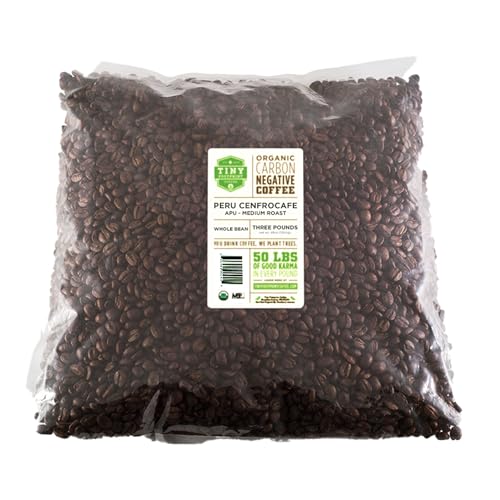
- ✓ Smooth caramel body
- ✓ Bright but balanced
- ✓ Easy to drink black
- ✕ Not hazy or wildly exotic
- ✕ May need finer grind for fuller cup
| Origin | Peru |
| Roast Level | Medium roast |
| Bean Type | Arabica |
| Certifications | USDA Organic, Fair Trade, Shade-Grown |
| Whole Bean Form | Whole bean |
| Recommended Grind/ Brew Tip | Grind a little finer than normal for fuller cup |
Ground, the scent shifts to brighter citrus notes that hint at the brightness the label promises. It brews smoothly in my standard filter setup, and I’m struck by how approachable it is—no bitterness, just a clean, easy-to-drink profile.
Black or with milk, it holds its own without shouting for attention.
The body sits neatly in the middle, a gentle caramel echo on the palate that stays smooth from sip to swallow. I notice the finish is crisp yet warm, leaving a lingering sweetness that doesn’t cling.
It feels like a dependable daily brew, something you can count on to start your morning right.
As a shade-grown, organic single origin, there’s a quiet complexity beneath the sweetness. I appreciated the backing of Fair Trade and Cenfrocafe’s grower investments, which shine through as consistent quality rather than hype.
The grind advice helps, too—grind a touch finer for a fuller cup without turning harsh.
Small-batch roasting in a vintage Probat adds a level of craft that you can taste, especially in the evenness of the roast. And knowing this is carbon negative with a reforestation angle adds a feel-good bonus to your daily ritual.
All told, this Peru lot is a dependable staple with enough brightness to keep mornings interesting. It’s an everyday coffee that doesn’t shout; it invites you to slow down and savor a quieter cup.
Would I buy it again? Yes, for a steady, well-rounded daily driver that respects origin and flavor alike.
Tiny Footprint Coffee Nicaragua Dark Roast Whole Bean 16oz

- ✓ Bold yet balanced flavor
- ✓ Ethical, sustainable sourcing
- ✓ Smooth dark roast
- ✕ Higher price point
- ✕ Dark roast can mute delicate notes
| Origin | Single-origin Nicaragua |
| Certification | USDA Organic, Fair Trade |
| Roast Level | Dark roast |
| Bean Type | Arabica |
| Packaging Size | 16 oz |
| Flavor Notes | Chocolate with bright apricot, fig, and spice |
The first thing I notice when I open the bag is the weight and that familiar, earthy aroma wafting out as I peel back the seal. It feels sturdy, the beans glossy and dark, like they’ve been kissed with oil from a careful, small-batch roast.
You can tell these aren’t mass-produced beans.
I grind a small scoop and the kitchen fills with a chocolatey, roasted perfume that hints at apricot and spice. The texture is clean in the grinder, the beans are evenly sized, and the aroma is bold enough to wake a sleepy morning.
Pouring the hot water, the crema forms a deep, inviting stage for the flavors to play.
In the cup, the dark roast comes through with confident chocolate notes. There’s a smooth sweetness that doesn’t bite, a brightness that lingers like a memory of apricot, and a gentle spice finish that sticks around.
It tastes like a traditional Nicaraguan profile, but with a modern, guilt-free twist thanks to the organic, fair trade, shade-grown approach.
Texture is satisfying, not thin. The aftertaste stays long enough to feel like a reward, but it doesn’t linger into heaviness.
I appreciate the single-origin clarity and the eco-friendly story behind it, which makes the sip feel responsible as well as enjoyable. It’s a coffee you’ll reach for when you want something robust but not harsh, and you’ll notice the care in the roast and the sourcing.
If you brew it as a drip, the balance stays steady. As an espresso, it tightens up nicely, offering a velvety body and a note of roasted fig in the finish.
It’s a versatile choice for morning routines or long, slow afternoons.
What Is Organic Shade Grown Coffee and Why Is It Important?
Organic shade grown coffee refers to coffee that is cultivated under the canopy of trees, utilizing organic farming practices, which means no synthetic fertilizers or pesticides are used. This method of cultivation not only supports biodiversity but also promotes a healthier ecosystem in the coffee-growing regions.
According to the Specialty Coffee Association, shade-grown coffee is vital as it mimics the natural habitat of coffee plants, allowing them to thrive while benefiting the environment. The USDA also emphasizes that organic farming enhances soil health and reduces pollution, making it a sustainable choice for coffee production.
Key aspects of organic shade grown coffee include its environmental benefits, such as fostering biodiversity and preserving wildlife habitats. Shade-grown coffee farms can host a variety of plant and animal species, providing them with a sanctuary. Additionally, the organic certification ensures that the coffee is grown without harmful chemicals, which is crucial for both the health of the consumers and the producers involved in coffee cultivation.
This method significantly impacts the quality of coffee produced. Studies show that shade-grown coffee often has a superior flavor profile compared to sun-grown coffee due to the slower maturation process it undergoes under the shade. Furthermore, organic shade grown coffee is increasingly sought after by consumers who prioritize sustainability and ethical sourcing, leading to a rise in its market demand.
The benefits of organic shade grown coffee extend beyond environmental preservation; they also include improved livelihoods for farmers. By adhering to organic practices and engaging in shade cultivation, farmers can often command higher prices for their coffee, providing them with a more stable income. Additionally, these practices can help mitigate issues related to climate change, as shaded areas are better protected from temperature extremes and soil erosion.
Best practices for producing organic shade grown coffee include implementing agroforestry techniques, where coffee plants are interspersed with native trees. This creates a more diverse ecosystem and can enhance soil fertility. Farmers are encouraged to use compost and other organic amendments to enrich the soil, alongside careful management of water resources to promote sustainability. Certifications from organizations such as the Rainforest Alliance or Fair Trade can also help guide consumers toward the best organic shade grown coffee options available in the market.
What Are the Environmental Benefits of Organic Shade Grown Coffee?
Organic shade-grown coffee offers several significant environmental benefits that contribute to sustainable agriculture and biodiversity.
- Biodiversity Preservation: Shade-grown coffee is cultivated under a canopy of trees, which helps preserve the natural habitat for various species of birds, insects, and other wildlife. This practice supports a greater diversity of flora and fauna compared to sun-grown coffee, which often leads to deforestation and habitat destruction.
- Soil Health Improvement: The organic farming practices associated with shade-grown coffee promote healthier soils by enhancing organic matter and preventing erosion. The tree canopy not only provides natural mulch but also helps retain moisture in the soil, reducing the need for synthetic fertilizers and pesticides.
- Carbon Sequestration: Trees used in shade-grown coffee systems absorb carbon dioxide from the atmosphere, helping to mitigate climate change. This carbon sequestration process is essential in reducing greenhouse gas emissions and promoting a healthier planet.
- Water Conservation: Shade-grown coffee farms often improve water retention in the soil, which can lead to reduced water runoff and better water quality. Additionally, the tree cover helps regulate local water cycles, minimizing the impact of droughts and floods.
- Reduction of Chemical Inputs: By adhering to organic farming principles, shade-grown coffee minimizes the use of harmful pesticides and fertilizers, which can contaminate nearby water sources and harm local ecosystems. This leads to healthier environments for both wildlife and communities living near coffee farms.
How Does Organic Shade Grown Coffee Promote Soil Health?
Organic shade-grown coffee promotes soil health through various ecological benefits and practices.
- Increased Biodiversity: Shade-grown coffee farms support a diverse range of plant and animal species, which contribute to a more balanced ecosystem.
- Improved Soil Structure: The canopy of shade trees helps prevent soil erosion and promotes the formation of organic matter, enhancing soil structure.
- Nutrient Cycling: The decaying leaves and organic matter from shade trees add essential nutrients back into the soil, enriching it for coffee plants.
- Water Retention: The shade provided by trees reduces evaporation rates, helping to maintain soil moisture and create a more stable growing environment.
- Reduced Chemical Input: Organic practices in shade-grown systems minimize the use of synthetic fertilizers and pesticides, leading to healthier soil biology.
Increased biodiversity in shade-grown coffee farms creates habitats for various species, which helps in pest control and pollination, ultimately enhancing the resilience of the ecosystem and the coffee plants themselves.
Improved soil structure is achieved through the protective canopy of trees that reduces the impact of rainfall on the soil, preventing erosion while promoting the aggregation of soil particles, which is vital for root growth and water infiltration.
Nutrient cycling occurs as the leaves and organic materials from shade trees decompose, providing a steady supply of organic matter and nutrients, which are crucial for the healthy growth of coffee plants and maintaining soil fertility over time.
Water retention is significantly enhanced in shade-grown systems, as the tree canopy limits direct sunlight, thereby reducing moisture loss from the soil, which is especially beneficial in regions prone to drought.
Reduced chemical input further contributes to soil health as organic shade-grown coffee relies on natural processes and organic amendments, fostering a thriving microbial community in the soil that supports plant health and growth.
In What Ways Does Shade Grown Coffee Support Wildlife?
Shade grown coffee offers several ecological benefits that support wildlife and promote biodiversity.
- Habitat Preservation: Shade grown coffee is cultivated under a canopy of trees, which maintains natural habitat for various species. This practice helps preserve the complex ecosystem that supports birds, insects, and plants, allowing them to thrive in their native environment.
- Diversity of Flora and Fauna: The shade trees provide a rich habitat that encourages biodiversity. This diverse flora attracts a variety of fauna, including migratory birds, which rely on these habitats during their seasonal migrations, thus contributing to the overall health of the ecosystem.
- Reduced Chemical Use: Many shade grown coffee farms utilize organic farming practices that minimize or eliminate the use of harmful pesticides and fertilizers. This reduction in chemicals not only protects the coffee plants but also safeguards the surrounding wildlife from toxic exposure, promoting a healthier environment for all organisms.
- Soil Conservation: The tree canopy helps protect soil from erosion and promotes healthier soil composition through natural nutrient cycling. Healthy soil supports a variety of life forms, which in turn benefits the entire ecosystem, including the wildlife that depends on it.
- Water Conservation: Shade grown coffee systems often enhance water retention in the soil, which is crucial for maintaining local water tables. This leads to a more stable environment for aquatic wildlife and plants, ensuring that ecosystems remain balanced and resilient against climate variations.
What Health Benefits Can You Expect from Organic Shade Grown Coffee?
The health benefits of organic shade grown coffee are numerous and can enhance not only physical well-being but also environmental sustainability.
- Higher Antioxidant Levels: Organic shade grown coffee typically has higher levels of antioxidants compared to conventionally grown coffee. These antioxidants help combat oxidative stress in the body, potentially reducing the risk of chronic diseases such as heart disease and cancer.
- Reduced Chemical Exposure: Since organic shade grown coffee is cultivated without synthetic pesticides and fertilizers, consumers are less likely to be exposed to harmful chemicals. This can lead to improved overall health and a lower risk of developing health issues related to chemical exposure.
- Enhanced Flavor Profile: The unique growing conditions of shade grown coffee contribute to a more complex flavor profile, often richer and more nuanced. This can encourage more mindful consumption, allowing individuals to savor their coffee and appreciate its qualities, potentially leading to a more enjoyable and health-conscious coffee-drinking experience.
- Support for Biodiversity: Organic shade grown coffee farms tend to maintain a diverse ecosystem, which can positively affect mental health. Being in a biodiverse environment has been linked to reduced stress and improved mood, contributing to overall psychological well-being.
- Better Nutritional Profile: Some studies suggest that organic coffee can contain higher levels of certain nutrients and minerals, such as magnesium and potassium. These nutrients are essential for various bodily functions, including muscle and nerve function, making organic shade grown coffee a more nutritious option.
- Lower Caffeine Content: Shade grown coffee often has slightly lower caffeine levels than its sun-grown counterparts. This can be beneficial for individuals who are sensitive to caffeine or looking to reduce their intake while still enjoying the health benefits of coffee.
How Can You Choose the Best Organic Shade Grown Coffee?
Freshness is key to unlocking the full flavor potential of coffee. Look for brands that emphasize roast dates on their packaging, as coffee is best enjoyed within a few weeks of roasting.
Tasting notes are descriptors that can help you identify the flavor characteristics of the coffee, such as fruity, nutty, or chocolatey. This information can guide you in selecting a coffee that aligns with your palate.
Brand reputation plays a significant role in ensuring quality and ethical sourcing practices. Investigating customer reviews and the brand’s history in the coffee industry can help you make an informed choice.
What Are the Top Brands Offering High-Quality Organic Shade Grown Coffee?
Some of the top brands offering high-quality organic shade grown coffee include:
- Stumptown Coffee Roasters: Known for their commitment to sourcing high-quality beans, Stumptown’s organic shade grown coffee is carefully selected from sustainable farms that prioritize environmental stewardship. Their beans are roasted to bring out unique flavor profiles, making them a favorite among coffee enthusiasts.
- Equal Exchange: This brand focuses on fair trade practices and supports small-scale farmers, ensuring that their organic shade grown coffee is not only high quality but also socially responsible. Each sip of their coffee reflects the rich traditions and flavors of the regions they source from, promoting both ethical consumption and delicious taste.
- Peet’s Coffee: Offering a variety of blends, Peet’s has a selection of organic shade grown coffees that highlight the natural flavor of the beans. Their commitment to sourcing from environmentally friendly farms means that consumers can enjoy their coffee with the peace of mind that they are supporting sustainable agriculture.
- Allegro Coffee: As a pioneer in the organic coffee movement, Allegro provides a range of organic shade grown options that emphasize quality and sustainability. Their coffees are often sourced from regions that utilize traditional methods of cultivation under canopies, which not only enhances flavor but also supports biodiversity.
- Café Direct: This brand is known for its direct trade model that connects coffee drinkers directly with farmers, ensuring fair compensation and sustainable practices. Their organic shade grown coffee is rich in flavor and supports the livelihoods of smallholder farmers while promoting environmental conservation.
Where Can You Find the Best Deals on Organic Shade Grown Coffee?
Finding the best deals on organic shade grown coffee can be achieved through various sources:
- Online Retailers: Websites like Amazon, Thrive Market, and specialty coffee shops often have competitive prices and a wide selection of organic shade grown coffees.
- Local Farmers Markets: Many farmers markets feature local coffee roasters who sell organic shade grown coffee directly, often at lower prices than retail stores.
- Subscription Services: Coffee subscription services like Trade Coffee or Bean Box frequently offer discounts for first-time users and deliver curated organic shade grown coffee selections to your door.
- Direct from Roasters: Purchasing directly from roasters through their websites can yield the best deals, especially when buying in bulk or during promotions.
- Co-ops and Buying Groups: Joining a co-op or buying group can provide access to bulk purchasing options, making organic shade grown coffee more affordable.
Online retailers are a great starting point, as they often run sales and promotions, allowing you to compare prices and read reviews before making a purchase. These platforms typically offer a variety of brands, ensuring you can find the specific type of organic shade grown coffee that suits your palate.
Local farmers markets are excellent for supporting local businesses and finding fresh products. Many coffee roasters at these markets prioritize organic and sustainable practices, giving you the opportunity to ask questions about their sourcing and brewing methods.
Subscription services provide convenience and often feature exclusive deals. These services curate selections based on your taste preferences and can introduce you to new organic shade grown coffee options that you might not discover otherwise.
Buying directly from roasters can be a cost-effective option, especially since many offer discounts for larger orders or customer loyalty programs. This not only supports small businesses but often results in fresher coffee delivered straight to your home.
Joining co-ops or buying groups can lead to significant savings as members pool resources to purchase in bulk, reducing individual costs. This approach also fosters a community around coffee appreciation and sustainability practices.
Related Post: