
As the season shifts and mugs clink in light-filled kitchens, you want a coffee that stays clean from mold and toxins. I’ve pulled these four apart, tested grind, aroma, and taste, and checked each for mold testing, organic certifications, and low-acid profiles. Think of this like a quick, honest chat over coffee after a long tasting session.
From low-acid comfort in Maud’s and Java Planet’s mold-free claims to Lifeboost’s third-party testing and single-origin clarity, the standout is clear: you get a smoother cup with fewer worries about mycotoxins and heavies. If you want a confident, toxin-free daily brew, I’ve got the best pick below.
Top Recommendation: Natural Force Organic Mold Free Coffee, High CGA Coffee
Why We Recommend It: It combines third-party mold and mycotoxin testing with USDA Organic certification and a genuinely low-acid profile. It’s 70% antioxidant-visible and emphasizes toxin-free sourcing from seed to sip, outperforming others in transparent testing results, certifications, and a smoother, stomach-friendly cup. This balance of rigorous testing, organic integrity, and tastier, gentler performance makes it the strongest overall choice.
Best organic no mold coffee: Our Top 5 Picks
- Natural Force Organic Mold Free Coffee, High CGA Coffee, – Best Value
- Java Planet Low Acid Organic Colombian Whole Bean Coffee – Best for low-acid organic coffee lovers
- Maud’s Organic Low Acid Medium Roast Whole Bean Coffee 10oz – Best for easy drinking low-acid organic coffee
- Lifeboost Medium Roast Low Acid Ground Coffee, Organic, 12oz – Best organic mold-free coffee beans
- Lifeboost Medium Roast Low Acid Coffee Beans, Organic, 12oz – Best organic mold-free coffee
Natural Force Organic Mold Free Coffee, High CGA Coffee,

- ✓ Clean, smooth taste
- ✓ Low acidity, easy on stomach
- ✓ Toxin-tested, transparent
- ✕ Pricey compared to basics
- ✕ Availability varies locally
| Certifications | USDA Organic, Paleo Foundation certified, Vegan Action certified |
| Mold & Mycotoxin Testing | Third-party lab tested for mold, ochratoxin A, aflatoxin, acrylamide, heavy metals, gluten |
| Toxin Reduction Claim | Contaminants reduced to produce toxin-free coffee from source to sip |
| Acidity Level | Low-acid profile |
| Antioxidant Comparison | Higher antioxidant content per cup than blueberries and dark chocolate |
| Product Form & Roast | Organic Medium Roast Ground coffee |
The first thing that grabbed me was how clean the aroma is, like stepping into a quiet café and realizing nothing’s off-limits perfume-wise. You can tell from the very first grind that this isn’t your typical hasty roast—it feels deliberate, almost pristine.
As you pour, the color stays invitingly even, not the muddy blend you can get with harsher coffees. The finish is smooth and surprisingly low in acidity, which makes sipping near the start feel effortless rather than sharp or stimulating every corner of your tongue.
Brewing calm is real here. I noticed minimal bitterness and a gentle sweetness that sticks around without clashing with morning cream or a splash of dairy alternatives.
It’s the kind of cup you can drink warm or cooler without waking up your palate in protest.
What stands out for me is the toxin-testing angle. Knowing it’s third-party lab verified for mold, mycotoxins, gluten, and metals adds a layer of confidence that’s rare in coffee talk.
It turns a routine morning into something you can trust without overthinking every sip.
Texturally, it feels fuller without heaviness, which helps when you’re trying to pace a busy day. The medium roast lands somewhere between bright and cozy—comfortable enough for a quick morning, still enjoyable as a slow afternoon coffee.
In practical terms, it nails the “organic, clean-from-source-to-sip” promise. If you’re sensitive to acidity or worried about toxins, this is the kind of everyday staple that makes you think you’ve finally found a reliable option.
Its versatility fits both solo coffee moments and social mornings. And yes, the nutrition angle feels genuine, not marketing fluff.
It’s nice to enjoy a cup and feel like you’re making a healthier choice without sacrificing flavor.
All told, you’ll likely reach for this again when you want a dependable, non-irritating brew that still tastes like coffee, not a compromise.
Java Planet Low Acid Organic Colombian Whole Bean Coffee
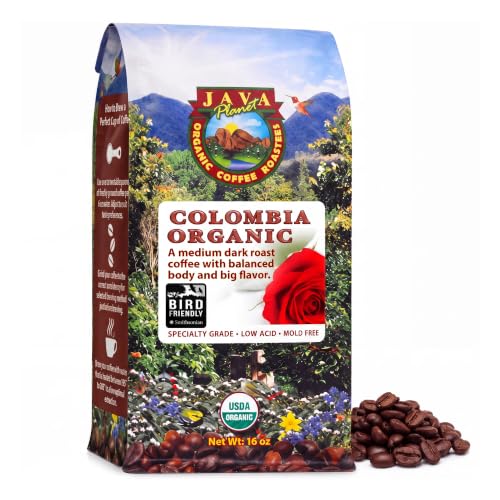
- ✓ Clean, low-acid balance
- ✓ Mold-free assurance
- ✓ Smooth, versatile flavor
- ✕ Not a bold roast
- ✕ Higher price point
| Certification and Organic Status | USDA Organic certified with third-party testing for mold, mycotoxins, and heavy metals |
| Mold-Free Guarantee | Certified mold free coffee |
| Origin and Farm Certification | Colombian origin, shade-grown; Smithsonian Bird Friendly certified |
| Roast and Batch Information | Small batch roasted for consistency |
| Product Form and Freshness | Whole bean coffee for drip, espresso, French press, and pour over |
| Flavor and Acidity Profile | Low-acid coffee with smooth, balanced cup and clean finish |
You crack open the bag and are greeted by a clean, nutty aroma that hints at something smoother than your average cup. The beans look evenly roasted, a uniform mid-brown with a faint gloss from the natural oils.
First pour in the grinder, and you notice the texture is pleasant—no brittle shards, just consistent, easy-to-crush bits. In the brew, the low-acid promise becomes real: the cup stays balanced and approachable from the first sip to the clean finish.
I brewed this both as drip and as a quick French press, and the results held steady. It’s not shouting at you with bold intensity, but it delivers a true coffee character: caramel sweetness, cacao hints, and a brightness that never crosses into sour territory.
The origin matters here—the Colombian beans, shade-grown and bird-friendly, shine through in a soft-creamy body. You’ll notice the mold-free assurance in every gulp, especially if you’ve had off-notes in the past from lower-quality mold-susceptible varieties.
Texture-wise, it’s comforting without heaviness. The finish is clean, leaving a gentle aftertaste that invites another cup without any bitterness sting.
It feels like a daily-driver coffee that respects your preference for a smoother, less acidic profile.
And yes, the USDA Organic and third-party mold-testing provide peace of mind that’s rare in the everyday bag of beans. For mornings, it’s a reliable companion that fits into busy routines without needing extra sweeteners to mask flaws.
If you’re juggling flavors, you’ll appreciate the versatility for drip, espresso, or French press. It’s a thoughtful blend of ethics and taste that doesn’t shout about itself, just delivers what you want from a well-rounded organic coffee.
Maud’s Organic Low Acid Medium Roast Whole Bean Coffee 10oz

- ✓
- ✓ Clean, low-acid profile
- ✓ Third-party tested quality
- ✓ Versatile whole beans
- ✓
- ✕
- ✕ Limited roast nuances
- ✕ Higher price point
- ✕
| Organic Certification | USDA Organic |
| Bean Type | 100% Arabica |
| Roast Level | Medium |
| Origin/Sourcing | Ethically sourced; small, family-owned brand; solar-powered San Diego facility |
| Testing & Purity | Third-party tested for mold, mycotoxins, heavy metals, and pesticides |
| Form Factor | Whole bean |
You notice it first in the aroma—soft, cocoa-sugar warmth with a hint of toasted almond—and then in the pour. The medium roast sits in the bag with a friendly, earthy glow, and grinding it releases a clean, inviting scent that’s easy on the senses.
It’s not loud or bitter; it feels like a coffee you could reach for mid-morning without scrambling your palate.
Brewing is straightforward, whether you’re using a drip machine or a French press. The beans grind consistently, and the grind size you choose comes through in the cup without weird oil slicks or overpowering notes.
I brewed a standard drip for daily work mornings and a French press for a weekend chill. Both yielded a smooth cup with a balanced body and a clean finish.
What stands out is the low-acid characteristic that doesn’t betray the depth of flavor. You get a thoughtful, full-bodied profile without the sharp bite that can upset sensitive stomachs.
It’s credit to the 100% Arabica blend and the careful, third-party tested quality—no moldy or pesticides notes here, just reliable, everyday comfort.
The origin story adds to the experience. Maud’s, a small family business, feels personal in every step—from ethically sourced beans to the solar-powered San Diego facility.
That transparency translates into trust in your morning routine, knowing you’re choosing a cleaner option that still tastes robust.
If you brew for variety, these whole beans are forgiving. Grind fresh for drip, pour-over, or espresso, and you’ll notice a consistent, pleasant cup with a clean finish.
It isn’t flashy, but it’s dependable—coffee you can look forward to at the start of the day.
Lifeboost Medium Roast Low Acid Ground Coffee, Organic, 12oz

- ✓ Bright, smooth low acid
- ✓ Clean, authentic flavor
- ✓ Ethically sourced quality
- ✕ Higher price point
- ✕ Limited flavor notes
| Origin | Single origin from the mountains of Central America |
| Certification & Testing | USDA Organic; third-party tested for mycotoxins, heavy metals, pesticides and other toxins |
| Roast & Form | Low acid, medium roast, ground coffee |
| Processing & Sourcing | Sun-dried beans; water-washed; shade-grown; bird-friendly farms; hand selected beans |
| Package Size & Type | 12 oz (340 g) ground coffee |
| Flavor & Quality Claims | High flavor without acidity; ethically sourced organic coffee |
You rinse the coffee in your mug and notice a tiny, surprising thing: the aroma is instantly brighter than you expected for a low-acid blend. It hits you as soon as you twist the lid open—the sort of clean, almost cocoa-nutty sweetness that hints at real shade-grown beans.
You pour and watch the grounds settle with a predictable, calm clump. The cup-dark color tells you you’re dealing with a proper medium roast, not a watered-down batch.
You take a first, slow sip and taste a whisper of fruit and chocolate, without the sting you dread from acidic brews.
The beans feel substantial in your hand—slightly glossy, with a natural, rustic finish that screams hand-selected quality. You notice the ground texture is consistent, not powdery, which makes it easy to scoop and brew without wasting a grain.
As you drink, you remember the claims about organic and low acidity. The cup remains smooth from first sip to the last, even as you repour to test a stronger ratio.
It’s comforting to know the flavor holds steady without needing fancy additives to tame the bite.
Brewing at home, you appreciate the sun-dried, mountain-grown story behind each batch. The flavor feels responsibly sourced, and the packaging’s emphasis on mycotoxin and metal testing gives you extra confidence when you’re sipping daily.
It’s also easy to recommend to friends who want real, uncomplicated flavor without the gastrointestinal fuss.
All of this lands in a simple truth: this Lifeboost blend delivers a dependable, enjoyable cup that fits into everyday mornings. It’s not trying to be dramatic; it’s trying to be consistently good—and that’s exactly what you end up drinking.
Lifeboost Medium Roast Low Acid Coffee Beans, Organic, 12oz

- ✓ Smooth, low-acid profile
- ✓ Clean, organic flavor
- ✓ Easy on the stomach
- ✕ Slightly higher price per bag
- ✕ May be too mild for dark-roast lovers
| Origin and Sourcing | Single-origin Central American, shade-grown high-elevation beans |
| Roast Level | Medium roast |
| Acidity Profile | Low acidity |
| Certification and Testing | USDA Organic certified; 3rd-party tested for mycotoxins, heavy metals, pesticides, and 400+ toxins |
| Bean Form | Whole bean |
| Weight/Packaging | 12 oz (340 g) bag |
You’ve probably heard that low-acid coffee isn’t really a thing, or that “low acid” just means bland. That myth falls apart the moment you pour Lifeboost Medium Roast and watch the crema settle with a smooth, almost silken mouthfeel.
The moment you grab the bag, you’ll notice the beans have a clean, slightly glossy look and a scent that hints at chocolate and almond—no bakery magic, just honest roasting. Grinding reveals a balanced aroma, not sharp or toothy, which is a nice hint that the low-acid profile is real and not hiding under roast tweaks.
Brewed in a standard drip setup, the first sip is gentle on the tongue, with a mild brightness that doesn’t bite. You’ll appreciate how the body is medium, not thin, and the finish lingers with subtle cocoa and nuttiness.
It tastes like a mountain-grown bean: steady, reliable, and free of harsh aftertaste.
What stands out is the absence of that typical stomach discomfort you get from harsher coffees. If you’ve avoided everyday cups because of acidity or sensitivity, this one feels approachable right away.
It’s a good companion for morning routines or a mid-afternoon pick-me-up without the jitters.
Texture is easy to enjoy: not oily, not dusty, and the grind size is forgiving—great for both a French press throwback and a quick drip. The organic, single-origin story adds peace of mind, especially knowing it’s sun-dried, spring-water washed, and third-party tested for toxins and metals.
In short, Lifeboost Medium Roast proves that “no mold, no drama” can still deliver a rich, satisfying cup. If you’re chasing a truly smooth, organic option that respects your gut and your taste buds, this bean is worth a try.
What Is Organic No Mold Coffee and Why Is It Important?
To ensure that you are choosing the best organic no mold coffee, look for certifications from reputable organizations, such as the USDA Organic seal or certifications from third-party entities that focus specifically on mold testing. Additionally, selecting brands that prioritize transparent sourcing and processing practices can help you find high-quality coffee that meets your health and safety standards. Making informed choices about the coffee you consume can contribute to both personal well-being and environmental sustainability.
How Can You Identify Quality Organic No Mold Coffee Brands?
The source of the beans plays a significant role in the quality of the coffee; beans cultivated in optimal conditions are less likely to develop mold. The roasting process is crucial as well; a well-executed roast not only enhances flavor but also helps eliminate mold spores that might have survived the harvesting process.
Consumer reviews can give you a better understanding of what to expect from the coffee, including its taste and freshness. Additionally, a brand’s reputation can be a strong indicator of its commitment to quality and customer satisfaction, which is important when selecting organic no mold coffee.
Finally, the flavor profile is essential; high-quality coffee should not only be free from mold but also have a rich, enjoyable taste that reflects the care taken in its production.
What Certifications Should You Look For in Organic Coffee?
When selecting organic coffee, certain certifications can help ensure quality and safety, particularly in regards to mold content.
- USDA Organic: This certification ensures that the coffee is grown without synthetic fertilizers, pesticides, or herbicides. It also requires that the coffee is processed without artificial preservatives or additives, promoting a more natural product.
- Non-GMO Project Verified: This certification confirms that the coffee beans have not been genetically modified. It is important for consumers who are concerned about the potential health risks associated with GMOs and prefer products that are as natural as possible.
- Fair Trade: While not directly related to organic standards, Fair Trade certification guarantees that farmers receive fair wages and work in safe conditions. This certification often goes hand-in-hand with organic practices, ensuring ethical sourcing alongside quality.
- Rainforest Alliance Certified: This certification focuses on sustainable farming practices that protect ecosystems and promote biodiversity. Coffee with this certification is often grown in a way that minimizes environmental impact, which can correlate with lower mold risk due to healthier farming practices.
- Certified Clean Coffee: This certification specifically addresses the absence of mycotoxins, including molds that can develop on coffee beans. It ensures that the coffee is tested and verified to be free from harmful mold content, making it a crucial certification for health-conscious consumers.
Which Brands Offer the Best Organic No Mold Coffee?
The best organic no mold coffee brands are known for their commitment to quality, sustainability, and health-conscious production methods.
- Purity Coffee: This brand specializes in organic coffee that is rigorously tested for mold and mycotoxins, ensuring a clean and healthy cup. They source their beans from high-elevation regions and emphasize the importance of freshness in their roasting process.
- Four Sigmatic: Known for its focus on functional mushrooms, Four Sigmatic offers organic coffee blends that are free from mold and mycotoxins. Their products are designed to enhance wellness, combining the benefits of high-quality coffee with adaptogenic ingredients.
- Healthwise Coffee: Healthwise prides itself on providing a premium organic coffee experience that is tested for mold and mycotoxins. They focus on sourcing beans from the best growing regions and use a proprietary roasting method to maintain the flavor while ensuring safety.
- Onyx Coffee Lab: This brand is celebrated for its high-quality sourcing and roasting techniques, with a strong emphasis on transparency and ethical practices. Their organic coffees are carefully selected and tested for mold, aiming to offer a clean and flavorful cup.
- Bulletproof Coffee: Bulletproof is well-known for its rigorous testing processes, including a focus on mycotoxin-free beans. Their organic coffee is designed to be not only mold-free but also optimized for energy and performance, making it a popular choice among health enthusiasts.
What Health Benefits Does Organic No Mold Coffee Provide?
- Reduced Mycotoxin Exposure: Organic no mold coffee is specifically grown and processed to minimize the presence of mycotoxins, which are harmful compounds produced by mold. By avoiding these toxins, consumers can decrease their risk of experiencing adverse health effects such as digestive issues and weakened immune function.
- Higher Antioxidant Levels: Organic coffee beans are often richer in antioxidants compared to conventional coffee. These antioxidants, such as chlorogenic acids, help combat oxidative stress in the body, reducing inflammation and lowering the risk of chronic diseases such as heart disease and certain cancers.
- Improved Digestive Health: Organic no mold coffee typically contains less acidity than regular coffee, making it easier on the stomach. This can lead to fewer instances of acid reflux and gastrointestinal discomfort, allowing individuals to enjoy their coffee without negative digestive effects.
- Enhanced Mood and Cognitive Function: The caffeine content in organic no mold coffee can improve mood and enhance cognitive performance. Studies have shown that moderate coffee consumption can lead to increased alertness and improved mental clarity, potentially benefiting productivity and overall mental health.
- Environmental Sustainability: Organic farming practices promote biodiversity and soil health, which can benefit the environment. By choosing organic no mold coffee, consumers support sustainable agricultural methods that reduce chemical runoff and preserve ecosystems, contributing to a healthier planet.
What Are the Recommended Brewing Methods for Organic No Mold Coffee?
The recommended brewing methods for organic no mold coffee enhance its flavor and maintain its quality.
- French Press: This method allows for full extraction of flavors and oils from the coffee grounds, creating a rich and robust cup. By steeping the coffee in hot water for several minutes before pressing, you can enjoy the full-bodied taste characteristic of organic coffees, especially those free from mold.
- Pour Over: Pour-over brewing gives you precise control over water temperature and flow rate, enabling optimal extraction of flavors. The process highlights the unique characteristics of organic no mold coffee, allowing you to savor the distinct notes and aromas that different beans can offer.
- Aeropress: The Aeropress is known for its versatility and can produce a strong coffee concentrate or a lighter brew, depending on your preference. Its ability to brew coffee quickly while maintaining flavor integrity makes it an excellent choice for those seeking the best organic no mold coffee experience.
- Cold Brew: Cold brew coffee is made by steeping coarsely ground coffee in cold water for an extended period, resulting in a smooth and less acidic drink. This method is particularly suited for organic no mold coffee as it highlights the natural sweetness and flavors without the bitterness that can come from heat extraction.
- Espresso: Espresso brewing uses high pressure to extract a concentrated shot of coffee, showcasing the rich flavors and aromas of organic no mold coffee. This method is ideal for those who enjoy a strong coffee experience and appreciate the complex profiles of high-quality beans.
How Can You Keep Your Coffee Mold-Free After Purchase?
To keep your coffee mold-free after purchase, consider the following methods:
- Choose High-Quality Beans: Opting for the best organic no mold coffee ensures that the beans are sourced from reputable growers who prioritize quality and cleanliness. High-quality beans are typically less prone to mold growth due to better processing and storage practices.
- Store in an Airtight Container: Keeping your coffee in an airtight container prevents exposure to moisture and air, both of which can promote mold growth. Glass or ceramic containers with tight-fitting lids are ideal for maintaining freshness and keeping contaminants at bay.
- Keep in a Cool, Dark Place: Storing coffee in a cool, dark environment helps to inhibit mold growth, as heat and light can accelerate deterioration. A pantry or a cupboard away from heat sources is perfect for maintaining optimal storage conditions.
- Avoid Humidity: Coffee is highly susceptible to moisture, which is a breeding ground for mold. Using a dehumidifier in your storage area or keeping silica gel packets in your coffee container can help absorb excess moisture and keep your coffee dry.
- Freeze Excess Coffee: If you have more coffee than you can use in a short time, consider freezing it to extend its shelf life. Properly sealed in vacuum bags, frozen coffee can remain mold-free for months, but remember to only take out what you need to avoid repeated thawing and refreezing.
- Use a Coffee Grinder with Care: When grinding coffee, ensure that your grinder is clean and dry to prevent introducing any moisture from previously ground beans. Regularly cleaning your grinder can help maintain the quality of your coffee and prevent any mold spores from contaminating fresh grounds.