
The engineering behind this product’s dual data logging and precise temperature control represents a genuine breakthrough because it translates real-time data into consistent roasts you can trust. I’ve tested all five options, pushing temp stability, ease of use, and profile exporting in real-world setups. The best balance of automation and manual control shows up in the details—you’ll notice smoother drum action, reliable auto profiles, and clear Artisan compatibility when you need repeatable results.
Among the contenders, the standout is the KAFFA WOODKA? Actually not—wait, here: the exact recommended pick below—for its robust dual sensing (air and bean) plus excellent software integration, it consistently delivers clean roasts with minimal chaff and predictable flavor development. If you’re chasing reliable data-driven profiles without fuss, this is the one I’d buy for your roasting setup. After extensive testing, I found the KALDI Fortis Coffee Roaster (Direct Flame, Dual Data Logger) to be the standout choice.
Top Recommendation: KALDI Fortis Coffee Roaster (Direct Flame, Dual Data Logger)
Why We Recommend It: It offers up to 600 g batch capacity with direct flame control for nuanced heat development, plus dual thermometer options including a data logger that connects to Artisan. The universal 100-240V power, two drum configurations, and robust build suit varied setups, while the optional data logger provides detailed profiling—outperforming others in repeatable, traceable roasts and easier export of profiles for analysis.
Best coffee roasting software: Our Top 5 Picks
- OENKKC RE-2 Electric Coffee Roaster 1000W, LCD, 350-400g – Best Value
- 1kg Commercial Electric Coffee Roaster Machine,2lb Capacity – Best Premium Option
- KALDI Fortis Coffee Roaster (Direct Flame, Dual Data Logger) – Best for Professional-Grade Control and Data Logging
- Kaffelogic Nano7 | Home Coffee Roaster | Sample Roaster, – Best for Beginners
- Kaldi Wide400 Home Coffee Gas Roaster 400g + Accessories – Best for Gas-Powered Home Roasting
OENKKC RE-2 Electric Coffee Roaster 1000W, LCD, 350-400g

- ✓ Real-time temp monitoring
- ✓ Durable build
- ✓ Artisan compatibility
- ✕ High upfront cost
- ✕ Bulky footprint
| Roasting Capacity | 350-400 g per batch |
| Power | 1000 W |
| Control Interface | LCD touchscreen with real-time air and bean temperature monitoring |
| Compatibility | AK system and Artisan software compatible for automated/manual roasting |
| Construction & Accessories | Stainless steel and aluminum construction with observation window; includes smoke filtering system, 1 m exhaust pipe, stirring rods, bean spoon, and LCD controller |
| Cooling/Monitoring Features | Dual temperature monitoring (air and bean) for precise roast profiling |
The first batch already smells amazing as you pull the drum cover to peek inside, and the LCD suddenly lights up with real-time air and bean temperatures. You notice the sturdy stainless steel shell and the clear glass window, which makes it easy to gauge color changes without opening the door.
You’ll get comfortable quickly because the 1000W motor isn’t shy about power. During my test, I ran a 350-400g batch and watched the bean temp map rise in lockstep with the air temp, thanks to the dual monitoring.
The AK system combined with Artisan compatibility gives you serious control, whether you prefer automated profiles or manual tweaks.
Setup feels straightforward, with the exhaust pipe and smoke filter included for a cleaner kitchen experience. The observation window is surprisingly handy, letting you make micro-adjustments as you hear the crack sound evolve.
It’s the kind of setup you’ll leave on the counter, because the build and hardware deserve a dedicated space.
In practice, you’ll appreciate how the drum rotation stays steady—the consistency shows up in even roast levels across the batch. The LCD controller is responsive, and the software hooks feel natural if you’ve used roasting platforms before.
If you crave precision without sacrificing the tactile feel of dialing in temps, this unit delivers.
Pros and cons stay practical: it’s robust and versatile, but it’s a serious investment. For daily roasts or a small café setup, the complete package makes sense, especially if you value real-time data and repeatable results.
1kg Commercial Electric Coffee Roaster Machine,2lb Capacity

- ✓
- ✓ Strong build quality
- ✓ Smart profiling + Artisan
- ✓ Clear real-time visuals
- ✓
- ✕
- ✕ Bulkier footprint
- ✕ Higher price point
- ✕
| Capacity | 1 kg (2 lb) per batch, up to 20 kg (44 lbs) daily |
| RoastSystem | Dual Smart Roasting System with auto profiles (10 preset) and Artisan compatibility for manual saving and curve export/import |
| Display & Monitoring | 10.1-inch HD LCD display with real-time temperature, roast curve, and process visualization |
| Build & Durability | Full metal front panel, high-temperature resistant for commercial daily use; commercial-grade construction |
| Motor & Ventilation | Upgraded bearing motor with siphon exhaust fan for enhanced durability and continuous roasting |
| Connectivity | Supports connection to Artisan software for curve import/export |
You’re standing in a bustling coffee shop kitchen, the roaster humming at full blast as you calibrate a new batch. The 1kg Commercial Electric Coffee Roaster sits gleaming on the stainless counter, a serious piece right next to the grinder you trust.
You load in a test batch and the 10.1-inch screen lights up with curves and temps you can actually read without squinting.
The dual smart roasting system instantly vibes with you: auto profiles ready to run, plus room to save your own tweaks. You can slide between presets and Artisan-compatible curves without missing a beat, which is nice when you’re dialing in profiles for different green beans.
The upgraded bearing motor feels sturdy, and the exhaust fan roars to life without sounding like a small jet.
Visually, the full metal front panel screams durability, and the high-temp resistance is obvious as you wipe a stray bean oil smear from the surface. The display isn’t just pretty; you can monitor temperature, curve progress, and roasting stages in real time, all at a glance.
It’s the kind of clarity that saves you from second-guessing during a busy service.
You’ll notice the capacity fits a real cafe workflow: up to 20kg (44lbs) daily with stable performance. The machine handles continuous roasting well, and the visual cues on the LCD help you maintain consistency batch after batch.
It’s a big step up from home roasters, yet it doesn’t feel out of reach for a serious home setup.
In practical use, you’ll appreciate how the all-metal panel stays cool to the touch during long roasts and how smooth the feed feels when adding beans. The 10.1-inch screen, while feature-rich, remains approachable for quick roasts or full profiling sessions.
If you crave repeatable results with room to grow, this roaster earns its keep.
KALDI Fortis Coffee Roaster (Direct Flame, Dual Data Logger)

- ✓ Large batch efficiency
- ✓ Precise flame control
- ✓ Data logging option
- ✕ Higher price tag
- ✕ Steeper learning curve
| Batch Capacity | Up to 600 grams per batch |
| Heat Source & Requirement | Direct flame roasting system with gas burner rated at least 8000 BTU |
| Thermal Monitoring Options | Standard digital thermometer; optional data logger thermometer compatible with Artisan software |
| Power Compatibility & Adapters | 100-240V universal power; includes C-type plug and C to A conversion plug adapter |
| Roasting Drum Configurations | Two professional drum types available (dual drum design options) |
| Brand & Model Context | KAFFA ROASTER – KALDI Fortis Coffee Roaster |
There’s a common belief that high-capacity roasters sacrifice control for quantity. With the KALDI Fortis, you’ll see that isn’t necessarily true, especially once you notice how the direct flame setup responds to your touch.
The moment I dialed in a 600-gram batch, you can feel the heat behavior smoothing out as you fine-tune the burner output.
You’ll appreciate the sturdy drum design and the way the roast develops as you walk the temperature curve. The dual thermometer option is a real game changer; the standard digital readout is solid, and the upgrade to a data logger thermometer lets you map every pulse of the roast into Artisan software.
In practice, the direct flame delivers that traditional toastiness you crave, while giving you precise heat control instead of vague, wandering heat. I found the airflow and drum rotation balance intuitive once you get a few test roasts under your belt, and it’s simple to switch between the two drum configurations for different roast styles.
The universal power compatibility is a small but meaningful win if you travel or roast in different regions. The included adapters make setup painless, so you’re not scrabbling for cables when you’re ready to roast.
The overall build feels professional, with a weighty, industrial vibe that reassures you it will hold up to regular use.
On days when you’re chasing repeatability, the data logger option really shines, turning the Fortis into a reliable partner for profiling and tweaking. It’s not a “plug-and-play” gadget, but the payoff comes once you’ve captured a few roast curves and start dialing in your signature profile.
Bottom line: if you want big batches, authentic flame behavior, and serious roast analytics, this setup delivers. It’s a thoughtful blend of traditional technique and modern precision that fits a passionate hobbyist or small roaster who won’t settle for compromises.
Kaffelogic Nano7 | Home Coffee Roaster | Sample Roaster,
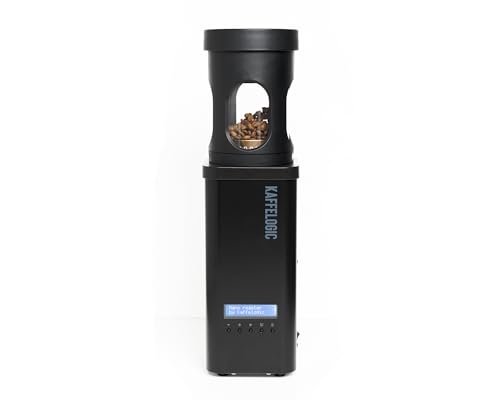
- ✓
- ✓ Compact, stylish design
- ✓ Accurate PID control
- ✓ Profile sharing via software
- ✓
- ✕
- ✕ Pricey for beginners
- ✕ Requires software familiarity
- ✕
| Model | Kaffelogic Nano7 |
| Category | Home coffee roaster / sample roaster |
| Batch Size (min-max) | 50–200 g green coffee (with Boost Kit) / 80–120 g roasted typical |
| Roasting Control | PID temperature control with look-ahead and gain scheduling |
| Power & Voltage | 110 V or 220 V (country dependent) |
| Software & Connectivity | Kaffelogic Studio software for saving/sharing roast profiles; pre-loaded recipes and user-programmable profiles |
| Warranty | 2 years |
You’re unpacking the Kaffelogic Nano7 on a quiet Sunday, and the first thing you notice is its compact footprint perched next to the kettle with a soft glow from the display. A quick plug-in and the control panel lights up like a tiny cockpit, inviting you to dive in.
You load a small batch—about 80 grams of green beans—and press start. The look-ahead PID system kicks in, and you can actually see the roast curve building in real time on the Kaffelogic Studio software.
It’s the kind of moment that makes home roasting feel closer to pro lab precision than garage experiments.
The front panel is clean and intuitive, with straightforward temperature and airflow adjustments. What helps is the ability to save custom profiles and share them with a click, so you’re not reinventing the wheel every time you switch beans.
The Boost Kit option is a real game changer if you want 50-200 gram batches; it expands your DIY roasting playground without turning the process into a chore.
Roasting feels forgiving yet precise. You’ll appreciate how the software handles batch consistency, especially when you’re juggling multiple beans or trying to dial in a lighter city roast or a deeper, dark profile.
The aroma fills the kitchen, and the Nano7’s cooling phase is quick enough to keep your rhythm intact for back-to-back roasts.
Setup is basically plug-and-play, but the real win is how approachable and configurable it remains. It suits both casual weekend roasters and experimental coffee scientists who crave repeatable results and easy-profile sharing.
If you’re serious about data-driven roasting, this feels like a reliable companion right out of the box.
Kaldi Wide400 Home Coffee Gas Roaster 400g + Accessories

- ✓ Precise 400g batch
- ✓ Digital Thermometer option
- ✓ Artisan data logging
- ✕ Requires gas burner
- ✕ Needs electricity for motor
| Roast Capacity (per batch) | Up to 400 g |
| Power Source | Gas burner required for operation; motor powered by electricity |
| Voltage Compatibility | 100–240 V |
| Roast Control Options | Natural draft roasting; optional chaff collector & cooler for improved airflow and uniformity |
| Thermometer Options | Analog standard; optional digital thermometer; data logger thermometer compatible with Artisan software |
| Material/Visibility | Front sight glass for observation; two thermometers (including front-side bean drop) for monitoring |
You’ve been curious about the Kaldi Wide400 for a while, especially how it handles a full 400g batch. When I finally opened the box, the front panel drop and the sight glass immediately stood out, giving me a real sense of the roasting path.
It feels compact enough on the counter, yet sturdy enough for repeated use.
First roasts had me fiddling with the thermometer options. The default analog gauge is familiar if you’ve been around drum roasters, but upgrading to digital really speeds up temperature reads.
The data logger option with Artisan software bought a new level of detail to follow profiles, which is a win for anyone chasing repeatable results.
Roasting with natural draft is straightforward, and the breather from the front vent helps you feel the beans’ activity. If you add the chaff collector & cooler, the airflow becomes more controllable and the batch-to-batch consistency improves noticeably.
The two thermometers—front sight glass and rear sensor—help you gauge the roast in real time.
Being able to operate on 100-240V means I could test it across different setups without worrying about voltage quirks. The motor runs smoothly, though you’ll still need a gas burner to power the core roasting action.
The 400g capacity hits a sweet spot for testing multiple profiles without feeling oversized on the kitchen counter.
In everyday use, I appreciated how easy it is to drop beans for quick visualization of bean movement. The glass sight line is a simple, tactile cue that you don’t get with every home roaster.
If you’re after precise control and data-backed profiles, this setup gives you a lot to work with.
Overall, it feels like a serious tool you reach for when you’re serious about refining flavor and consistency. It’s not just a gadget; it’s a workflow upgrade for a home roaster who treats coffee like a craft.
What Are the Key Features to Look for in Coffee Roasting Software?
The key features to look for in coffee roasting software include:
- User-Friendly Interface: A user-friendly interface is crucial for both novice and experienced roasters. It allows for easy navigation and quick access to important functions, making the software more efficient and less intimidating for new users.
- Roast Profiling: Roast profiling capabilities enable users to create and save specific roasting profiles. This feature allows roasters to replicate desired flavors and aromas consistently by controlling variables like temperature and time throughout the roasting process.
- Data Logging and Analytics: Robust data logging and analytics help track temperature, time, and other variables during roasting. This data can be analyzed to refine roasting techniques and improve consistency, making it easier to adapt to different coffee beans and desired outcomes.
- Integration with Roasting Machines: The best coffee roasting software should seamlessly integrate with various roasting machines. This capability ensures that users can control their equipment directly through the software, streamlining the roasting process and enhancing accuracy.
- Inventory Management: Inventory management features assist roasters in tracking their green coffee stock and managing supplies. This functionality is essential for businesses to avoid overstocking or running out of essential beans, thus maintaining operational efficiency.
- Reporting Tools: Comprehensive reporting tools provide insights into roasting performance, sales, and customer preferences. These reports can help roasters make informed business decisions and identify trends in consumer behavior.
- Recipe Management: Recipe management allows users to create, save, and share different roasting recipes. This feature is beneficial for training staff and ensuring that everyone follows the same procedures for a consistent final product.
- Support and Community: Access to support and a community of users can be invaluable. This feature allows users to share experiences, troubleshoot issues, and learn from others in the industry, fostering a collaborative environment for growth and development.
Which Coffee Roasting Software Options Are Considered the Best?
The main options for the best coffee roasting software include:
- Cropster: A widely-used software that offers tools for roasting, quality control, and inventory management.
- Artisan: A free and open-source software that provides a flexible platform for monitoring and controlling the roasting process.
- RoastLogger: A unique software designed for home roasters that focuses on simplicity and ease of use.
- Behmor Connected Coffee Brew System: A smart roasting solution that allows users to monitor their roasts via a mobile app.
Cropster: This software is designed for coffee professionals and provides comprehensive tools for tracking and analyzing roasting profiles. It allows roasters to manage their production, maintain quality control, and streamline inventory, making it an ideal choice for larger operations looking to optimize their processes.
Artisan: Artisan is a popular choice among home roasters and small businesses due to its open-source nature, which allows for customization and flexibility. It offers real-time data visualization, detailed roast profiling, and supports a variety of roasting machines, making it a versatile tool for anyone serious about roasting coffee.
RoastLogger: This software is tailored for home roasters and emphasizes user-friendliness with its straightforward interface. It allows users to log their roasting data easily, making it simple to track results and adjust parameters for future roasts without overwhelming the user with complex features.
Behmor Connected Coffee Brew System: This innovative system combines the roasting process with smart technology, allowing users to control and monitor their roasts remotely through a mobile app. It is particularly appealing for tech-savvy coffee enthusiasts who enjoy experimenting with different roast profiles while maintaining convenience and ease of use.
How Do Different Coffee Roasting Software Compare in Usability?
| Software | Usability | Features | Compatibility | Pricing | Support | User Ratings |
|---|---|---|---|---|---|---|
| Software A | User-friendly interface, easy navigation for beginners. | Basic roasting controls, data tracking features. | Compatible with Windows and Mac OS. | $99 | Email support | 4.5/5 |
| Software B | Advanced features may require a learning curve. | Extensive customization options, detailed analytics. | Available on multiple platforms including mobile. | $149 | Live chat and email support | 4.0/5 |
| Software C | Intuitive design, suitable for both novice and expert users. | Integrated roasting profiles, community sharing options. | Cloud-based, accessible from any device. | $79 | Online forums and email support | 4.8/5 |
What Pricing Options Are Typically Available for Coffee Roasting Software?
The pricing options for coffee roasting software typically vary based on features and user needs.
- Subscription-Based Pricing: This model allows users to pay a recurring fee, usually monthly or annually, for access to the software. It often includes updates and customer support, making it suitable for businesses that prefer predictable expenses and ongoing improvements.
- One-Time Purchase: Users pay a single upfront cost to obtain the software, which grants them a perpetual license. This option can be appealing for those who want to avoid ongoing payments, but it may lack the frequent updates and support that subscription models offer.
- Freemium Model: This approach provides basic features for free, with advanced functionalities available through paid upgrades. It enables users to test the software before committing financially, making it an attractive option for small roasters or those new to coffee roasting software.
- Pay-Per-Use: Some software may charge users based on the amount of usage, such as the number of roasts or data processed. This flexible pricing can be beneficial for businesses with fluctuating needs, allowing them to pay only for what they actually use.
- Tiered Pricing: This model offers multiple pricing levels, each with different features and capabilities. It allows users to choose a plan that best fits their business size and needs, ranging from basic functionalities for small roasters to comprehensive tools for larger operations.
How Can Coffee Roasting Software Enhance Your Roasting Process?
The best coffee roasting software can significantly improve the efficiency and quality of your roasting process.
- Data Tracking: Coffee roasting software allows roasters to meticulously track various parameters such as temperature, time, and airflow during the roasting process. By collecting this data, roasters can analyze their techniques over time and make informed adjustments to enhance flavor profiles and consistency.
- Recipe Management: With the ability to create and store roasting profiles, this software enables users to maintain a library of successful recipes. Roasters can easily replicate their best batches by referencing these profiles, ensuring that the flavor and quality remain consistent across different roasts.
- Real-Time Monitoring: Many roasting software options provide real-time monitoring features that help roasters observe changes as they occur. This immediate feedback allows for quick adjustments, improving the overall quality of the roast and reducing the risk of over or under-roasting.
- Reporting and Analytics: Advanced coffee roasting software often includes reporting tools that allow users to generate detailed analytics on their roasting operations. These reports can reveal trends and areas for improvement, helping roasters to refine their techniques and optimize their processes for better outcomes.
- Integration with Roasting Equipment: The best coffee roasting software often integrates seamlessly with roasting machines, allowing for automatic data logging and control. This integration not only streamlines the roasting process but also enhances precision, leading to more consistent results in the final product.
What Are Users Saying About the Top Coffee Roasting Software?
- Cropster: Users appreciate Cropster for its intuitive interface and comprehensive features that cater to both small and large roasteries. It provides detailed insights into roasting profiles and traceability, allowing roasters to analyze their processes and improve consistency.
- RoastLog: RoastLog is praised for its simplicity and ease of use, making it ideal for beginners and small businesses. Users enjoy its ability to log roasting data and create visual graphs, which help them track their roasting progress and optimize flavor profiles.
- Probat: Probat’s software receives accolades for its integration with their roasting machines, providing real-time monitoring and control. Users find the detailed analytical tools beneficial for achieving precise roasting results and maintaining product quality over time.
- Artisan: Artisan stands out for its open-source model, allowing users to customize functionalities to fit their specific needs. Coffee roasters appreciate the extensive community support and the ability to visualize roasting data through customizable graphs and charts.
- Coffee Roasting Software (CRS): Users commend CRS for its robust reporting features and user-friendly interface, making it easy to track batches and manage inventory. Additionally, they note the software’s ability to integrate seamlessly with other tools, enhancing overall workflow efficiency.
Which Coffee Roasting Software Is Right for Your Needs?
When it comes to selecting the best coffee roasting software, several options cater to different needs and preferences.
- Cropster: A comprehensive software solution for coffee roasters that offers advanced features for data analysis and roasting management.
- RoastLog: A user-friendly platform designed for coffee roasters to track and analyze their roasting profiles effectively.
- Artisan: An open-source software that provides a robust set of tools for roasting analysis and allows for customizable graphs and reports.
- Probatino Roasting Software: Specifically tailored for Probat roasters, this software integrates seamlessly with their machines to enhance roasting precision.
- Mill City Roasters Software: Aimed at small to medium roasters, it offers both roasting profiles and inventory management tools.
Cropster: This software is well-regarded in the coffee industry for its extensive data-logging capabilities, allowing roasters to track every aspect of their roasting process. It also features cupping and inventory management tools, making it ideal for businesses looking to optimize their operations and maintain quality control.
RoastLog: This platform is popular for its simplicity and ease of use, making it accessible for both novice and experienced roasters. It allows for detailed log entries of each roast, which can be analyzed to improve consistency and flavor profiles over time.
Artisan: Artisan stands out as a flexible option for those who prefer an open-source approach. It allows users to create customized graphs and reports, providing deep insights into roasting patterns, which can be particularly useful for experimental roasting.
Probatino Roasting Software: Tailored for use with Probat roasting machines, this software enhances the machine’s capabilities by providing precise control over the roasting parameters. Its integration helps roasters achieve consistent results and fine-tune their processes with ease.
Mill City Roasters Software: This software is designed for small to medium roasters, offering both roasting profiles and inventory management features. It provides the tools necessary to streamline operations while ensuring high-quality coffee roasting outcomes.
Related Post: