
For years, ready-to-drink Dutch iced coffee has lacked consistency in flavor and convenience, which is why this new option deserves your attention. I’ve tested it cold and over ice, noting how the vanilla and caramel blend stays smooth without turning watery, even after hours in a cooler. The 13.7 fl oz bottles feel sturdy, and the 12-pack keeps your coffee habit hassle-free on busy mornings or weekend adventures.
From a practical viewpoint, you get a balanced sweetness, solid arabica coffee bite, and a creamy finish that doesn’t overwhelm the palate. It’s easy to grab, pour, and enjoy—no barista setup needed. If you want dependable flavor with real staying power, this is a standout choice for everyday indulgence.
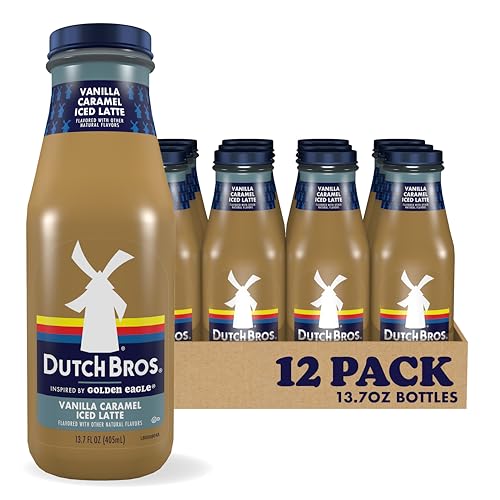
Top Recommendation: Dutch Bros Vanilla Caramel Iced Latte, 13.7 Fl Oz Bottles
Why We Recommend It: It delivers a reliable vanilla-caramel profile that remains well-rounded when served over ice, thanks to 100% Arabica coffee and balanced cream. The bottle format and twelve-pack option optimize value and portability, outperforming alternatives that either over-sweeten or taste diluted after chilling. Its consistent sweetness, coffee presence, and convenient packaging make it the best overall choice in this category.
Dutch Bros Vanilla Caramel Iced Latte, 13.7 Fl Oz Bottles |
- ✓ Creamy vanilla caramel balance
- ✓ No-mug, no-buzz prep
- ✓ Satisfying coffee backbone
- ✕ Sweetness can lean bold
- ✕ Limited customization straight from bottle
| Pack Size | 12 bottles |
| Bottle Volume | 13.7 fl oz (405 ml) per bottle |
| Flavor Profile | Vanilla caramel flavored iced latte with 100% Arabica coffee and cream |
| Caffeine Source | 100% Arabica coffee |
| Product Form | Ready-to-drink bottled latte |
| Branding/Origin Note | Inspired by Dutch Bros Golden Eagle; commercially produced for ready-to-drink consumption |
The moment you twist the cap and poke a straw into a bottle, you notice how smooth and inviting the vanilla caramel aroma is. It’s not just coffee—it’s a ready-to-drink treat that starts with a confident vanilla sweetness and wraps you in caramel warmth.
No mug, no blender needed—just grab, sip, and go.
You’ll find the 13.7 fl oz bottle feels sturdy in your hand, a weight that reassureingly says “another round” without tipping over. The first sip hits with balanced coffee depth, then the vanilla notes bloom, followed by a gentle caramel kiss.
It’s a cohesive flavor profile that stays creamy without feeling heavy.
Being a fan of iced coffee at work or during a late-afternoon errand sprint, this has become a dependable companion. The caffeine keeps you steadier than a latte from a shop, while the creamy finish doesn’t leave that chalky aftertaste you sometimes get from premade drinks.
The sweetness is approachable, never cloying, and the bottle chills quickly in the fridge for an instant cold pick-me-up.
Texture is where this shines: it pours smoothly, with enough body to feel like a real espresso-based drink, not a watered-down mix. If you’re a “bring-your-own-creamer” person, you’ll still enjoy it as-is, and you can easily customize with a splash of extra dairy or a sprinkle of cinnamon for a mini barista moment.
In real-life use, it’s ideal for grab-and-go mornings, post-work unwind, or when you need a dessert-like coffee without leaving the house. The Golden Eagle branding adds a touch of nostalgia and a reminder of Dutch Bros’ community vibe, which makes the entire experience feel a bit more special, not just convenient.
What Makes Dutch Iced Coffee Unique?
Dutch iced coffee stands out due to its unique brewing method and flavorful profile.
- Cold Brew Process: Dutch iced coffee is typically made using a cold brew method, which involves steeping coarsely ground coffee in cold water for an extended period, usually 12 to 24 hours. This results in a smooth, less acidic coffee that highlights the natural flavors of the beans without the bitterness characteristic of hot brewing methods.
- Rich and Creamy Flavor: The drink often incorporates a creamy texture, achieved by adding milk or cream, which balances the coffee’s robust flavors. This creaminess enhances the overall drinking experience, making it rich and indulgent compared to standard iced coffee.
- Sweet Variations: Dutch iced coffee is frequently sweetened with syrups or flavored creamers, providing a variety of taste options. This versatility allows coffee enthusiasts to customize their drinks, appealing to a wide range of palates from traditional to adventurous flavors.
- Visual Appeal: The presentation of Dutch iced coffee is often striking, with layers of coffee, milk, and sometimes whipped cream creating an enticing visual. This aesthetic quality not only enhances the drinking experience but also makes it an Instagram-friendly beverage.
- High-Quality Beans: The best Dutch iced coffee is made with high-quality, freshly roasted beans, often sourced from reputable coffee-growing regions. The choice of beans significantly impacts the flavor profile, making it essential for achieving the best possible taste in the final drink.
Which Ingredients Create the Perfect Dutch Iced Coffee?
The best Dutch iced coffee is crafted from a harmonious blend of ingredients that enhance flavor and provide a refreshing experience.
- Cold Brew Coffee: The foundation of Dutch iced coffee, cold brew is made by steeping coarsely ground coffee in cold water for an extended period, typically 12-24 hours. This method results in a smooth, less acidic flavor, which is essential for a well-balanced iced coffee.
- Syrup or Sweetener: To elevate the taste, a syrup made from sugar and water is often added, which can be flavored with vanilla or caramel. This sweetness complements the natural bitterness of the coffee, creating a rich and indulgent drink.
- Milk or Cream: Adding milk, cream, or a dairy alternative brings creaminess and richness to the beverage. The choice of milk can vary from whole milk for a traditional taste to oat or almond milk for a plant-based option, affecting the overall texture and flavor profile.
- Ice: Ice is crucial for serving Dutch iced coffee cold and refreshing. Using large ice cubes can help prevent dilution, allowing the coffee to maintain its robust flavor as it chills.
- Flavor Enhancements: Optional additions like whipped cream, chocolate syrup, or spices such as cinnamon can provide an extra layer of complexity. These enhancements not only contribute to the visual appeal but also allow for personal customization of the drink.
How Do Different Coffee Beans Affect the Flavor Profile?
The flavor profile of coffee is significantly influenced by the type of coffee beans used, which can vary in origin, processing method, and roast level.
- Arabica: Arabica beans are known for their smooth, mild flavor and higher acidity. They often have a range of tasting notes, including floral, fruity, and nutty, making them a popular choice for specialty coffees and iced coffee blends.
- Robusta: Robusta beans tend to be stronger and more bitter than Arabica, with a higher caffeine content. Their earthy and nutty flavors can add depth to iced coffee, but they are often considered less desirable for a delicate flavor profile.
- Single-Origin Beans: These beans come from a specific region or farm, offering unique flavor characteristics based on their terroir. Single-origin coffees can highlight specific tasting notes, making them ideal for crafting distinct iced coffee experiences.
- Blends: Coffee blends combine different beans to achieve a balanced flavor profile. Blends can enhance the sweetness and complexity of iced coffee, allowing for a smoother, more rounded taste that appeals to a wider audience.
- Light Roast: Light roast beans preserve the natural flavors of the coffee, often resulting in a bright and acidic cup. This roast level can highlight fruity and floral notes, making it an excellent choice for refreshing iced coffee drinks.
- Medium Roast: Medium roast beans strike a balance between acidity and body, offering a more rounded flavor. This roast level can produce a rich and satisfying iced coffee, with caramel and chocolate notes that complement the cold brew experience.
- Dark Roast: Dark roast beans have a bold, robust flavor with less acidity and pronounced bitterness. While they can create a strong iced coffee, the heavy body may overpower more delicate flavors, making them less ideal for those seeking a nuanced iced coffee.
What Brewing Techniques Enhance Dutch Iced Coffee?
The best Dutch iced coffee can be achieved through various brewing techniques that enhance its flavor and presentation.
- Cold Brew Method: This technique involves steeping coarsely ground coffee in cold water for an extended period, usually 12 to 24 hours. The result is a smooth, low-acid coffee concentrate that can be diluted with water or milk, offering a rich flavor profile ideal for iced coffee.
- Japanese Iced Coffee: This method blends hot and cold brewing techniques by brewing coffee directly over ice. As the hot coffee drips onto the ice, it cools rapidly, preserving the coffee’s aromatics and flavors while preventing dilution, resulting in a vibrant and complex iced coffee.
- Flash Chilling: Flash chilling involves brewing hot coffee and immediately chilling it in a refrigerator or over ice. This quick cooling process helps maintain the coffee’s fresh flavors, making it an excellent choice for those who want a quick iced coffee without sacrificing taste.
- Brewing with Milk or Cream: Some techniques incorporate milk or cream during the brewing process, such as brewing a stronger coffee and then adding cold milk directly. This not only enhances the creaminess of the iced coffee but also adds sweetness and richness, creating a delightful blend.
- Aeropress Iced Coffee: Using an Aeropress allows for a versatile brewing technique where coffee is brewed with hot water and then immediately poured over ice. This results in a concentrated coffee that can be diluted to taste, providing a unique flavor and body that works well in iced coffee.
What Are the Most Popular Variations of Dutch Iced Coffee?
Affogato Style is a favorite for dessert lovers, as it combines the richness of ice cream with the boldness of espresso, creating a delightful treat that can be enjoyed any time of day. The contrast of hot and cold makes it a unique option for those seeking something indulgent and refreshing.
How Can You Make Authentic Dutch Iced Coffee at Home?
To make authentic Dutch iced coffee at home, you will need specific ingredients and methods to achieve the best flavor and texture.
- High-quality coffee beans: Use a medium to dark roast coffee for a rich flavor that holds up well when chilled.
- Cold brew method: This method involves steeping coarsely ground coffee in cold water for an extended period, usually 12-24 hours, to extract a smooth, low-acid coffee concentrate.
- Milk or cream: Adding milk or cream enhances the richness and creaminess of the iced coffee, balancing the strong coffee flavor.
- Sweeteners (optional): You can use sugar, flavored syrups, or natural sweeteners to adjust the sweetness level to your preference.
- Ice cubes: Use large ice cubes to prevent dilution, ensuring your iced coffee remains strong and flavorful as it chills.
- Garnishes: Consider adding a sprinkle of cinnamon, cocoa powder, or whipped cream on top for additional flavor and visual appeal.
High-quality coffee beans are essential for the best Dutch iced coffee. Look for beans that have been roasted in the last few weeks for freshness, and consider experimenting with different roasts to find your preferred flavor profile.
The cold brew method is preferred for its smooth, less acidic taste, which is perfect for iced coffee. To prepare, mix the coffee grounds with cold water and let it steep for the recommended time, then strain it through a fine mesh or coffee filter.
Milk or cream is typically added to Dutch iced coffee to create a creamy texture that complements the coffee’s boldness. Whole milk, half-and-half, or even dairy alternatives like almond or oat milk can be used, depending on your dietary preference.
If you enjoy sweetening your coffee, choose sweeteners that dissolve easily. Liquid sweeteners like simple syrup or flavored coffee syrups blend well, while granulated sugar may require stirring to fully dissolve.
Using large ice cubes is a smart choice, as they melt slower than smaller ones, minimizing dilution and keeping your iced coffee flavorful for longer. You can even freeze leftover coffee in an ice cube tray to create coffee ice cubes for an extra boost of flavor.
Garnishes can elevate your Dutch iced coffee experience, adding an aromatic layer and making the drink visually appealing. A sprinkle of cinnamon or cocoa can enhance flavor, while whipped cream adds a touch of indulgence.
What Are the Essential Steps for Brewing Dutch Iced Coffee?
The essential steps for brewing the best Dutch iced coffee are straightforward yet crucial for achieving a rich and flavorful drink.
- Select Quality Coffee Beans: Choose high-quality, freshly roasted coffee beans, preferably a medium to dark roast, as they provide a bold flavor that stands out in iced coffee.
- Coarse Grinding: Grind the coffee beans to a coarse consistency, similar to that used for French press brewing, which helps in extracting the optimal flavor without bitterness during the steeping process.
- Cold Brew Preparation: Combine the coarsely ground coffee with cold water in a ratio of 1:4, allowing it to steep for 12 to 24 hours in the refrigerator, which results in a smooth and low-acidity coffee concentrate.
- Strain the Brew: After steeping, strain the coffee mixture through a fine mesh sieve or a coffee filter to remove the grounds, yielding a clean cold brew concentrate ready for serving.
- Serve Over Ice: Pour the cold brew concentrate over ice, and adjust the strength to your liking by adding cold water or milk; sweeten if desired to enhance the flavor.
- Garnish and Enjoy: Add any desired garnishes such as whipped cream, chocolate syrup, or a sprinkle of cinnamon, and enjoy the refreshing taste of your homemade Dutch iced coffee.
Which Brands Offer the Best Dutch Iced Coffee Products?
The best Dutch iced coffee products come from brands that prioritize quality ingredients and unique flavors.
- Douwe Egberts: Known for its rich heritage, Douwe Egberts offers a range of Dutch iced coffee products that are crafted from high-quality Arabica beans. Their iced coffee is smooth and well-balanced, making it a popular choice for those who appreciate a classic flavor profile.
- Ilse Iced Coffee: Ilse focuses on providing a refreshing and creamy iced coffee experience, utilizing natural ingredients without artificial additives. Their products often feature unique flavor combinations that cater to a variety of taste preferences, appealing to both traditional and adventurous coffee drinkers.
- Starbucks Netherlands: Starbucks offers its own line of Dutch iced coffee that blends their signature espresso with milk and ice, delivering a consistent and familiar taste. They often introduce seasonal flavors, providing a range of options for iced coffee lovers looking for something new and exciting.
- Blue Bottle Coffee: While originally an American brand, Blue Bottle has made a name for itself in the Dutch market with its artisanal approach to coffee. Their iced coffee is made from freshly brewed, single-origin coffee, ensuring a vibrant and nuanced flavor that stands out among competitors.
- Brandless Dutch Coffee: This brand takes pride in being budget-friendly while maintaining quality, offering iced coffee products that are both affordable and delicious. Their minimalist approach ensures that each sip delivers genuine coffee flavor without unnecessary frills.