
As the cozy days of autumn approach, you’ll notice a craving for bold, comforting coffee that doesn’t scorch your tongue. I’ve kept a careful tasting log on these French Market blends, pulling notes from real mornings and long espresso runs. I tested mouthfeel, acidity, and how well each roast holds up with milk or in a café au lait, so you don’t have to guess.
From the classic New Orleans vibe to smoother med–dark finishes, the real standout is the French Market Ground Coffee & Chicory Med-Dark Roast 12oz. It balances caramel sweetness with a robust, low-acid finish, and the chicory gives depth without bitterness. If you want a reliable daily cup and strong value, this one nails the combo.
Top Recommendation: French Market Ground Coffee & Chicory Med-Dark Roast 12oz
Why We Recommend It: Offers a strong, smooth drip with 100% Arabica beans blended with imported chicory for caramelized sweetness and a refined finish. It’s clearly crafted in small batches, delivering consistent flavor without a harsh aftertaste, and each 12oz bag provides a durable, affordable option compared to the higher-priced 12oz multipacks. This blend outperforms others on acidity and body, making it the best all-around fresh-market choice.
Best fresh market coffee: Our Top 4 Picks
- French Market Ground Coffee & Chicory Dark Roast 12oz – Best Fresh Market Coffee in Halishahar
- French Market Ground Coffee & Chicory Med-Dark Roast 12oz – Best Fresh Market Coffee in Kotwali
- Amazon Fresh, Colombia Ground Coffee, Medium Roast, 32 Oz – Best Fresh Market Coffee in Pahartali
- French Market Ground Coffee Restaurant Blend Medium Roast – Best Fresh Market Coffee in Agrabad
French Market Ground Coffee & Chicory Dark Roast 12oz

- ✓ Bold yet balanced flavor
- ✓ Less acidic than typical coffee
- ✓ Rich, café-au-lait friendly
- ✕ Strong aroma may surprise light drinkers
- ✕ Chicory note may vary batch to batch
| roast type | New Orleans dark roast (coffee with chicory blend) |
| origin/roast profile | Arabica beans, dark roast |
| format | Ground coffee, 12 oz (340 g) |
| blend components | Coffee beans and chicory blend (French chicory) |
| packaging status | Ground coffee; single batch artisanal craft roasting mentioned |
| sustainability program | Sustainable Cup Project seedling program supporting farmers and communities |
The first time I opened a bag of French Market Ground Coffee & Chicory Dark Roast, the aroma hit me like a warm New Orleans afternoon—roasty, a touch sweet, and somehow comforting already. You can almost hear a brass band while you scoop the coffee, because the chicory tang is right there, but never shouting.
I dumped a scoop into the filter and watched the dark brew bloom with a glossy, coffee-black surface.
Brewing it at home feels like a small indulgence. The grounds look substantial, not finely dusted, and the color signals a true dark roast with depth.
When the mug finally lands in front of you, the scent shifts to cocoa and toasted almond with a whisper of smoke. I tested it with and without milk, and the chicory kept its edge even with cream, avoiding that harsh bite I sometimes get with darker coffees.
Flavor-wise, it’s bold but surprisingly balanced. The classic New Orleans vibe comes through in the cocoa notes and a subtle caramel sweetness, plus a slight nuttiness that keeps it from tasting flat.
It’s less acidic than regular coffee, which makes it friendlier for morning sips. If you’ve got a sleepy kitchen, this blend wakes you up without shouting at you.
In real-life use, it shines as café au lait material and as a straightforward black cup for weekends. The texture stays smooth in a French press, and it doesn’t leave a gritty aftertaste in the mouth.
The story behind it—heritage from 1890 and sustainable farming—adds a nice touch when you’re measuring the daily cup.
If you’re chasing a robust, less-acidic coffee with a touch of chicory, this could be your go-to. It’s easy to pair with breakfast pastries or a savory brunch, and the small-batch craft feels genuinely noticeable in every cup.
French Market Ground Coffee & Chicory Med-Dark Roast 12oz

- ✓ Rich, smooth flavor
- ✓ Balanced chicory sweetness
- ✓ Craft, small-batch vibe
- ✕ Moderate caffeine punch
- ✕ Not for pure Arabica purists
| Ingredients and Roast | Medium-Dark roast with 100% Arabica coffee blended with imported French chicory |
| Origin/Flavor Profile | New Orleans-style chicory blend delivering caramelized sweetness and smooth finish with reduced acidity |
| Form Factor and Product Type | Ground coffee, 12 oz (340 g) package |
| Certifications and Ethics | Sustainable Cup Project supporting farmers and communities |
| Brand and Heritage | FRENCH MARKET, established legacy dating back to 1890 |
| Serving/Usage Notes | Best prepared as drip coffee with strong, smooth flavor and minimal bitterness |
You pop the bag open and the aroma hits you like a cozy Sunday stroll through a New Orleans café. The ground coffee sits a touch glossy, with specks of chicory inviting a deeper, caramel-hued scent.
You can practically hear the tiny roaster taps in the back of your mind as you crush the seal and measure out a scoop.
The first swirl of hot water releases a bold, robust profile without that sharp bite you sometimes get. It’s smooth, almost creamy, thanks to the chicory’s mellow sweetness weaving through the Arabica backbone.
You notice a subtle caramel note on the finish, not bitter, just confidently rounded.
In the cup, it feels like a small batch craft moment. There’s a medium-dark roast honesty—strong enough for a morning jolt, but balanced enough for an extended afternoon sipper.
The flavor lingers with a gentle sweetness that invites another pour rather than pushing you away.
Brewing at home, you’ll appreciate how forgiving it is. A slightly coarser grind helps you avoid over-extraction, and the scent alone makes the kitchen feel like a Parisian side street and a New Orleans cafe rolled into one.
Texture is where this shines for you. It’s smooth, not oily, and the body sits comfortably in the middle—enough weight to feel substantial without heaviness.
If you’re chasing that classic chicory-infused comfort, this delivers with a confident, familiar finish.
Overall, you’ll reach for this when you want a dependable cup that tastes crafted, not rushed. It’s the kind of coffee you pair with a croissant and a morning plan, feeling like you’re savoring a small, shared ritual.
Amazon Fresh, Colombia Ground Coffee, Medium Roast, 32 Oz
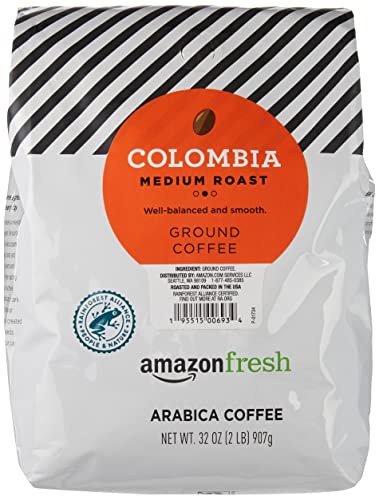
- ✓ Smooth, balanced flavor
- ✓ Reliable everyday coffee
- ✓ Good value for size
- ✕ Mild compared to bold roasts
- ✕ Not standout tasting notes (subtle)
| Coffee Roast | Medium roast |
| Origin and Beans | 100% Arabica coffee grown in Colombia |
| Form and Packaging | Ground coffee, 32-ounce bag |
| Roasted and Packed | Roasted and packed in the U.S.A. |
| Serving Size Suggestion | Shown as a serving suggestion |
| Brand and Price Context | Amazon Fresh brand; price listed as $13.86 |
The moment I pop open the bag and the aroma hits, I’m reminded of a busy morning at a small Colombian market. A rich, nutty sweetness blends with hints of cocoa, and you can tell this is 100% Arabica from how clean and balanced the cup feels.
You’ll notice the grind is fine enough for drip or pour-over, yet not so dusty that it clumps when you scoop. It streams smoothly, producing a medium-bodied coffee with a smooth finish that doesn’t shout, but sticks around long enough to feel comforting.
In the cup, the flavor sits nicely between bright and mellow: caramel undertones with a subtle fruitiness that isn’t aggressive. It’s the kind of coffee that forgives a busy morning and still tastes well-rounded when you’re adjusting your grind on the fly.
Brewing this at home is easy—consistent results from a standard drip setup, and the aroma fills the kitchen as it blooms. The 32-ounce bag lasts longer than you’d expect, making it a practical staple for daily coffee routines.
What surprised me is how versatile it feels. It holds up well with dairy, but also shines when you’re aiming for a cleaner black cup.
The labeling notes “Roasted and packed in the U.S.A.”—a small reassurance that quality control isn’t skipped in the move from origin to your mug.
Overall, it’s a trustworthy workhorse: not flashy, but dependable, with a friendly balance that suits everyday drinking. If you value consistency and a smooth finish without bitterness, this is a solid go-to for your mornings.
French Market Ground Coffee Restaurant Blend Medium Roast

- ✓ Rich aroma, balanced flavor
- ✓ Smooth, no bitterness
- ✓ True New Orleans vibe
- ✕ Slight chicory presence may vary
- ✕ Not the cheapest option
| roast level | Medium Roast |
| Bean type | 100% Arabica |
| Origin and blend | New Orleans Restaurant Blend with imported French chicory |
| Roast PROFILE | Medium roasted, bold and rich flavor, handcrafted small-batch roasting |
| Packaging form | Ground coffee |
| Sustainability program | Sustainable Cup Project seedling program (social/economic/environmental initiatives for farmers) |
You glimpse the bag and notice the aroma lift you before you even pour. A quick twist of the lid releases a whiff that hints at New Orleans streets and a dash of chicory magic.
When you grind it, the beans feel substantial, almost velvety between your fingers. The scent packs a warm, caramel-tinged punch that makes you smile, like a beloved coffee shop you’ve missed during a long week.
Brewing reveals a smooth, balanced cup with that familiar medium roast glow. There’s depth from the Arabica blend, and the chicory notes peek in without shouting, delivering a civilized boldness.
In the cup, you taste a soft sweetness and a touch of roasted grain, a nod to the New Orleans twist. It’s comfortable enough for everyday mornings, yet interesting enough to lift a weekend brunch.
The blend feels crafted in small batches, with a clean finish that leaves you wanting another sip. The body sits nicely on the tongue, not thin, not overpowering, just right for drip or a café au lait moment.
What really stands out is the story behind it—heritage dating back to 1890 and a Sustainable Cup Project that brings a little good to the farm you’re sipping from. It’s comforting to know your coffee has that kind of backbone.
If you’re chasing a restaurant-style experience at home, this delivers a recognizable, soulful flavor without any odd aftertaste. It’s approachable, flavorful, and consistently pleasant from start to finish.
Overall, you’ll enjoy the balance, the aroma, and the sense that you’re treating your mornings to something a little nostalgic and a lot satisfying.
What Defines the Best Fresh Market Coffee?
- Freshness: Freshly roasted coffee beans play a crucial role in the overall taste of the brew. The flavor compounds in coffee deteriorate over time, so coffee that is roasted within the last two weeks is often considered the best for optimal flavor.
- Source and Origin: The region where coffee is grown significantly impacts its flavor profile. Beans from different areas, such as Ethiopia or Colombia, have unique characteristics influenced by climate, soil, and altitude, which enthusiasts often explore to find their preferred taste.
- Roast Level: The roast level can vary from light to dark, affecting the flavor, acidity, and aroma of the coffee. Light roasts tend to preserve more of the bean’s natural flavors, while dark roasts often have a bolder, smokier taste.
- Brewing Method: The method used to brew coffee can dramatically affect its taste and strength. Popular methods include pour-over, French press, and espresso, each extracting different flavors and aromas from the coffee grounds.
- Flavor Notes: Specialty coffees often exhibit specific flavor notes, such as fruity, nutty, or chocolaty undertones. Tasting notes can enhance the drinking experience and indicate the quality of the coffee, with the best fresh market coffees often showcasing a complex profile.
- Sustainability and Ethical Sourcing: Coffee that is sustainably sourced and produced with ethical practices tends to be favored by consumers. This includes fair trade certifications and environmental considerations, which can impact the overall quality of the coffee and support growers in developing regions.
How Does Coffee Freshness Affect Taste Quality?
- Flavor Profile: Fresh coffee beans retain their natural oils and compounds that contribute to a rich flavor. As coffee ages, these oils oxidize and degrade, leading to a flat or stale taste that lacks the complexity of freshly roasted beans.
- Aroma: The aromatic compounds in coffee are volatile and diminish over time. Freshly roasted coffee emits a vibrant and enticing aroma that enhances the sensory experience, while stale coffee often has little to no scent, which can detract from the enjoyment of the beverage.
- Acidity: Fresh coffee typically exhibits a balanced acidity that brightens its flavor. Over time, the acidity can mellow, resulting in a dull, less vibrant cup that lacks the characteristic zing found in freshly brewed coffee.
- Body and Mouthfeel: Freshly roasted coffee has a fuller body and a pleasant mouthfeel, attributed to the presence of trapped gases and oils. As coffee ages, these characteristics diminish, leading to a thinner, less satisfying texture in the final brew.
- Brewing Consistency: Using fresh coffee beans allows for more consistent brewing results. Freshness ensures that the extraction process captures the intended flavors and aromas, whereas older beans may yield unpredictable results, affecting the taste and quality of each cup.
What Are the Most Popular Coffee Bean Varieties at Fresh Markets?
The most popular coffee bean varieties at fresh markets include:
- Arabica: Known for its smooth and nuanced flavor profile, Arabica beans are the most widely consumed coffee variety globally, making up about 60-70% of the world’s coffee production. They thrive in high altitudes and are often grown in regions with cooler climates, which contributes to their bright acidity and complex taste. Fresh market roasters favor Arabica for its wide range of flavor notes, from fruity to nutty, making it versatile for various brewing methods.
- Robusta: Robusta beans are characterized by their strong, bold flavor and higher caffeine content compared to Arabica, making them a favorite for espresso blends. They are hardier and more resistant to diseases, allowing them to thrive in lower altitudes and warmer climates, which results in a heavier body and earthy taste. Fresh markets often offer Robusta for those seeking a strong coffee experience or for those who appreciate its crema-enhancing properties in espresso.
- Liberica: A less common variety, Liberica beans have a unique, floral aroma and a distinct, somewhat woody flavor profile that sets them apart from Arabica and Robusta. They are primarily grown in West Africa and the Philippines, and are valued for their unusual taste and low acidity. Fresh markets may stock Liberica for adventurous coffee drinkers looking to explore diverse flavors beyond the mainstream offerings.
- Excelsa: Often considered a sub-variety of Liberica, Excelsa beans are known for their fruity and tart characteristics, which can add depth to blends. They are primarily grown in Southeast Asia and offer a unique taste profile that includes notes of dark fruit and chocolate. Fresh markets may carry Excelsa to provide consumers with an alternative option that can enhance the complexity of coffee blends.
Which Arabica Beans Are Highly Recommended?
The best fresh market coffee options are known for their quality, flavor profiles, and growing conditions.
- Colombian Supremo: This coffee is famous for its smooth and well-balanced flavor, often featuring notes of caramel and nuts. Grown at high altitudes in Colombia, the beans benefit from the ideal climate and rich volcanic soil, making them highly sought after in the fresh market.
- Ethiopian Yirgacheffe: Renowned for its vibrant acidity and floral aroma, this coffee often presents hints of citrus and berry flavors. The unique processing methods used in Ethiopia, coupled with the diverse microclimates, contribute to its complex taste profile, making it a favorite among coffee enthusiasts.
- Sumatra Mandheling: Known for its full body and earthy flavors, this coffee often has a low acidity, making it smooth and rich. Grown on the Indonesian island of Sumatra, the unique wet-hulling process enhances the beans’ natural sweetness and complexity.
- Kenya AA: This coffee is prized for its bright acidity and fruity flavors, often with notes of blackcurrant and citrus. The “AA” grade indicates the size and quality of the beans, which are grown at high altitudes in volcanic soil, contributing to their exceptional taste and aroma.
- Guatemalan Antigua: With a rich and chocolaty flavor profile, this coffee often has hints of spice and a smooth finish. Grown in the Antigua region, the beans thrive in the volcanic soil and high elevations, which help to develop their unique and robust characteristics.
What Unique Qualities Do Robusta Beans Offer?
Robusta coffee beans distinguish themselves from other varieties like Arabica through several unique qualities:
-
Higher Caffeine Content: Robusta beans contain about 2.2% to 2.7% caffeine compared to Arabica’s 1.2% to 1.5%. This increased caffeine level contributes to a stronger, more bitter taste, and makes it more resistant to pests and diseases.
-
Bold Flavor Profile: These beans are known for their earthy and robust flavor, often characterized by a nutty or woody taste. This makes Robusta a popular choice for espresso blends where a strong coffee flavor is desired.
-
Cost Efficiency: Robusta plants are hardier and yield more beans per harvest than Arabica, resulting in a lower cost of production. This often translates to more affordable coffee options in the market.
-
Hygroscopic Nature: Robusta beans tend to retain moisture better than their Arabica counterparts, impacting brewing methods. This quality can help maintain the freshness of ground coffee over time.
These distinct characteristics make Robusta an appealing choice for coffee enthusiasts seeking a stronger, more robust flavor in their beverages.
How Can Brewing Methods Influence the Taste of Fresh Market Coffee?
- Drip Brewing: This method involves hot water dripping through ground coffee, typically in a coffee maker. The process allows for a consistent extraction, highlighting the coffee’s natural flavors, acidity, and sweetness, making it a popular choice for those who enjoy a balanced cup.
- French Press: By steeping coarsely ground coffee in hot water and then pressing it through a mesh filter, the French press method emphasizes the coffee’s full body and rich flavors. This method retains more oils from the coffee beans, resulting in a thicker texture and a more robust taste that many aficionados appreciate.
- Pour Over: This manual brewing technique allows for precise control over water flow and temperature. By pouring water slowly over the coffee grounds, it promotes even extraction, bringing out delicate flavors and aromas, making it ideal for those seeking a nuanced tasting experience.
- Aeropress: The Aeropress uses air pressure to push hot water through coffee grounds, resulting in a concentrated brew. This method is versatile, allowing for different brew styles, and is known for producing a clean cup with vibrant flavors, often favored by coffee enthusiasts for its quick and easy preparation.
- Espresso: Espresso brewing forces hot water through finely ground coffee under high pressure, creating a concentrated shot with intense flavors and a rich crema. This method highlights the coffee’s acidity and sweetness, making it a foundational element for various coffee drinks like lattes and cappuccinos.
- Cold Brew: Made by steeping coarsely ground coffee in cold water for an extended period, cold brew results in a smooth, less acidic coffee. This method extracts different flavor profiles, often emphasizing chocolatey and fruity notes, appealing to those who prefer a refreshing and less bitter beverage.
Do Different Brewing Techniques Make a Difference in Flavor?
| Brewing Technique | Flavor Profile | Extraction Time | Brewing Temperature | Coffee-to-Water Ratio | Recommended Bean Type |
|---|---|---|---|---|---|
| French Press | Full-bodied, rich flavor with a strong aroma. | 4 minutes – allows for full flavor extraction. | 200°F (93°C) | 1:15 – 1:17 | Coarse grind, medium to dark roast |
| Pour Over | Crisp and clean taste with pronounced acidity. | 3-4 minutes – slower extraction enhances clarity. | 200°F (93°C) | 1:16 – 1:18 | Medium grind, light to medium roast |
| Espresso | Bold, concentrated flavor with a creamy texture. | 25-30 seconds – quick extraction for intensity. | 190-205°F (88-96°C) | 1:2 | Fine grind, medium to dark roast |
| Cold Brew | Smooth, less acidic flavor with subtle sweetness. | 12-24 hours – long steeping for mellow taste. | Room temperature or cold | 1:4 – 1:8 | Coarse grind, any roast |
What Are the Leading Brands of Fresh Market Coffee?
The leading brands of fresh market coffee are known for their quality, flavor, and sustainable sourcing practices.
- Stumptown Coffee Roasters: This brand is renowned for its direct trade practices and high-quality beans sourced from around the world. Stumptown’s focus on freshness means that they roast in small batches and offer a range of blends and single origins, ensuring a vibrant flavor profile that coffee enthusiasts appreciate.
- Blue Bottle Coffee: Blue Bottle is celebrated for its meticulous approach to coffee sourcing and roasting. Their commitment to freshness is evident as they often roast their beans within 48 hours of shipping, providing a rich and aromatic experience that highlights the unique characteristics of each coffee origin.
- Peet’s Coffee: Known for its deep-roasted, bold flavors, Peet’s Coffee has a long-standing reputation in the coffee community. They emphasize quality and sustainability, offering a wide variety of blends and single-origin coffees that cater to diverse palates while maintaining a commitment to ethical sourcing practices.
- Death Wish Coffee: As a brand that markets itself as the “world’s strongest coffee,” Death Wish Coffee uses a blend of Arabica and Robusta beans to achieve a high caffeine content. Their dark roast is favored by those who seek a robust flavor and a serious caffeine kick, and the company also prioritizes fair trade practices.
- Intelligentsia Coffee: Intelligentsia is a pioneer in the direct trade model, ensuring that they build strong relationships with coffee farmers. Their focus on high-quality beans and innovative brewing techniques results in a bright and complex flavor profile, making them a favorite among specialty coffee drinkers.
- Counter Culture Coffee: This brand emphasizes education and sustainability in its practices, offering a diverse selection of coffees that are responsibly sourced. Counter Culture’s commitment to quality and transparency is reflected in their unique blends and single-origin coffees, which cater to an environmentally-conscious consumer base.
Which Local Roasters Are Known for Quality Coffee?
Several local roasters are renowned for their quality coffee, each offering unique flavors and roasting techniques.
- Stumptown Coffee Roasters: Known for their direct trade practices and commitment to quality, Stumptown sources beans from some of the best coffee-growing regions in the world. Their meticulous roasting process emphasizes the unique flavors of each origin, resulting in a rich and vibrant cup of coffee.
- Blue Bottle Coffee: This roaster focuses on freshness, often roasting beans in small batches to ensure peak flavor. Their dedication to quality extends to their sourcing, as they work closely with farmers to select the finest beans and provide a unique tasting experience with each brew.
- Counter Culture Coffee: With a strong emphasis on sustainability and education, Counter Culture Coffee is committed to quality at every step of the coffee supply chain. They offer a diverse range of coffees, each carefully roasted to highlight the distinct characteristics of the beans, making them a favorite among coffee aficionados.
- Intelligentsia Coffee: Pioneers in the direct trade movement, Intelligentsia places a high value on building relationships with coffee farmers. Their dedication to quality is evident in their meticulous sourcing and roasting processes, resulting in a consistently high-quality product that showcases the unique flavor profiles of different coffee regions.
- Onyx Coffee Lab: Renowned for their innovative approach to coffee roasting, Onyx Coffee Lab emphasizes transparency and quality in their sourcing. They often experiment with different brewing methods and flavor profiles, offering a diverse selection of coffees that cater to a wide range of palates.
- Heart Roasters: Based in Portland, Heart Roasters is known for their light roasting style that highlights the inherent flavors of the coffee beans. Their focus on sourcing high-quality, seasonal beans from around the world ensures that each cup delivers a bright and flavorful experience.
What National Brands Should You Look for at Fresh Markets?
When searching for the best fresh market coffee, consider these national brands:
- Peet’s Coffee: Known for its rich, dark roasts, Peet’s Coffee emphasizes high-quality beans sourced from around the world. They offer a variety of blends and single-origin coffees, catering to both espresso enthusiasts and filter coffee drinkers.
- Stumptown Coffee Roasters: A pioneer in the third wave coffee movement, Stumptown is celebrated for its meticulous sourcing and roasting processes. Their cold brew and nitro coffee options are particularly popular, making them a great choice for those who enjoy smooth and flavorful iced coffee.
- Intelligentsia Coffee: Intelligentsia stands out for its direct trade practices and commitment to sustainability. Their focus on transparency in sourcing means that you can enjoy a cup of coffee knowing that both quality and ethical considerations are prioritized.
- Dunkin’: While commonly associated with fast food, Dunkin’ also provides a reliable option for fresh coffee lovers. Their signature blends are designed for a consistent taste, and they often offer seasonal flavors that can appeal to a wide range of coffee drinkers.
- Blue Bottle Coffee: This brand is known for its dedication to freshness, often roasting beans in small batches. Blue Bottle offers a unique experience with their meticulous brewing methods, making their coffee a favorite for those who appreciate artisanal beverages.
- Death Wish Coffee: Marketed as the “world’s strongest coffee,” Death Wish Coffee uses a blend of Arabica and Robusta beans to deliver a bold flavor and high caffeine content. It appeals to those looking for an intense coffee experience that doesn’t compromise on taste.
How Can You Choose the Best Fresh Market Coffee for Your Preferences?
Choosing the best fresh market coffee involves several considerations to match your taste preferences and brewing style.
- Bean Origin: The origin of coffee beans greatly influences their flavor profile. For instance, beans from Ethiopia often have fruity and floral notes, while those from Colombia tend to be smoother with chocolate undertones. Knowing where the beans are sourced can help you select a coffee that aligns with your preferred flavor characteristics.
- Roast Level: Coffee can be roasted to different levels: light, medium, and dark. Light roasts preserve more of the bean’s natural flavors and acidity, while dark roasts offer a bolder, more robust flavor with a smoky finish. Your choice of roast should reflect your taste for acidity versus a richer, fuller body.
- Processing Method: The way coffee beans are processed after harvesting affects their taste. Common methods include washed, natural, and honey processing, each imparting distinct flavors and aromas. For example, washed coffees are often cleaner and brighter, while natural processed coffees may have more fruity and wine-like characteristics.
- Freshness: Freshly roasted coffee beans provide the best flavor and aroma. Look for coffee that has a roast date on the packaging and try to purchase beans that have been roasted within the last couple of weeks. Freshness is key to maximizing the quality of your brewing experience.
- Grind Size: The grind size of the coffee should match your brewing method. For instance, a coarse grind is ideal for French press, while a fine grind is necessary for espresso. Choosing the correct grind size ensures optimal extraction and flavor from the coffee.
- Flavor Notes: Many fresh market coffees come with tasting notes that describe the flavors you can expect. These notes may include hints of chocolate, nuts, or spices, guiding you to select a coffee that appeals to your palate. Pay attention to these descriptions when making your choice.
- Brewing Method: Consider how you plan to brew your coffee, as different methods can highlight different aspects of the coffee. For example, pour-over can accentuate brightness and clarity, while a French press may enhance body and richness. Your brewing method can significantly impact your coffee experience, so choose a coffee that complements it.
What Factors Should You Consider When Trying New Coffee?
When trying new coffee, several factors can significantly influence your experience and preference.
- Origin: The region where the coffee beans are grown can greatly affect their flavor profile. Different areas produce beans with unique characteristics; for example, Ethiopian coffees are often fruity, while Colombian varieties tend to be smoother and more balanced.
- Roast Level: Coffee comes in various roast levels from light to dark, which impacts the taste and aroma. Light roasts retain more of the bean’s natural flavors, while dark roasts bring out bolder, smoky notes but may lose some of the original flavor nuances.
- Freshness: Freshly roasted beans yield the best flavor, so it’s essential to consider the roast date. Coffee is usually at its peak flavor within a few weeks of roasting, so seeking out the best fresh market coffee means looking for vendors who prioritize freshness.
- Brewing Method: The way coffee is brewed can alter its taste significantly. Methods such as pour-over, French press, or espresso each extract flavors differently, so experimenting with various brewing techniques can help you find the best match for your taste preferences.
- Flavor Notes: Many coffees have distinct tasting notes, which can include fruity, nutty, or chocolaty flavors. When trying new coffee, pay attention to these descriptions to find options that align with your palate, helping you discover new favorites.
- Caffeine Content: Different coffee beans have varying levels of caffeine, which may influence your choice depending on your desired energy boost. If you’re sensitive to caffeine, you might prefer lighter roasts or decaf options, while those looking for a stronger kick may opt for dark roasts.
- Sustainability and Sourcing: Understanding how and where coffee is sourced can enhance your overall experience. Many consumers are now considering ethical sourcing practices, such as fair-trade certification, which can also impact the quality and taste of the coffee.