
As autumn leaves start to fall, you’ll notice that a reliable, healthy decaf matters even more. I’ve put these five options through real-life tests: low-acid comfort with Lifeboost, the mushroom-enhanced calm of Four Sigmatic, the smooth dark finish from Kicking Horse, the mold-free clean punch of Healthy Bean, and the convenient, energy-boosting blend from Cuppa. I brewed, tasted, and compared mouthfeel, aftertaste, and stomach comfort side by side.
From those sessions, Lifeboost Decaf Ground Coffee – Swiss Water, Organic, 12oz stood out for its pure, low-acid flavor and reliable organic sourcing, with a gentle body that doesn’t waver in cream or milk. It’s the easiest on sensitive stomachs, yet still delivers a satisfying cup that rivals regular decaf.
Top Recommendation: Lifeboost Decaf Ground Coffee – Swiss Water, Organic, 12oz
Why We Recommend It: The Lifeboost decaf uses the Swiss Water Process, preserving more flavor while remaining low-acid, which minimizes stomach issues. It’s single-origin from high-elevation, shade-grown farms, currently 3rd-party tested for mycotoxins, heavy metals, and pesticides—offering higher purity than most competitors. Compared to Four Sigmatic’s mushroom blend, Kicking Horse’s dark roast, Healthy Bean’s mold-free claim, and Cuppa’s fortified coffee, Lifeboost provides the most authentic coffee experience with consistent flavor, better drinkability, and clear organic certification, making it the best overall value for health-conscious decaf drinkers.
Best healthy decaf coffee: Our Top 5 Picks
- Lifeboost Decaf Ground Coffee – Swiss Water, Organic, 12oz – Best Organic Decaf Coffee for Health
- Instant Coffee Decaf Medium Roast 30 Servings – Best Mild Decaf for Everyday Quick Brew
- Kicking Horse Coffee, Decaf, Swiss Water Process, Dark – Best Dark Decaf with Swiss Water
- Healthy Bean Decaf Organic Ground Coffee – Low Acid 11oz – Best Healthy Decaf Coffee Beans (Low Acid)
- Four Sigmatic Calm Decaf Ground Coffee, Reishi & Chaga, 10oz – Best for Health-Conscious Relaxation Coffee
Lifeboost Decaf Ground Coffee – Swiss Water, Organic, 12oz

- ✓ Smooth, flavorful decaf
- ✓ Easy on stomach
- ✓ Clean, organic sourcing
- ✕ Higher price
- ✕ Availability varies
| Origin | Single Origin from high-elevation mountains in South America |
| Decaffeination Process | Swiss Water Process for decaffeination |
| Roast Level | Medium roast |
| Form factor | Ground coffee |
| Certification & Testing | Certified Organic; 3rd-party tested for mycotoxins, heavy metals, pesticides, and 400+ toxins |
| Net Weight | 12 oz |
You ever grab a decaf and notice it tastes more like “dusty paper” than coffee? That used to be my daily reality until Lifeboost Swiss Water decaf landed on my counter.
The first whiff is warm and sweet, not stingy or sour, and it immediately convinces you to skip the usual “add cream to hide the bite” routine.
Brewing this one, you’ll see the grounds look uniform and calm, not oily or dense. The Swiss Water process keeps the flavor intact without the jittery aftertaste you might expect from decaf.
It feels like you’re sipping a mountain cup, light on acidity and easy on the stomach.
In the cup, the profile stays approachable: chocolate, nuttiness, a gentle fruitiness that doesn’t shout back at you. I noticed the aroma hangs around the mug longer than typical decafs, which makes your kitchen smell welcoming rather than burnt.
And yes, it’s organic and lab-tested, so there’s that extra layer of reassurance you don’t always get with a decaf option.
Texture-wise, it’s smooth enough for everyday mornings and evenings alike. It doesn’t trip the teeth or irritate sensitive stomachs, which is exactly what you want when you’re dialing back caffeine but still crave something comforting.
If you enjoy a reliable, medium roast with real flavor, this one ticks the box without requiring fancy equipment or heavy additives.
For real-life use, I found it pairs well with a splash of milk or a touch of vanilla, but it holds its own when sipped straight. The beans are shade-grown and hand-selected, which translates to a cleaner cup and less earthy overload.
If you’ve been frustrated by decaf that tastes flat, Lifeboost might just shift your whole morning ritual.
Overall, it’s a thoughtful decaf that respects your stomach, your flavor expectations, and the planet. It won’t pretend to be the full-caffeine experience, but it delivers a satisfying, flavorful cup you’ll reach for again and again.
Instant Coffee Decaf Medium Roast 30 Servings

- ✓ Rich flavor for decaf
- ✓ Smooth, clump-free mix
- ✓ Subtle, steady focus
- ✕ Slightly higher price
- ✕ Light roast color
| Caffeine Content | Decaffeinated |
| Roast Level | Medium Roast |
| Servings | 30 servings |
| Flavor Profile / Formulation | Instant coffee with decaf and adaptogens (Lion’s Mane, Ashwagandha, Cordyceps) and MCT |
| Key Functional Additives | Adaptogens + MCT for energy, mental focus, and gut health |
| Brand / Product Line | Cuppa Healthy Coffee |
You’ve been curious about a decaf that doesn’t taste like one, and this Instant Coffee Decaf Medium Roast from Cuppa Healthy Coffee finally gave me that moment of “oh, that’s nice.” I snagged a bottle of 30 servings and immediately noticed the smooth, inviting aroma as I tore open the pouch. The blend feels premium right from the first sniff, not the flat scent you get with some decafs.
Brewing is quick and forgiving, which is ideal on busy mornings. You’ll see the powder dissolve cleanly in hot water or milk, with minimal stirring and no clumps.
The cup color sits a touch lighter than a typical medium roast, but the flavor is surprisingly full.
Taste-wise, you get that familiar coffee comfort without the jitters. There’s a gentle, roasted note that carries through, with a creamy edge that I attribute to the added MCT and adaptogens.
The Lion’s Mane and Cordyceps don’t scream at you, but you notice them in how focused you feel after a cup. It’s nice to reach for a second cup without that mid-morning energy spike you get from caffeinated heavyweights.
Texture is smooth, not grainy, and the overall mouthfeel stays pleasant through multiple sips. I appreciated the gut-friendly angle—no heaviness, just a clean finish.
If you’re avoiding caffeine while wanting mental clarity and a steady mood, this decaf hits that sweet spot.
In real life, I’ve found it pairs well with a morning bakery run, or as a pre-work sip when you want to stay sharp without waking the house with loud jitters. It’s easy to mix with a splash of oat milk for extra creaminess, and the price per serving feels reasonable given the ingredients.
If you’re hunting for a decaf that respects flavor and supports calm energy, this one earns a place at your counter.
Kicking Horse Coffee, Decaf, Swiss Water Process, Dark

- ✓ Rich, chocolatey aroma
- ✓ Smooth, full-bodied body
- ✓ Clean, long finish
- ✕ Pricey for decaf
- ✕ Moderate caffeine profile
| Roast Level | Dark |
| Origin & Sourcing | Roasted in the Rocky Mountains; All organic & sustainably sourced; 100% Arabica |
| Nutrition/Allergen Information | No preservatives, additives, fillers or flavoring |
| Grind Recommendation | Medium-fine grind suitable for French Press, Drip, Pour Over, and Espresso |
| Tasting Notes & Flavor Profile | Roasted hazelnuts; Chocolaty body; Deep chocolate aroma with nutty complexity |
| Packaging/Format | Decaffeinated (Swiss Water Process); Ground coffee |
You twist the cap on the bag and instantly catch a deep chocolate aroma that somehow feels both comforting and a little bold. The Swiss Water decaf bites back with a silky, velvety mouthfeel that surprises you for a decaf roast.
The first pour blooms with a glossy, dark crema that clings to the sides of the mug. Roasted hazelnuts and cocoa notes come forward, riding a smooth, medium-bodied base.
You notice the clean, clean finish that doesn’t shout acidity.
In the cup, it feels like a true dark roast without the jitters decaf often brings. It’s earthy, slightly spicy in the back end, and somehow balanced enough to sip black if you’re keeping things simple.
If you’re a drip or French press person, you’ll appreciate how the grind works with both methods.
Where this shines is the consistency you can rely on from morning to afternoon. It stays flavorful even after cooling a bit, which is nice for those long work-from-home days.
The aroma in the kitchen is still inviting, almost like you brewed a small, indulgent treat.
It’s obvious they roast for a purpose here: to honor a high-altitude, 100% Arabica profile with no additives. The result is a decaf that still tastes like real coffee, which is what you want when you’re avoiding caffeine but not the experience.
If you’re hunting for a healthy decaf that doesn’t compromise on flavor, this is a strong contender. It handles quick morning rituals and slower, contemplative sips alike, without tasting flat or thin.
Healthy Bean Decaf Organic Ground Coffee – Low Acid 11oz
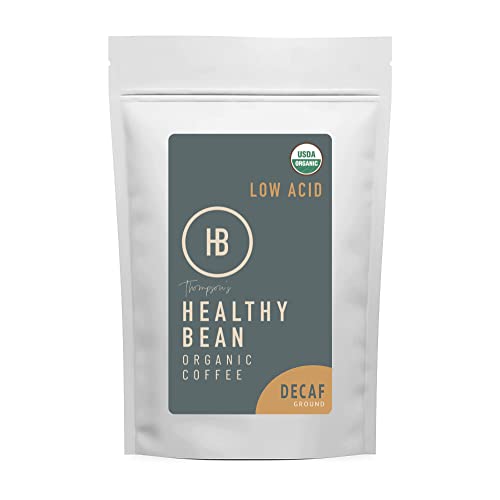
- ✓ Rich aroma
- ✓ Smooth, low-acid profile
- ✓ Digestive-friendly
- ✕ Higher price point
- ✕ Flavor might vary by batch
| Form Factor | Ground coffee (11 oz/bag) |
| Processing Method | Water-processed decaffeination |
| Organic Certification | USDA Organic |
| Mold/Mycotoxin Status | Mold-free and mycotoxin-free |
| Antioxidant Level Claim | 5x more natural antioxidants than standard coffee; 9x daily-recommended antioxidants per cup |
| Roast Level | Medium roast |
You’ve probably heard that decaf coffee tastes flat or lacks depth. With Healthy Bean Decaf Organic Ground Coffee, that myth gets a real test drive.
The first thing I notice is the smell—rich, warm, and inviting, not pale or sour like some low-acid blends.
The grind sits somewhere between a drizzle and a pour, easy to measure without turning every scoop into a guess. When you brew it, the aroma pours out with a gentle sweetness and a hint of chocolate, not a sharp bite that you dread in other low-acid options.
Texture-wise, it feels clean in the cup, with a smooth body that doesn’t cling to the lips. The flavor holds up without caffeine jitters, which is exactly what you want for a late-morning or post-dinner cup.
I noticed a balanced, semi-dark profile that stays pleasant from first sip to the last drop.
What surprised me is the claim about mold-free, high antioxidant content actually translating to a livelier finish. It doesn’t taste synthetic or thin; there’s a natural brightness that makes it feel healthier, almost like you’ve made a smarter coffee choice without sacrificing flavor.
For everyday use, this decaf works well with cream or a splash of plant milk, keeping its shape rather than muting into sweetness. If you’re sensitive to acidity, you’ll appreciate the gentler bite and predictable digestion-friendly experience.
In short, this isn’t a bland decaf. It’s a thoughtfully roasted, clean-ground coffee that respects both flavor and tummy comfort.
It lives up to its promises, even for days when you want a full cup without the caffeine kick.
Overall, you’ll likely reach for Healthy Bean when you need a reliable, low-acid option that still tastes like a real coffee moment.
Four Sigmatic Calm Decaf Ground Coffee, Reishi & Chaga, 10oz

- ✓ Real coffee flavor
- ✓ Calming mushroom blend
- ✓ Swiss Water decaf
- ✕ Mild mushroom hints
- ✕ Higher price point
| Product Name | Four Sigmatic Calm Decaf Ground Coffee, Reishi & Chaga, 10oz |
| Category | Healthy decaf coffee |
| Decaffeination Process | Swiss Water process (chemical-free decaf) |
| Roast Level | Smooth Medium Roast |
| Bean Type | Single-origin organic Arabica |
| Mushroom/Adaptogen Ingredients | Reishi and Chaga mushroom extracts |
| Certifications/Quality Claims | USDA Organic; Third-party lab tested for heavy metals, mold, and toxins |
| Serving/Usage | Ground coffee suitable for drip coffee pot, French press, or pour over |
You twist open the bag and instantly notice the rich, earthy aroma—no missing punch, just a calm, inviting scent. The first cup tastes like a real coffee moment, but with a mellow, almost velvety finish thanks to the reishi and chaga mingling in the background.
It feels like a cozy morning without the jitters you usually dread from a caffeinated cup.
The Swiss Water decaf process shines here, preserving flavor without the caffeine buzz. I brewed it three ways: drip, French press, and a quick pour-over, and it tasted consistently balanced in all three.
The medium roast lands with a smooth body, and the mushroom notes stay secondary, which is exactly what you want when you’re chasing calm rather than novelty.
Pour-over mornings felt particularly nice—the controlled pour let the flavors bloom without any bitterness. In a French press, the texture came alive, filling the cup with a solid, coffee-house mouthfeel.
It’s easy to drink black or with a splash of milk, and the added adaptogens give you a subtle, steady vibe rather than a caffeine spike.
Texture-wise, the grind is noticeably consistent, which makes the grind-to-brew transition painless for any routine. The brand emphasizes real mushroom fruiting bodies, and that seems reflected in the depth of flavor, not just a “health spin.” It’s a solid choice when you want a bedtime-friendly pick-me-up that still feels like coffee.
All in all, you’re getting a true coffee experience with added calm from reishi and immune-supporting chaga, without the caffeine jitters. If you miss the ritual of a sturdy cup but crave a gentler energy, this could be your go-to decaf.
What Constitutes Healthy Decaf Coffee?
The best healthy decaf coffee options are characterized by their sourcing, processing, and additional health benefits.
- Organic Certification: Organic decaf coffee is grown without synthetic fertilizers or pesticides, which can lead to a cleaner product. Choosing organic ensures that you are not only supporting sustainable farming practices but also reducing your exposure to harmful chemicals.
- Water Processed Decaf: The Swiss Water Process is a chemical-free method that uses only water to decaffeinate coffee beans. This method preserves the flavor and aromatic qualities of the coffee while ensuring that no harmful solvents are used during the decaffeination process.
- Low-Acidity Options: Low-acidity decaf coffees are gentler on the stomach and teeth, making them a better choice for those sensitive to acidity. These coffees can also provide a smoother taste, appealing to a wider range of palates.
- Single-Origin Beans: Single-origin decaf coffees are sourced from one specific region, allowing for unique flavor profiles and higher quality. These coffees often come from sustainable farms that prioritize environmental and social responsibility, which can enhance their overall health benefits.
- Added Nutritional Benefits: Some decaf coffees come infused with additional nutrients or superfoods, such as adaptogens or antioxidants. These enhancements can provide extra health benefits, including improved stress response and immune support, elevating the coffee beyond just a beverage.
What Decaffeination Methods Are Considered Healthier?
The main decaffeination methods considered healthier include:
- Swiss Water Process: This method uses only water to extract caffeine from coffee beans, maintaining the beans’ natural flavors and chemical properties.
- CO2 Process: Carbon dioxide is used under high pressure to selectively extract caffeine, resulting in a clean flavor and minimal loss of other beneficial compounds.
- Ethyl Acetate Process: Utilizing a natural compound found in fruits, this method removes caffeine while preserving flavor, though it’s important to choose naturally derived ethyl acetate for a healthier option.
- Direct Solvent Method: In this method, solvents are used to extract caffeine, but the best versions involve minimal residual solvents, ensuring a safer and more flavorful cup.
The Swiss Water Process is favored for being chemical-free, as it relies solely on water and osmosis, effectively removing caffeine while retaining most of the coffee’s natural oils and flavors. This method is particularly appealing to those who prioritize organic and health-conscious products, often resulting in a decaf coffee that retains its unique taste.
The CO2 Process is also considered a healthier option because it uses a naturally occurring gas to extract caffeine. This method is efficient and environmentally friendly, producing a decaf coffee that maintains a high level of antioxidants and flavor, making it popular among specialty coffee brands.
The Ethyl Acetate Process can be a healthier choice when using naturally sourced ethyl acetate, which is derived from fruits. This method effectively removes caffeine while minimizing the alteration of the coffee’s flavor profile, although consumers should verify the source of the solvent to ensure it’s not synthetic.
The Direct Solvent Method, while less common, can still yield a healthier product when executed properly. It’s important to choose brands that use food-safe solvents and ensure that the decaffeination process results in minimal chemical residues, allowing for a flavorful and safe decaf experience.
How Does the Water Processing Method Impact Coffee Health?
The water processing method significantly impacts the health benefits of decaffeinated coffee.
- Swiss Water Process: This method uses only water to extract caffeine from coffee beans, preserving most of the coffee’s natural oils and antioxidants. As a result, Swiss Water Process decaf retains a higher level of beneficial compounds, making it one of the healthiest options available.
- CO2 Process: In this method, carbon dioxide is used to extract caffeine, which helps maintain the flavor and some health benefits of the coffee. Although it is less common than the Swiss Water Process, CO2 decaf can still deliver a rich taste while retaining important nutrients, making it a healthy choice.
- Direct Solvent Method: This approach involves the use of chemical solvents to remove caffeine from coffee beans. While it can be efficient, it may also strip away some of the beneficial compounds, potentially diminishing the health benefits of the coffee.
- Indirect Solvent Method: In this method, coffee beans are steamed and then soaked in a solvent that removes caffeine. While this method helps preserve some flavor and health benefits, it still may not be as wholesome as the water-based methods.
What Are the Health Risks Associated with Chemical Decaffeination?
The health risks associated with chemical decaffeination primarily involve the use of solvents during the process, which can lead to various concerns.
- Solvent Residues: Many decaffeination methods utilize solvents like methylene chloride or ethyl acetate. If not properly removed, these chemicals can remain in the coffee, posing potential health risks such as headaches, dizziness, or other adverse effects.
- Chemical Exposure: Prolonged exposure to certain solvents used in decaffeination has been linked to health issues, including respiratory problems and skin irritation. While the FDA regulates the amounts allowed in food products, some consumers prefer to avoid these chemicals altogether.
- Nutrient Loss: The chemical decaffeination process can sometimes strip coffee of beneficial antioxidants and other nutrients. This reduction in nutrient content can detract from the health benefits typically associated with regular coffee consumption.
- Environmental Concerns: The use of chemical solvents not only raises health risks for consumers but can also lead to environmental pollution. The disposal of these chemicals can contaminate water supplies and harm ecosystems if not managed properly.
- Allergic Reactions: Some individuals may experience allergic reactions or sensitivity to chemical residues found in decaffeinated coffee. Symptoms can range from mild gastrointestinal discomfort to more severe reactions, making it important for sensitive individuals to choose organic or naturally decaffeinated options.
What Are the Top Brands for Healthy Decaf Coffee?
The top brands for healthy decaf coffee include:
- Swiss Water Decaf: This brand utilizes a chemical-free process to remove caffeine, ensuring that the coffee retains its original flavor and health benefits. The Swiss Water process is known for preserving antioxidants and other beneficial compounds found in coffee, making it a top choice for health-conscious consumers.
- Peet’s Coffee: Peet’s offers a decaffeinated coffee that is rich in flavor and low in acidity, perfect for those who want a smooth cup without the jitters. Their decaf beans are sourced from high-quality origins and are roasted to enhance their natural taste while maintaining their healthful properties.
- Kicking Horse Coffee: This brand is known for its organic and fair-trade practices, offering a decaf option that is both bold and flavorful. Kicking Horse decaf is processed using the water method, ensuring it is free from harmful chemicals while still delivering a robust coffee experience.
- Decaf Coffee Company: Specializing in decaffeinated coffee, this brand focuses on providing a wide range of flavors while maintaining a commitment to health. Their decaf coffee is crafted from high-quality beans and is available in various blends, catering to different taste preferences.
- Death Wish Coffee: Known for its high caffeine content, Death Wish also offers a decaf option that is rich in flavor and lower in acidity. It is made from a blend of Arabica and Robusta beans, ensuring a potent taste profile without the caffeine, appealing to those who want a flavorful coffee experience.
Which Brands Are Verified for Quality Through Third-Party Testing?
Several brands are recognized for their commitment to quality through third-party testing, particularly in the healthy decaf coffee sector:
- Lavazza: Known for its rich flavor and high-quality beans, Lavazza’s decaf coffee undergoes rigorous testing to ensure it meets health standards. The brand utilizes a natural decaffeination process, ensuring minimal chemical residues while preserving the coffee’s robust taste.
- Peet’s Coffee: Peet’s emphasizes quality sourcing and sustainability, with its decaf options being tested for purity and flavor consistency. Their commitment to freshness means that the decaf coffee is roasted in small batches, enhancing both quality and taste.
- Kicking Horse Coffee: This brand is certified organic and fair trade, with its decaf coffee scrutinized through third-party tests for both health and flavor. Kicking Horse focuses on whole bean coffee, ensuring that their decaf retains its natural oils and aromas, providing a rich coffee experience.
- Death Wish Coffee: Renowned for its high caffeine content, Death Wish also offers a decaf option that is rigorously tested for quality. Their decaf is made from a blend of Arabica and Robusta beans, ensuring a bold flavor while maintaining low acidity, making it suitable for those seeking a healthier option.
- Green Mountain Coffee: This brand is committed to sustainability and quality, with its decaf products being third-party tested for consistency and safety. Green Mountain sources its beans responsibly, ensuring that their decaf coffee retains its rich flavor and meets health standards.
What Health Benefits Can You Gain from Drinking Decaf Coffee?
Drinking decaf coffee can provide several health benefits while minimizing caffeine intake.
- Rich in Antioxidants: Decaf coffee contains a high level of antioxidants, which help combat oxidative stress in the body. These antioxidants can reduce inflammation and lower the risk of chronic diseases.
- Lowered Risk of Type 2 Diabetes: Some studies suggest that decaf coffee may help improve insulin sensitivity and reduce the risk of developing type 2 diabetes. The compounds found in decaf can help regulate blood sugar levels and improve metabolic health.
- Improved Liver Health: Regular consumption of decaf coffee has been associated with a lower risk of liver diseases, including fatty liver disease and liver cirrhosis. The beneficial compounds in decaf can support liver function and promote detoxification processes.
- Heart Health Benefits: Drinking decaf coffee may contribute to better heart health, as it has been linked to lower levels of certain heart disease markers. The anti-inflammatory properties of decaf can help maintain healthy blood vessels and reduce the risk of cardiovascular issues.
- Enhanced Mental Function: Although decaf has less caffeine than regular coffee, it still contains enough to provide a mild cognitive boost. This can improve focus and mental clarity without the jitters associated with high caffeine intake.
- Digestive Health: Decaf coffee may promote digestive health by stimulating the production of stomach acids and aiding in digestion. It can also help regulate bowel movements and reduce the risk of constipation.
What Should You Consider When Selecting Healthy Decaf Coffee?
Roast Level: Coffee can be light, medium, or dark roasted, each offering different flavors and health benefits. Light roasts tend to retain more antioxidants, while dark roasts may have a richer taste but lower acidity.
Freshness: Coffee beans lose their flavor and health benefits over time, so look for brands that provide roasting dates. Freshly roasted beans typically offer a more vibrant taste and higher levels of beneficial compounds.
Brand Reputation: When choosing decaf coffee, consider brands known for their quality sourcing and ethical practices. Reviews and sustainability certifications can guide you to trustworthy options.
Added Ingredients: Some decaf coffees may include artificial flavors, sugars, or preservatives which can negate their health benefits. Always check the ingredient list to ensure you are getting a pure product without unnecessary additives.
Related Post: