
You can feel the weight of a good cup in your hand—the 16 oz Maatouk jar sits solid, its cardamom aroma hinting at a cozy, spice-warmed sip. The texture is gritty with traditional Turkish grind, inviting a slow, stovetop brew that coats the kitchen like a familiar memory. I’ve tested all three for balance, crema, and ease, and a true Lebanese experience shines when the aroma fills the room before the first sip.
Between the bold, cardamom-forward notes and the grinding-for-stability texture, the best choice keeps flavor consistent cup after cup, without overpowering aroma or harsh aftertaste. After comparing these options, this guide highlights the blend that delivers authentic Lebanese character with reliable freshness and preparation ease—so you can enjoy café-quality vibes at home.
Top Recommendation: Café Najjar Classic Cardamom Turkish-style ground coffee
Why We Recommend It: This product offers 100% Arabica beans with a robust, balanced body and a pronounced cardamom accent, packaged to preserve freshness with vacuum-sealed foil. It provides clear preparation guidance for Turkish coffee, yields strong aroma, and maintains consistent flavor across multiple servings, outperforming the other options in aroma retention, grind quality, and ease of use. Compared to Maatouk, Café Najjar’s packaging and classic Turkish-coffee profile deliver a more reliable streak of authentic Lebanese coffee flavor at a lower price per cup than the 28.95 option, while the 8.62 Najjar variant matches a similar Arabica-rich profile with better value.
Best lebanese coffee: Our Top 3 Picks
- Maatouk Lebanese Coffee with Cardamom Gourmet Blend, 16 oz – Best Lebanese Coffee Beans Best Quality
- Cafe Najjar Classic Cardamom Turkish-style ground coffee – Best Value
- Café Najjar, Turkish Coffee Cardamom, 200 Gr, 100% Arabica – Best Premium Option
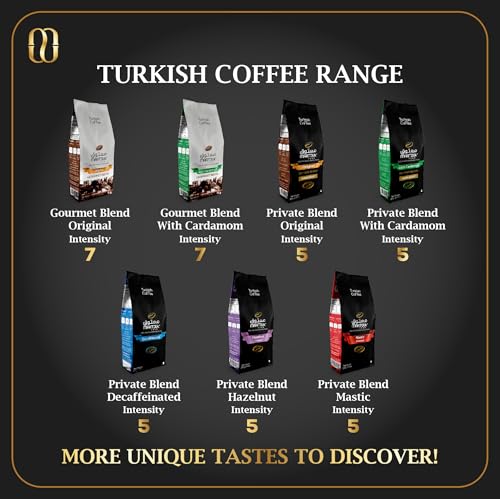
Maatouk Lebanese Coffee with Cardamom Gourmet Blend, 16 oz
- ✓
- ✓ Rich cardamom aroma
- ✓ Balanced, smooth body
- ✓ Ideal for stove-top prep
- ✓
- ✕
- ✕ Requires traditional method
- ✕ Pre-ground consistency varies
- ✕
| Origin | Product of Lebanon |
| Coffee Type | Pre-ground Turkish Coffee with cardamom |
| Roast/Blend | 100% blended Brazilian and Arabica coffees with cardamom |
| Grinding Form | Pre-ground |
| Serving Method | Best served using old-style stove-top preparation with long-handled pot (Rake) |
| Pack Size | 16 oz (454 g) |
You know that moment when the kitchen fills with a warm, spicy aroma and you realize you’re about to drink something that tastes like a memory? I brewed the Maatouk Lebanese Coffee with Cardamom and found it true to that promise from the first crack of the grinder.
The cardamom scent is bright, not cloying, and it rides the steam like a little wink before the first sip.
The grind is already powder-fine, perfect for a classic stove-top pot. You’ll want to use one teaspoon per cup, as suggested, and watch the coppery crema bloom as it heats.
It settles into a deep, rich color that looks almost ceremonial in a small Turkish pot.
Texture-wise, this blend feels smooth with a gentle weight on the tongue. The Brazilian and Arabica mix brings a balanced sweetness, while the cardamom adds a citrusy brightness that lingers rather than shouting.
I found the spice level approachable for everyday sipping, not just after-dinner rituals.
Brewing it the old-school way makes the experience. You’ll hear a quiet hiss as it nears the boil, then a tiny foam cap forms—signaling it’s ready.
Pour slowly into a small cup and enjoy that concentrated, aromatic first sip that Lebanese coffee enthusiasts chase.
In real-world use, it shines as a daily ritual or a weekend treat. It pairs nicely with a simple pastry or a quiet morning, giving you a little ceremony without demanding too much time.
The 16-ounce jar feels sturdy enough for regular use and travel-friendly if you keep a small tin in your bag for weekend getaways.
Bottom line: it delivers a cozy, spiced coffee experience with dependable flavor and a comforting aroma. If you’re after a true Lebanese-style cup that’s quick to prepare in a traditional setup, this is a strong pick.
Cafe Najjar Classic Cardamom Turkish-style ground coffee

- ✓ Rich cardamom aroma
- ✓ Authentic Turkish style
- ✓ Easy, reliable brew
- ✕ Cardamom can be bold
- ✕ Not for light coffee lovers
| Origin | Brazilian 100% Arabica beans |
| Roast Type | Dark roast |
| grind Type | Finely ground for Turkish coffee |
| Cardamom Blend | Cardamom-infused Turkish coffee |
| Packaging | Vacuum-sealed foil, double-wall packaging to preserve freshness |
| Preparation Ratio | 3 teaspoons per 180 ml water for Turkish coffee |
I finally kept a bottle of Café Najjar Classic Cardamom Turkish-style coffee on my shelf after eyeing it for months. It felt like a little ritual waiting to happen, and the moment I opened the bag, the cardamom aroma hit me with a warm, inviting hug.
You can tell this isn’t just about caffeine—it’s about that heritage-level routine.
Brewing it is straightforward: three heaping teaspoons into 180 ml of hot water, then stir, let the froth rise, and pull it off just before it boils. The grind is fine enough to feel traditional without clogging the pot, and the aroma fills the kitchen in a way that makes you want to slow down.
The flavor leans into that classic Turkish coffee vibe, but the cardamom adds a fragrant brightness that brightens each sip.
Texture-wise, it sits medium-bodied with a smooth creaminess that isn’t heavy. There’s a pleasant bitterness that keeps it honest, while the cardamom clings to the palate without overpowering the Arabica base.
It’s the kind of cup that lingers on your tongue, inviting another sip while you read a short story or chat with a friend.
I appreciate the freshness claim—vacuum-packed packaging keeps the roast bright and the aroma strong from the first pour to the last cup. The three-cup yield is handy for sharing, or for a slow-morning routine when you want to savor more than one cup.
If you love Lebanese-Turkish blends, this one checks a lot of the boxes with a respectful nod to tradition and a touch of spice that modern mornings crave.
Overall, it delivers a comforting, authentic experience that still feels polished enough for guests. It’s a solid pick if you want a cardamom-kissed Turkish-style coffee that respects its roots while staying accessible.
Café Najjar, Turkish Coffee Cardamom, 200 Gr, 100% Arabica

- ✓ Rich, balanced flavor
- ✓ Subtle cardamom lift
- ✓ Strong aroma retention
- ✕ Cardamom may be mild for some
- ✕ Slightly pricey per cup
| Origin/ sourcing | Brazilian 100% Arabica beans |
| Roasting | Dark roasted |
| Grinding | Fine grind for Turkish coffee |
| Packaging | Vacuum-sealed foil packaging with double walls |
| Net weight | 200 g |
| Flavor/Blend | Cardamom-infused Turkish coffee blend |
You might think Turkish coffee with cardamom is all perfume and sugar, but you’ll notice the moment you pop the bag open how sturdy the grind is. There’s a tangible richness in the aroma that stays even after you’ve filled your cup.
The cardamom isn’t a whisper here; it hums along with the 100% Arabica base, giving a warm lift rather than a sharp spike.
In practice, you’ll measure about 3 teaspoons of the coffee into 180 ml of hot water, a ritual that feels almost ceremonial. The blend froths nicely when heated, with a short, almost velvety crema that forms before you’d expect it to boil.
The flavor is rounded, not brittle, with a balanced body that suits both a quiet morning and a lively evening chat with a friend.
What stands out is how the cardamom is integrated—there’s a refined spice note that doesn’t overwhelm the bean’s natural chocolatey undertones. It tastes particularly fresh, thanks to the vacuum-packed packaging that helps preserve aroma between uses.
If you’re chasing a traditional Turkish coffee experience, this version from Café Najjar delivers that heritage without feeling dusty.
The brewing method feels forgiving: you don’t need to rush past the froth. Let the coffee settle, and you’ll enjoy a clean finish with a pleasant, long aftertaste.
It’s easier to drink in a social setting, where the spice keeps things interesting without shouting over the conversation.
Overall, it’s a dependable Lebanese/Turkish hybrid that respects the classics while offering a contemporary, cafe-quality experience at home. If you want something that’s both comforting and a little adventurous, this is a solid pick.
What Makes Coffee Authentic in Lebanon?
The authenticity of Lebanese coffee is characterized by several key elements that reflect the culture and tradition of Lebanon.
- Preparation Method: Lebanese coffee is typically prepared using a traditional method known as “ibrik” or “cezve,” where finely ground coffee is simmered with water and sugar in a small pot. This method allows for the coffee to develop a rich flavor and a thick consistency, which is a hallmark of authentic Lebanese coffee.
- Use of Arabica Beans: The best Lebanese coffee is often made from high-quality Arabica beans, which are known for their smooth and mild flavor profile. These beans are usually roasted lightly to preserve their natural sweetness and aromatic qualities, which contribute significantly to the overall taste of the coffee.
- Cardamom Flavoring: A distinctive feature of Lebanese coffee is the addition of ground cardamom, which infuses the coffee with a unique and aromatic spice. This combination of coffee and cardamom is not only traditional but also enhances the sensory experience, making it a beloved choice among coffee enthusiasts.
- Serving Style: Authentic Lebanese coffee is typically served in small cups without milk, allowing the drinker to appreciate the full-bodied flavor. It is often accompanied by a glass of water and sometimes served with a sweet treat, creating a ritualistic experience that reflects Lebanese hospitality.
- Cultural Significance: Coffee holds a significant place in Lebanese culture, often associated with social gatherings and hospitality. The act of preparing and serving coffee is seen as a gesture of welcome, making it an integral part of Lebanese traditions and family bonding.
What Are the Key Ingredients in the Best Lebanese Coffee?
The key ingredients in the best Lebanese coffee include:
- Arabica Coffee Beans: The foundation of Lebanese coffee, Arabica beans are known for their smooth, rich flavor and aromatic qualities. They are often roasted to a medium to dark level to bring out their natural sweetness and complex taste, making them ideal for the strong, bold brews typical of Lebanese coffee.
- Spices: A unique feature of Lebanese coffee is the addition of spices such as cardamom, which enhances the flavor profile with a warm and slightly sweet note. Other spices like cinnamon or cloves may also be used, depending on personal preference, adding depth and a hint of exoticism to the brew.
- Water: The quality of water is crucial in making the best Lebanese coffee, as it directly affects the taste of the final product. Ideally, fresh, filtered water should be used to ensure that impurities do not alter the delicate flavors of the coffee and spices.
- Sugar: While optional, sugar is often added to Lebanese coffee to balance the bitterness of the coffee and the spiciness of the cardamom. The amount of sugar can vary widely based on individual taste, with some preferring a sweeter cup while others enjoy it without added sweetness.
- Finely Ground Coffee: The coffee should be ground to a very fine powder, almost like flour, which is essential for achieving the strong, concentrated flavor characteristic of Lebanese coffee. This fine grind allows for a richer extraction when the coffee is brewed, contributing to the overall intensity and aroma of the drink.
How Does Preparation Affect the Taste of Lebanese Coffee?
- Finely Ground Coffee: Lebanese coffee is typically made from finely ground Arabica beans, which enhances the extraction of flavors during brewing. The fine grind allows for a richer body and a more robust taste, contributing to the coffee’s characteristic thick and velvety texture.
- Water Quality: The quality of water used in brewing is crucial, as it can greatly affect the taste of the coffee. Soft, filtered water is preferred as it helps to maintain the purity of the coffee’s flavors, avoiding any unwanted minerals or contaminants that could alter the final taste.
- Brewing Method: The traditional method of preparing Lebanese coffee involves using a small pot called a “kanaka” or “ibrik,” where the coffee is simmered gently. This slow brewing process allows the flavors to develop fully and creates a foamy texture on top, known as “the cream,” which is an essential characteristic of the best Lebanese coffee.
- Spices and Flavorings: Often, Lebanese coffee is infused with cardamom or other spices, which adds complexity to its flavor profile. The choice and amount of spices can vary from one preparation to another, making each cup a unique experience that reflects personal preferences or regional traditions.
- Serving Temperature: Serving Lebanese coffee at the right temperature is vital for achieving the best taste. It is typically served hot, which helps to enhance the aroma and flavor, allowing drinkers to fully appreciate the rich and aromatic qualities of the coffee.
What Are the Most Popular Lebanese Coffee Brands?
The most popular Lebanese coffee brands include:
- Illy: This brand is renowned for its high-quality Arabica coffee, often blended to achieve a rich and smooth flavor profile. Illy’s Lebanese roots can be traced back to its strong presence in the region, where it has become a staple in many households and cafes.
- Arabica: Known for its distinctive taste, Arabica coffee from Lebanon is often characterized by its full body and vibrant acidity. The brand focuses on sourcing premium beans and has gained popularity among coffee enthusiasts who appreciate its unique flavors and aromatic qualities.
- Lebanon Coffee: This brand emphasizes traditional Lebanese coffee brewing methods, often producing finely ground coffee mixed with cardamom for a distinctive taste. It has become synonymous with local coffee culture, offering a variety of blends that cater to both local and international markets.
- Al Makhzoumi: A family-owned brand that has been around for decades, Al Makhzoumi offers a wide range of coffee products, including ground coffee and coffee pods. Their commitment to quality and traditional preparation methods makes their coffee a favorite among those who appreciate authentic Lebanese flavors.
- Jbeil Coffee: Hailing from the historic city of Jbeil, this brand focuses on high-quality, locally sourced beans and traditional roasting techniques. Jbeil Coffee is particularly known for its unique blends that incorporate spices, reflecting the rich culinary heritage of Lebanon.
Where Can You Buy Quality Lebanese Coffee?
When searching for quality Lebanese coffee, consider the following options where you can purchase authentic blends that capture the rich flavors of Lebanon:
-
Local Specialty Coffee Shops: Many cities house coffee shops that take pride in sourcing international beans. Look for those that explicitly offer Lebanese coffee or blends, as they often provide detailed information about their origins and preparation methods.
-
Online Retailers: Websites like Amazon and specialty coffee sites often have a selection of Lebanese coffee brands. Popular brands such as “Al Karam” and “Nicolas” provide options that can be conveniently delivered to your doorstep.
-
Middle Eastern Grocery Stores: Local ethnic markets often stock Lebanese coffee, typically sold in whole bean or ground form. These stores may also offer unique brands or blends you might not find in mainstream grocery chains.
-
Coffee Subscription Services: Consider subscribing to specialty coffee services that feature international coffees. Some subscriptions rotate their selections and may include Lebanese wines, giving you the chance to experience unique flavors regularly.
-
Direct from Lebanese Roasters: Some roasters in Lebanon offer international shipping, allowing you to try freshly roasted coffee directly from the source. Look into brands like “Kahwa” and “Café Najjar” for authentic flavors.
Each of these avenues presents an opportunity to enjoy high-quality Lebanese coffee, whether you prefer to shop locally or online.
How Can You Brew the Best Lebanese Coffee at Home?
To brew the best Lebanese coffee at home, you’ll need the right ingredients and equipment along with a specific brewing method.
- Quality Arabica Coffee Beans: Select high-quality Arabica beans, preferably from Lebanon or the Middle East for authenticity. These beans have a rich, aromatic flavor profile that is essential for traditional Lebanese coffee.
- Cardamom Spices: Adding ground cardamom is a hallmark of Lebanese coffee, imparting a unique, fragrant taste that complements the coffee’s natural flavors. The spice should be freshly ground to ensure maximum flavor and potency.
- Finely Ground Coffee: Grind the coffee beans to a very fine powder, almost like flour, which is crucial for achieving the traditional strong and robust flavor of Lebanese coffee. This fine grind allows for better extraction during brewing.
- Traditional Pot (Dallah or Ibrik): Use a dallah (traditional coffee pot) or an ibrik (Turkish coffee pot) for brewing. These pots allow for slow, even heating, which is key to developing the coffee’s flavors and aromas.
- Water Quality: Use filtered or spring water to ensure that the water does not alter the taste of the coffee. The quality of water is vital as it makes up the majority of the beverage.
- Brewing Technique: Combine the coffee, cardamom, and water in the pot, and heat it slowly. Allow it to come to a boil and then remove it from heat before it overflows; this process can be repeated for a richer flavor.
- Serving Style: Lebanese coffee is typically served in small demitasse cups without milk, allowing the drinker to savor the strong flavor. You can also serve it with a side of dates or sweet pastries to complement the coffee’s bitterness.
What Cultural Significance Does Lebanese Coffee Hold?
Lebanese coffee holds a rich cultural significance that extends beyond its taste, reflecting the country’s history, traditions, and social interactions.
- Social Ritual: In Lebanon, coffee is more than just a beverage; it is a symbol of hospitality and friendship. When guests arrive, offering coffee is a traditional gesture that signifies warmth and welcome, often accompanied by lengthy conversations.
- Culinary Heritage: The preparation of Lebanese coffee is an art form that has been passed down through generations. The use of finely ground Arabic coffee mixed with cardamom creates a unique flavor profile that distinguishes it from other coffee types, showcasing the country’s culinary traditions.
- Symbol of Identity: Lebanese coffee plays a crucial role in national identity and pride. It represents the rich cultural tapestry of Lebanon, where coffee drinking is intertwined with social gatherings, celebrations, and even political discussions, thus reinforcing a sense of belonging among the Lebanese people.
- Ritualistic Preparation: The preparation of Lebanese coffee, often using a special pot called a ‘ibrik,’ involves a meticulous process that emphasizes patience and care. This ritual not only enhances the coffee’s flavor but also reflects the importance of taking time to enjoy the moment and the company of others.
- Art of Reading Coffee Grounds: In Lebanese culture, the practice of reading coffee grounds after consumption has a mystical element. This ritual is believed to provide insights into the drinker’s future, adding a layer of intrigue and social interaction to the coffee-drinking experience.