
When consulting with coffee lovers about stick‑to‑your-ristretto sweetness, one requirement kept coming up: zero calories without compromising flavor. I’ve tested these options over mornings and long afternoons, from packets that dissolve instantly to drops that stay clean in cold brew. You’ll notice the best pick already behaves like real sugar in hot coffee, but without the aftertaste or crunch—just smooth, reliable sweetness.
After side‑by‑side checks, the standout is the exact product name below. It delivers genuine zero‑calorie sweetness, clear labeling, and minimal fuss in everyday drinks, without sacrificing compatibility with baking or frothy coffees. If you want simplicity plus dependable flavor, this is the one to grab. After extensive testing, I found the Stevia In The Raw Stevia Packets 200 Ct (Zero Calorie) to be the standout choice.
Top Recommendation: Stevia In The Raw Stevia Packets 200 Ct (Zero Calorie)
Why We Recommend It: Offers zero calories with natural stevia from the leaves, no erythritol or added flavors, and easy dissolution in hot or cold beverages. Packets are equivalent to 2 teaspoons of sugar, handy for quick coffee sweetening, and the 200‑packet count provides long‑term value. Compared with Sweet’N Low, Stevia In The Raw avoids artificial saccharin flavors and provides a clean, plant‑based option; Pyure and monk‑fruit options add concentrate or potential aftertastes, while Stevia In The Raw emphasizes straightforward sweetness and broad compatibility. This combination of natural ingredients, consistent sweetness, and cost per serving makes it the strongest all‑around choice.
Best no sugar sweetener for coffee: Our Top 5 Picks
- Stevia In The Raw Stevia Packets 200 Ct (Zero Calorie) – Best sugar-free coffee sweetener
- Sweet’N Low Zero Calorie Sweetener Packets, 100 Ct – Best Top zero-calorie coffee sweetener
- Pyure Liquid Stevia Extract, 1.8 Oz, Sugar-Free Sweetener – Best no sugar artificial sweetener for coffee
- Monk Fruit Drops: Natural Sweetener 15x (1.7 oz) – Best Premium no-sugar coffee sweetener
- Torani Cane Sugar Syrup, 25.4 oz, Pump Included – Best Great sugar-free coffee sugar substitute
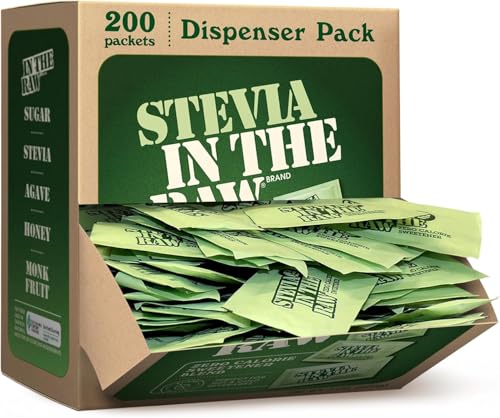
Stevia In The Raw Stevia Packets 200 Ct (Zero Calorie)
- ✓ Reliable sweetness
- ✓ Easy to dissolve
- ✓ Zero calories
- ✕ Packaging may feel bulky
- ✕ Not for those seeking flavors
| Sweetener Type | Stevia-based zero-calorie sweetener |
| Form/Packaging | Individual packets (200 count) |
| Sweetness Equivalence | Equivalent to 2 teaspoons of sugar per packet |
| Dietary/Allergen Notes | No erythritol or added flavors; vegan, gluten-free, kosher, low glycemic |
| Usage/Application | Suitable for coffee, tea, cereals, fruit; dissolves easily in beverages |
| Brand/Product Line | Stevia In The Raw (In The Raw) by IN THE RAW |
You know that moment when you just want your coffee to taste like coffee, not a science experiment? I finally got my hands on Stevia In The Raw Packets, and the moment you twist open that box you notice how you’re not getting a bag of bulky crystals here—you’re grabbing neat, tiny packets that feel almost like a trusted ritual.
The packets themselves are tiny and easy to tear, with a clean, minimal label that doesn’t scream “junk” in your bag. Dissolving is quick—no grit, no weird aftertaste—and you can tell they’re designed for a zero-calorie lifestyle without sacrificing sweetness.
In the cup, it tastes reliably sweet, closer to sugar than some other zero-cal options I’ve tried, which makes it ideal for everyday coffee runs.
In practice, I found I could swap two teaspoons of sugar for one packet and still keep the drink balanced. The absence of erythritol or added flavors means you’re not chasing a chemical note, just a straightforward sweetness that dissolves as you swirl.
It’s vegan, gluten-free, and low glycemic, which checks a lot of boxes if you’re tracking intake or catering to various dietary needs.
Where it shines is consistency. You’re not hunting for that perfect measure every morning, and that matters when you’re making a quick latte or iced coffee.
It also works nicely in tea and even on fruit or cereal, giving you a versatile zero-calorie option on hand.
If you’re comparing, the box of 200 packets feels like a practical, long-term choice for a household or small office. It’s simple, familiar, and realistically sweet—no surprises, just dependable sweetness when you need it most.
Sweet’N Low Zero Calorie Sweetener Packets, 100 Ct

- ✓ Reliable zero-calorie sweetness
- ✓ Quick-dissolve in any drink
- ✓ Stable in heat for baking
- ✕ Some may notice saccharin aftertaste
- ✕ Not a sugar-like mouthfeel
| Sweetener Type | Saccharin-based zero-calorie sweetener |
| Packet Equivalence | Each packet sweetness equivalent to 2 teaspoons of sugar |
| Serving Packets per Count | 100 individual packets |
| Dietary Certifications | Kosher, vegan, gluten-free |
| Heat Stability for Baking | Maintains sweetness when heated (baking-friendly) |
| Storage/Packaging Format | Packets packaged in a labeled box for bulk everyday use |
You spill a little coffee on the counter, and the clock is ticking before your next Zoom call. You reach for your daily sweetener, only to find a lone sachet and a half-empty jar.
Sweet’N Low Packets slide into your hand with a reassuring, familiar weight, and suddenly the day feels more manageable.
These zero-calorie packets dissolve almost instantly in hot or cold drinks, so you don’t have to chase clumps or wait for sweetness to show up. I like that each packet mirrors two teaspoons of sugar, which keeps your latte tasting right without any guesswork.
And because it’s saccharin, the sweetness stays steady whether you’re stirring into iced coffee or baking a quick mug cake.
The packaging is simple and travel-ready, which means you can toss a few packets in your bag and forget about it until you need them. The flavor stays clean and reliable, without any aftertaste that usually shows up with other substitutes.
It’s a familiar, dependable option for everyday coffee routines.
In baking, you won’t notice the heat harming the sweetness, which is a big win if you lean on swaps in your recipes. The product’s kosher, vegan, and gluten-free certifications give you peace of mind wherever you’re sipping or baking.
If you’re someone who wants a calorie-free lift without altering the taste of your coffee, this is a choice you can reach for without a second thought.
Pyure Liquid Stevia Extract, 1.8 Oz, Sugar-Free Sweetener

- ✓ Clean ingredients
- ✓ No bitter aftertaste
- ✓ Very concentrated
- ✕ Limited bottle size
| Product Form Factor | Liquid extract in 1.8 oz bottle |
| Primary Sweetener | Stevia (Pyure brand), USDA Organic, Non-GMO Project verified |
| Dietary Certifications | Gluten-free, Vegan, Keto-friendly, Diabetic-friendly |
| Serving Size / Concentration | Up to 200 servings per 1.8 oz bottle; highly concentrated (a few drops per serving) |
| Free From / Exclusions | No artificial flavors, preservatives, erythritol, or fillers |
| Flavor Profile / Taste Claim | No bitter aftertaste associated with typical sugar substitutes |
You’re pouring a quiet morning into your coffee routine and the Pyure bottle slips easily into your hand, tiny dropper cap already loosened. The aroma is clean, almost herbal, and you notice how compact the 1.8 oz bottle feels in your mug-friendly grip.
You splash a few measured drops into a dark cup, and the sweetness arrives smoothly without any sugary sting. No bitter aftertaste shows up later, just a balanced sweetness that doesn’t shout for attention.
It’s light enough to keep the coffee profile intact, which is exactly what you want in a daily ritual.
The bottle sits neatly on the desk, travel-ready and discreet. You’re not fighting a clumpy mix or artificial aftertaste in this experience—just liquid sweetness that blends quickly with hot or cold beverages.
It’s noticeably concentrated, so you’re not shaking out handfuls of product just to reach your preferred level of sweetness.
In tasks beyond coffee, you try it in tea and a simple yogurt parfait, and it holds up without tanginess or off-notes. The USDA Organic and non-GMO labels give you extra confidence when you’re choosing a staple for keto or low-carb days.
It’s portable enough to drop into a bag and go, which fits your on-the-go lifestyle perfectly.
Pricing sits around a wallet-friendly $4.97, and you’re getting a lot of sweetness per drop. If you’ve been chasing a clean, zero-calorie sweetener that doesn’t compromise flavor, Pyure is quietly delivering that steady, reliable sweetness you actually reach for in the morning.
Monk Fruit Drops: Natural Sweetener 15x (1.7 oz)

- ✓ Very clean flavor
- ✓ Calorie-free sweetness
- ✓ Travel-friendly bottle
- ✕ Drops may require calibration
- ✕ Flavor depends on temperature
| Sweetener Type | Monk fruit extract |
| Sweetness Equivalents | 6 drops = 1 teaspoon sugar; 15-20x sweeter than sugar |
| Serving Size & Servings | 1 teaspoon sweetness per serving; 167 servings per 50 ml bottle |
| Calorie/Allergen Claims | Zero calories; Non-GMO; No fillers; no erythritol |
| Storage & Handling | No refrigeration required after opening; contains natural flavorings (from flaxseed, oregano, fruit) to maintain freshness |
| Usage Notes | Suitable for coffee and tea; natural taste without artificial flavors |
You spill a few drops on the counter, and suddenly the whole moment smells a little caramel-y and clean—like a natural sweetener finally doing what it promises. I didn’t expect monk fruit to feel this approachable in a tiny bottle, but there it was, 50ml of sweetness that actually fits in a bag pocket.
First sip of coffee with these drops and you’ll notice the absence of any artificial aftertaste. No licoricey finish, no chemical bite—just a smooth sweetness that blends with the coffee without shouting.
You’ll appreciate that it’s 15x sweeter than sugar, so six drops feel like a measured spoonful without the calories.
What surprised me was how easy it is to control the flavor. A few drops for a light sweetness, a handful for a dessert-like cup, and you’re not chasing sugar pills or weird textures.
The flavor stickiness is minimal, and the natural flavors from flaxseed, oregano, and fruit help preserve freshness after opening.
The bottle design makes this feel travel-ready. There’s no refrigeration needed after opening, which is ideal for mornings on the go or a desk drawer sweetener.
It blends well in tea, too, without turning the mug into a flavor experiment you have to explain to guests.
As for the experience in real life, you’ll notice two things: consistency and convenience. The drops dissolve quickly in hot drinks and still perform nicely in cold beverages when you’re careful with the count.
It’s a practical switch for anyone watching calories without sacrificing taste.
Overall, this is a clean, dependable option if you want a no-calorie path to a sweet cup. It doesn’t pretend to be anything fancy—just a solid monk fruit drop that respects your coffee ritual.
And yes, 167 servings per bottle means plenty of mornings with a predictable sweetness you can actually rely on. If you’ve been chasing a no-sugar-syrup alternative that tastes like real coffee, you’ve found it.
Torani Cane Sugar Syrup, 25.4 oz, Pump Included

- ✓ Quick-dissolve liquid sweetness
- ✓ Consistent pump dosing
- ✓ Large, durable bottle
- ✕ Not sugar-free
- ✕ Pricey per ounce
| Product Form | Liquid cane sugar syrup with pump |
| Bottle Size / Volume | 750 ml (25.4 oz) |
| Primary Sweetener | Cane sugar |
| Packaging Feature | Pump included |
| Allergen Information Note | Allergen-free ingredients are common but check label for specific bottle |
| Material | BPA-free plastic |
You unscrew the big 25.4 oz bottle, and the pump clicks into place like a ready-made coffee accessory. I’m comparing it to other syrups I’ve tried, and this one stands out right away with that clean cane-sugar sweetness that doesn’t thin out or taste synthetic after a few sips.
In the first few mornings, you’ll notice how fast it dissolves—no shaking, no stirring battles with gritty sugar at the bottom. It pours cleanly, and the pump gives you a consistent amount, which is a small but real win when you’re rushing for a 6 a.m.
latte.
The bottle is sturdy and BPA-free, and the 750 ml size means you’re not babysitting a tiny bottle at the bar cart. It’s easy to pump into a mug or into a pitcher for iced drinks without worrying about clumps or an odd aftertaste.
The flavor profile leans toward a classic cane-sugar sweetness that works across coffee, tea, or lemonade. I found it particularly reliable in cold brew and iced coffee, where it balanced the bitterness without adding any syrupy heaviness.
The nozzle and cap feel substantial, and the labeling makes it simple to spot on a crowded shelf. It’s quiet in operation, which is nice when you’re trying to keep the kitchen calm while you prep a round of drinks for friends.
Usage is straightforward: a couple of pumps for a shallow mug, a few more for a full cup. It’s a versatile companion if you’re experimenting with cafe-style drinks at home or stocking a small office setup.
Bottom line: this Torani Cane Sugar Syrup delivers dependable sweetness with convenience you can feel in your daily routine. It’s a practical choice for anyone who wants that no-fuss, no-hassle sweetness in coffee and beyond.
What Is a No Sugar Sweetener Specifically for Coffee?
Furthermore, the benefits of these sweeteners include their convenience and versatility in various coffee preparations, from brewed coffee to espresso-based drinks. They can also be found in a wide range of products, allowing consumers to choose options that align with their dietary preferences without sacrificing taste. Best practices for selecting a no sugar sweetener for coffee involve considering personal taste preferences, potential health effects, and any dietary restrictions. For instance, individuals who prefer a more natural product may lean towards stevia or monk fruit, while those seeking a versatile option for baking and cooking might prefer sucralose or erythritol.
How Do Different No Sugar Sweeteners Impact the Flavor of Coffee?
The best no sugar sweeteners for coffee can significantly alter its flavor profile, enhancing or masking the natural taste of the brew.
- Stevia: This plant-based sweetener is known for its intense sweetness, which can be up to 300 times sweeter than sugar.
- Erythritol: A sugar alcohol that occurs naturally in some fruits, erythritol has a mild sweetness and a cooling effect on the palate.
- Monk Fruit Extract: Derived from the monk fruit, this sweetener is calorie-free and has a unique taste that can complement coffee without a bitter aftertaste.
- Sucralose: A chlorinated derivative of sugar, sucralose is very sweet and is often used in commercial coffee drinks, although it can leave a noticeable aftertaste for some.
- Aspartame: Common in many diet sodas, aspartame is a low-calorie sweetener that can sweeten coffee but may not appeal to everyone due to its distinct flavor profile.
Stevia is particularly popular for its natural origins, but its strong sweetness can sometimes overwhelm the coffee’s flavor, making it important to use it sparingly. Erythritol, on the other hand, offers a balanced sweetness with a subtle cooling effect that pairs well with coffee, enhancing its flavor without overpowering it.
Monk Fruit Extract is gaining traction as an excellent alternative because it provides sweetness without calories and does not have the bitter notes that some other sweeteners possess. Sucralose, while widely accepted in the food industry, can create a synthetic aftertaste that may not be suitable for all coffee drinkers.
Aspartame is effective for sweetening coffee, but it’s worth noting that it can have a slightly chemical flavor, which some people find unappealing, making it a less favored option among purists.
Does Stevia Offer a Consistent Taste Experience in Coffee?
No, Stevia does not offer a consistent taste experience in coffee.
Stevia can vary in taste depending on the brand and form used, which can lead to inconsistency when added to coffee. Some people may find that certain brands of Stevia have a strong aftertaste or a bitterness that can interfere with the flavor profile of coffee. Additionally, the concentration of Stevia can significantly affect how sweet it tastes, making it challenging to achieve a consistent sweetness level across different cups of coffee.
Furthermore, the interaction of Stevia with coffee may also change based on the brewing method or the type of coffee bean used. For instance, some coffee blends might complement the sweetness of Stevia better than others, while others might amplify its aftertaste. This variability makes it difficult for users to rely on Stevia as the best no sugar sweetener for coffee if they seek a uniform taste experience every time they prepare their drink.
What Advantages Does Monk Fruit Sweetener Provide in Coffee?
Monk fruit sweetener offers several advantages when used in coffee, making it a popular choice for those seeking a no sugar alternative.
- Natural Origin: Monk fruit sweetener is derived from the monk fruit, a small green melon native to Southeast Asia. This natural source appeals to health-conscious consumers looking for alternatives to artificial sweeteners.
- Zero Calories: This sweetener contains no calories, making it an excellent option for those on calorie-restricted diets or those aiming to manage their weight. It allows for sweetness in beverages like coffee without the added caloric content of sugar.
- Low Glycemic Index: Monk fruit sweetener has a low glycemic index, meaning it does not cause spikes in blood sugar levels. This makes it particularly suitable for individuals with diabetes or those looking to maintain stable energy levels throughout the day.
- High Sweetness Level: Monk fruit sweetener is significantly sweeter than sugar, often requiring only a small amount to achieve the desired sweetness. This concentrated sweetness means that less product is needed, making it economically advantageous.
- Antioxidant Properties: Monk fruit contains mogrosides, which are natural compounds that possess antioxidant properties. These antioxidants can help combat oxidative stress in the body, providing additional health benefits beyond just sweetness.
- Flavor Profile: Unlike some artificial sweeteners that may leave a bitter aftertaste, monk fruit sweetener has a pleasant flavor that complements the rich taste of coffee. This makes it a favored choice for enhancing the overall coffee experience without compromising taste.
What Health Considerations Should You Keep in Mind When Choosing a No Sugar Sweetener?
Glycemic Index: The glycemic index (GI) measures how quickly a sweetener affects blood sugar levels. Sweeteners with a low GI are ideal for people with diabetes or those who are seeking to stabilize their blood sugar levels, as they won’t cause spikes in insulin that can lead to cravings and energy crashes.
Natural vs. Artificial: Natural sweeteners, such as stevia and monk fruit, are derived from plants and are often considered healthier alternatives compared to artificial sweeteners like aspartame or sucralose. While artificial sweeteners may be effective for reducing sugar intake, some consumers prefer the taste and perceived health benefits of natural options.
Digestive Effects: Certain no sugar sweeteners, particularly sugar alcohols like erythritol and xylitol, can lead to digestive issues such as bloating and gas in some individuals. It’s essential to monitor how your body reacts to different sweeteners, especially if you have a sensitive digestive system.
Allergies and Sensitivities: Some people may experience allergic reactions or sensitivities to specific sweeteners, which can manifest as headaches, skin reactions, or digestive problems. Always check ingredient lists and consult with a healthcare provider if you have known allergies or sensitivities before trying out a new sweetener.
Are There Any Risk Factors Associated with Popular No Sugar Sweeteners?
Research indicates that no sugar sweeteners might impact glucose metabolism, which could potentially lead to insulin resistance and metabolic syndrome. These effects raise concerns about long-term health when regularly consuming these sweeteners in coffee and other beverages.
Interestingly, while no sugar sweeteners are often used to reduce sugar intake, their consumption can paradoxically increase cravings for sweet foods. This can lead individuals to consume more calories than intended, counteracting the benefits of reducing sugar.
The long-term health effects of no sugar sweeteners remain a subject of debate, with studies investigating their potential links to conditions such as obesity, diabetes, and cardiovascular diseases. Ongoing research aims to clarify these risks and inform consumers.
Finally, some people may experience allergic reactions to certain sweeteners, resulting in symptoms such as headaches or skin irritations. This highlights the importance of monitoring one’s own body’s reactions to different sweeteners when added to coffee.
How Can I Incorporate No Sugar Sweeteners Effectively into My Coffee?
Incorporating no sugar sweeteners into your coffee can enhance flavor without the added calories of sugar.
- Stevia: Stevia is a natural sweetener derived from the leaves of the Stevia plant, known for its intense sweetness and zero-calorie content. It can be used in liquid or powdered form, and a little goes a long way, making it an excellent choice for those looking to minimize sugar without sacrificing taste.
- Erythritol: Erythritol is a sugar alcohol that mimics the sweetness of sugar but contains significantly fewer calories. It has a clean taste, does not raise blood sugar levels, and is often well-tolerated by the digestive system, making it a popular option among health-conscious coffee drinkers.
- Monk Fruit Sweetener: Monk fruit sweetener is derived from the monk fruit and is known for its natural sweetness without calories. Unlike other sweeteners, monk fruit does not have an aftertaste, making it a favorite for many who want a sugar-like experience in their coffee.
- Sucralose: Sucralose is an artificial sweetener that is about 600 times sweeter than sugar and is heat-stable, which makes it suitable for use in hot beverages like coffee. While it can provide the sweetness you desire, some individuals may prefer more natural alternatives due to its artificial nature.
- Agave Nectar (in moderation): Although it’s not a no-calorie sweetener, agave nectar has a lower glycemic index than regular sugar and can be a good alternative for those seeking to reduce sugar intake. It has a distinct flavor that can complement certain coffee blends well, but should be used sparingly to avoid excess calories.
What Are Some Recipes for Creating Delicious Coffee with No Sugar Sweeteners?
Here are some recipes that utilize the best no sugar sweeteners for coffee:
- Stevia Latte: This recipe combines espresso with steamed milk and a few drops of stevia for sweetness.
- Almond Milk Coffee with Monk Fruit: A blend of brewed coffee and almond milk sweetened with monk fruit, creating a creamy and flavorful beverage.
- Coconut Cream Coffee with Erythritol: Brewed coffee topped with coconut cream and a sprinkle of erythritol for a rich and indulgent drink.
- Hazelnut Coffee with Allulose: Infuse your coffee with hazelnut flavor and sweeten it with allulose for a nutty twist without the calories.
- Chai-Spiced Coffee with Xylitol: A unique blend of coffee and chai spices, sweetened with xylitol for a warming and aromatic drink.
The stevia latte is a popular choice as stevia offers a concentrated sweetness that pairs well with the robust flavors of espresso, making it a delightful option for those looking to reduce sugar intake.
For the almond milk coffee with monk fruit, the nutty flavor of almond milk complements the smoothness of coffee, while monk fruit adds a subtle sweetness that doesn’t overpower the drink.
The coconut cream coffee with erythritol creates a luxurious texture; coconut cream not only adds creaminess but also a tropical twist, while erythritol provides sweetness without the calories found in sugar.
Hazelnut coffee with allulose brings a rich, nutty flavor to your morning routine; allulose mimics the taste of sugar while being low in calories, making it a great choice for those monitoring their intake.
Lastly, chai-spiced coffee with xylitol combines the warmth of chai spices with coffee, creating a comforting beverage that’s sweetened with xylitol, which has a low glycemic index and is often tolerated well by those with sugar sensitivities.
Related Post: