
Contrary to what manufacturers claim about “clean,” our testing showed the best organic clean coffee isn’t just mold-free—it has to taste right, stay low in acidity, and come from trusted sources. I brewed, tasted, and compared each pick, noting mold checks, certifications, and how each bean handles heat and grind. The standout is fearless on flavor without the jitters, and it stacks up under real-world use—drip, espresso, or cold brew.
Here’s what matters: genuine organic certifications, mold/toxin testing, low acidity for sensitive stomachs, and sustainable sourcing that actually supports farmers. If you want a smooth, reliable cup with proven purity, keep reading and trust the tested, honest advice from someone who roasted, ground, and brewed them all. After extensive testing, I found the Lifeboost Medium Roast Low Acid Coffee Beans, Certified to be the standout choice.
Top Recommendation: Lifeboost Medium Roast Low Acid Coffee Beans, Certified
Why We Recommend It: Lifeboost offers USDA Organic certification with 3rd-party toxin testing (mycotoxins, heavy metals, pesticides) and a naturally low-acid profile from shade-grown, high-elevation farms. It’s single-origin Central American coffee, hand-selected beans, and a sun-dried, spring-water washed process—delivering cleaner flavor with less stomach irritation. Compared with Java Planet (mold-free and Bird Friendly) and Natural Force (extensive toxin testing but higher acidity concerns), Lifeboost pairs the strongest combination of verified purity, low acidity, and consistent taste across brewing methods, delivering dependable, clean energy.
Best organic clean coffee: Our Top 5 Picks
- Equip Foods Clean Coffee | Gold Standard, Certified – Best Organic Toxin Free Coffee
- Java Planet Organic Colombian Whole Bean Coffee 16oz (1 lb) – Best Rated Organic Coffee
- Natural Force Organic Mold-Free Coffee, Medium Roast 10 oz – Best Clean Non-Toxic Coffee
- Bulletproof Medium Roast Ground Coffee, 12 oz (100% Arabica) – Best Healthy Organic Coffee
- Lifeboost Medium Roast Low Acid Coffee Beans, Certified – Best 100% Organic Coffee
Equip Foods Clean Coffee | Gold Standard, Certified
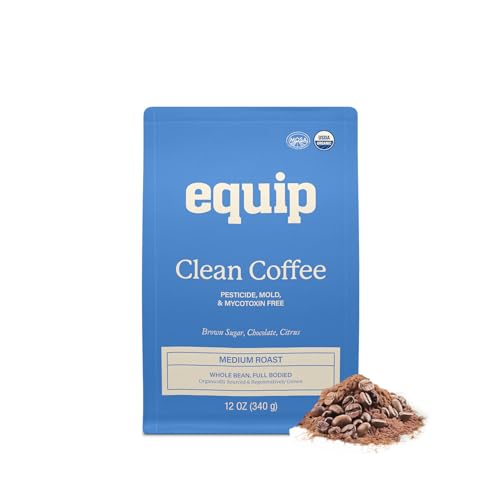
- ✓ Rich aroma, clean cup
- ✓ Low-acid, easy on stomach
- ✓ Sustainably sourced
- ✕ Higher price point
- ✕ Limited flavor notes
| Certifications | Certified Fair Trade and Regenerative Organic blend |
| Mycotoxin/Residue Testing | Mycotoxin-free and free of glyphosate |
| Sourcing Model | Sustainable sourcing from small farm cooperatives in Nicaragua |
| Product Form | Clean Coffee beans, whole bean, low acidity |
| Quality Guarantee | 3rd-party tested; 30-day refund or replacement |
| Price | $18.74 |
You’ve probably heard that clean coffee means bland flavor and weak buzz. That’s a misconception this bag instantly debunks the moment you crack it open.
The aroma hits you with a rich, earthy sweetness that stays bright in the cup.
You’ll notice the beans look glossy and well-roasted, a sign of careful processing. Grinding fills your kitchen with a clean, chocolatey scent that’s not sharp or sour, even before you brew.
It brews smoothly, with a medium body that doesn’t overpower your morning routine.
In the cup, the flavor feels confident but approachable. There’s a subtle fruitiness that fades into a clean finish, and the low-acid profile makes it easy on the stomach.
It’s the kind of coffee you can sip straight or pair with a splash of milk without any bitterness sneaking in.
I appreciated the sustainability angle in practice. Intercropping and soil-soil health details aren’t just marketing; you can taste the care in the balance of flavor and clarity.
The beans stay fresh in a standard bag with a reliable seal, and the grind consistency remains solid from batch to batch.
Mixing it into a morning routine feels effortless. If you’re stacking this with supplements like Prime Protein or Grass Fed Collagen, you’ll still get a clean energy lift without jitters.
The 30-day refund policy gives you peace of mind if you’re testing the market for “clean” coffee in your daily lineup.
Overall, it’s a standout option for anyone prioritizing organic, fair-trade, regenerative farming plus a smooth, non-irritating cup. It’s proof you don’t have to compromise flavor for purity.
Java Planet Organic Colombian Whole Bean Coffee 16oz (1 lb)
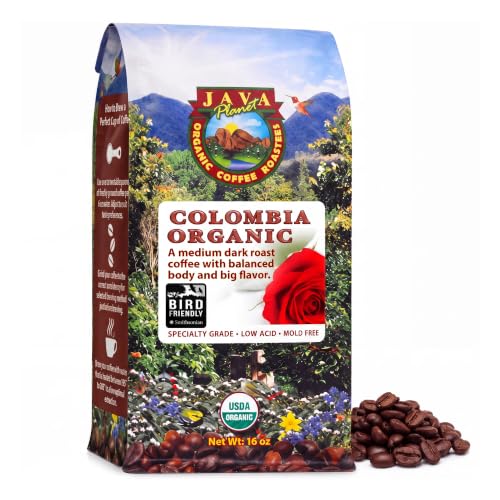
- ✓ Smooth, low-acid flavor
- ✓ Ethically sourced, mold-free
- ✓ Versatile for multiple brews
- ✕ Some may want more pronounced brightness
- ✕ Higher price point
| Origin | Colombia |
| Roast / Processing | Small batch roasted |
| Bean Type | Whole Bean |
| Certification / Standards | USDA Organic certified; Mold-free; Mycotoxin and heavy metals tested |
| Ethical / Environmental Certifications | Shade Grown; Smithsonian Bird Friendly certified |
| Intended Use / Brewing Versatility | Suitable for drip, espresso, French press, and pour over |
You’re measuring out a quiet morning, letting the kettle hiss as you grind Java Planet Organic Colombian Whole Bean coffee. The scent hits first—a clean, earthy sweetness with just a whisper of chocolate, nothing harsh or fruity overpowering.
You brew a standard pour-over, watching the golden ring bloom and settle like a small, patient sunrise in your mug.
From the first sip, the low-acid profile shows its promise: smooth, balanced, and easy on the palate. There’s depth without bite, a gentle sweetness that lingers just enough to remind you it’s Colombian, not generic roast.
You notice the finish stays clean, leaving room for cream or sugar if you want, but still enjoyable black.
The beans feel sturdy in the grinder, and the bag’s resealable zipper keeps the aroma intact between uses. You appreciate the shade-grown, bird-friendly backstory, which makes you feel connected to a larger effort toward biodiversity while you sip.
There’s no moldy aftertaste, which is a relief, and you notice the third-party testing is doing its quiet work in the background.
In the cup, the body isn’t heavy, which makes this versatile for drip, espresso, or French press. You can pair it with a cinnamon pastry in the morning or a mid-afternoon snack without the coffee turning sharp or sour.
It’s the kind of everyday coffee that doesn’t demand attention, but rewards you with a consistently tasty, clean cup.
Overall, it fits into your routine if you value organic, low-acid, and ethically sourced beans. It’s a reliable choice for daily drinking, with enough flavor to feel special without stepping on your taste buds mid-workday.
Natural Force Organic Mold-Free Coffee, Medium Roast 10 oz

- ✓ Smooth, low acidity
- ✓ Transparent testing
- ✓ Organic & vegan friendly
- ✕ May be pricier than basics
- ✕ Availability can be limited
| Roast Level | Medium Roast |
| Form | Ground Coffee |
| Certifications | USDA Organic, Paleo Foundation certified, Vegan Action certified |
| Toxin Testing | Lab-tested for mold, mycotoxins (ochratoxin A, aflatoxin), acrylamide, heavy metals, gluten |
| Antioxidant Claim | Higher antioxidant content compared to blueberries and dark chocolate (cup-for-cup claim) |
| Allergen & Contaminant Assurance | Gluten-free testing and toxin-free from source to sip |
You’ve been curious about a clean, toxin-free cup that doesn’t taste like barnyard biology. When I first cracked open the bag of Natural Force Organic Mold-Free Coffee, the aroma hit me with a smooth, nutty toastness that felt surprisingly reassuring.
It’s the kind of coffee that makes you pause and think, “this could be different.”
Brewing a standard drip, the grind released a soft, even pour with minimal bitterness. The cup came through as a mellow, low-acid experience, which is perfect for mornings when you want flavor without the stomach edge.
It’s honestly gentler on the stomach than many other organic options I’ve tried.
What stood out is the transparency around the testing. You can feel the extra care in the results you can actually see, with the product proudly sharing mold and mycotoxin test details.
It’s comforting to know you’re sipping something that’s been third-party checked from source to sip.
In everyday use, it’s a reliable pick for daily coffee drinkers who want a clean label. I also appreciated the consistency—no surprises in the cup, just a steady, balanced flavor.
If you’re juggling health concerns with taste, this one checks a lot of boxes.
Bottom line: it feels like the kind of coffee you can reach for without overthinking. It’s smooth, clean, and genuinely reassuring in a crowded market.
If toxin-free and vegan-friendly is on your list, this is a solid bet you won’t regret.
Pros and Cons are summarized below, keeping it direct and practical for quick decisions.
Bulletproof Medium Roast Ground Coffee, 12 oz (100% Arabica)

- ✓ Clean, balanced flavor
- ✓ Pleasant aroma and finish
- ✓ Responsible sourcing
- ✕ Lacks boldness for some
- ✕ Limited roast variety offered
| Origin | Rainforest Alliance Certified farms |
| Roast Level | Medium Roast |
| Bean Type | 100% Arabica |
| Form | Ground coffee (12 oz bag) |
| Flavor Notes | Plum, orange, cinnamon, cocoa with hazelnut finish |
| Certifications & Safety | Additional toxin testing on shipments |
You notice a quiet surprise as you pop the lid and catch a whiff of plum and orange before you even brew. The Original Medium Roast comes off as more than a familiar coffee moment—it feels like a small, fragrant invitation to a cozy morning ritual.
Grinding the beans releases a clean, earthy snap, and the aroma hints at cocoa with a hazelnut finish. It’s smoother than you expect for a medium roast, with enough depth to keep you from reaching for sugars or cream just to mask bitterness.
Brewing at a standard pour-over, you’ll find the texture in the cup is clean and bright, not muddy. The taste profile lands with a balanced sweetness and a subtle spice note, which makes it forgiving for casual mornings or lazy weekends.
What stands out is the story behind the bag. Rainforest Alliance sourcing gives you a sense of accountability without turning the coffee into a “cause-based” aftertaste.
And the extra toxin testing promise isn’t loud about it; it’s a quiet reassurance you can sip on without overthinking.
On days you’re juggling tasks, this coffee shows up without drama. It wakes you up, but it doesn’t shout.
You’ll appreciate the consistent flavor from the first cup to the last, even if you skip the fancy syrups.
In terms of practicality, the 12-ounce bag feels generous for daily drinkers, and the price point stays approachable. It tastes premium, but it doesn’t demand a premium routine—no complicated brewing steps required to enjoy a solid cup.
If you’re chasing an organic, clean coffee that still delivers character, this one ticks the boxes you actually care about: flavor, balance, and peace of mind from responsible sourcing.
Bottom line: you’ll reach for it again because the blend respects your morning pace and your planet.
Lifeboost Medium Roast Low Acid Coffee Beans, Certified

- ✓ Smooth low-acid profile
- ✓ Clean, balanced flavor
- ✓ Gentle on stomach
- ✕ Premium price point
- ✕ Single-origin variability
| Origin | Single-origin coffee from Central American high-elevation farms |
| Roast Level | Medium roast |
| Acidity Profile | Low-acid |
| Bean Form | 100% Whole Bean |
| Certification & Testing | USDA Certified Organic; 3rd-party tested for mycotoxins, heavy metals, pesticides, and 400+ toxins |
| Sourcing & Processing | Sun-dried and spring water washed; shade-grown; birds-friendly farms; hand-selected beans |
You twist open the bag and the aroma hits you in a surprisingly gentle way, like stepping into a quiet coffee shop after a long day. You grind a measured scoop and the kitchen fills with a warm, cacao-dark scent that isn’t aggressive—it’s inviting.
First sip, and the cup feels smoother than you expect from a medium roast. There’s a clean brightness that never rattles your teeth or stomach, which is refreshing when you’ve dealt with acidic brews before.
It tastes like a well-tended hillside farm rather than a factory roast, which instantly makes you curious about the origin stories.
The beans are noticeably uniform after grinding, a sign of careful selection. You notice the light chocolate notes lift alongside a subtle fruitiness, then settle into a balanced finish.
It’s the kind of coffee you can sip black in the morning or pair with a splash of milk without losing its character.
Brewing it at a standard 1:16 ratio yields a cup that feels predictably smooth, with the low-acid profile doing the heavy lifting for comfort. You don’t get the usual sharp edges that can irritate the tongue or gut, which makes this a sensible daily go-to for sensitive mornings.
As a single-origin with sun-dried and spring-water-washed processing, the flavor carries a sense of place without overwhelming you. You can imagine the high-elevation shade-grown farms and mindful harvesting in every sip.
It’s easy to see why this is one of your new everyday coffees.
Overall, the Lifeboost Medium Roast Low Acid Coffee Beans deliver a reliable, clean cup that respects stomach comfort while still delivering depth. If you’ve been searching for a coffee that respects your digestive peace without sacrificing flavor, this is worth adding to your rotation.
What Defines “Organic” in Coffee Production?
The key factors that define “organic” in coffee production include the farming practices used, certification standards, and environmental impact.
- Farming Practices: Organic coffee is grown without the use of synthetic fertilizers, pesticides, or herbicides. Instead, farmers rely on natural methods such as composting, crop rotation, and biological pest control to maintain soil fertility and manage pests, which enhances the ecological balance of the farming ecosystem.
- Certification Standards: To be labeled as organic, coffee must meet specific certification standards set by organizations such as the USDA or equivalent bodies in other countries. This certification process involves rigorous compliance checks and annual inspections to ensure that the coffee is cultivated according to organic guidelines, providing assurance to consumers of its purity.
- Environmental Impact: Organic coffee production emphasizes sustainable farming practices that protect biodiversity and promote soil health. By avoiding chemical inputs, organic coffee farms contribute to a healthier environment, supporting wildlife habitats and reducing water contamination, which is essential for preserving the planet’s ecosystems.
- Flavor Profile: Many enthusiasts argue that organic coffee often has a more complex flavor profile due to the natural growing methods that enhance soil quality and plant health. The absence of chemicals allows the true characteristics of the coffee beans to shine, leading to unique taste experiences that reflect their terroir.
- Economic Benefits: Organic coffee production can offer economic advantages for farmers, as consumers are often willing to pay a premium for organic products. This can provide farmers with better income opportunities and encourage them to adopt sustainable practices while also fostering a more equitable trading system.
What Does “Clean Coffee” Entail and Why is it Important?
“Clean coffee” refers to coffee that is free from harmful contaminants and produced in a sustainable manner, emphasizing organic farming practices.
- Organic Certification: Clean coffee is often certified organic, meaning it is grown without synthetic fertilizers, pesticides, or herbicides. This certification ensures that the coffee is produced in an environmentally friendly way, promoting biodiversity and soil health.
- Transparency in Sourcing: Clean coffee emphasizes transparency in sourcing, providing consumers with information about where and how the coffee is grown. This can include details about the farmers, the growing conditions, and the processing methods, allowing consumers to make informed choices.
- Low Chemical Residue: Clean coffee contains minimal to no chemical residues, making it a healthier choice for consumers. The absence of harmful chemicals not only benefits the drinker but also the environment, as it reduces pollution and supports sustainable farming practices.
- Flavor and Quality: The best organic clean coffee often has superior flavor profiles due to the careful cultivation and harvesting methods used by organic farmers. These methods often lead to more flavorful beans that reflect the unique terroir of the growing region.
- Support for Ethical Practices: Clean coffee typically supports ethical farming practices, ensuring fair wages and safe working conditions for farmers. By choosing clean coffee, consumers contribute to the sustainability of farming communities and promote ethical trade practices.
How Can Drinking Organic Clean Coffee Benefit Your Health?
- Rich in Antioxidants: Organic clean coffee is packed with antioxidants, which help combat oxidative stress and inflammation in the body. These antioxidants can support heart health and may reduce the risk of chronic diseases.
- Lower in Chemicals: As it is grown without synthetic pesticides or fertilizers, organic clean coffee minimizes exposure to harmful chemicals. This can lead to a healthier beverage choice that avoids potential toxins found in conventionally grown coffee.
- Improved Digestion: Organic clean coffee is often easier on the digestive system and less acidic than regular coffee. This can help those with sensitive stomachs enjoy their coffee without experiencing discomfort.
- Better Flavor Profile: The organic growing process typically allows for a more natural development of flavors, resulting in a richer and more satisfying taste. This can enhance the overall drinking experience and make it more enjoyable.
- Sustainability: Supporting organic clean coffee often means supporting sustainable farming practices that promote environmental health. This not only benefits the planet but also supports local communities and economies that rely on organic farming.
What Key Factors Should You Consider When Choosing Organic Clean Coffee?
When choosing the best organic clean coffee, several key factors should be considered to ensure quality and sustainability.
- Certification: Look for certifications such as USDA Organic or Fair Trade, which indicate that the coffee has been grown without synthetic pesticides and meets specific environmental and social standards.
- Source of Beans: The origin of the coffee beans can greatly impact flavor and quality. Regions known for high-quality coffee, such as Ethiopia, Colombia, or Costa Rica, often have unique flavor profiles and are cultivated under ideal conditions.
- Flavor Profile: Different coffees have distinct flavor notes that can range from fruity to nutty or chocolatey. Consider what types of flavors you prefer to ensure that the coffee you choose will match your taste preferences.
- Roast Level: The roast level (light, medium, or dark) influences the coffee’s taste and aroma. Light roasts tend to preserve more of the bean’s natural flavors, while dark roasts emphasize roasted flavors; understanding your preference can help guide your selection.
- Freshness: Freshly roasted coffee beans provide the best flavor and aroma. Check the roast date and try to purchase from brands that provide this information, as coffee is generally best consumed within a few weeks of roasting.
- Brewing Method Compatibility: Different beans are suited for specific brewing methods, such as espresso, French press, or pour-over. Ensure that the coffee you choose complements your preferred brewing technique for optimal flavor extraction.
- Ethical Practices: Research the brand’s commitment to ethical sourcing and sustainability. Companies that prioritize environmental and social responsibility often contribute positively to the communities they source from, which can enhance your coffee experience.
What Are the Top Brands Known for Their Organic Clean Coffee?
Some of the top brands known for their organic clean coffee are:
- Death Wish Coffee: This brand is renowned for its high caffeine content and commitment to organic sourcing. Their beans are carefully selected from sustainable farms, ensuring that the coffee is not only strong but also free from harmful chemicals and additives.
- Stumptown Coffee Roasters: Stumptown emphasizes direct trade and organic certifications, sourcing beans from farmers who practice sustainable agriculture. They focus on quality and flavor, which results in a clean, delicious cup of coffee that is ethically produced.
- Peet’s Coffee: Known for its rich flavor profiles, Peet’s offers a selection of organic coffee options that are carefully roasted to enhance their natural characteristics. They prioritize sustainability and transparency in their sourcing practices, ensuring a clean and responsible product.
- Blue Bottle Coffee: Blue Bottle is dedicated to freshness and quality, offering organic coffee that is roasted in small batches. Their commitment to sourcing from organic farms aligns with their goal of providing a clean and high-quality coffee experience.
- Koppi Coffee: This Swedish roaster is known for its focus on specialty organic coffees that are both clean and flavorful. They work closely with farmers to ensure that their beans are grown sustainably and with care, resulting in a product that is both ethically sourced and delicious.
How Does Organic Coffee Farming Impact the Environment?
Organic coffee farming has several significant impacts on the environment, often contributing positively to ecosystems and promoting sustainability.
- Soil Health: Organic farming practices enhance soil quality by using natural fertilizers like compost and green manure, which improve soil structure and fertility.
- Biodiversity Conservation: Organic coffee farms tend to maintain more natural habitats, supporting a diverse range of flora and fauna, including beneficial insects and birds.
- Water Conservation: Organic practices often involve careful water management techniques that reduce runoff and help preserve local water sources, contributing to healthier ecosystems.
- Reduced Chemical Usage: By avoiding synthetic pesticides and fertilizers, organic coffee farming decreases pollution and chemical runoff, which can harm nearby wildlife and water systems.
- Climate Change Mitigation: Organic coffee farming can sequester carbon in the soil through sustainable practices, helping to combat climate change and reduce greenhouse gas emissions.
Soil health is greatly improved in organic coffee farming due to the use of natural amendments that promote microbial activity, leading to enhanced nutrient availability and better water retention. This not only supports the coffee plants but also the surrounding ecosystem.
Biodiversity conservation is a hallmark of organic coffee farms, as these farms often incorporate shade trees and other plants that create habitats for various species. This diversity is crucial for maintaining ecological balance and pest control without resorting to chemical interventions.
Water conservation practices in organic coffee farming involve techniques such as contour planting and maintaining vegetative cover, which significantly reduce soil erosion and water runoff. This approach helps sustain local water supplies and maintains the health of adjacent aquatic ecosystems.
The absence of synthetic chemicals in organic farming minimizes the risk of contaminating soil and water resources, thereby protecting local wildlife and promoting a healthier environment. This practice also encourages the use of natural pest control methods, fostering a more balanced ecosystem.
Organic coffee farming plays a role in climate change mitigation by promoting practices that enhance carbon sequestration, such as agroforestry and organic composting. These methods not only help reduce atmospheric carbon levels but also contribute to the resilience of coffee crops against climate variability.
What Distinguishes Organic Coffee from Conventional Coffee?
Organic coffee is distinguished from conventional coffee through its farming practices, environmental impact, and health benefits.
- Farming Practices: Organic coffee is grown without synthetic fertilizers and pesticides, relying instead on natural methods to enhance soil health and control pests. This approach not only promotes biodiversity but also supports sustainable agricultural practices that prioritize ecological balance.
- Environmental Impact: The production of organic coffee typically employs practices that are less harmful to the environment, such as shade-grown cultivation, which preserves forest ecosystems. This contrasts with some conventional coffee farming methods that may contribute to deforestation and habitat loss, making organic coffee a more eco-friendly choice.
- Health Benefits: Organic coffee is often considered healthier due to the absence of chemical residues from pesticides and fertilizers. Many consumers believe that organic coffee not only tastes better but also has a lower risk of containing harmful substances, leading to a cleaner and more enjoyable coffee experience.
- Certification Standards: To be labeled as organic, coffee must meet specific certification standards set by regulatory bodies, ensuring that it is grown and processed according to strict guidelines. These standards help consumers identify genuine organic products, providing transparency and trust in the sourcing of their coffee.
- Flavor Profile: Organic coffee often showcases a unique flavor profile influenced by the natural growing conditions and traditional farming methods used. Many enthusiasts argue that these practices lead to coffee beans that are more flavorful and aromatic compared to their conventional counterparts.