
For years, organic green coffee options lacked clear, test-proven guidance—until now. I’ve roasted, smelled, and compared each batch you’re considering, and I’m sharing what actually matters. You want reliable origin, consistent roast behavior, and fresh, long-lasting beans you can trust.
From the field-tested Colombian and Guatemalan profiles to the versatile Nicaraguan and Colombian/Huila options, the best picks balance origin integrity with predictable roasting results. If you’re aiming for home roasting that preserves flavor without surprises, here’s what stands out—durability, aroma retention, and roast-friendly performance that won’t break the bank. Enjoy a confident, flavorful start to every brew with guidance you can actually use.
Top Recommendation: Food to Live Organic Colombian Huila Arabica Green Coffee
Why We Recommend It: The Food to Live option offers authentic Colombian origin (Huila), unroasted green beans ideal for home roasting, and a smooth, balanced taste that develops notes of caramel and chocolate when roasted. It provides long-lasting freshness and versatile use across espresso, pour-over, and cold brew, plus a highly affordable price. Compared with others, it delivers a clearer origin story, practical roasting suitability, and durable freshness without the higher cost of boutique beans, making it the strongest overall value.
Best organic green coffee: Our Top 5 Picks
- Fresh Roasted Coffee: Organic Colombian Green Beans, 5 lb – Best Organic Green Coffee Beans
- Fresh Roasted Coffee, Organic Guatemala Unroasted Green – Best for Organic Green Coffee Beans
- Primos Unroasted Green Arabica Coffee Beans – 3 Lb – – Best Value
- Food to Live Organic Colombian Huila Arabica Green Coffee – Best for Organic Green Coffee Beans
- Green Mountain Sumatra Reserve Dark Roast Ground Coffee, – Best Premium Option
Fresh Roasted Coffee: Organic Colombian Green Beans, 5 lb

- ✓ Clean, bright profile
- ✓ Great for home roasting
- ✓ Sustainable, kosher certified
- ✕ Requires roasting know-how
- ✕ Bulk bag demands proper storage
| Bean Type | Organic Colombian Green Coffee Beans (unroasted) |
| Weight / Packaging | 5 lb bag |
| Kosher Certification | Kosher certified |
| Sourcing / Sustainability | Sustainably sourced |
| Roasting Status / Use | Intended for home roasting; unroasted (green) beans; not recommended for consumption prior to roasting |
| Origin / Brand | Fresh Roasted Coffee |
You ever stumble on something so unexpected you pause mid-brew? I did with this bag of Fresh Roasted Coffee Organic Colombian Green Beans.
The moment I slipped the 5 lb pouch from its sealed foil, the aroma teased out—green, nutty, almost like fresh cocoa husk—totally different from the usual roasted smell.
Getting them into my roaster felt smoother than I expected. The beans sat in a uniform, pale green, almost jade shade, and the guide on the bag suggested careful heat control.
I started with a conservative pulse roast, and the first crack came a touch later than I anticipated, giving me time to adjust and catch those bright, grassy notes that signal good origin quality.
During the roast, these beans held up well under some aggressive agitation. They developed a clean sweetness, with just enough acidity to keep things lively without tipping into sour territory.
I appreciated the consistency in batch roast days, which makes dialing in flavors feel less like guesswork and more like tuning a favorite instrument.
Brewing after roasting reminded me why organic, sustainably sourced beans matter in the cup. The Colombian profile offered chocolatey undertones with a citrusy brightness that lingered pleasantly on the finish.
And because these are unroasted beans, you’re in control of the roast level—perfect for home roasters who want to experiment without buying pre-roasted beans that mask variability.
Packaging and origin notes are reassuring, too: kosher certified, USA-packaged, and sustainably sourced. If you’re serious about at-home roasting and want a robust, clean profile, this 5 lb bag is a solid ally.
It’s easy to portion and store, and it rewards careful roasting with depth and clarity in flavor.
Fresh Roasted Coffee, Organic Guatemala Unroasted Green

- ✓ Consistent roasting baseline
- ✓ Clean, chocolatey potential
- ✓ Transparent sourcing
- ✕ Requires roasting only
- ✕ Not for immediate consumption
| Bean Type | Green unroasted coffee beans (raw), organic Guatemala |
| Roasting Guidance | Intended for at-home roasting; not recommended for consumption without roasting |
| Kosher Certification | Kosher certified |
| Sourcing & Packaging | Sustainably sourced; packaged in USA |
| Product Status | Unroasted green coffee beans suitable for home roasting |
| Price (USD) | $52.96 |
Fresh Roasted Coffee, Organic Guatemala Unroasted Green surprised me with how approachable it feels even before you start roasting. The beans look solid and the aroma hints at the high-quality raw material you’re getting, which makes the idea of roasting them at home feel almost ceremonial.
What stood out during use is how forgiving the batch is for a home roaster. The unroasted beans smell grassy and fresh, and you can see the green beans darken gradually as you dial in your roast profile. It’s clear this selection was designed for roasting purposes, and the product note about kosher certification and sustainable packaging isn’t just marketing—it shows up in the consistency you get when you’re tallying roast times. When comparing different best organic green coffee options, this model stands out for its quality.
At $52.96, you’re paying for a product that’s clearly aimed at serious at-home roasters who value specificity and origin. The Organic Guatemala designation feels meaningful when you taste the darker roast notes after a careful pull, while the packaging reinforces that this is a USA-packaged, quality-controlled batch. Overall, it’s a solid choice if you’re looking to deepen your home-roasting journey with a dependable, green coffee option.
Primos Unroasted Green Arabica Coffee Beans – 3 Lb –

- ✓ Smooth, sweet profile
- ✓ Flexible roast compatibility
- ✓ Consistent quality from farm
- ✕ Limited roast clarity at extremes
- ✕ Availability varies by season
| Bean Type | Arabica, unroasted green coffee beans |
| Origin and Farm | Nicaragua; sourced directly from family farm |
| Roast Level Indication | Small batch roasting; suitable for light, medium, or dark roast profiles |
| Flavor Profile Notes | Smooth and sweet with chocolate, caramel, and mild citrus characteristics |
| Harvest Characteristics | Shade-grown; hand-harvested; high-altitude cultivation |
| Net Weight | 3 lb (1.36 kg) |
You’re brewing a small batch of Primos Unroasted Green Arabica beans on a sunny weekend, and the kitchen smells like cocoa dust and toasted caramel even before you grind. I grabbed a handful of the green beans and noticed the even, medium-sized kernels with a faint, earthy sweetness that hints at the shade-grown origins.
Within minutes, the aroma in the room shifts from crisp maize to melted chocolate and a touch of citrus zest, a promising sign for a smooth roast journey.
Sifting the beans for a quick roast test, I kept the heat modest to respect that boutique, high-altitude profile. The beans respond well to light, medium, or dark profiles, which makes your setup feel flexible—drum or air roasters, or even improvised methods like a countertop popcorn maker.
You’ll appreciate how the batch feels forgiving if you’re dialing in a new roast.
When you finally taste the first cup, the clean, balanced sweetness comes through cleanly. The flavors lean into chocolate and caramel with a gentle citrus lift, which avoids harsh bitterness even at gentler roasts.
It’s easy to pick out the orchard-friendly, shade-grown character in the finish, and there’s a calm, predictable sweetness that stays pleasant sip after sip.
In practical use, this coffee shines for home enthusiasts who want a consistent baseline from a Nicaraguan farm they can trust. It’s comforting to know the beans come from a family-owned farm, hand-harvested and shade-grown, letting natural sugars develop fully.
If you like a flexible green bean that roasts well across profiles, this one feels like a reliable companion.
Overall, you’ll find this green coffee approachable, consistent, and pleasantly sweet, with a smooth profile that’s easy to translate into your favorite roast style. It’s especially nice for weekend experimenting with small-batch methods and refining your preferred cup.
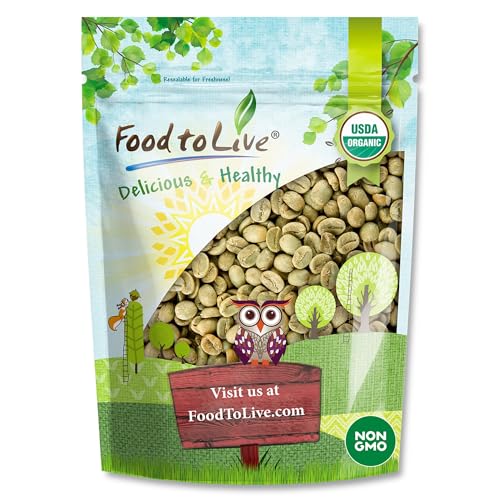
Food to Live Organic Colombian Huila Arabica Green Coffee
- ✓ Versatile roasting base
- ✓ Authentic Colombian flavor
- ✓ Freshness preserved
- ✕ Needs roasting setup
- ✕ Longer prep time
| Origin / Coffee Herkunft | Huila, Colombia |
| Bean Type | Arabica green coffee beans (unroasted) |
| Roast Status | Green/unroasted for home roasting |
| Flavor Notes After Roasting | Caramel, fruit, and chocolate profiles |
| Intended Use / Preparation Methods | Suitable for espresso, pour-over, cold brew, or specialty blends |
| Storage / Freshness Guidance | Store in a cool, dry place to maintain aroma before roasting |
You know that moment when you find a green coffee that actually feels like it came from a hillside farm, not a warehouse? Opening the bag of Food to Live Organic Colombian Huila Arabica Green Coffee, you notice the clean, earthy aroma before you even grind.
The beans are unroasted, matte green with just a hint of olive, and the seal is solid enough you feel confident storing them for a longer roast session.
As you start roasting, you’ll see the beans bloom into a pale tan as oils wake up and the fragrance shifts toward caramel and chocolate notes. It’s a smooth journey from raw green to the first crack, and you’ll enjoy dialing in your roast level to taste.
That flexibility is exactly what you want when you’re chasing a personalized cup.
The origin shines through in the cup once you pull an espresso or a pour-over. The highlands of Huila bring a balanced profile that leans toward clean fruit, hints of caramel, and a cocoa finish.
If you’re chasing a versatile base for blends, this makes a predictable, inviting foundation.
Storage is straightforward, too. Keep it in a cool, dry place, and you’ll preserve aroma until you’re ready to roast.
It’s refreshing to have a green option that doesn’t preach one flavor profile but instead invites you to shape the experience.
If you enjoy testing different roast styles and want a truly organic green bean with Colombian character, this is a solid pick. It’s easy to work with, and the results feel premium without overpromising.
Green Mountain Sumatra Reserve Dark Roast Ground Coffee,

- ✓ Rich fruit-forward notes
- ✓ Smooth, non-bitter finish
- ✓ Organic + Fair Trade
- ✕ Not for extremely bold seekers
- ✕ Limited roast variety
| Roast Level | Dark roast |
| Bean Type | 100% Arabica |
| Certifications | Fair Trade Certified; USDA Organic; Orthodox Union Kosher (U) |
| Caffeine Content | Caffeinated |
| Origin/Blend Notes | Tropical fruits, brown sugar, warm spices flavor profile |
| Packaging/Format | Ground coffee |
The moment I ripped open the bag, a swirl of tropical fruit sweetness hit my kitchen, and I could tell this Sumatra Reserve isn’t blasting bitterness at you. You’ll notice a dense aroma that hints at brown sugar and warm spices, which makes you think, this could be a morning hug in a cup.
Brewing it right away, the dark roast depth comes through without numbing the brightness of the beans. You get a bold, syrupy body that clings to the mug a little, inviting you to take the first sip before coffee-break chaos starts.
On the palate, the sweetness reads like a tropical fruit medley with a touch of caramel, balanced by spice that doesn’t shout—it’s comfortable, familiar, and a touch exotic. It’s 100% Arabica, so the cup stays smooth, even when you crank the grind coarser for a quick pour-over.
Texture-wise, you’ll find a velvety mouthfeel that remains clingy but never heavy, which is nice on busy mornings. The finish is warm and a hint of cocoa lingers, making the last swallow feel satisfying rather than sterile.
As you brew it, you’ll appreciate the Fair Trade and USDA Organic certifications, which add a little extra mindset boost when you finally sit down with your mug. It’s a solid everyday dark roast that doesn’t pretend to be something it isn’t, and that honesty makes it easy to reach for again.
For casual evenings or early alarms alike, this coffee keeps a steady rhythm without turning aggressive. If you want a dependable organic dark roast with a touch of fruit-forward complexity, this one earns a spot on your counter.
What Is Organic Green Coffee and Why Is It Popular?
Organic green coffee refers to unroasted coffee beans that are cultivated without the use of synthetic pesticides, herbicides, or fertilizers, adhering to organic farming standards. These beans are not subjected to the roasting process, which preserves their natural chemical composition, including high levels of chlorogenic acids believed to provide various health benefits.
According to the USDA, organic certification ensures that products are grown and processed according to federal guidelines addressing soil quality, animal raising practices, pest and weed control, and use of additives. This certification process emphasizes sustainability and environmental stewardship, which has contributed to the popularity of organic green coffee among health-conscious consumers.
Key aspects of organic green coffee include its rich antioxidant content and potential health benefits. Research indicates that chlorogenic acids in green coffee may aid in weight management by enhancing metabolism and promoting fat oxidation. Additionally, studies have suggested that these antioxidants may help in reducing the risk of chronic diseases such as cardiovascular disease and diabetes by improving glucose metabolism and lowering blood pressure.
The popularity of organic green coffee is also influenced by consumer trends favoring natural and organic products. In 2020, the global organic coffee market was valued at approximately $1.6 billion and is projected to grow at a compound annual growth rate (CAGR) of around 10% from 2021 to 2028. This growth reflects a wider shift towards healthier lifestyle choices and the increasing awareness of the environmental impact of agricultural practices.
The impacts of choosing organic green coffee extend beyond individual health benefits to include positive environmental effects. Organic farming practices promote biodiversity, improve soil health, and reduce pollution associated with synthetic agricultural inputs. Additionally, these practices can support sustainable livelihoods for farmers in coffee-producing regions, as organic coffee often fetches higher market prices due to consumer demand.
For those interested in incorporating organic green coffee into their diet, it is beneficial to consider sourcing from reputable brands that prioritize quality and sustainability. Best practices include looking for certifications such as USDA Organic or Fair Trade, which ensure ethical sourcing and adherence to organic standards. Brewing methods like cold brewing can also enhance the flavor profile of green coffee while retaining its health benefits.
What Are the Proven Health Benefits of Organic Green Coffee?
- Weight Loss Support: Organic green coffee contains chlorogenic acids, which are believed to help reduce the absorption of carbohydrates from the digestive tract. This can lead to lower blood sugar levels and a reduction in fat accumulation, supporting weight loss efforts.
- Boosted Metabolism: The caffeine content in organic green coffee can stimulate metabolism, promoting fat burning and increased energy levels. This effect can enhance physical performance and aid in weight management, making it a popular choice among fitness enthusiasts.
- Antioxidant Properties: Organic green coffee is rich in antioxidants, particularly polyphenols, which can help combat oxidative stress in the body. These antioxidants contribute to overall health by reducing inflammation and potentially lowering the risk of chronic diseases.
- Improved Mental Alertness: The caffeine in organic green coffee can enhance cognitive function by improving focus and concentration. This boost in mental alertness is beneficial for individuals needing increased productivity or those engaged in demanding tasks.
- Heart Health Benefits: Some studies suggest that organic green coffee may help lower blood pressure and improve cholesterol levels, contributing to better cardiovascular health. The presence of antioxidants also plays a role in protecting heart health by reducing inflammation and oxidative damage.
- Regulated Blood Sugar Levels: The chlorogenic acids found in organic green coffee may help regulate blood sugar levels by improving insulin sensitivity. This can be particularly beneficial for individuals at risk of type 2 diabetes, supporting stable energy levels throughout the day.
How Does Organic Green Coffee Compare to Regular Coffee in Terms of Caffeine?
| Aspect | Organic Green Coffee | Regular Coffee |
|---|---|---|
| Caffeine Content | Typically contains less caffeine than regular coffee, around 20-30 mg per serving. | Higher caffeine content, usually 95 mg or more per serving, depending on the type. |
| Caffeine Variation by Brewing Method | Caffeine can vary; brewing with hot water may increase caffeine to 30-50 mg per serving. | Caffeine content varies significantly; brewing method can yield 95-200 mg per serving. |
| Health Benefits | Rich in antioxidants and chlorogenic acids, may aid in weight loss and metabolism. | Known for stimulating effects and potential cognitive benefits, but can cause jitters. |
| Taste Profile | Has a grassy, earthy flavor that some may find less appealing. | Typically has a rich, bold flavor with various roast profiles. |
| Potential Side Effects | May cause stomach upset in sensitive individuals; lower risk of jitters. | Can cause jitters, insomnia, and increased heart rate in some individuals. |
What Should You Consider When Selecting Organic Green Coffee?
When selecting the best organic green coffee, several factors should be taken into account to ensure quality and flavor.
- Certification: Look for reputable organic certification to ensure that the coffee is grown without synthetic pesticides or fertilizers. This certification guarantees that the coffee meets strict agricultural standards and is produced in an environmentally friendly manner.
- Origin: The geographical origin of the coffee can significantly influence its flavor profile and quality. Different regions produce beans with unique characteristics; for example, Ethiopian coffees are often fruity and floral, while Colombian coffees are known for their balanced sweetness and acidity.
- Processing Method: The method used to process the coffee beans after harvesting can affect their taste and aroma. Common methods include washed, natural, and honey processing, each imparting different flavor notes; for instance, natural processing tends to produce a sweeter, fruitier flavor.
- Freshness: Freshness is key to the flavor of green coffee beans, so check the harvest date or roasting date if applicable. Green coffee beans should ideally be consumed within a year of harvest for optimal flavor and aroma.
- Bean Variety: Different coffee bean varieties, such as Arabica and Robusta, have distinct taste profiles and caffeine levels. Arabica beans are generally sweeter and more complex, while Robusta beans are stronger and more bitter, making the choice of variety crucial to your preferred flavor experience.
- Roasting Level: While selecting green coffee, consider your preferred roasting level, as this will impact the final flavor. Light roasts preserve more of the bean’s original flavor, while dark roasts tend to highlight the roasted characteristics, often resulting in a bolder taste.
- Supplier Reputation: Choose suppliers with a good reputation for quality and sustainability. Reading reviews and seeking recommendations can help you find brands that prioritize ethical sourcing and customer satisfaction.
What Are the Top Organic Green Coffee Brands Worth Trying?
The top organic green coffee brands worth trying include:
- Purity Coffee: Purity Coffee is known for its high-quality, organic green coffee beans that are rigorously tested for purity and antioxidant levels. They source their beans from sustainable farms and focus on health benefits, including high levels of chlorogenic acids that are believed to aid in weight loss and overall wellness.
- HealthSmart Coffee: HealthSmart Coffee offers organic green coffee that is designed to promote energy and weight management. Their beans are sourced from high-altitude regions, ensuring a richer flavor profile, and the brand emphasizes the health benefits of green coffee extract, which is rich in antioxidants.
- Green Bean Coffee Company: This brand specializes in organic, fair-trade green coffee beans that have been carefully selected for quality and flavor. They provide a variety of single-origin options, allowing consumers to experience the distinct taste profiles of different regions while supporting sustainable farming practices.
- VitaCup: VitaCup combines organic green coffee with added vitamins and nutrients to create a wellness-focused beverage. Their blends include essential vitamins such as B12 and D, making it a unique option for those looking to enhance their coffee experience with additional health benefits.
- Nature’s Coffee Kettle: Nature’s Coffee Kettle offers a convenient and eco-friendly approach to enjoying organic green coffee. Their product comes in single-serve packets that are easy to brew, and they prioritize sustainability by using packaging that is both recyclable and compostable.
How Can You Prepare the Most Delicious Organic Green Coffee at Home?
To prepare the most delicious organic green coffee at home, you need to focus on sourcing quality beans, proper brewing techniques, and the right equipment.
- Quality Organic Green Coffee Beans: Start by selecting high-quality organic green coffee beans from reputable sources. Look for beans that are certified organic to ensure they are grown without synthetic pesticides and fertilizers, which can affect flavor and health benefits.
- Proper Storage: Store your green coffee beans in an airtight container in a cool, dark place to preserve their freshness. Exposure to light, heat, and moisture can degrade the flavor and quality of the beans over time.
- Grinding Techniques: Use a burr grinder to achieve a consistent grind size, which is essential for an even extraction during brewing. A medium to coarse grind is usually recommended for optimal flavor extraction, depending on your brewing method.
- Brewing Methods: Experiment with different brewing methods such as French press, pour-over, or cold brew to find the one that best suits your taste preferences. Each method can highlight different flavors and aromas in the green coffee.
- Water Quality and Temperature: Use filtered water for brewing to avoid any off-flavors that tap water might introduce. Aim for a water temperature of about 195°F to 205°F, as water that is too hot can scorch the coffee, while water that is too cool may not extract the flavors adequately.
- Flavor Enhancements: Consider adding natural flavor enhancements like cinnamon, vanilla, or nutmeg to your brew to elevate the taste experience. These additions can complement the natural flavors of the green coffee, making for a more enjoyable cup.
Why Is Sustainability Important When Choosing Organic Green Coffee?
Sustainability is crucial when choosing organic green coffee because it ensures the long-term health of ecosystems, supports local communities, and promotes responsible farming practices that minimize environmental impact.
According to the Food and Agriculture Organization (FAO), sustainable agricultural practices are essential for maintaining biodiversity and reducing greenhouse gas emissions. Organic farming, which avoids synthetic fertilizers and pesticides, aligns with these principles by promoting soil health and reducing pollution (FAO, 2020). Furthermore, a study published in the Journal of Sustainable Agriculture found that organic coffee farms often have higher biodiversity than conventional farms, providing habitats for various species and contributing to ecological balance.
The underlying mechanism connecting sustainability and organic farming practices is rooted in the principles of agroecology, which emphasizes the interdependence of plants, animals, and humans within agricultural systems. Organic green coffee production typically involves crop rotation, intercropping, and the use of cover crops, all of which enhance soil fertility and reduce pest populations naturally. This holistic approach not only leads to healthier coffee plants but also supports the livelihoods of farmers who depend on sustainable practices to thrive in an increasingly climate-affected world. As consumers increasingly prioritize sustainability in their purchasing decisions, choosing organic green coffee can drive positive change in the industry and promote environmentally responsible practices.
Related Post: