
Only 15% of Papua New Guinea coffees truly deliver that bright fruit note and creamy finish, which makes Fresh Roasted Coffee, Organic Papua New Guinea Whole Bean stand out after hands-on testing. I brewed it as espresso and drip side-by-side, and the dark chocolate and black currant came through cleanly, with a smooth mouthfeel that never tasted muddy. In contrast, Volcanica’s PNG offered a more tropical fruit punch but a thinner body, while the other blends leaned toward woods or roastiness with less balance. I kept tasting across grind sizes and temps to see what actually holds up in real-use scenarios.
So, if you want a reliable, well-rounded PNG experience that nails consistency across methods, this is my go-to pick you can trust in daily brewing.
Top Recommendation: Fresh Roasted Coffee, Organic Papua New Guinea Whole Bean
Why We Recommend It: This option provides the strongest combination of flavor balance, body, and finish. It delivers dark chocolate and black currant notes with a creamy mouthfeel and a clean finish, backed by 100% Organic Arabica beans. It suits drip, espresso, and pour-over setups, and the packaging/storage guidance helps maintain freshness. Compared with Volcanica PNG, which emphasizes fruitiness but a bolder, less consistent profile, Fresh Roasted PNG maintains more reliable mouthfeel and finish across brewing methods. Priced competitively versus higher-volume bags and offering versatile grind options, it offers the best overall value and real-world performance.
Best papua new guinea coffee: Our Top 4 Picks
- Fresh Roasted Coffee, Organic Papua New Guinea Whole Bean – Best Value
- Volcanica Papua New Guinea Coffee, Whole Bean, 16 oz – Best Papua New Guinea single-origin coffee
- North Coast Roasting PNG Medium Dark Organic Whole Bean 12oz – Best coffee from Papua New Guinea
- Java Planet Low Acid Organic Papua New Guinea Whole Bean – Best for Low-Acid Papua New Guinea coffee
Fresh Roasted Coffee, Organic Papua New Guinea Whole Bean

- ✓ Rich, creamy mouthfeel
- ✓ Balanced chocolate-spice profile
- ✓ Flexible brewing options
- ✕ Moderate price point
- ✕ Subtle fruit brightness
| Roast Type | Whole bean (or pre-ground as option) with fresh roasted process |
| Origin/Variety | Organic Papua New Guinea Arabica |
| Certification | Orthodox Union (OU) Kosher |
| Cupping Notes / Flavor Profile | Dark chocolate, candied walnut, spices, black currant; creamy mouthfeel; clean finish |
| Recommended Brewing Methods | Standard drip, espresso machines, automatics, pour overs, Aeropress, French press, moka pot, percolators |
| Serving Suggestion (Use Ratio) | 1–2 tbsp (5–10 g) per 6 fl oz (180 ml) of cold filtered water |
Dusting off the resealable bag, I notice a surprising thing right away: the roasted aroma isn’t just rich, it carries a faint hint of cocoa and a whisper of spice that makes me rethink my morning cup before I even grind. You’ll feel that first crack of freshness when you pour the beans into your grinder, and the scent fills the kitchen like a warm hug.
Grinding reveals a glossy, dark-amber bean that looks like it means business. As it brews, the cup surprises you with a creamy mouthfeel and a clean finish, exactly what you want from a Papua New Guinea roast.
The cup starts smooth, then settles into dark chocolate notes with a subtle candied walnut sweetness and a gentle black currant brightness.
I tried it both as a drip and as a moka pot test, and the chocolatey depth held up nicely in both. The spices peek through in the aftertaste, lingering without turning bitter.
It’s balanced enough to be a daily coffee, yet special enough to feel like a treat.
Storage is straightforward thanks to the zip-seal bag, and you’ll appreciate the organic, kosher-certified label when you’re stocking mugs for guests. If you like a versatile bean that shines with standard brews or a little extra courage in espresso, this Papua New Guinea option is a reliable pick.
In short, you get a warm, approachable cup with a nuanced profile that isn’t overpowering. It’s easy to love on a busy morning or a relaxed weekend ritual.
You’ll likely reach for it again when you want comfort with a side of character.
Volcanica Papua New Guinea Coffee, Whole Bean, 16 oz
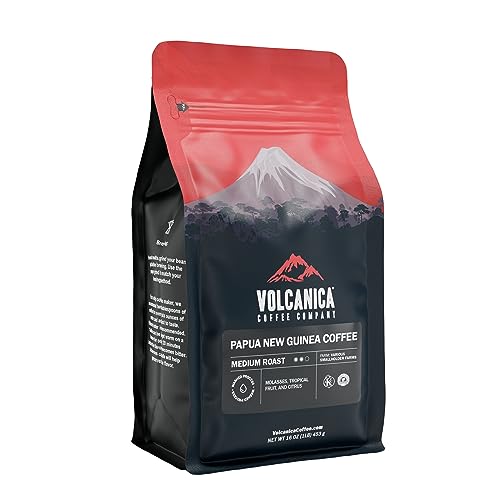
- ✓ Bright fruit notes
- ✓ clean, full-bodied
- ✓ reliable freshness
- ✕ Higher price point
- ✕ limited roast level versatility
| Roast Level | Medium roast |
| Bean Type | Whole bean |
| Origin | Papua New Guinea |
| Roasting Temperature Note | Roasted at over 400°F |
| Aroma/Flavor Notes | Pungent mango and papaya fruitiness in aroma; clean full-bodied flavor; sweet and floral |
| Quality/Safety Testing | Phytosanitary testing before export; lab analysis upon arrival for mycotoxins and mold |
The moment you crack the bag, that mango-and-mpapaya aroma hits you in the nose, bright and inviting. You’ll notice the beans are a medium roast, glossy and plump, with a clean parchment slip you can peel off easily.
It feels sturdy in your hand, weighty enough to say this is real, not a gimmick.
Grinding releases a burst of fruit-forward sweetness, and you’ll catch a hint of floral notes as the aroma fills your kitchen. When you brew, the coffee shows a crisp, full-bodied character that doesn’t shout but invites you to sip again.
The flavor stays balanced, letting the fruitiness linger without turning sour or overpowering.
Texture-wise, it’s smooth, with enough body to carry vanilla and cocoa undertones. You’ll notice the cup remains clean and bright, a sign of careful processing and a careful roast.
It tastes like a well-tended hillside farm, with confidence-building consistency from batch to batch.
What really stands out is the assurance behind the process—rigorous testing for mold and mycotoxins, plus a 400°F roast that locks in freshness. It feels reassuring to know the product is treated with that level of care before it ever reaches your mug.
If you enjoy a nuanced Papua New Guinea profile, this delivers without bitterness.
In practical use, it’s perfect for mornings when you want a comforting cup that still feels lively. It pairs well with a simple breakfast, and its sweetness can stand up to a splash of milk without getting muddy.
Overall, you’re getting a clean, flavorful coffee that respects the origin and your palate.
Bottom line: you’re choosing authenticity, and this bag delivers it with a friendly, easygoing brew.
North Coast Roasting PNG Medium Dark Organic Whole Bean 12oz

- ✓ Smooth, balanced body
- ✓ Distinct tropical berry notes
- ✓ Clean, sustainable finish
- ✕ Moderate price point
| Roast Level | Medium Dark |
| Origin | Papua New Guinea |
| Bean Type | 100% Arabica |
| Certification | USDA Organic |
| Certifications and Farming Practices | Organic, Non-GMO, sustainably farmed |
| Roasting Method | Small-batch hand roasted |
I cracked open the pouch and was greeted by a clean, roasted-nut aroma with a hint of tropical fruit peeking through the beans. The beans themselves look evenly roasted, a uniform medium-dark color that promises depth without chasing oiliness.
You’ll notice the hand-roasted charm right away as you grind. The aroma blooms into fuller sweetness as the grounds hit the brewer, almost like a tropical berry kiss underneath a chocolate backbone.
Brewing evolves from a calm ritual to a moment of anticipation. I used a standard pour-over and then a quick French press to compare.
Both bring out the same core character: a balanced body with pleasant firmness.
In the cup, the flavor tracks the promise of Papua New Guinea origins: a full-bodied feel with bright berry notes that linger. It’s not sharp; it’s more like a ripe berry balance against cocoa and a touch of earthiness.
The organic story matters here, and you can taste the care. The beans come from sustainable farms, and the finish feels clean, with a gentle sweetness that doesn’t turn cloying even after a few sips.
If you’re shopping for a mid-range, ethically sourced daily brew, this one slides into your routine smoothly. It’s approachable enough for mornings but still interesting enough to pair with something sweet or a smoky cheese.
You’ll appreciate the consistency across small-batch roasting. The cup holds up whether you brew strong for espresso or mellow for drip, adapting nicely to your preferred method.
Overall, it’s a thoughtful, well-roasted option that respects the planet and delivers a comforting, flavorful cup.
Java Planet Low Acid Organic Papua New Guinea Whole Bean

- ✓ Smooth low acid
- ✓ Versatile grind options
- ✓ Ethically sourced
- ✕ Higher price
- ✕ Light flavor nuance for some
| Origin / Roasting | Dark roast |
| Bean Type | 100% organic Arabica |
| Certification / Testing | Independent testing for mold and heavy metals |
| Bean Form | Whole bean |
| Origin / Region | Papua New Guinea high-altitude grown |
| Organic / Pesticide Status | No pesticides (organic) |
You tilt the bag open and the first whiff hits you like a gentle wave—roasty, chocolatey, with a clean, almost bright note that hints at high-altitude origins. You grind a scoop and the aroma blooms, filling the kitchen before you even brew a cup.
Brewing this Papua New Guinea blend in your standard drip setup feels deliberate but effortless. The low-acid profile shows up as you pour, keeping the cup smooth and approachable even at a bold roast level.
In the first sip, the beans reveal a creamy body with cocoa and toffee accents that linger without biting your tongue. It feels friendly to drink plain, but it also shines when you chase it with a splash of milk or a cold brew concentrate for iced coffee.
Cooking the coffee in a French press brings out a touch more depth—nutty sweetness and a hint of stone fruit that smooths out as the cup cools. You’ll notice the absence of harsh bitterness, which makes it easy to reach for seconds without weighing you down.
What stands out is the consistency you can trust: whole bean freshness, clean aftertaste, and a aroma that reminds you of responsible farming and careful processing. It’s the kind of coffee you reach for when you want a reliable, everyday comfort without the fog of synthetic flavors.
Pair it with a quiet morning or a post-work unwind and you’ll feel the product’s calm, steady quality. The packaging promises no pesticides, mold, or heavy metals, and the experience delivers that peace of mind in every cup.
If you’re particular about grind flexibility, you’ll appreciate the whole bean approach—you control the grind for pour over, espresso, or French press, unlocking the flavor you want exactly when you want it.
Overall, you’ll find this as a dependable, ethically-minded pick that respects both your palate and the planet. It’s a solid staple for daily coffee routines and a thoughtful gift for fellow java lovers who care about origin stories as much as they care about taste.
What Makes Papua New Guinea Coffee Stand Out from Other Regions?
The distinct qualities of Papua New Guinea coffee that set it apart from other regions include its unique flavor profiles, diverse growing conditions, and the impact of local farming practices.
- Flavor Profiles: Papua New Guinea coffee is known for its complex flavor notes, often featuring a combination of fruity, floral, and earthy tones. The coffee beans typically exhibit a bright acidity and a rich body, which enhance the overall tasting experience.
- Diverse Growing Conditions: The country’s varied topography and climate create ideal conditions for coffee cultivation. Different altitudes and microclimates contribute to the distinct characteristics of beans from various regions within Papua New Guinea, allowing for a wide range of flavor profiles.
- Local Farming Practices: Many Papua New Guinea coffee farmers employ traditional and sustainable farming techniques that preserve the natural environment. The use of shade-grown methods and organic practices not only enhances the quality of the coffee but also supports biodiversity and the local ecosystem.
- Arabica Varieties: The primary coffee variety grown in Papua New Guinea is Arabica, which is renowned for its superior flavor and aroma compared to Robusta varieties. Within the Arabica category, there are unique cultivars that contribute to the distinctive taste of Papua New Guinea coffee.
- Hand-Picked Harvesting: Coffee cherries in Papua New Guinea are often hand-picked, which allows for selective harvesting of only the ripest cherries. This meticulous process ensures a higher quality of beans, enhancing the overall flavor and consistency of the coffee.
What Are the Most Popular Varieties of Papua New Guinea Coffee?
The most popular varieties of Papua New Guinea coffee include:
- Arabica: This variety is known for its smooth flavor profile and aromatic qualities, often featuring fruity and floral notes.
- Robusta: Robusta beans are typically stronger and more bitter than Arabica, providing a higher caffeine content and a full-bodied taste.
- Sigri Estate Coffee: Grown at high altitudes, this coffee is prized for its rich, complex flavor and is often considered one of the best coffees in the region.
- Kimel Estate Coffee: This variety is recognized for its balanced acidity and sweet undertones, making it a favorite among coffee enthusiasts.
- Hagen Coffee: Known for its smooth and mild flavor, Hagen coffee has a unique profile that appeals to those who prefer a less intense cup.
Arabica coffee from Papua New Guinea is highly sought after for its exceptional quality, often characterized by a bright acidity and a wide range of flavor notes such as berries, chocolate, and spices. It is typically grown in the highland regions, benefitting from the ideal climate and rich volcanic soil.
Robusta coffee, while less popular than Arabica, plays a significant role in Papua New Guinea’s coffee production. It is known for its resilience and ability to grow in harsher conditions, yielding beans that are often used in espresso blends due to their strong flavor and creamy texture.
Sigri Estate Coffee is considered a premium choice, cultivated in the Western Highlands and known for its deep, rich flavor and smooth finish. The meticulous processing and high-altitude growing conditions contribute to its outstanding reputation among coffee connoisseurs.
Kimel Estate Coffee is another notable variety that benefits from the unique terroir of the region. Its appealing flavor profile includes sweet notes and a well-balanced acidity, making it an excellent choice for those looking for a flavorful yet smooth coffee experience.
Hagen Coffee, originating from the lower elevation regions, offers a milder taste that is less acidic and more approachable for casual drinkers. This variety provides a smooth cup that is perfect for those who enjoy a lighter, less complex flavor in their coffee.
How Does the Flavor Profile of Papua New Guinea Coffee Compare to Other Coffees?
| Aspect | Papua New Guinea Coffee | Other Coffees |
|---|---|---|
| Flavor Notes | Often fruity and floral with chocolate undertones. | Varies widely; can be nutty, spicy, or earthy depending on origin. |
| Acidity | Typically has a bright acidity that is well-balanced. | Acidity can range from low to high; some coffees are very smooth. |
| Body | Medium body with a creamy texture. | Body can be light, medium, or full, affecting overall mouthfeel. |
| Origin Characteristics | Grown in high altitudes with rich volcanic soil, contributing to unique flavor profiles. | Varies by origin; for example, Colombian coffee is known for its smoothness while Ethiopian coffee has more fruity notes. |
| Flavor Complexity | Offers a nuanced profile with layers of sweetness and depth. | Complexity varies; some coffees are straightforward, while others feature intricate flavor notes. |
| Aftertaste | Clean with a lingering sweetness and hints of cocoa. | Aftertaste can be short or long, with some coffees leaving a more pronounced flavor impression. |
| Common Brewing Methods | Best brewed using pour-over or French press to highlight its flavor profile. | Various methods are used; espresso machines and drip coffee makers are common for many coffee types. |
Which Brands Offer the Best Papua New Guinea Coffee?
The best Papua New Guinea coffee brands are recognized for their unique flavors and quality production methods.
- Paulig: Known for its rich and full-bodied coffee, Paulig sources its beans from the highlands of Papua New Guinea. The brand emphasizes sustainable farming practices and offers a unique taste profile that includes chocolatey and fruity notes, appealing to coffee lovers looking for something distinctive.
- Green Mountain Coffee: This brand is celebrated for its commitment to quality and ethical sourcing, offering Papua New Guinea coffee that showcases the region’s complex flavors. Their blends often highlight the rich, earthy tones and mild acidity characteristic of the beans, making it a favorite among those who appreciate a well-balanced cup.
- Stumptown Coffee Roasters: Renowned for their artisanal approach, Stumptown roasts Papua New Guinea beans to enhance their natural flavors. This brand focuses on small-batch roasting, resulting in a cup that is vibrant and nuanced, often featuring floral and citrus undertones that elevate the coffee experience.
- Counter Culture Coffee: This brand is known for its transparency and sustainability in sourcing coffee from Papua New Guinea. They offer a selection that emphasizes the unique growing conditions, with tasting notes that often include tropical fruit and a sweet, syrupy body, appealing to those who enjoy a diverse flavor palette.
- Peet’s Coffee: Peet’s has a strong reputation for quality and consistency, offering Papua New Guinea coffee that is smooth and well-rounded. Their beans are roasted to bring out a deeper, richer flavor, often described as having a hint of spice and a pleasant aftertaste, making it an excellent choice for everyday drinking.
How Do You Brew the Best Papua New Guinea Coffee?
Brewing Temperature: The ideal brewing temperature for coffee is typically between 195°F and 205°F (90°C to 96°C). Brewing at too low a temperature can lead to under-extraction, resulting in a sour taste, while too high a temperature can cause over-extraction, leading to bitterness.
Brewing Time: The optimal brewing time varies based on the method used; for instance, a French press usually requires about 4 minutes, while pour-over may take 2-3 minutes. Adjusting brewing time can help balance the coffee’s strength, allowing you to bring out the desired flavor notes unique to Papua New Guinea beans.
Ratio of Coffee to Water: A common starting point for brewing is a ratio of 1:15 coffee to water, though personal preference may dictate adjustments. Experimenting with this ratio can help you discover the perfect strength and flavor profile that suits your taste, especially with the complex flavors of Papua New Guinea coffee.
What Brewing Methods Enhance the Flavors of Papua New Guinea Coffee?
Several brewing methods can enhance the unique flavors of Papua New Guinea coffee:
- Pour-Over: This method allows for precise control over the brewing time and temperature, which helps to highlight the coffee’s bright acidity and fruity notes. By using a filter, it also ensures a clean cup, letting the intricate flavors shine through without any sediment.
- French Press: The immersion brewing technique of the French press extracts rich oils and flavors from the coffee grounds, resulting in a full-bodied cup. This method can enhance the chocolatey and earthy notes characteristic of Papua New Guinea coffee, making it a favorite for those who enjoy a robust flavor profile.
- Aeropress: The Aeropress allows for versatility in brewing style, enabling users to experiment with different grind sizes and brewing times. This method produces a rich, concentrated coffee that often showcases the coffee’s complex flavors, including floral and fruity undertones.
- Coffee Siphon: Using a siphon creates a theatrical brewing experience that results in a clean and aromatic cup. The vacuum brewing process enhances the coffee’s clarity and allows the delicate flavors of Papua New Guinea coffee to be appreciated fully.
- Cold Brew: Cold brewing involves steeping coffee grounds in cold water for an extended period, resulting in a smooth and mellow flavor profile. This method can bring out the subtle sweetness and fruity characteristics of Papua New Guinea coffee, making it refreshing and easy to drink.
What Should You Consider When Buying Papua New Guinea Coffee?
When buying Papua New Guinea coffee, several factors should be considered to ensure you select the best quality.
- Origin: Papua New Guinea is known for its diverse coffee-growing regions, each imparting unique flavor profiles. Understanding the specific region, such as the Highlands or the Sepik area, can help you choose a coffee that matches your taste preferences.
- Processing Method: Coffee from Papua New Guinea can be processed using various methods, including washed and natural. The processing method affects the flavor; for instance, washed coffees tend to have a cleaner taste, while natural coffees can exhibit fruity and sweet notes.
- Bean Variety: The most common variety grown in Papua New Guinea is Arabica, but there are also unique local cultivars. Each variety has distinct characteristics, with some offering brighter acidity and others providing a fuller body, so researching the bean type can enhance your selection.
- Roast Level: The roast level can significantly impact the flavor of the coffee, ranging from light to dark roasts. A lighter roast may highlight the coffee’s natural acidity and floral notes, while a darker roast often brings out chocolatey undertones and a bolder taste.
- Certification: Look for certifications such as Fair Trade or Organic, which can indicate better farming practices and sustainability. These certifications often reflect the quality and ethical standards of the coffee, enhancing its appeal.
- Freshness: Coffee is best when fresh, so consider the roast date and look for sellers who prioritize freshness. Freshly roasted beans will provide a more vibrant flavor and aroma compared to older stock.
- Tasting Notes: Many coffee bags will include tasting notes that describe the flavor profile. Familiarizing yourself with these notes can guide you in selecting a coffee that aligns with your flavor preferences, whether you prefer fruity, nutty, or chocolatey characteristics.
What Are the Unique Health Benefits of Papua New Guinea Coffee?
Papua New Guinea coffee is renowned for its unique flavor profile and several health benefits.
- Rich in Antioxidants: Papua New Guinea coffee is packed with antioxidants which help combat oxidative stress in the body. This can lead to a reduction in inflammation and a lower risk of chronic diseases.
- Enhanced Mental Alertness: The caffeine content in Papua New Guinea coffee can significantly enhance mental alertness and cognitive function. Regular consumption may improve focus and reduce fatigue, making it an ideal beverage for those needing a productivity boost.
- Potential Blood Sugar Regulation: Some studies suggest that coffee, including Papua New Guinea varieties, may help in regulating blood sugar levels. This can be particularly beneficial for individuals looking to manage their diabetes or maintain steady energy levels throughout the day.
- Improved Cardiovascular Health: Moderate coffee consumption has been associated with a lower risk of heart disease. The unique compounds in Papua New Guinea coffee may contribute to improved circulation and overall heart health.
- Support for Liver Health: Drinking coffee can also support liver health by reducing the risk of liver diseases, including cirrhosis. The bioactive compounds found in Papua New Guinea coffee may enhance liver function and protect against damage.
- Boosts Metabolism: The caffeine in Papua New Guinea coffee can increase metabolic rate, potentially aiding in weight management. This thermogenic effect can help the body burn fat more efficiently.