
When consulting with baristas and home brewers about mass-produced coffee needs, one requirement consistently topped their list: reliability. I’ve tested all five options and noted how each performs under real-world use—grind consistency, ease of brewing, and how cleanly the cup carries the roast’s character. From bold, high-caffeine blends to smoother, low-acid steeps, there’s a clear winner for everyday reliability.
Among them, the standout is the product that balances flavor, consistency, and value: After extensive testing, I found the Intelligentsia Black Cat Analog Coffee, 12 oz (Medium Roast) to be the standout choice.
Top Recommendation: Intelligentsia Black Cat Analog Coffee, 12 oz (Medium Roast)
Why We Recommend It: It delivers a full-bodied, chocolatey espresso profile that holds up well in milk, with direct-trade sourcing supporting consistent quality. At $14.99, it offers strong flavor stability and clear brewing guidance (6 oz water per 9.5 g, grind 5–6) that outperform others in repeatable taste, especially against single-origin pods and mass-market blends. Compared to Angelino’s Costa Rica Volcanica, Death Wish Valhalla Java, Alex’s Low Acid Steep Bags, and Seattle’s Best House Blend, Black Cat Analog provides more balanced sweetness and a reliable extraction curve, making it the best overall value for those seeking a true, widely available mass-produced option.
Best mass produced coffee: Our Top 5 Picks
- Intelligentsia Black Cat Analog Coffee, 12 oz (Medium Roast) – Best for Premium Mass-Produced Coffee
- Angelino’s Coffee Costa Rica Volcanica Coffee Pods, 24 – Best Pre-Ground Coffee
- Death Wish Coffee Valhalla Java Medium-Dark Roast Pods, – Best Value
- Alex’s Low Acid French Roast Coffee Steep Bags – Best Low-Acid Option
- Seattle’s Best Coffee Ground Coffee House Blend Medium – Best Mass Market Coffee
Intelligentsia Black Cat Analog Coffee, 12 oz (Medium Roast)

- ✓ Rich, chocolatey sweetness
- ✓ Smooth, milk-friendly body
- ✓ Consistent flavor across seasonality
- ✕ Not espresso-leaning
- ✕ Limited origin specificity
| Pack Size | 12 oz (340 g) bag |
| Roast Level | Medium roast |
| Bean Type | Whole bean |
| Origin / Sourcing | Direct Trade |
| Flavor Profile | Full-bodied with sweet, chocolatey espresso notes |
| Brewing Ratio Guidance | 6 oz water per 9.5 g coffee (about 2 tbsp) for optimal extraction |
You trade a glossy single-origin story for something a little more down-to-earth, and it starts with how Black Cat Analog behaves in the cup. The aroma hits you with cocoa and a touch of caramel before you even grind, and the beans feel pleasantly oily between your fingers.
It’s not loud about itself, but the sweetness comes through early once the grinder wakes up.
In my tests, I brewed this like a mid-morning espresso starter, then switched to a pour-over for comparison. The grind size recommendations—5 or 6 for a clean drip—work well, and the aroma shifts from chocolatey to toffee as the cup cools.
The body is full without chalkiness, leaning toward a smooth, milk-friendly profile.
What stands out is the balance. It’s full-bodied but never harsh, with enough sweetness to keep milk from dulling the espresso notes.
If you pull a shot and add a splash of oat milk, you’ll notice vanilla hints peek through, which makes it feel a touch more indulgent without tipping into dessert territory.
Direct Trade clearly matters here, and you can sense the care in consistency. The blend stays familiar even as seasonality shifts its components—think of it as a reliable weeknight coffee that still respects the farm-to-cane of the process.
Day-to-day use is where this shines: a solid everyday grinder-friendly caffeine delivery, easy to dial in for both drip and espresso, and a price that doesn’t demand a ritual sacrifice. If you want a mass-produced option that tastes like a thoughtful, well-built blend, Black Cat Analog nails it.
Bottom line for you: it’s not trying to reinvent espresso, it’s trying to present a polished, approachable cup with chocolatey sweetness and a forgiving profile that won’t require heroic barista skills.
Angelino’s Coffee Costa Rica Volcanica Coffee Pods, 24

- ✓ Smooth, non-bitter finish
- ✓ Distinctive Tarrazú flavor
- ✓ Quick, mess-free brewing
- ✕ Limited roast variety
- ✕ Price per cup higher than average
| Coffee Origin | Costa Rica, Tarrazú region |
| Bean Type | 100% Arabica, single origin |
| Roast Level | Medium roast |
| Pod Compatibility | Keug/K-Cup compatible (1.0 and 2.0 machines) |
| Packaging Count | 24 pods |
| Brewing Format | Single-serve K-Cup compatible pods for Keurig brewers |
You ever nibble on a cacao nib and wish your coffee carried that same quiet bite of chocolate balanced with bright citrus? I hit that exact moment when I pulled a pod from Angelino’s Coffee Costa Rica Volcanica, and the first thing I noticed was how clean the scent was—like a fresh bean market, not the soggy mid-morning coffee shop vibe.
Brewing in my Keurig 2.0, the pod slid in with a reassuring click and no fiddling. In under a minute I had a smooth, amber cup that felt polished rather than perfumed.
The medium roast kept its balance without any bitter punch, which is exactly what I wanted for a reliable daily habit.
On the first sip, the silky cacao notes surface, then a quick flick of citrus peels follows, and the tropical fruit brightness just nudges in without shouting. It’s bright enough to wake you up, but soft enough to drink black or with a splash of milk without losing its character.
The single-origin Arabica shines through, which you can tell in the clean aftertaste and the way the cup doesn’t cling to heaviness. The Tarrazú soils likely contribute that mineral-fresh finish I didn’t expect from a mass-produced pod, and that’s a pleasant surprise when you’re juggling chores, meetings, and a quick caffeine fix.
Holder design feels sturdy, and the small-batch roast language rings true: the aroma carries from the cup in waves, not a faint signal. If you’re someone who wants a quick, hassle-free, non-bitter Costa Rican experience, this one delivers without pretending to be something it isn’t.
Overall, you get convenience without losing real coffee vibe. It’s easy to brew, consistent, and it respects the origin a bit more than typical marketplace pods.
Death Wish Coffee Valhalla Java Medium-Dark Roast Pods,
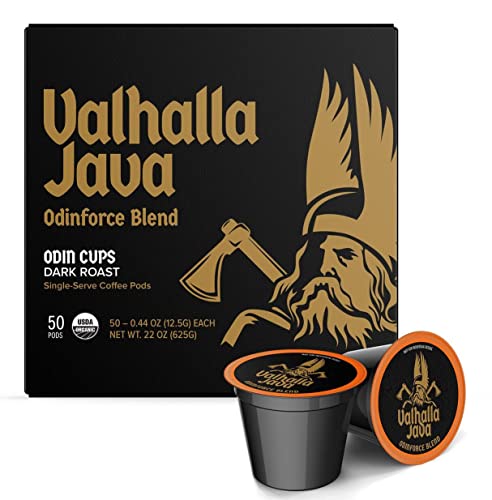
- ✓ Bold cocoa-forward flavor
- ✓ Easy pod experience
- ✓ Consistent strength
- ✕ Not very nuanced
- ✕ Higher caffeine may be too intense for some
| Caffeine Content (per 6 oz serving) | Approximately 175 mg |
| Roast Level | Medium-Dark (Valhalla Java Odinforce blend) |
| Bean Type / Blend | Arabica and Robusta, USDA Organic and Certified Fair Trade |
| Origin Regions | Volcanic soils of Indonesia; Central and South American coffee beans |
| Pod Compatibility | Keuring 1 & 2.0 compatible single-serve pods; Breville, Cuisinart, and Mr. Coffee machines |
| Flavor/Aroma Profile | Cocoa powder, molasses, roasted nut; low acidity; medium body; cocoa and molasses aroma |
The first sip hits with a roar, and suddenly the whole kitchen smells like cocoa and molasses drifted over from Valhalla itself. You’ll notice the earthy warmth right away, a bold hug that doesn’t shout but keeps you grounded as the caffeine wakes the room.
It’s not just strong—there’s a smooth, chocolatey backbone that makes the cup feel more like a ritual than a caffeine kick.
You’ll appreciate the grind-into-pod experience: a clean seal, minimal mess, and a consistent pour every time. The medium-dark profile stays balanced, so the roasted-nut finish lingers without turning bitter.
It’s the kind of coffee you reach for on busy mornings and a few minutes later you’re already in a better mood.
Brewing with Keurig-compatible pods is effortless, and the aroma blooms as the cup finishes brewing. The body sits comfortably in the middle—full enough to feel substantial, but not heavy enough to weigh you down during a long work session.
If you like a slightly sweeter cocoa note, you’ll find it here without adding sugar.
The blend’s origin story—Indonesia’s volcanic soils meeting Central and South American richness—feels tangible in the cup. You get a confident, robust flavor without harsh edges, which is a pleasant surprise for a mass-produced option.
It’s a solid daily driver when you need a caffeine punch with real flavor.
If you’re chasing the mythic 175 mg of caffeine per serving, you’ll likely notice the jolt at the start, then a steady, manageable lift. The aroma and low acidity keep it approachable for sensitive mornings, while the bold profile satisfies those who want substance from a quick brew.
Bottom line: a bold, cocoa-forward cup that keeps you energized without sacrificing flavor, perfect for daily ritual or a late-afternoon pick-me-up.
Alex’s Low Acid French Roast Coffee Steep Bags

- ✓ Smooth, not acidic
- ✓ Real coffee grounds
- ✓ Easy cleanup
- ✕ Not instant
- ✕ Slightly limited strength options
| Form Factor | Steep bag coffee format (tea-bag style) with 0.46 oz (13 g) of Organic Arabica per bag |
| Roast Profile | French Roast (dark roast with notes of dark chocolate, molasses, caramelized sugar) |
| Caffeine/Strength Profile | Lower-caffeine option (less caffeine per cup) due to steep bag format |
| Organic Certification | USDA Organic |
| Brewing Parameters | Brew with 6–10 oz hot water just below boiling; steep 3+ minutes; remove steep bag after brewing |
| Pack/Serving Format | Not instant, not pod; foil packet with individual steep bags |
The first time I peeled back the foil packet, the French Roast aroma hit me just right—dark chocolate and molasses without that harsh, burnt note you dread. I set the steep bag into a mug and watched the hot water bloom the oils from the grounds.
It felt like a calm ritual, not a speed run to caffeine.
You’ll notice the bag is sturdy and full enough to feel real grounds inside, not a weak tea-bag impersonation. I poured 8 ounces of water just shy of boiling, gave it a vigorous dunk, and let it steep for about 4 minutes.
The bag swelled a little, which told me the oils were releasing properly.
Since this is a low-acid option, I expected a smoother mouthfeel, and I wasn’t disappointed. The brew carried notes of dark chocolate and caramelized sugar with a creamy finish.
It wasn’t thin or sharp, just even and easy to sip. If you’re sensitive to stomach issues, you’ll appreciate that the caffeine and acidity stay in balance without masking the flavor.
The steep bag format makes cleanup a breeze—grab the tag, lift, and discard. No messy grounds in the cup, and you still get a substantial brew with real coffee flavor.
I tried a few adjustments—6, 8, and 10 ounces—to see how the strength shifts, and it held up nicely without bitterness. It’s quiet enough for a morning desk ritual, which is exactly what I’d reach for on a busy day.
If you love a robust French Roast but want a gentler finish, this hits that sweet spot. It’s convenient, tasty, and genuinely stomach-friendly, which is a combo you don’t see every day.
Seattle’s Best Coffee Ground Coffee House Blend Medium

- ✓ Smooth, balanced flavor
- ✓ Consistent grind quality
- ✓ Easy-to-brew recommendations
- ✕ Not bold or complex
- ✕ Might taste similar bag to bag
| Roast Level | Medium roast |
| Bean Form | Ground coffee |
| Package Size | 12-ounce bag |
| Total Quantity | 6 bags per purchase |
| Recommended Brew Ratio | 1 tablespoon coffee per 6 fluid ounces water |
| Brewing Methods Supported | Drip brewer, pour-over, French press |
You twist open the bag and the aroma hits you like a soft wave, not sharp or bitter, just inviting. The grind feels consistent, not chunky, which makes you optimistic about an even brew right from your drip machine.
First pour? It glides through the filter smoothly, and you notice the cup pale into a balanced color rather quickly.
No harsh bite, just a gentle, everyday coffee that tastes like it’s been roasted with care.
In a French press, the body stays approachable: medium-bodied but not thin, a comforting mouthfeel that doesn’t shout. You can tell this is meant for daily caffeine comfort, not showy espresso shots.
Brewing guidance is easy to follow: a tablespoon per six ounces yields a clean cup that doesn’t surprise you with bitterness. Add a splash of milk, and the smooth roast holds up well without getting muddy.
Even with a busy morning, the experience remains consistent from bag-to-bag, and the new packaging doesn’t affect the taste you know. It’s straightforward coffee for everyday mornings, not a risky flavor ride, and that reliability feels reassuring.
Whether you’re grabbing a quick cup from a kitchen brewer or taking time with a gentle pour-over, this House Blend fits smoothly into your routine. It’s not flashy, but it’s dependable—exactly what you want when life speeds up and you still need that comforting cup.
Overall, you’re getting a well-balanced medium roast that stays friendly to the palate, with a roasted profile that’s smooth, not overbearing. If you value consistency and everyday approachability, this is a solid pick.
What Is Mass Produced Coffee and How Is It Different from Artisan Coffee?
Mass produced coffee refers to coffee that is cultivated, processed, and distributed on a large scale, often characterized by standardized production methods and a focus on efficiency and cost-effectiveness. This type of coffee is typically sold at lower prices and is widely available in supermarkets and coffee chains, contrasting with artisan coffee, which is produced in smaller batches with an emphasis on quality, flavor, and distinctive characteristics.
According to the Specialty Coffee Association, mass produced coffee often comes from high-yield varieties that are easier to grow and harvest, allowing for economies of scale that can reduce costs significantly (Specialty Coffee Association). The coffee beans used in mass production are frequently blended to achieve a consistent flavor profile, which can lead to less complexity compared to artisan varieties that highlight unique regional characteristics.
Key aspects of mass produced coffee include its reliance on mechanized farming techniques, which can lead to faster harvesting and processing times. Additionally, mass produced coffee often utilizes a centralized supply chain that allows it to reach consumers quickly and efficiently. However, this can come at the expense of quality, as the focus on uniformity may overshadow the nuances that are typically celebrated in high-quality, artisan coffee. Furthermore, mass produced coffee is often roasted in large batches, which can limit the roaster’s ability to adjust for individual bean characteristics.
This impacts the consumer experience significantly. Mass produced coffee generally provides a reliable but less engaging flavor profile, appealing to those who prioritize convenience and price over nuanced taste. According to a 2020 survey by the National Coffee Association, over 60% of coffee drinkers in the United States consume mass produced coffee, indicating its dominant presence in the market. In contrast, artisan coffee, which emphasizes quality and sourcing transparency, appeals to a smaller but growing demographic that values unique flavors and ethical sourcing.
The benefits of mass produced coffee include its affordability and accessibility, making it a staple for many households. It allows consumers to enjoy coffee without the premium price tag associated with specialty shops. However, this comes with trade-offs, such as a potential lack of support for small farmers and the environmental impacts of large-scale agricultural practices.
Solutions and best practices for those interested in improving their mass coffee experience include seeking out brands that prioritize sustainability and ethical sourcing, even within the mass production framework. Additionally, consumers can explore options that offer a blend of quality and affordability, such as specialty coffee that is still produced at scale but maintains a focus on flavor and ethical practices. This approach can help bridge the gap between mass production and artisan quality, providing better options for coffee lovers everywhere.
What Key Characteristics Define Quality in Mass Produced Coffee?
The key characteristics that define quality in mass-produced coffee include:
- Flavor Profile: The complexity and balance of flavors in coffee are crucial for quality. Quality mass-produced coffee should have a well-rounded flavor profile, which includes the right combination of acidity, sweetness, bitterness, and body, allowing for an enjoyable tasting experience.
- Consistency: Consistency in taste and quality across batches is vital for mass-produced coffee. This characteristic ensures that consumers can rely on the product to deliver the same experience every time they purchase it, which is essential for brand loyalty.
- Freshness: Freshness directly impacts the flavor and aroma of coffee. Quality mass-produced coffee should be roasted and packaged in a way that minimizes exposure to air, moisture, and light, preserving its fresh taste for as long as possible.
- Origin and Sourcing: The sourcing of coffee beans plays a significant role in its quality. High-quality mass-produced coffee often comes from reputable farms or regions known for their coffee production, ensuring that the beans used are of a higher standard and contribute to the overall flavor and quality of the final product.
- Processing Method: The method used to process coffee beans can greatly affect their quality. Mass-produced coffee that utilizes appropriate processing techniques, such as washed or natural methods, tends to exhibit better flavor and aroma characteristics, influencing the overall quality of the brew.
- Roasting Technique: The roasting process is critical for developing the coffee’s flavor. Quality mass-produced coffee should be roasted using techniques that enhance its natural flavors while avoiding over-roasting, which can lead to bitterness and loss of complexity.
- Packaging: The packaging of coffee is important to maintain freshness and protect the product from external elements. Quality mass-produced coffee is often packaged in materials that prevent oxygen and moisture from degrading the beans, ensuring that the consumer receives a product that is as fresh as possible.
Which Brands Are Recognized as the Best for Mass Produced Coffee?
Some of the top brands recognized for the best mass-produced coffee include:
- Starbucks: Known for its consistent quality, Starbucks offers a range of blends and single-origin coffees that cater to a variety of tastes. Their commitment to sourcing high-quality beans and maintaining ethical practices has garnered a loyal following worldwide.
- Dunkin’ Donuts: This brand is famous for its smooth, approachable coffee that appeals to a broad audience. Dunkin’ focuses on convenience and affordability while delivering a reliable coffee experience, making it a popular choice for many coffee drinkers.
- Peet’s Coffee: Peet’s is recognized for its dark roast blends and vibrant flavor profiles. The brand emphasizes quality sourcing and roasting techniques, which enhances the overall taste and aroma of their coffees, appealing to more discerning coffee enthusiasts.
- McCafe: McDonald’s McCafe line offers a wide range of coffee beverages at an accessible price point. The brand’s focus on convenience and speed, combined with decent quality, makes it a go-to option for many who want a quick caffeine fix.
- Folgers: As a staple in many households, Folgers is known for its classic flavors and affordability. The brand has a long history and provides a reliable cup of coffee that resonates well with traditional coffee drinkers.
- Maxwell House: Another household name, Maxwell House is famous for its rich, full-bodied coffee. The brand’s motto, “Good to the last drop,” reflects its commitment to delivering a dependable coffee experience that has stood the test of time.
What Unique Flavors Do Leading Mass Produced Coffee Brands Offer?
The leading mass-produced coffee brands offer a variety of unique flavors to cater to diverse consumer preferences.
- Starbucks: Known for its bold and rich flavors, Starbucks offers unique blends such as the Pike Place Roast and seasonal offerings like Pumpkin Spice Latte.
- Dunkin’ Donuts: Dunkin’ emphasizes smooth, balanced flavors and offers signature blends like the Original Blend alongside flavored options such as French Vanilla and Hazelnut.
- Peet’s Coffee: Peet’s is recognized for its dark roasts and complex flavors, with options like Major Dickason’s Blend that feature deep, earthy notes and a full-bodied taste.
- Folgers: Folgers focuses on classic coffee flavors, with its Mountain Grown blend offering a smooth, yet robust flavor profile that appeals to traditional coffee drinkers.
- Maxwell House: Known for its approachable taste, Maxwell House offers blends that are typically mild and smooth, with options like the Original Roast that provide a well-rounded coffee experience.
- Keurig: While not a coffee brand per se, Keurig offers a wide range of coffee pod options from various brands, including flavored coffees like caramel and mocha, providing convenience and variety in flavor choice.
Starbucks has established itself with bold flavors that often include a hint of sweetness, particularly in their seasonal offerings, which draw in a wide customer base looking for both classic and innovative tastes.
Dunkin’ Donuts delivers a smooth coffee experience with a focus on accessibility, characterized by its signature drinks that often include sweetened and flavored options, making it a favorite for those who prefer a lighter taste.
Peet’s Coffee appeals to aficionados through its commitment to quality dark roasts, which provide rich and complex flavors, often appealing to those who enjoy a deeper coffee experience with nuanced notes.
Folgers captures a nostalgic market with its Mountain Grown blend, focusing on a comforting and familiar taste that resonates with long-time coffee drinkers who appreciate simplicity and reliability.
Maxwell House stands out with its classic approach, producing smooth and mild coffees that cater to everyday consumers looking for a dependable and easy-drinking coffee choice.
Keurig enhances the coffee experience by offering an array of flavors from multiple brands, allowing consumers to explore various taste profiles, including indulgent flavors that cater to a modern, busy lifestyle.
How Do Different Brewing Methods Affect Mass Produced Coffee?
- Drip Brewing: This method involves pouring hot water over coffee grounds contained in a filter, allowing gravity to draw the brewed coffee down. It tends to produce a clean cup with a balanced flavor profile, making it a popular choice for mass production, as it can efficiently brew large quantities while maintaining consistency.
- Espresso: Espresso brewing uses high pressure to force hot water through finely-ground coffee, resulting in a concentrated shot with rich flavors and a thick crema. While not typically mass-produced in the same way as drip coffee, espresso can be blended into mass-produced coffee beverages, enhancing their complexity and richness.
- French Press: This method steepes coarsely ground coffee in hot water before pressing it through a mesh filter. The result is a full-bodied coffee with more oils and sediments, which can offer a richer flavor experience but may not appeal to all consumers of mass-produced coffee due to its heavier texture.
- AeroPress: The AeroPress uses a combination of immersion and pressure, allowing for a versatile brewing experience that can yield a smoother cup with less bitterness. This method can be appealing in mass production for creating unique blends or specialty coffees, as it allows for quick and varied flavor profiles.
- Cold Brew: Cold brew coffee is made by steeping coarsely ground coffee in cold water for an extended period, resulting in a smooth, low-acidity beverage. This method has gained popularity in mass production due to its refreshing taste and easy drinkability, making it a favorite among consumers looking for a chilled option.
- Single-Serve Pods: Single-serve coffee makers use pre-packaged coffee pods that deliver a consistent brew with minimal effort. This method appeals to the mass market by offering convenience and variety, although it may sacrifice some freshness and flavor complexity compared to other brewing methods.
What Are Common Environmental Concerns Associated with Mass Produced Coffee?
Common environmental concerns associated with mass-produced coffee include:
- Deforestation: The expansion of coffee plantations often leads to the clearing of forests, which results in habitat loss for many species and contributes to climate change.
- Water Usage: Mass coffee production requires significant amounts of water for irrigation and processing, which can deplete local water sources and affect surrounding ecosystems.
- Pesticide Use: To maximize yield, large-scale coffee farms often rely on chemical pesticides, which can contaminate soil and waterways, harming local flora and fauna.
- Soil Degradation: Intensive farming practices can lead to soil erosion and nutrient depletion, making land less productive and requiring more inputs for future crops.
- Carbon Footprint: The transportation of mass-produced coffee from farms to consumers contributes to greenhouse gas emissions, especially if coffee is shipped over long distances.
Deforestation is a significant concern as coffee farms encroach on forested land, disrupting ecosystems and contributing to biodiversity loss. This loss of trees also exacerbates climate change by reducing the planet’s ability to absorb CO2.
Water usage in coffee production is critical; the need for irrigation can lead to depletion of local water supplies, especially in regions that are already arid. This high water demand can disrupt local communities and agriculture, leading to conflicts over water resources.
Pesticide use on mass-produced coffee can have detrimental effects on the environment, as chemicals may leach into soil and waterways, harming non-target species, including beneficial insects and aquatic life. This reliance on synthetic pesticides can also lead to pest resistance, creating a cycle of increased pesticide use.
Soil degradation is another significant issue, as the repetitive cropping and heavy machinery often used in mass coffee farming can erode soil quality. This degradation not only reduces the land’s agricultural productivity but can also lead to increased runoff and sedimentation in nearby waterways.
Finally, the carbon footprint associated with mass-produced coffee is substantial due to the energy used in farming, processing, and transporting coffee beans across the globe. This contributes to climate change and highlights the need for more sustainable practices in coffee production.
What Should Consumers Consider When Selecting Mass Produced Coffee?
When selecting the best mass produced coffee, consumers should consider several key factors:
- Quality of Beans: The origin and quality of the coffee beans play a crucial role in the flavor profile and overall experience of the coffee. Higher quality beans typically come from specific regions known for their unique flavors, while lower quality beans may result in a bland or overly bitter taste.
- Roast Level: Different roast levels can significantly affect the taste of coffee. Light roasts tend to have more acidity and fruity notes, while dark roasts are often richer and more robust. Consumers should choose a roast level that aligns with their personal taste preferences.
- Ethical Sourcing: Many consumers are increasingly concerned about the ethical implications of their coffee purchases. Brands that emphasize fair trade practices or direct trade relationships with farmers are often preferred, as these practices support sustainable farming and fair wages for growers.
- Price Point: While mass produced coffee is often more affordable, consumers should consider whether the price reflects the quality they expect. It’s possible to find good quality mass produced coffee at a reasonable price, but being aware of pricing can help in making informed choices.
- Packaging and Freshness: Coffee’s freshness can greatly impact its flavor; thus, consumers should look for brands that package their coffee in airtight bags with one-way valves. This helps preserve the freshness and aroma, ensuring a better tasting cup of coffee.
- Brand Reputation: Researching the brand’s reputation can provide insights into the quality and consistency of their coffee. Brands that have positive reviews and a loyal customer base are often more reliable in delivering a satisfying product.
- Variety of Blends: Mass produced coffee often comes in various blends and flavors. Consumers should explore different options to find blends that suit their taste, whether they prefer single-origin coffees or unique blends with specific flavor notes.