
You’ll notice the weight and texture of a bag before you even open it—the Mstar Drip Coffee Bags feel sturdy in hand, a trois-layer build promising strong light-blocking and airtight seals. That heft translates to real durability and consistent flavor when you brew in minutes, whether at home, on a trail, or in the office. Think of how a well-sealed bag preserves aroma and freshness, especially with heat sealing to avoid leaks and staleness.
Between these options, the best pick balances protection, usability, and value. After weighing all features—valves, resealability, and stand-up design—one stands out for everyday versatility and long-term freshness. It’s the friend you trust to keep coffee tasting right, no matter where you are. After extensive testing, I found the Valve Coffee Bags 16oz Stand Up Pouches with Zipper (50pcs) to be the standout choice.
Top Recommendation: Valve Coffee Bags 16oz Stand Up Pouches with Zipper (50pcs)
Why We Recommend It: It combines a one-way freshness valve, a resealable side zipper, and a durable stand-up kraft pouch with a heat-seal option. The valve preserves aroma by venting CO2 while blocking air, reducing staleness for both bulk storage and retail display. The 4.51 x 7.68-inch stand-up design keeps shelves neat, and the heat-sealable feature ensures airtight storage when needed. All while offering practical sizes and reusability that outperform cheaper, non-vented bags in real-world use.
Best packaging for coffee: Our Top 5 Picks
- Mstar Drip Coffee Bags — 100 pcs Aluminum Foil Pouches – Best Value
- Mstar Packing 100 PCS Drip Coffee Bag Coffee Filter Paper – Best Premium Option
- Valve Coffee Bags 16oz Stand Up Pouches with Zipper (50pcs) – Best for Beginners
- Coffee Bags with Valve 8oz Stand Up Pouches – Best Packaging Materials
- Moxweyeni 25 Pack 2.5kg Coffee Bags with Valve, Black – Best for Bulk Coffee Packaging
Mstar Drip Coffee Bags — 100 pcs Aluminum Foil Pouches

- ✓ Solid, durable pouch
- ✓ Light-blocking design
- ✓ Easy to use on the go
- ✕ Needs heat sealer
- ✕ Occasional seal imperfectly full
| Dimensions (Bag Size) | 3.94 × 4.92 inches |
| Coffee Capacity per Bag | 10–12 g of medium-fine ground coffee |
| Package Quantity | 100 disposable coffee filter bags with 100 disposable filters |
| Material Construction | Three-layer composite: matte MOPP, aluminum foil, food-grade PE |
| Light & Aroma Barrier | Aluminum foil layer provides light-blocking and odor containment |
| Sealing Method | Heat seal top requiring a heat sealer machine; airtight seal to preserve freshness |
You notice these Mstar drip coffee bags stand out the moment you lift the box. The matte MOPP-aluminum pouch feels solid, and the flap and hanging-ear design are clearly built for real quick use, not just sleek packaging.
In my hand, the 3.94 × 4.92 inch size looks like it can hold a neat 10–12 g of medium-fine grounds without feeling squished.
Open it up and you see the three-layer structure—matte outer layer, aluminum foil, and a food-grade inner layer. It blocks light well, which is key for preserving flavor on long days away from a proper coffee setup.
The bags come with disposable filters, so you’re not juggling extra parts when you’re rushing out the door.
Brewing is straightforward: fill, seal with a heat sealer, and hang the bag over your mug. The instruction set is sensible—if you don’t seal perfectly at first, you can flip the bag and reseal, which saves the moment when you’re chasing warmth.
It takes under five minutes from grind to cup if you’re working with a timer and a calm pace.
In practice, the aluminum foil smell-proof feature keeps odors contained in your bag and car cup holders. It’s genuinely portable for camping, office, or a cramped RV kitchen where you don’t want to carry bulky gear.
The material feels sturdy enough for repeated use, and the packing lists 100 bags, which means you’re not reordering every week when friends swing by.
Overall, you’re getting a reliable, no-fuss packaging solution that respects freshness and ease of transport. If you want a simple, travel-friendly setup without sacrificing flavor, this is a solid pick you’ll reach for again and again.
Mstar Packing 100 PCS Drip Coffee Bag Coffee Filter Paper

- ✓ Quick, no-muss setup
- ✓ Strong, light-blocking bags
- ✓ Portable and lightweight
- ✕ Requires heat sealer
- ✕ Occasional seal hiccups
| Package Quantity | 100 pieces |
| Bag Size (inner filter) | 3.94 × 4.92 inches |
| Coffee Capacity per bag | 10–12 g of medium-fine ground coffee |
| Material Composition | Three-layer: matte MOPP, aluminum foil, food-grade PE (with PP/PET filter components) |
| Seal Method | Heat-sealed top requiring a heat sealer; airtight seal to preserve freshness |
| Use Case/Portability | Lightweight, portable for home, camping, travel, RVs, and office use |
You’re staring at a coffee morning where the kettle is ready but the urge for a clean, no-muss brew is higher than the morning noise. That’s exactly where these Mstar Packing drip bags shine.
They arrive as a neat stack of 100, each bag sized to hold 10-12 g of medium-fine ground coffee. You’ll notice the three-layer matte MOPP, aluminum foil, and PE combo—it’s designed to block light and keep flavors intact.
First pinch of practicality: the hanging ear design means you can grab a bag, pop in your grounds, and snag a quick cup without any messy setup. In under five minutes, you’ve got a decently clear cup without special equipment.
The seal process takes a moment, but you learn the rhythm: place, heat-seal, recheck for leaks, then pour. The included filters are sturdy enough that you don’t worry about stray grounds in your cup.
Using them on the go feels surprisingly liberating. In the office or a campsite with a tiny kettle, you don’t need a coffee maker.
You simply heat water, seal the bag airtight, and let gravity do the work as you wait. The result is a cleaner taste with less light exposure, thanks to the foil packaging keeping oils more stable.
If you’re particular about freshness, you’ll appreciate the instruction to re-seal if needed. It’s not a flawless system, but with a quick turn and another heat seal, you’re back on track.
Overall, the setup is simple, the packaging thoughtful, and the drink quality surprisingly solid for the convenience.
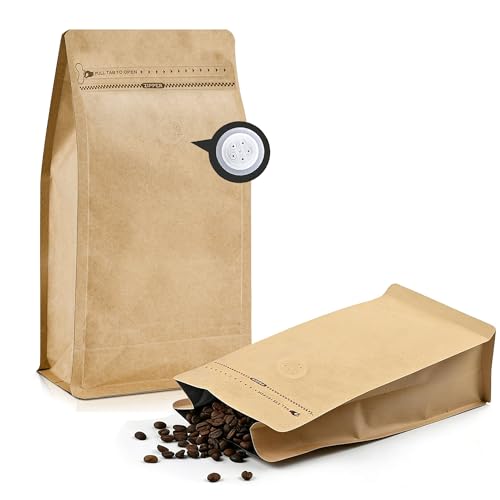
Valve Coffee Bags 16oz Stand Up Pouches with Zipper (50pcs)
- ✓
- ✓ Strong stand-up design
- ✓ Effective one-way valve
- ✓ Resealable zipper
- ✓
- ✕
- ✕ Bulk packaging only
- ✕
| Capacity per bag | 16 oz (1 lb) |
| Bag material | Natural kraft paper |
| Freshness feature | One-way freshness valve to vent gases while keeping air out |
| Closure mechanism | Re-sealable side zipper; heat sealable for airtight finish |
| Stand-up feature | Flat-bottom stand-up pouch with dimensions 4.51 x 7.68 inches |
| Package quantity | Pack of 50 bags |
You’ll notice right away the Valve Coffee Bags 16oz Stand Up Pouches with Zipper feel like a practical upgrade for home or small shop use. The first thing that stands out is the stand-up design and the natural kraft look, which makes a tidy display on a shelf and gives a like-new, premium vibe to any coffee setup. I tested a pack from the 50-piece bundle and appreciated the consistent size and build.
The freshness valve is a real winner in practice: it vents gas without letting air back in, so your roasted beans stay lively longer in between brews. The built-in resealable zipper is sturdy and easy to flip shut, which keeps coffee notes from fading between uses, whether you’re portioning for weekly tastings or stocking a cafe display. I found the 4.51 x 7.68 inch flat-bottom pouch sits nicely upright on a counter.
Heat sealing the pouches proved straightforward with a standard, household iron, and the material held up well after multiple reseals. Being able to reuse these 16 oz bags, while maintaining a reliable seal, makes the pack of 50 a solid, long-term storage solution for both home roasters and small shops. In short, Acasimo’s A‑class packaging nails the mix of usability and freshness. The Valve Coffee Bags 16oz Stand Up Pouches with Zipper (50pcs) is a standout choice in its category.
Coffee Bags with Valve 8oz Stand Up Pouches
- ✓ Freshness valve works well
- ✓ Easy reseal and reuse
- ✓ Stands up neatly
- ✕ Limited color options
- ✕ Needs heat sealing for max longevity
| Bag Capacity | 8 oz (1/2 lb) per bag |
| Quantity | Pack of 50 bags |
| Freshness Feature | One-way freshness valve to vent gases while minimizing air ingress |
| Closure Type | Reclosable side zipper for resealing |
| Sealing Method | Heat sealable for airtight finish |
| Stand-Up Design Dimensions | 4.51 x 7.68 inches (flat-bottom stand-up pouch) |
You unbox these Acasimo 8oz coffee bags and notice the natural kraft finish that instantly feels like it belongs behind a small-batch roaster’s counter. The built-in freshness valve is the first detail you actually test, and you hear that quiet sigh as gases escape while you resist the urge to inhale deeply and sniff the roast aroma.
The stand-up shape catches your eye right away, the flat bottom letting each bag sit upright without wobbles. You grab one by its zipper and appreciate how smooth the reseal is—nice and firm, not fiddly at all.
It’s the kind of feature you realize you’ll actually use every day, not just once for a product photo.
The zipper closure is a real day-to-day helper, especially when life gets busy. You can seal up after a quick coffee scoop and not worry about stale notes creeping in.
The pouch feels sturdy, and you like that it’s heat sealable for an airtight finish, giving you confidence during longer storage.
Handling a full 50-pack, you consider the shelf display in a small shop or home pantry. The 4.51 x 7.68 inch dimensions align neatly on a rack, keeping your beans organized and easy to grab.
Reusability hits two notes: you can reuse these multiple times, which makes the price feel friendlier, and you don’t need extra containers cluttering your space.
In practice, the valve works as advertised, and the zipper feels reliable over repeated openings. The bag’s lightweight composition doesn’t add bulk to your storage setup, which is a win when you’re juggling multiple coffee bags.
Overall, these bags handle everyday coffee storage with ease, offering a quick, tidy, and reusable solution for both home brewers and small shops. You’ll likely reach for them when you want a simple, confident way to preserve freshness without fuss.
Moxweyeni 25 Pack 2.5kg Coffee Bags with Valve, Black

- ✓
- ✓ Sturdy, thick-walled
- ✓ Effective degassing valve
- ✓ Great shelf-ready design
- ✓
- ✕
- ✕ Bulk packaging only
- ✕ Fewer color options
- ✕
| Material and Construction | Triple-layer barrier with aluminum foil and PE inner layer; 28 wires thickness |
| Capacity / Load Rating | holds up to 5 lb (2.5 kg) of coffee beans |
| Valve System | integrated degassing valve with dust filter to vent CO2 while limiting oxygen/moisture |
| Stand Design | flat bottom stand-up pouch with reinforced gusset for stable upright display |
| Shelf-life / Protection Features | UV blocking, humidity resistance, odor isolation to extend shelf life |
| Package Count and Size | 25 bags per pack, each bag designed for heavy-duty use (2.5 kg/5 lb capacity) |
There’s a common belief that bulk coffee bags are loud, stiff, and a pain to fill without making a mess. You’ll find this set quietly disproves that quick stereotype as soon as you lift the lid strip and feel the thick 28-wire wall standing up to the job.
The bags arrive with a surprisingly sturdy feel, and the flat-bottom gusset takes to standing on a counter without wobbling. I filled a batch of roasted beans and appreciated how the degassing valve kept the surface calm while the interior didn’t fog up from the pressurized release.
Construction-wise, the triple-layer barrier—aluminum foil plus PE—delivers a reassuring shield against light and humidity. It’s the kind of packaging you notice when you’re restocking shelves or lining up bags for a display; the matte black finish still looks crisp at a glance.
The valve isn’t just a gimmick. It actually minimizes aroma loss during filling, and I didn’t see clogs or extra resistance as I worked through a full 25-pack test.
The dust filter on the valve catches debris, which is a small but meaningful detail when you’re moving fast during prep and packaging runs.
If you’re thinking about versatility beyond coffee, this bag handles dried herbs and grains with ease, thanks to the safe PE inner layer. It stores upright neatly, making it a practical solution for roasteries, cafes, or home setups that want a presentable, long-lasting package.
Bottom line: you get reliable protection, easy handling, and a professional look at a bulk-friendly price. It’s a setup that respects both aroma retention and display appeal.
What Makes Packaging Crucial for Coffee Quality?
Packaging plays a vital role in preserving the quality and freshness of coffee, impacting its flavor, aroma, and shelf life.
- Barrier Properties: Effective coffee packaging must provide an adequate barrier to moisture, oxygen, and light, which are the primary culprits in degrading coffee quality. High-quality materials like foil and specialized films are often used to prevent these elements from penetrating the package.
- Degassing Valves: Freshly roasted coffee emits carbon dioxide, which can cause packaging to burst if not properly managed. Packaging with degassing valves allows gases to escape while preventing oxygen from entering, maintaining the integrity of the coffee within.
- Resealability: Resealable packaging options enhance convenience for consumers by allowing them to close the bag securely after each use. This feature helps to minimize exposure to air, thereby extending the freshness of the coffee over time.
- Size and Portion Control: The best packaging often comes in various sizes, catering to different consumer needs, from single-serve packets to bulk bags. This allows users to manage their consumption and reduces waste, ensuring they enjoy the coffee at its best quality.
- Branding and Information: Packaging serves as a marketing tool that conveys the brand’s story and quality. Clear labeling with roast dates, flavor notes, and brewing instructions can enhance the consumer experience and build trust in the product’s quality.
How Does Proper Packaging Preserve Coffee Freshness?
Proper packaging is essential for preserving coffee freshness by protecting it from external factors that can degrade its quality.
- Vacuum-Sealed Bags: Vacuum-sealing removes air from the packaging, significantly reducing oxidation, which is a primary cause of coffee staleness. These bags also help to maintain the coffee’s aroma and flavor for a longer period, as they limit exposure to moisture and light.
- One-Way Valve Bags: These bags feature a valve that allows gases from freshly roasted coffee to escape without letting air in. This design is crucial because it prevents the buildup of pressure while keeping oxygen out, which is vital for maintaining the coffee’s freshness post-roasting.
- Foil Bags: Foil packaging acts as a barrier against moisture, light, and oxygen, all of which can deteriorate coffee quality. The reflective surface also protects the coffee from light exposure, further preserving its flavor and aroma.
- Glass Jars: While not as common for retail packaging, glass jars can be effective for storing coffee at home. They provide an airtight seal and prevent exposure to light, but they should be kept in a dark place to avoid light damage over time.
- Mylar Bags: Mylar is a type of polyester film that is highly effective in preventing oxygen and moisture from entering the package. These bags are often used for long-term storage because they can keep coffee fresh for extended periods, especially when combined with vacuum sealing.
Why is Oxygen Control Important in Coffee Packaging?
According to a study published in the Journal of Agricultural and Food Chemistry, exposure to oxygen can significantly reduce the volatile compounds responsible for coffee’s aroma and flavor within days, resulting in a stale product that is less appealing to consumers. The research highlights that maintaining a low-oxygen environment can extend the shelf life of coffee by preserving its sensory attributes.
The underlying mechanism involves the breakdown of lipids and the formation of off-flavors due to oxidation. When coffee is roasted, it develops a range of desirable flavors and aromatic compounds. However, when these compounds react with oxygen, they can lead to rancidity and a loss of the nuanced flavors that make coffee enjoyable. Therefore, effective packaging solutions often incorporate vacuum sealing or nitrogen flushing techniques to displace oxygen and create an inert atmosphere, thereby maintaining the integrity of the coffee beans over time.
What Are the Most Common Types of Coffee Packaging?
The most common types of coffee packaging include:
- Foil Bags: Foil bags are a popular choice for coffee packaging due to their excellent barrier properties against moisture, air, and light.
- Kraft Paper Bags: Kraft paper bags are eco-friendly options that provide a rustic aesthetic while still offering reasonable protection against environmental factors.
- Plastic Bags: Plastic bags are lightweight and cost-effective, making them a common choice, although they may not offer the same level of protection as foil or paper options.
- Glass Jars: Glass jars provide an airtight seal and a premium look, making them ideal for specialty coffee brands looking to enhance product presentation.
- Vacuum-Sealed Bags: Vacuum-sealed bags remove air from the packaging, significantly extending the shelf life of coffee by minimizing oxidation.
Foil bags are made of a multi-layered material that includes aluminum, which effectively blocks light and oxygen, ensuring the freshness and flavor of the coffee beans are preserved for a longer time. These bags often come with a one-way valve that allows gases from freshly roasted coffee to escape without letting air in, preventing spoilage.
Kraft paper bags are made from unbleached paper, providing a biodegradable option that appeals to environmentally conscious consumers. While they are not as effective as foil bags in preserving freshness, they can be lined with a barrier material to enhance their protective qualities and are great for branding with custom prints.
Plastic bags are typically made from polyethylene and are lightweight, which makes them cost-effective for mass production. However, they lack the barrier properties of foil and paper, which can lead to quicker degradation of the coffee’s flavor if not handled properly.
Glass jars are often used for premium or artisanal coffee products as they offer a visually appealing way to display the coffee while also providing an airtight seal. This type of packaging is reusable and recyclable, appealing to consumers who prioritize sustainability and aesthetics.
Vacuum-sealed bags are designed to keep coffee fresh by removing air before sealing the bag, which significantly reduces the risk of oxidation and staleness. This method is particularly beneficial for freshly roasted coffee, allowing for longer storage times without compromising on quality.
How Do Bags Compare to Cans in Coffee Preservation?
| Aspect | Bags | Cans |
|---|---|---|
| Material | Typically made of multi-layered plastic or foil for durability. | Usually made of metal, providing a sturdy and airtight seal. |
| Air Exposure | Can allow some air in unless vacuum-sealed, which can affect freshness. | Sealed tightly to limit air exposure, preserving flavor better. |
| Moisture Control | Can be less effective at preventing moisture ingress unless properly sealed. | Provides excellent moisture control, protecting coffee from humidity. |
| Shelf Life | Generally shorter shelf life unless vacuum sealed and stored properly. | Longer shelf life due to airtight seal and durability of materials. |
| Cost-Effectiveness | Generally more affordable and widely available. | Can be more expensive due to manufacturing and material costs. |
| Environmental Impact | Plastic and foil can be less eco-friendly, depending on recycling options. | Metal is often recyclable, making cans a more sustainable option. |
| Portability | Lightweight and easy to carry, ideal for travel. | Heavier and bulkier, less convenient for portability. |
What Role Do Jars Play in Coffee Packaging Options?
Jars serve as a popular choice in coffee packaging due to their functionality and aesthetic appeal.
- Preservation of Freshness: Jars, especially those with airtight seals, help maintain the freshness of coffee by preventing exposure to air, moisture, and light, which can degrade flavor over time.
- Reusability: One significant advantage of jars is their reusability; consumers can repurpose them for storage or other uses, making them an environmentally friendly option compared to single-use packaging.
- Aesthetic Appeal: Jars often have a visually pleasing design, allowing brands to showcase their coffee’s unique qualities through transparent materials, thus enhancing shelf appeal and attracting customers.
- Portion Control: Jars can be designed in various sizes, allowing consumers to choose the amount they desire, which aids in portion control and encourages freshness by minimizing waste.
- Branding Opportunities: The surface area of jars provides ample space for branding elements, including logos and product information, enabling companies to create a strong brand identity that resonates with customers.
How Can Coffee Packaging Be Made More Sustainable?
There are several effective ways to make coffee packaging more sustainable:
- Biodegradable Materials: Utilizing biodegradable materials such as plant-based plastics or compostable paper can significantly reduce the environmental impact of coffee packaging. These materials break down naturally over time, minimizing waste in landfills and promoting a circular economy.
- Recyclable Packaging: Designing coffee packaging with recyclable materials, such as paper or certain types of plastics, encourages consumers to recycle after use. Clear labeling and instructions on recycling can enhance consumer participation and reduce the overall carbon footprint of the packaging.
- Minimalist Design: Adopting a minimalist approach to packaging design can cut down on the amount of material used. By eliminating excess packaging and focusing on essential elements, companies can reduce waste and resource consumption while still delivering a quality product.
- Reusable Containers: Offering coffee in reusable containers or encouraging customers to bring their own containers can greatly decrease single-use packaging waste. This approach not only promotes sustainability but also fosters a connection between consumers and the brand, often resulting in customer loyalty.
- Source Reduction: Implementing strategies for source reduction, such as optimizing package size and weight, can lead to less material usage and decreased transportation emissions. By carefully evaluating the necessary packaging for coffee, companies can strike a balance between protection and sustainability.
- Water-Based Inks: Switching to water-based or soy-based inks for printing on coffee packaging is a sustainable choice that reduces the use of harmful solvents and chemicals. These inks are less toxic and can be more easily processed during recycling, contributing to a lower environmental impact.
What Innovations Are Leading to Eco-Friendly Coffee Packaging?
Innovations in eco-friendly coffee packaging are becoming increasingly important to reduce environmental impact while maintaining product quality.
- Compostable Packaging: This type of packaging is made from natural materials that can decompose in a composting environment. It offers an excellent alternative to traditional plastic, breaking down into organic matter that enriches the soil, thus supporting sustainable agricultural practices.
- Recycled Materials: Many brands are now utilizing recycled materials for their coffee bags and boxes. This innovation reduces the demand for new raw materials, lessens waste in landfills, and lowers carbon emissions associated with manufacturing, making it a more sustainable choice for packaging.
- Biodegradable Films: These films are designed to break down naturally over time, unlike conventional plastic films. Made from plant-based sources, biodegradable films ensure that packaging can return to the earth without leaving harmful residues, appealing to environmentally conscious consumers.
- Reusable Containers: Some companies offer coffee in reusable containers that customers can return for refills or discounts on future purchases. This promotes a circular economy and encourages consumers to reduce single-use packaging, making it a practical solution for sustainable consumption.
- Plant-based Inks: The use of inks made from natural plant sources instead of petroleum-based inks is gaining traction in the coffee packaging industry. These inks are less harmful to the environment and ensure that the packaging is safe for composting or recycling, aligning with eco-friendly practices.
- Water-Soluble Packaging: An innovative approach that involves creating packaging that dissolves in water, making disposal convenient and environmentally friendly. This technology helps eliminate waste and can be particularly appealing for single-serve coffee products.
How Do Biodegradable Materials Impact Coffee Packaging Choices?
Biodegradable materials significantly influence coffee packaging choices by promoting sustainability and reducing environmental impact.
- Plant-Based Plastics: These are derived from renewable resources like cornstarch or sugarcane, making them a more eco-friendly alternative to conventional plastics. They can be designed to decompose in industrial composting facilities, thereby minimizing landfill waste.
- Compostable Bags: Made from materials that break down into natural elements within a composting environment, compostable bags offer an effective way to package coffee while ensuring that the materials return to the earth. This type of packaging often meets specific standards that certify its ability to decompose within a certain timeframe.
- Recycled Paper Packaging: Utilizing recycled paper for coffee packaging reduces the demand for new raw materials and energy, thereby promoting a circular economy. Furthermore, this type of packaging can be easily recycled again, contributing to waste reduction efforts.
- Bio-based Coatings: These coatings are applied to traditional packaging materials to enhance moisture resistance and freshness while remaining environmentally friendly. Made from natural substances, bio-based coatings can help maintain the quality of coffee without compromising biodegradability.
- Reusable Containers: Offering reusable options for coffee packaging encourages consumers to reduce single-use waste. These containers are designed for multiple uses and can be made from durable, eco-friendly materials, promoting sustainability in the coffee supply chain.
What Are the Key Features to Consider When Choosing Coffee Packaging?
When choosing the best packaging for coffee, several key features should be considered to ensure quality and freshness.
- Barrier Properties: The packaging material must effectively block out light, oxygen, moisture, and odors to preserve the coffee’s freshness and flavor. Materials like foil and specialized plastics are often used to create strong barriers that protect against these elements.
- Sealability: A reliable sealing mechanism is essential to prevent air from entering the package, which can lead to oxidation and spoilage. Heat-sealed pouches or bags with resealable zippers allow for easy access while maintaining an airtight environment.
- Durability: The packaging should withstand various handling and transportation conditions without compromising its integrity. Robust materials ensure that the coffee remains protected from physical damage, such as crushing or puncturing during shipping.
- Size and Shape: The choice of size and shape can impact both storage and display. Packaging that is easy to stack and store while also being visually appealing can attract consumers and optimize shelf space.
- Recyclability and Sustainability: With a growing consumer preference for eco-friendly products, choosing packaging made from recyclable or biodegradable materials can enhance brand image and meet market demand. Sustainable packaging options help reduce environmental impact and cater to environmentally-conscious consumers.
- Branding Opportunities: Packaging serves as a marketing tool that reflects the brand’s identity. Creative designs, colors, and informative labels can create an attractive presentation that resonates with target customers, making it essential to invest in visually appealing packaging.
- Cost-Effectiveness: While quality is crucial, the packaging also needs to be cost-effective to ensure profitability. Balancing material quality with production costs will help maintain competitive pricing without sacrificing the protection and presentation of the product.
Why Is Resealability Essential for Coffee Bags?
The underlying mechanism involves the interaction of oxygen with the volatile compounds in coffee. When coffee is exposed to air, a process called oxidation occurs, which can result in stale flavors and a loss of aroma. Resealable packaging minimizes this exposure by allowing consumers to open and close the bag without compromising the internal environment. Additionally, resealable bags often feature barrier materials designed to protect against moisture and light, further preserving the integrity of the coffee. This combination of factors ensures that coffee remains fresh and flavorful for a longer period, ultimately enhancing the consumer experience and encouraging repeat purchases.
How Important Are Aesthetic Design Elements in Coffee Packaging?
Aesthetic design elements play a crucial role in coffee packaging, influencing consumer perception and purchasing decisions.
- Visual Appeal: The first impression of coffee packaging is often visual, which can attract potential buyers. Eye-catching colors, typography, and imagery can create a strong brand identity and evoke emotions associated with the product.
- Brand Storytelling: Packaging design can communicate the story behind the coffee, such as its origin, flavor profile, or ethical sourcing. This narrative can resonate with consumers, fostering a deeper connection to the product and enhancing brand loyalty.
- Functionality: While aesthetics are important, the packaging must also serve practical purposes, such as preserving freshness and preventing contamination. Innovative designs that balance visual appeal with functionality can enhance the overall customer experience.
- Market Differentiation: In a competitive market, unique packaging can help a brand stand out on the shelf. Distinctive design elements can create a memorable impression, making it easier for consumers to recall and choose that brand over others.
- Sustainability: Eco-friendly packaging designs not only appeal to environmentally conscious consumers but also enhance the brand’s image. Aesthetic elements that reflect sustainability can attract a growing demographic that prioritizes responsible consumerism.
- Emotional Connection: Effective packaging design can evoke positive emotions, influencing consumer choices. Elements that resonate with lifestyle aspirations, such as luxury, adventure, or community, can create an emotional bond that encourages repeat purchases.
What Trends Are Shaping the Future of Coffee Packaging?
Several trends are shaping the future of coffee packaging, focusing on sustainability, convenience, and innovation.
- Sustainable Materials: The shift towards eco-friendly packaging solutions is becoming increasingly prevalent in the coffee industry.
- Resealable Bags: Convenience is a key factor for consumers, leading to the rise of resealable bags for coffee packaging.
- Smart Packaging: Technology integration in packaging is gaining traction, allowing for enhanced consumer engagement and product tracking.
- Minimalist Design: Simplified packaging designs are becoming popular, focusing on brand identity and reducing excess material.
- Single-Serve Options: The demand for single-serve coffee products is increasing, influencing packaging designs to cater to this market segment.
Sustainable Materials: With growing environmental concerns, coffee brands are increasingly opting for biodegradable, compostable, or recyclable materials for their packaging. This shift not only appeals to eco-conscious consumers but also helps brands reduce their carbon footprint and comply with regulations aimed at reducing plastic waste.
Resealable Bags: Consumers are looking for convenience in their coffee packaging, and resealable bags provide that benefit by allowing easy access and keeping the coffee fresh for longer. These bags often feature a one-way valve that allows gases to escape while preventing air from entering, which is crucial for preserving flavor.
Smart Packaging: The incorporation of QR codes and NFC technology into coffee packaging is becoming more common, allowing consumers to access information about the product’s origin, brewing methods, and even promotional offers. This interactive element boosts consumer engagement and provides brands with valuable data on customer preferences.
Minimalist Design: Brands are increasingly adopting minimalist packaging designs that emphasize simplicity and clarity. This trend not only helps in cutting down on unnecessary materials but also enhances brand recognition by focusing on core brand elements without clutter.
Single-Serve Options: The rise in popularity of single-serve coffee products, such as pods and sachets, is influencing packaging designs to ensure convenience and portion control. This trend caters to busy lifestyles and offers consumers quick and easy access to their favorite coffee without the need for extensive preparation.
How Are Consumer Preferences Influencing Packaging Design?
Consumer preferences are significantly shaping the packaging design for coffee products, reflecting their desire for convenience, sustainability, and aesthetic appeal.
- Sustainability: Eco-friendly packaging options are increasingly favored by consumers who are becoming more environmentally conscious.
- Aesthetic Appeal: Visually attractive designs that reflect brand identity and values are essential for capturing consumer attention on the shelf.
- Functionality: Packaging that preserves freshness and extends the shelf life of coffee is critical, as consumers are looking for quality and longevity.
- Transparency: Clear labeling that offers information on sourcing, roasting, and brewing methods appeals to consumers who prioritize informed choices.
Eco-friendly packaging options are increasingly favored by consumers who are becoming more environmentally conscious. This includes materials that are biodegradable, recyclable, or made from recycled content, as consumers want to reduce their carbon footprint and support brands that align with their values.
Packaging that enhances usability, such as resealable bags or single-serve pods, is highly sought after by busy consumers. These designs cater to on-the-go lifestyles, allowing for easy access and portion control, which is particularly appealing for those who enjoy coffee as part of their daily routine.
Visually attractive designs that reflect brand identity and values are essential for capturing consumer attention on the shelf. Colors, graphics, and typography that resonate with the target audience can significantly influence purchasing decisions, making it imperative for brands to invest in appealing aesthetics.
Packaging that preserves freshness and extends the shelf life of coffee is critical, as consumers are looking for quality and longevity. Innovations such as vacuum-sealed bags and barrier materials help maintain the flavor and aroma of coffee, addressing consumer concerns over product freshness.
Clear labeling that offers information on sourcing, roasting, and brewing methods appeals to consumers who prioritize informed choices. Transparency in packaging builds trust and loyalty, as consumers are more likely to choose brands that provide detailed information about their products and ethical practices.
Related Post: